
Bayek of Siwa


 Legendary Creature — Human AssassinPower and toughness3/4
Card text
Double strike
During your turn, other historic creatures you control have double strike.
Disguise  (You may cast this card face down for as a 2/2 creature with ward
  . Turn it face up any time for its disguise cost.)
"Our will never rests . . ."
Showing Assassin's Creed#50
Price
0.34 $
Foil 0.38 $
19 printings · up to 2.11 $
Daily estimate from Scryfall, not a shop quote.
Bayek of Siwa rulings
Because the permanent is on the battlefield both before and after it’s turned face up, turning a permanent face up doesn’t cause any enters-the-battlefield abilities to trigger.
Because face-down creatures don’t have a name, they can’t have the same name as any other creature, even another face-down creature.
A card, spell, or permanent is historic if it has the legendary supertype, the artifact card type, or the Saga subtype. Having two of those qualities doesn’t make an object more historic than another or provide an additional bonus—an object either is historic or it isn’t.
Some abilities trigger “whenever you cast a historic spell.” Such an ability resolves before the spell that caused it to trigger. It resolves even if that spell is countered.
An ability that triggers “whenever you cast a historic spell” doesn’t trigger if a historic card is put onto the battlefield without being cast.
Lands are never cast, so abilities that trigger “whenever you cast a historic spell” won’t trigger if you play a legendary land. They also won’t trigger if a card on the battlefield transforms into a card with the legendary supertype, the artifact card type, or the Saga subtype.
A disguise ability lets you cast a card face down by paying
and announcing that you are using a disguise ability. Any time you have priority, you can turn a face-down permanent you control face up by paying its disguise cost.The face-down spell has no mana cost and a mana value of 0. When you cast a face-down spell, put it on the stack face down so no other player knows what it is, and pay
to cast it. This is an alternative cost.The creature spell is a 2/2 creature spell with ward
that has no name, mana cost, or creature types. The resulting creature is a 2/2 creature with ward that has no name, mana cost, or creature types. Both the spell and the resulting creature are colorless and have a mana value of 0. Other effects that apply to the spell or creature can still grant it any characteristics it doesn’t have or change the characteristics it does have.Any time you have priority, you may turn the face-down creature face up by revealing what its disguise cost is and paying that cost. This is a special action. It doesn’t use the stack and can’t be responded to. Only a face-down permanent can be turned face up this way; a face-down spell cannot.
At any time, you can look at a face-down spell or permanent you control. You can’t look at face-down permanents or spells you don’t control unless an effect instructs or allows you to do so.
If a face-down creature loses its abilities, it can’t be turned face up with a disguise ability because it will no longer have a disguise ability (or a disguise cost) once face up.
A permanent that turns face up or face down changes characteristics but is otherwise the same permanent. Spells and abilities that were targeting that permanent and Auras and Equipment that were attached to that permanent aren’t affected unless the new characteristics of the object change the legality of those targets or attachments.
Turning a permanent face up or face down doesn’t change whether that permanent is tapped or untapped.
If a face-down spell leaves the stack and goes to any zone other than the battlefield (if it was countered, for example), you must reveal it. Similarly, if a face-down permanent leaves the battlefield, you must reveal it. You must also reveal all face-down spells and permanents you control if you leave the game or the game ends.
You must ensure that your face-down spells and permanents can be easily differentiated from each other. You’re not allowed to mix up the cards that represent them on the battlefield to confuse other players. The order in which they entered the battlefield should remain clear, as well as what ability caused them to be face down. (This includes disguise, cloak, and in games involving older cards, morph and manifest, as well as a few other effects that turn cards face down.) Common methods for doing this include using markers or dice, or simply placing them in order on the battlefield.
If something tries to turn a face-down instant or sorcery card on the battlefield face up, reveal that card to show all players it’s an instant or sorcery card. The permanent remains on the battlefield face down. Abilities that trigger when a permanent turns face up won’t trigger, because even though you revealed the card, it never turned face up.
Bayek of Siwa keyword rules
Disguise Rule 702.168
Disguise is a static ability that functions in any zone from which you could play the card it’s on, and the disguise effect works any time the card is face down. “Disguise [cost]” means “You may cast this card as a 2/2 face-down creature with ward {2}, no name, no subtypes, and no mana cost by paying {3} rather than paying its mana cost.” (See rule , “Face-Down Spells and Permanents.”)
To cast a card using its disguise ability, turn the card face down and announce that you are using a disguise ability. It becomes a 2/2 face-down creature card with ward {2}, no name, no subtypes, and no mana cost. Any effects or prohibitions that would apply to casting a card with these characteristics (and not the face-up card’s characteristics) are applied to casting this card. These values are the copiable values of that object’s characteristics. (See rule , “Interaction of Continuous Effects,” and rule , “Copying Objects.”) Put it onto the stack (as a face-down spell with the same characteristics), and pay {3} rather than pay its mana cost. This follows the rules for paying alternative costs. You can use a disguise ability to cast a card from any zone from which you could normally cast it. When the spell resolves, it enters the battlefield with the same characteristics the spell had. The disguise effect applies to the face-down object wherever it is, and it ends when the permanent is turned face up.
You can’t normally cast a card face down. A disguise ability allows you to do so.
Any time you have priority, you may turn a face-down permanent you control with a disguise ability face up. This is a special action; it doesn’t use the stack (see rule ). To do this, show all players what the permanent’s disguise cost would be if it were face up, pay that cost, then turn the permanent face up. (If the permanent wouldn’t have a disguise cost if it were face up, it can’t be turned face up this way.) The disguise effect on it ends, and it regains its normal characteristics. Any abilities relating to the permanent entering the battlefield don’t trigger when it’s turned face up and don’t have any effect, because the permanent has already entered the battlefield.
If a permanent’s disguise cost includes X, other abilities of that permanent may also refer to X. The value of X in those abilities is equal to the value of X chosen as the disguise special action was taken.
See rule , “Face-Down Spells and Permanents,” for more information about how to cast cards with a disguise ability.
Double strike Rule 702.4
Double strike is a static ability that modifies the rules for the combat damage step. (See rule , “Combat Damage Step.”)
If at least one attacking or blocking creature has first strike (see rule ) or double strike as the combat damage step begins, the only creatures that assign combat damage in that step are those with first strike or double strike. After that step, instead of proceeding to the end of combat step, the phase gets a second combat damage step. The only creatures that assign combat damage in that step are the remaining attackers and blockers that had neither first strike nor double strike as the first combat damage step began, as well as the remaining attackers and blockers that currently have double strike. After that step, the phase proceeds to the end of combat step.
Removing double strike from a creature during the first combat damage step will stop it from assigning combat damage in the second combat damage step.
Giving double strike to a creature with first strike after it has already dealt combat damage in the first combat damage step will allow the creature to assign combat damage in the second combat damage step.
Multiple instances of double strike on the same creature are redundant.
Bayek of Siwa format legality
Constructed
- StandardNot legal
- PioneerNot legal
- ModernLegal
- Future StandardNot legal
Eternal
- LegacyLegal
- VintageLegal
- PauperNot legal
- PremodernNot legal
- Old SchoolNot legal
- Penny DreadfulLegal
Commander
- CommanderLegal
- OathbreakerLegal
- Pauper CommanderNot legal
- Duel CommanderLegal
- PreDHNot legal
Arena & online
- HistoricNot legal
- TimelessNot legal
- AlchemyNot legal
- GladiatorNot legal
- BrawlNot legal
- Standard BrawlNot legal
- Competitive BrawlNot legal
Other
- TLRNot legal
All printings of Bayek of Siwa 19
Cards similar to Bayek of Siwa
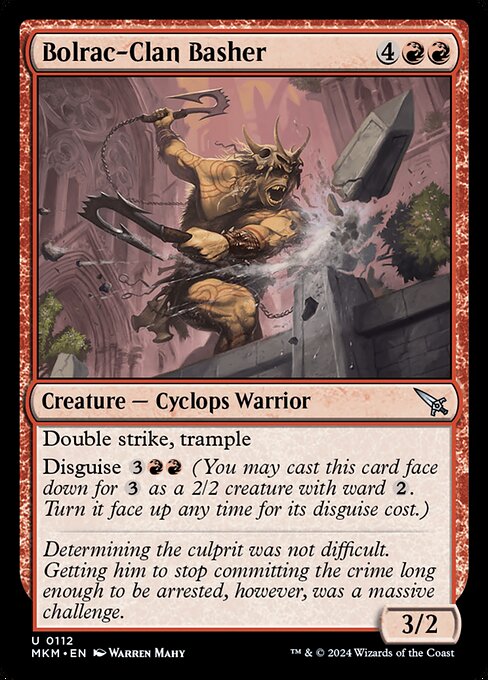 Bolrac-Clan Basher
 Creature — Cyclops Warrior
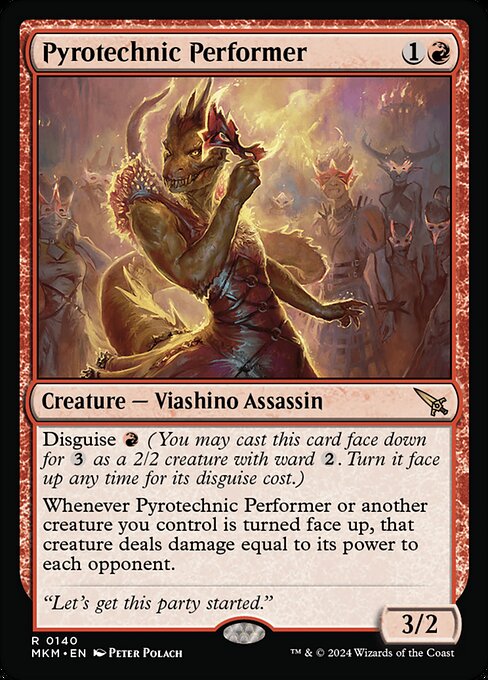 Pyrotechnic PerformerCreature — Lizard Assassin
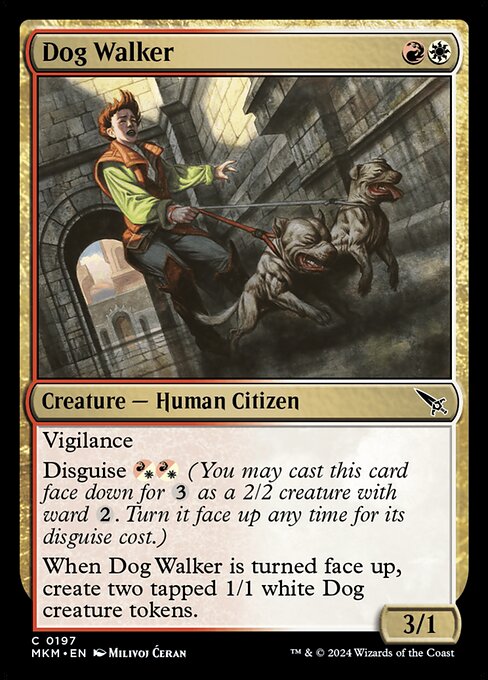 Dog WalkerCreature — Human Citizen
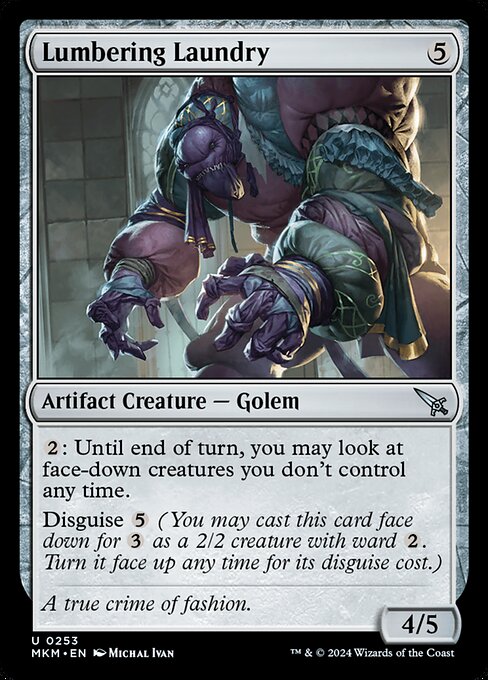 Lumbering Laundry
 Artifact Creature — Golem
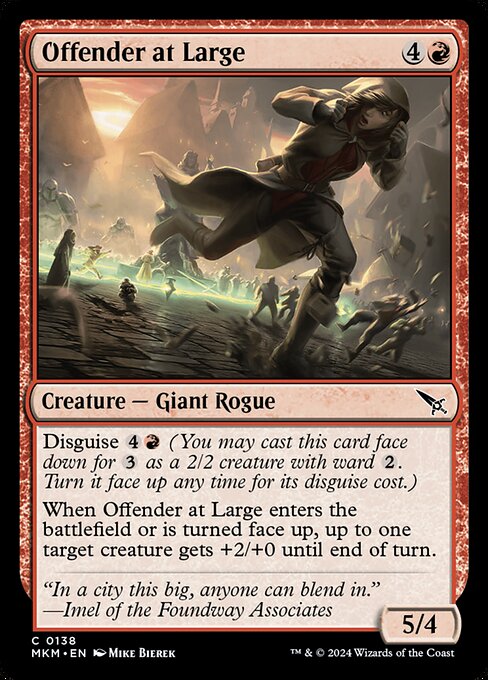 Offender at LargeCreature — Giant Rogue
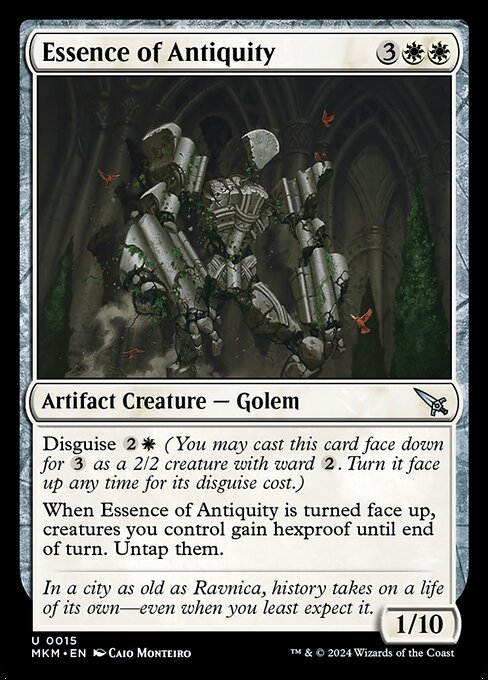 Essence of AntiquityArtifact Creature — Golem
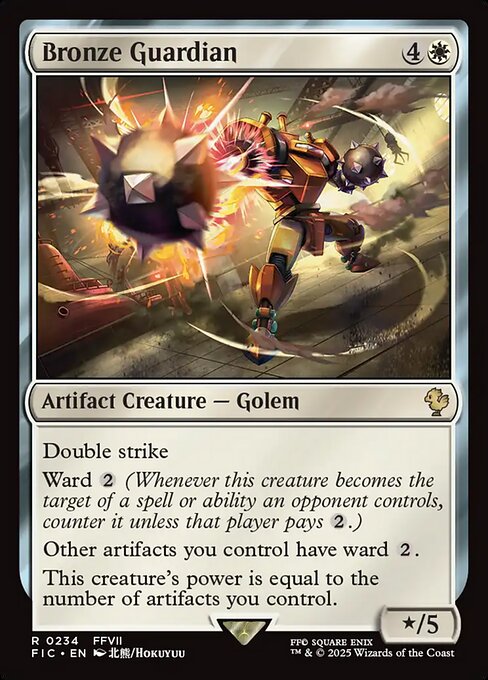 Bronze GuardianArtifact Creature — Golem
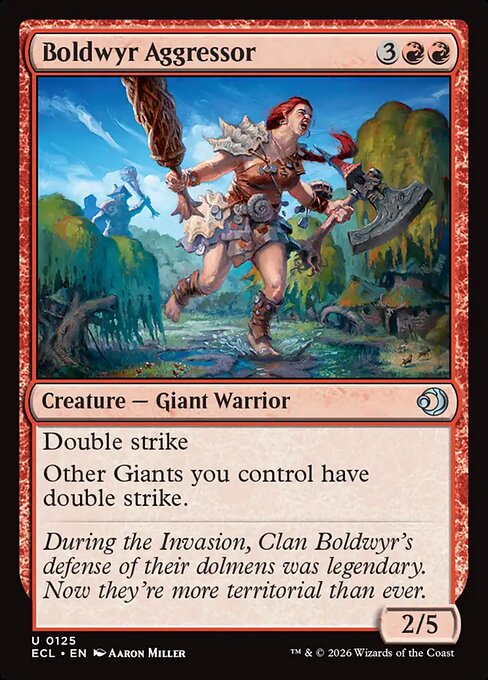 Boldwyr AggressorCreature — Giant Warrior
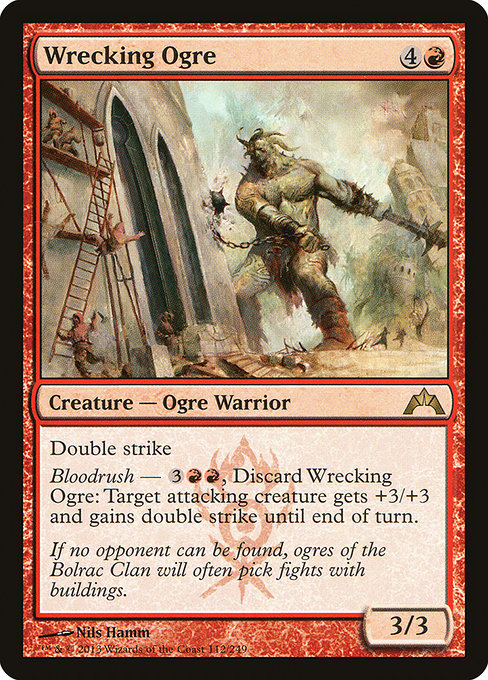 Wrecking OgreCreature — Ogre Warrior
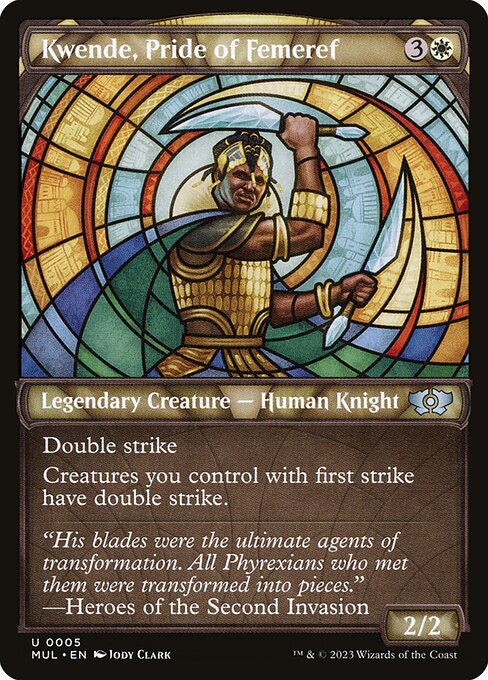 Kwende, Pride of FemerefLegendary Creature — Human Knight
Show 20 more similar cards
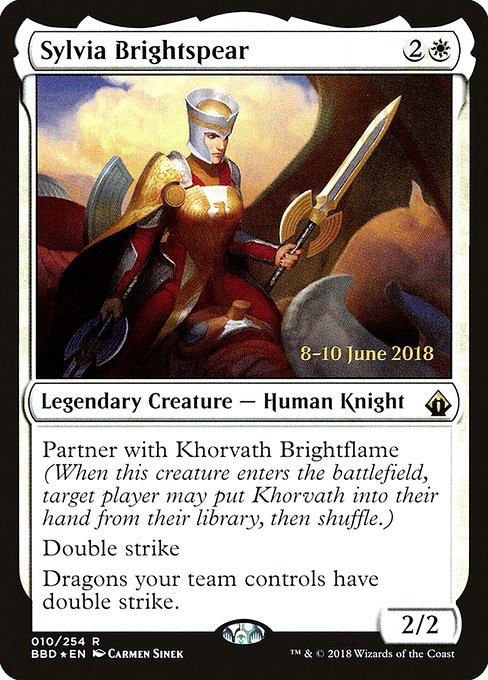 Sylvia BrightspearLegendary Creature — Human Knight
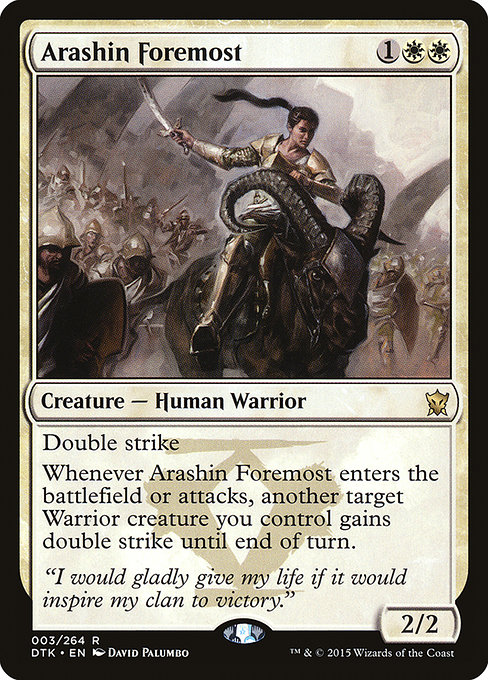 Arashin ForemostCreature — Human Warrior
 Quill-Blade Laureate // Twofold Intent // Creature — Human Cleric // Sorcery
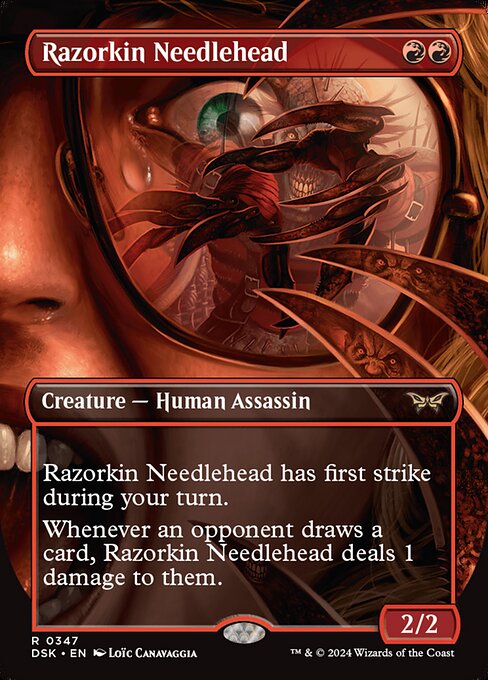 Razorkin NeedleheadCreature — Human Assassin
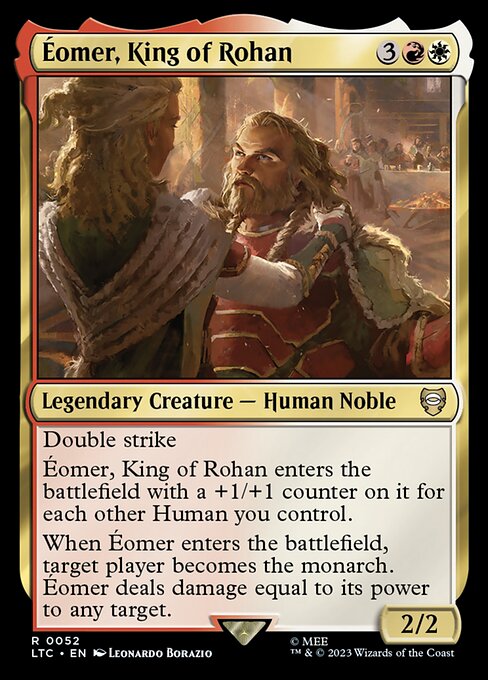 Éomer, King of RohanLegendary Creature — Human Noble
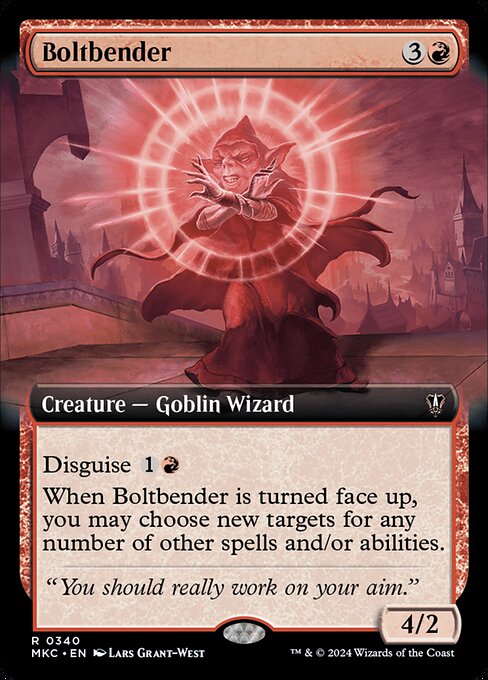 BoltbenderCreature — Goblin Wizard
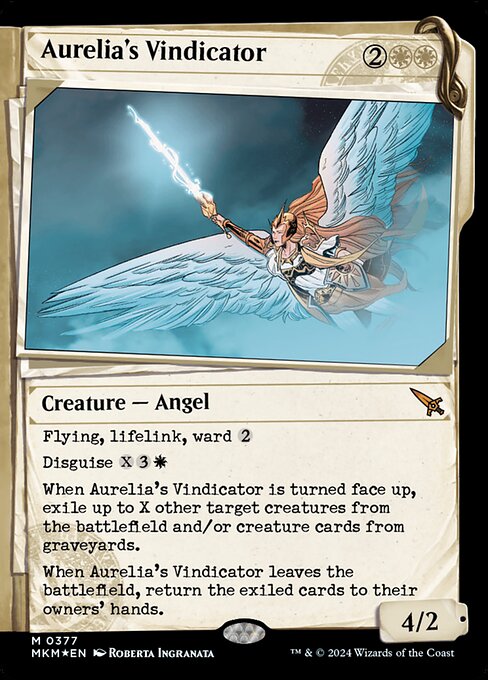 Aurelia's VindicatorCreature — Angel
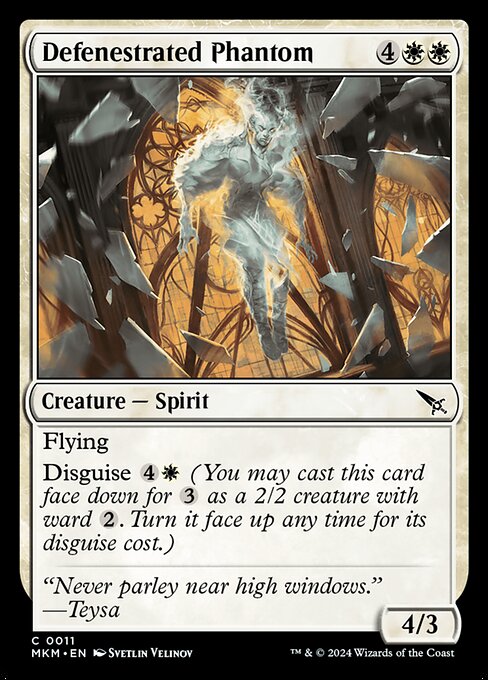 Defenestrated PhantomCreature — Spirit
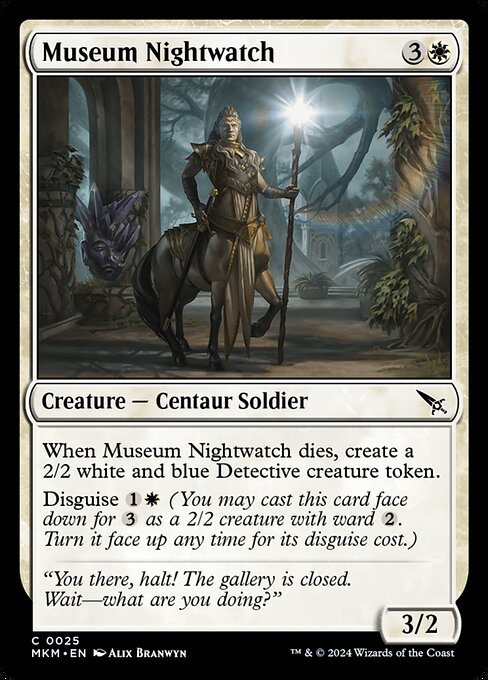 Museum NightwatchCreature — Centaur Soldier
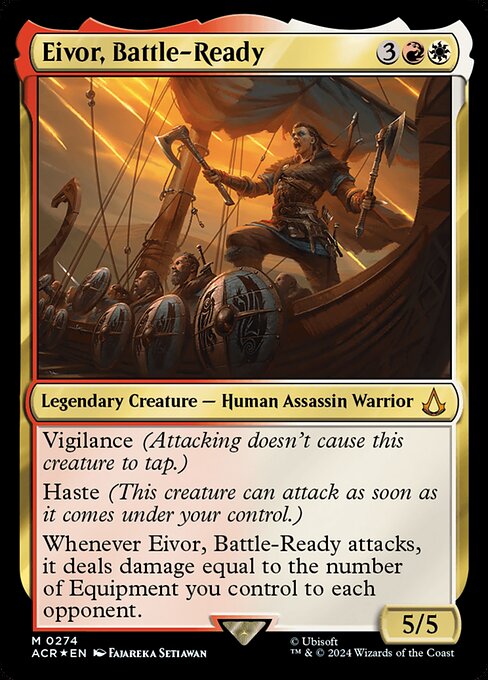 Eivor, Battle-ReadyLegendary Creature — Human Assassin Warrior
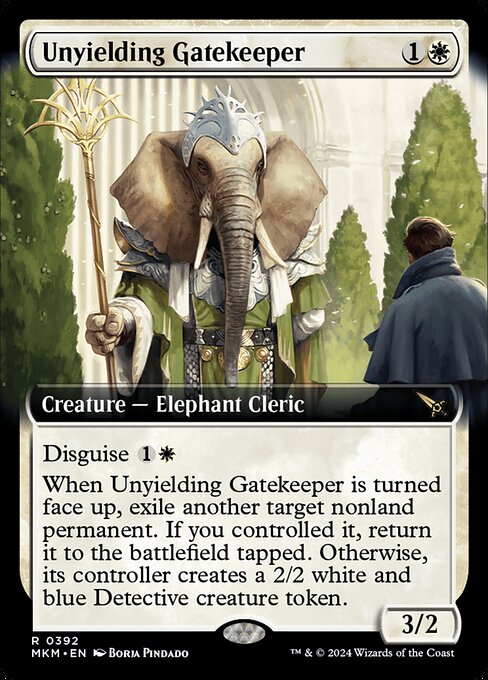 Unyielding GatekeeperCreature — Elephant Cleric
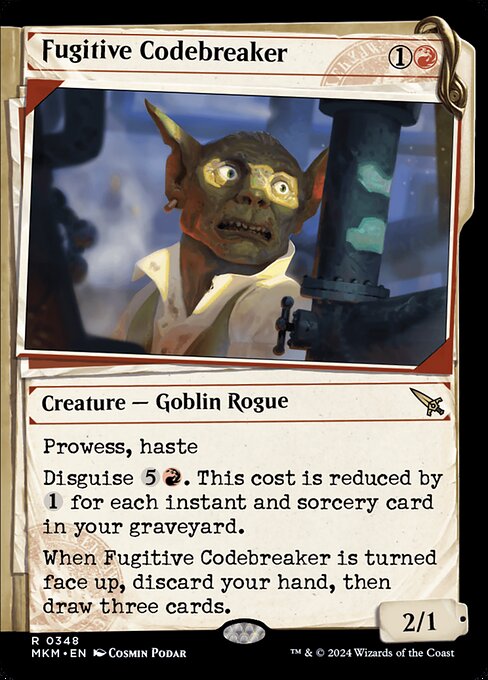 Fugitive CodebreakerCreature — Goblin Rogue
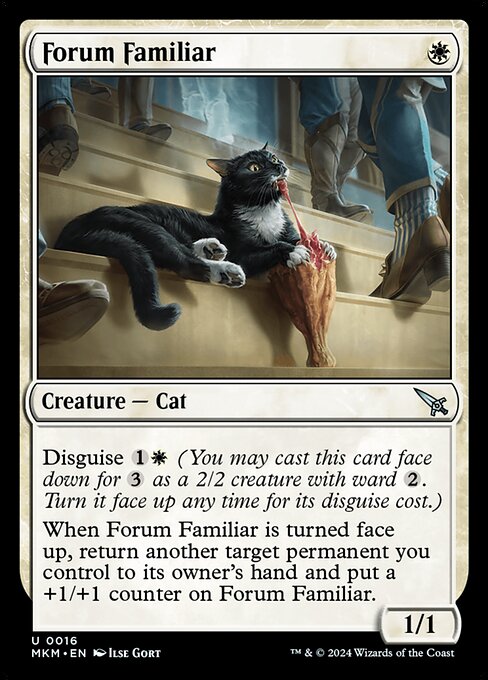 Forum FamiliarCreature — Cat
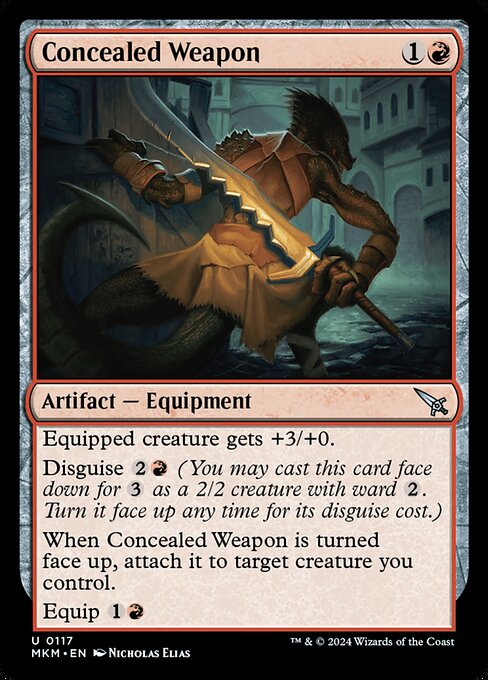 Concealed WeaponArtifact — Equipment
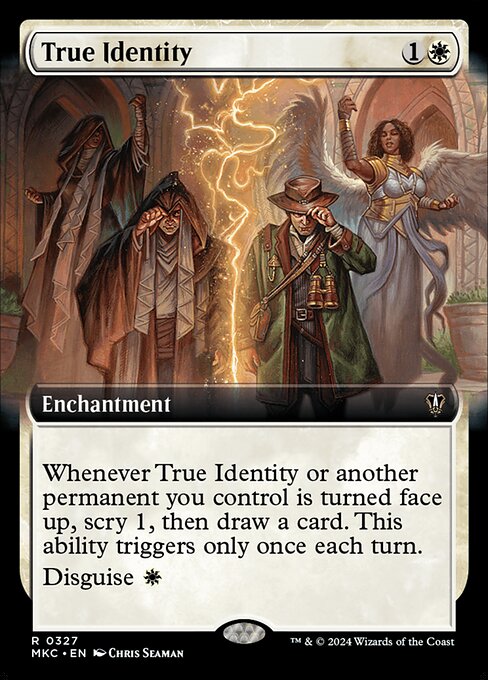 True IdentityEnchantment
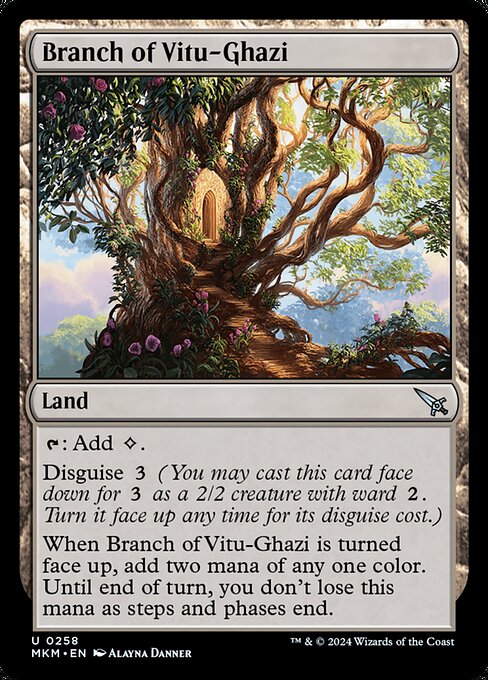 Branch of Vitu-GhaziLand
 Cloud, Planet's ChampionLegendary Creature — Human Soldier Mercenary
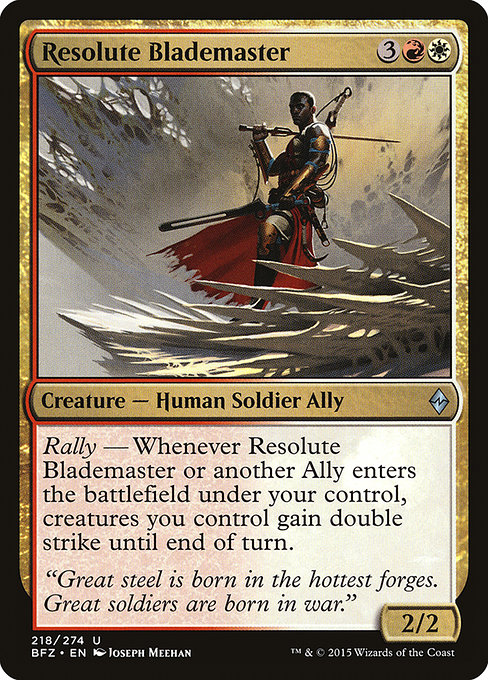 Resolute BlademasterCreature — Human Soldier Ally
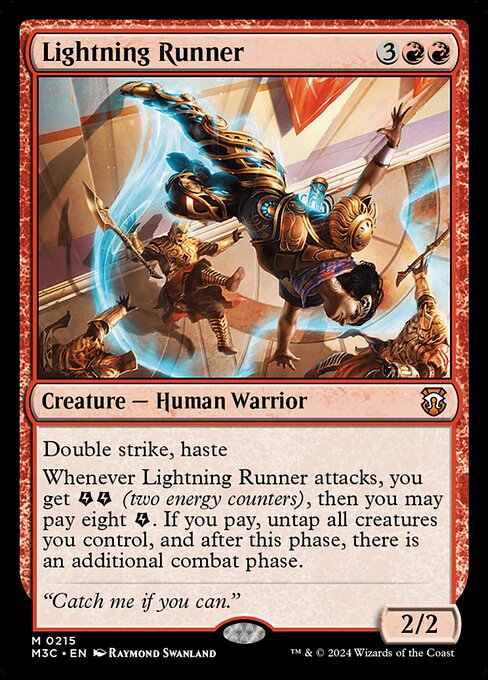 Lightning RunnerCreature — Human Warrior
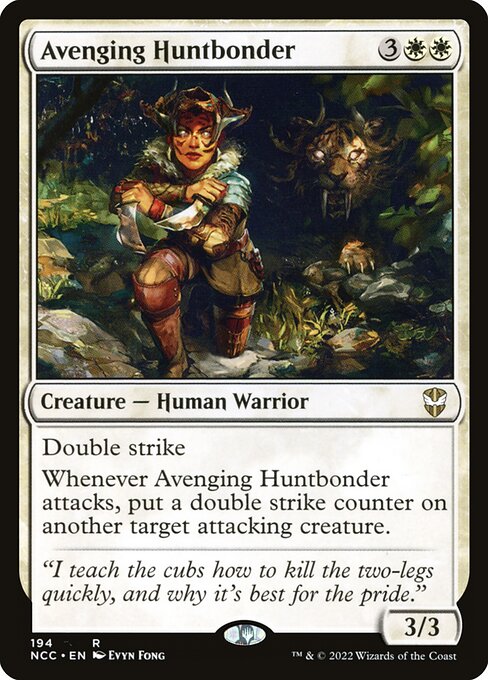 Avenging HuntbonderCreature — Human Warrior