
Elbrus, the Binding Blade // Withengar Unbound
Elbrus, the Binding Blade
 Legendary Artifact — Equipment
Card text
Equipped creature gets +1/+0.
When equipped creature deals combat damage to a player, unattach Elbrus, then transform it.
Equip 
Those who grasp its hilt soon hear the demon's call.
Withengar Unbound
Legendary Creature — DemonPower and toughness13/13
Card text
Flying, intimidate, trample (A creature with intimidate can't be blocked except by artifact creatures and/or creatures that share a color with it.)
Whenever a player loses the game, put thirteen +1/+1 counters on Withengar Unbound.
There are not enough lives on Innistrad to satisfy his thirst for retribution.
Showing Dark Ascension#147
Price
6.49 $
Foil 12.58 $
13 printings
Daily estimate from Scryfall, not a shop quote.
Elbrus, the Binding Blade // Withengar Unbound rulings
The "legend rule" checks only for permanents with exactly the same name. Elbrus, the Binding Blade and Withengar Unbound can be on the battlefield at the same time without either going to its owner's graveyard.
Elbrus will transform even if you are unable to unattach it (most likely because the equipped creature died).
Withengar's triggered ability will trigger no matter how a player loses the game: due to a state-based action (as a result of having a life total of 0 or less, trying to draw a card from an empty library, or having ten poison counters), a spell or ability that says that player loses the game, a concession, or a game loss awarded by a judge.
In a multiplayer game using the limited range of influence option (such as a Grand Melee game), if a spell or ability says that you win the game, it instead causes all of your opponents within your range of influence to lose the game. This is another way by which Withengar's ability can trigger.
Elbrus, the Binding Blade // Withengar Unbound keyword rules
Flying Rule 702.9
Flying is an evasion ability.
A creature with flying can’t be blocked except by creatures with flying and/or reach. A creature with flying can block a creature with or without flying. (See rule , “Declare Blockers Step,” and rule , “Reach.”)
Multiple instances of flying on the same creature are redundant.
Transform Rule 701.28
To transform a permanent, turn it over so that its other face is up. Only transforming tokens and permanents represented by transforming double-faced cards can transform. (See rule , “Double-Faced Cards.”)
Although transforming a permanent uses the same physical action as turning a permanent face up or face down, they are different game actions. Abilities that trigger when a permanent is turned face down won’t trigger when that permanent transforms, and so on.
If a spell or ability instructs a player to transform a permanent that isn’t represented by a transforming token or a transforming double-faced card, nothing happens.
If a spell or ability instructs a player to transform a permanent, and the face that permanent would transform into is represented by an instant or sorcery card face, or is a transforming token that was created with an instant or sorcery face, nothing happens.
Some triggered abilities trigger when an object “transforms into” an object with a specified characteristic. Such an ability triggers if the object either transforms or converts (see rule ) and has the specified characteristic immediately after it does so.
If an activated or triggered ability of a permanent that isn’t a delayed triggered ability of that permanent tries to transform it, the permanent does so only if it hasn’t transformed or converted since the ability was put onto the stack. If a delayed triggered ability of a permanent tries to transform that permanent, the permanent does so only if it hasn’t transformed or converted since that delayed triggered ability was created. In both cases, if the permanent has already transformed or converted, an instruction to do either is ignored.
Some spells and abilities refer to a “transformed permanent.” This phrase refers to a permanent on the battlefield with its back face up that’s also a transforming double-faced card or a transforming token. A permanent with its front face up is never considered a transformed permanent, even if it had its back face up previously.
Trample Rule 702.19
Trample is a static ability that modifies the rules for assigning an attacking creature’s combat damage. The ability has no effect when a creature with trample is blocking or is dealing noncombat damage. (See rule , “Combat Damage Step.”)
The controller of an attacking creature with trample first assigns damage to the creature(s) blocking it. Once all those blocking creatures are assigned lethal damage, any excess damage is assigned as its controller chooses among those blocking creatures and the player, planeswalker, or battle the creature is attacking. When checking for assigned lethal damage, take into account damage already marked on the creature and damage from other creatures that’s being assigned during the same combat damage step, but not any abilities or effects that might change the amount of damage that’s actually dealt. The attacking creature’s controller need not assign lethal damage to all those blocking creatures but in that case can’t assign any damage to the player or planeswalker it’s attacking.
Trample over planeswalkers is a variant of trample that modifies the rules for assigning combat damage to planeswalkers. The controller of a creature with trample over planeswalkers assigns that creature’s combat damage as described in rule , with one exception. If that creature is attacking a planeswalker, after lethal damage is assigned to all blocking creatures and damage at least equal to the loyalty of the planeswalker the creature is attacking is assigned to that planeswalker, further excess damage may be assigned as the attacking creature’s controller chooses among those blocking creatures, that planeswalker, and that planeswalker’s controller. When checking for assigned damage equal to a planeswalker’s loyalty, take into account damage from other creatures that’s being assigned during the same combat damage step, but not any abilities or effects that might change the amount of damage that’s actually dealt.
If an attacking creature with trample or trample over planeswalkers is blocked, but there are no creatures blocking it when damage is assigned, its damage is assigned to the defending player and/or planeswalker as though all blocking creatures have been assigned lethal damage.
If a creature with trample over planeswalkers is attacking a planeswalker and that planeswalker is removed from combat, the creature’s damage may be assigned to the defending player once all blocking creatures have been dealt lethal damage or, if there are no blocking creatures when damage is assigned, all its damage is assigned to the defending player. This is an exception to rule , and it does not cause the creature to be attacking that player.
If a creature without trample over planeswalkers is attacking a planeswalker, none of its combat damage can be assigned to the defending player, even if that planeswalker has been removed from combat or the damage the attacking creature could assign is greater than the planeswalker’s loyalty.
Multiple instances of trample on the same creature are redundant. Multiple instances of trample over planeswalkers on the same creature are redundant.
Equip Rule 702.6
Equip is an activated ability of Equipment cards. “Equip [cost]” means “[Cost]: Attach this permanent to target creature you control. Activate only as a sorcery.”
For more information about Equipment, see rule , “Artifacts.”
Equip abilities may further restrict what creatures may be chosen as legal targets. Such restrictions usually appear in the form “Equip [quality]” or “Equip [quality] creature.” These equip abilities may legally target only a creature that’s controlled by the player activating the ability and that has the chosen quality. Additional restrictions for an equip ability don’t restrict what the Equipment may be attached to.
If a permanent has multiple equip abilities, any of its equip abilities may be activated.
“Equip planeswalker” is a variant of the equip ability. “Equip planeswalker [cost]” means “[Cost]: Attach this permanent to target planeswalker you control as though that planeswalker were a creature. Activate only as a sorcery.”
Intimidate Rule 702.13
Intimidate is an evasion ability.
A creature with intimidate can’t be blocked except by artifact creatures and/or creatures that share a color with it. (See rule , “Declare Blockers Step.”)
Multiple instances of intimidate on the same creature are redundant.
Elbrus, the Binding Blade // Withengar Unbound format legality
Constructed
- StandardNot legal
- PioneerNot legal
- ModernLegal
- Future StandardNot legal
Eternal
- LegacyLegal
- VintageLegal
- PauperNot legal
- PremodernNot legal
- Old SchoolNot legal
- Penny DreadfulLegal
Commander
- CommanderLegal
- OathbreakerLegal
- Pauper CommanderNot legal
- Duel CommanderLegal
- PreDHNot legal
Arena & online
- HistoricNot legal
- TimelessNot legal
- AlchemyNot legal
- GladiatorNot legal
- BrawlNot legal
- Standard BrawlNot legal
- Competitive BrawlNot legal
Other
- TLRNot legal
All printings of Elbrus, the Binding Blade // Withengar Unbound 13
Cards similar to Elbrus, the Binding Blade // Withengar Unbound
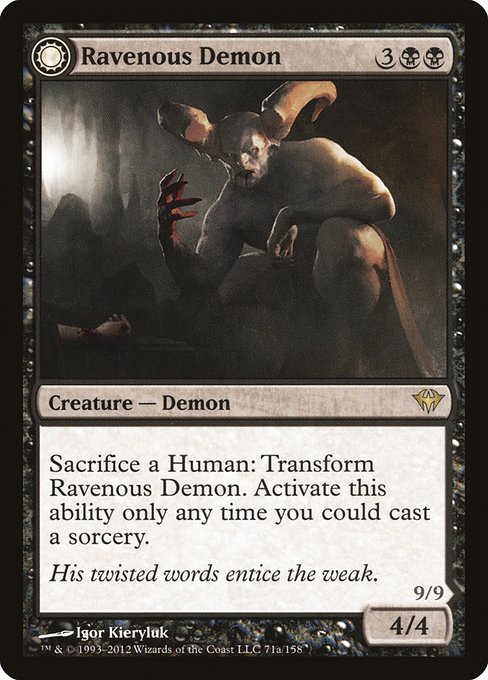 Ravenous Demon // Archdemon of GreedCreature — Demon // Creature — Demon
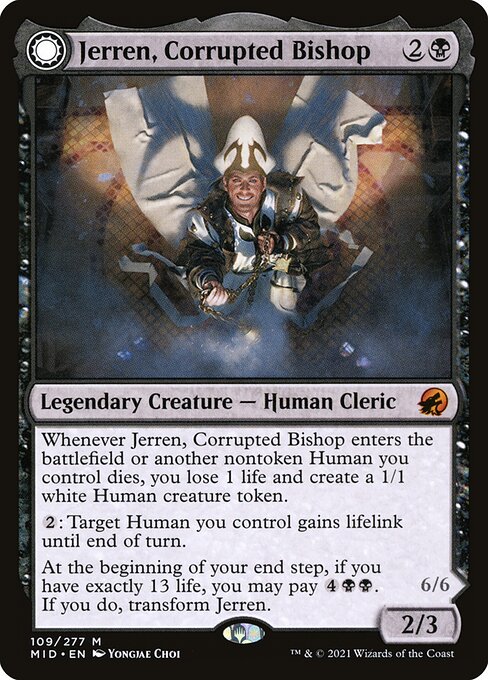 Jerren, Corrupted Bishop // Ormendahl, the CorrupterLegendary Creature — Human Cleric // Legendary Creature — Demon
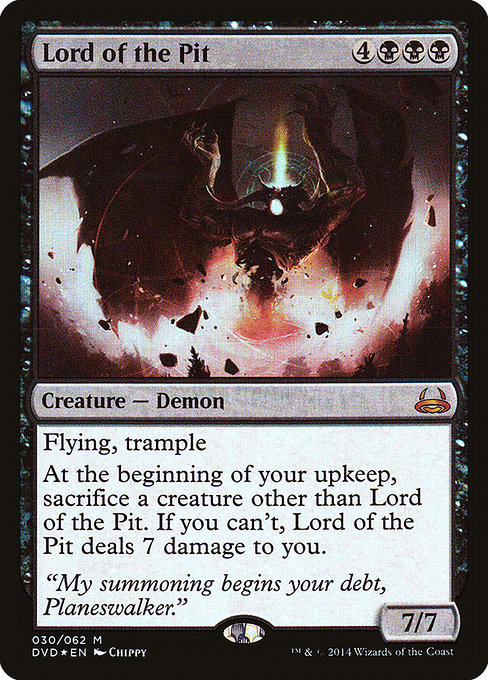 Lord of the Pit
 Creature — Demon
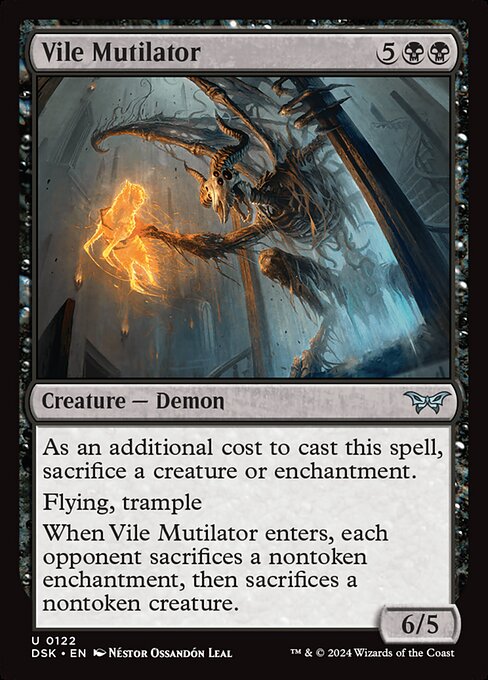 Vile Mutilator
 Creature — Demon
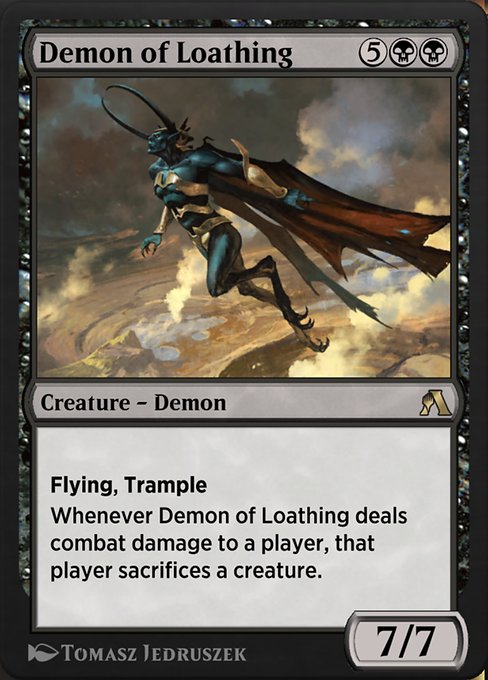 Demon of LoathingCreature — Demon
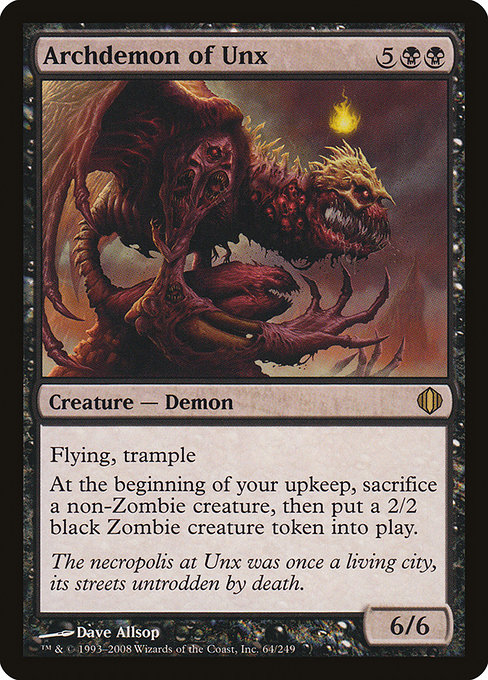 Archdemon of UnxCreature — Demon
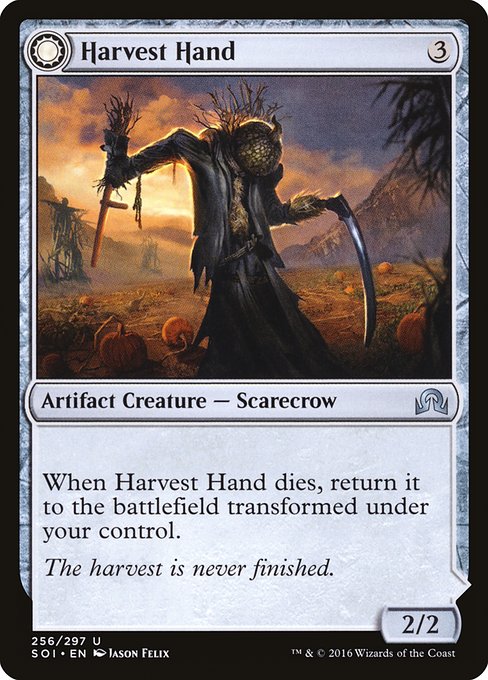 Harvest Hand // Scrounged ScytheArtifact Creature — Scarecrow // Artifact — Equipment
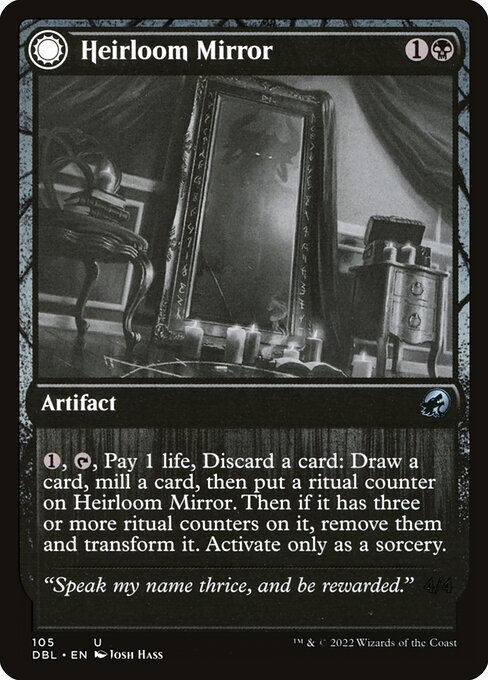 Heirloom Mirror // Inherited FiendArtifact // Creature — Demon
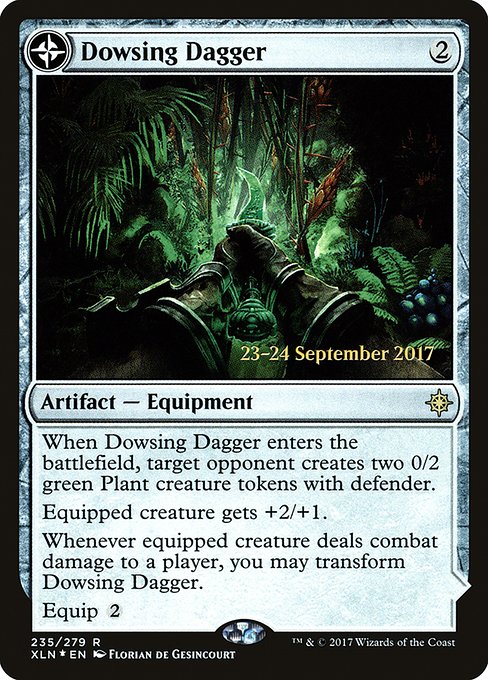 Dowsing Dagger // Lost ValeArtifact — Equipment // Land
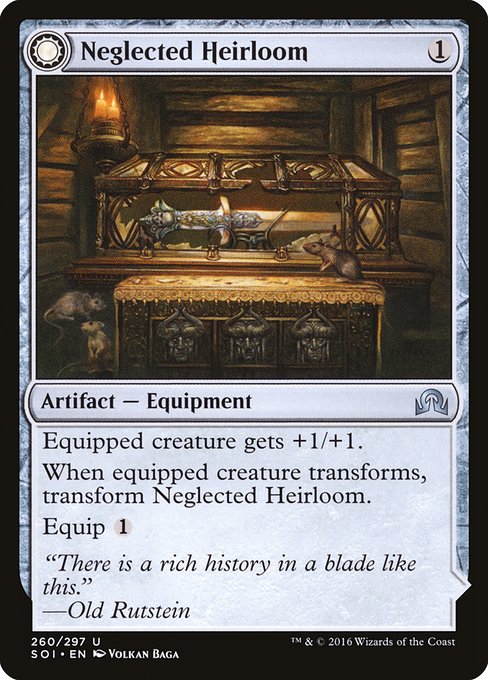 Neglected Heirloom // Ashmouth BladeArtifact — Equipment // Artifact — Equipment
Show 20 more similar cards
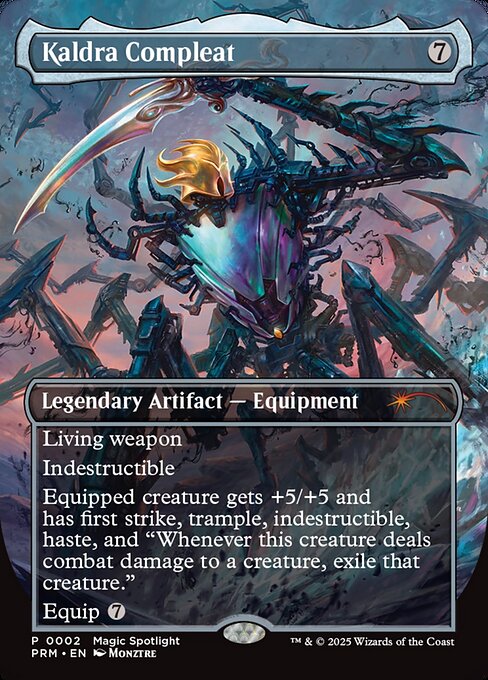 Kaldra CompleatLegendary Artifact — Equipment
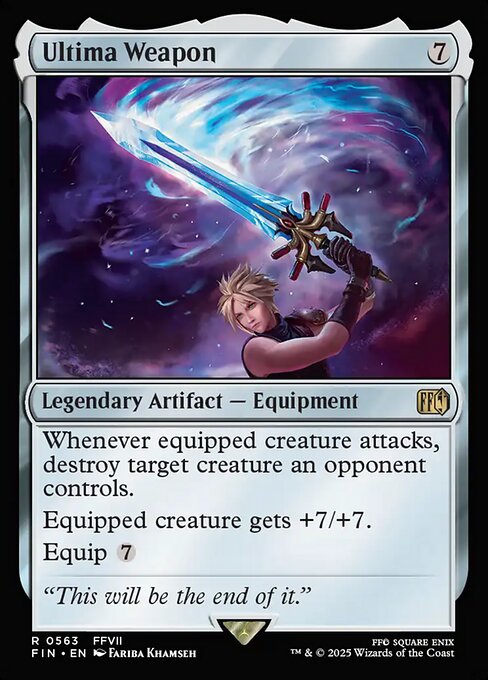 Ultima WeaponLegendary Artifact — Equipment
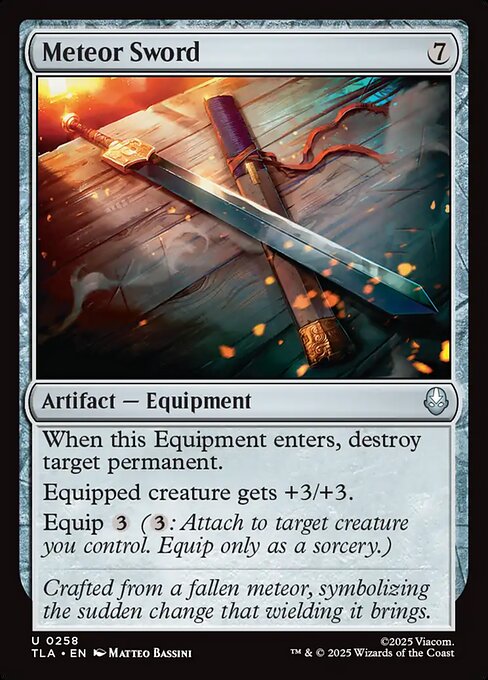 Meteor SwordArtifact — Equipment
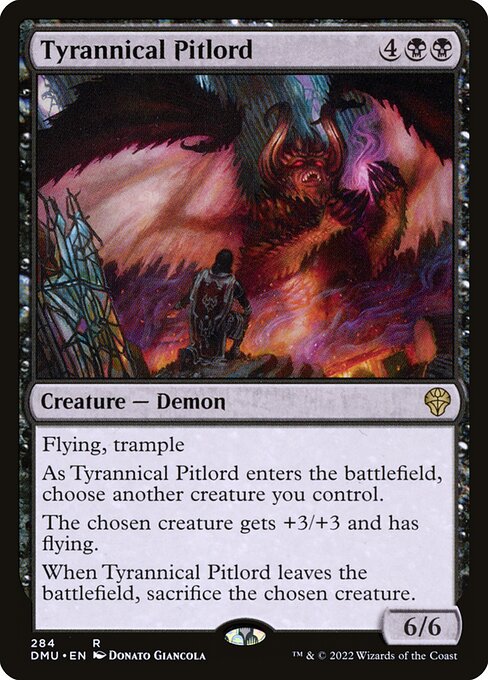 Tyrannical PitlordCreature — Demon
 Iron GiantArtifact Creature — Demon
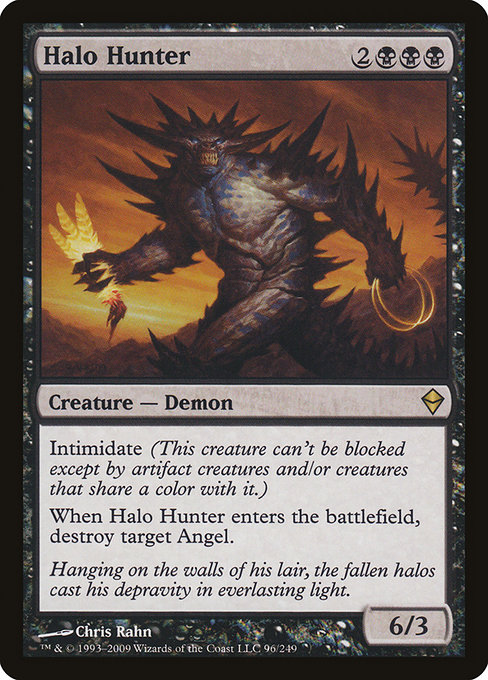 Halo Hunter
 Creature — Demon
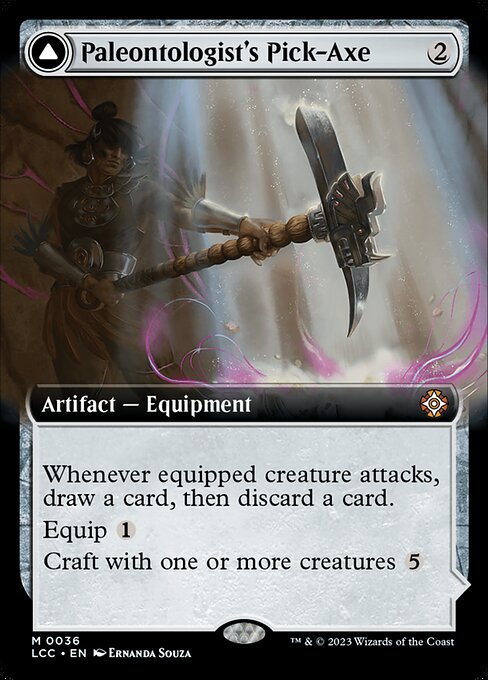 Paleontologist's Pick-Axe // Dinosaur HeaddressArtifact — Equipment // Artifact — Equipment
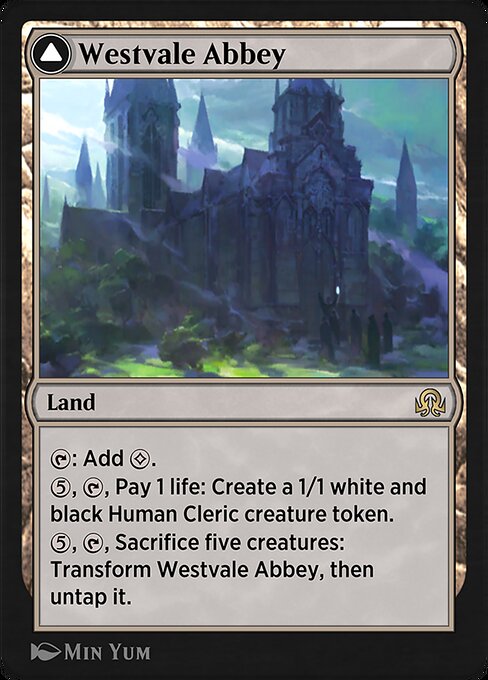 Westvale Abbey // Ormendahl, Profane PrinceLand // Legendary Creature — Demon
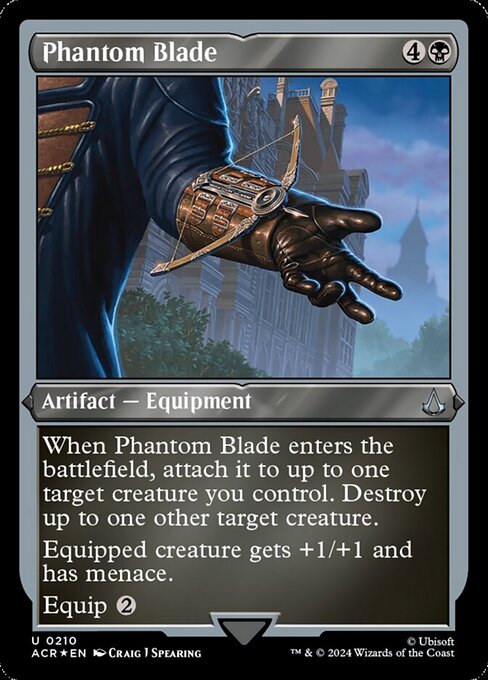 Phantom BladeArtifact — Equipment
 HYDRA DisintegratorArtifact — Equipment
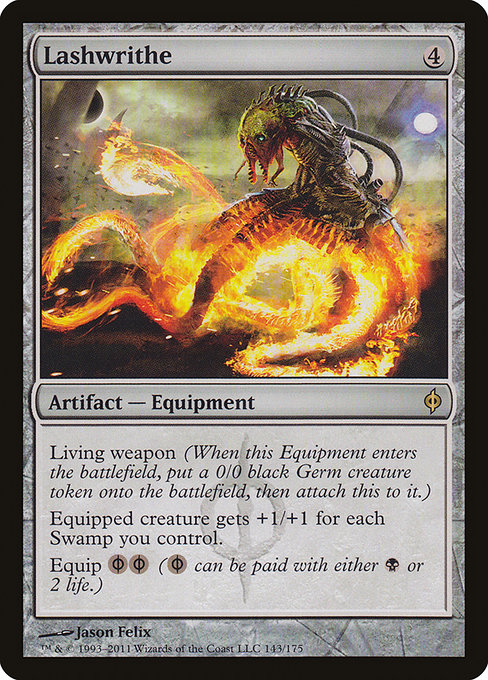 LashwritheArtifact — Equipment
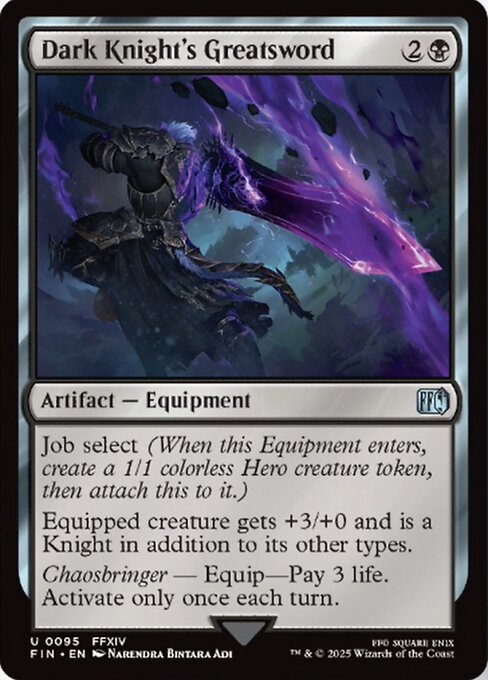 Dark Knight's GreatswordArtifact — Equipment
 Crude Bent BladeArtifact — Equipment
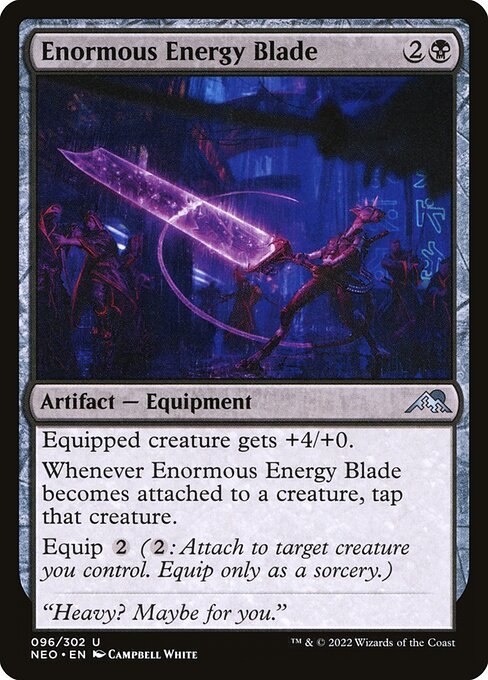 Enormous Energy BladeArtifact — Equipment
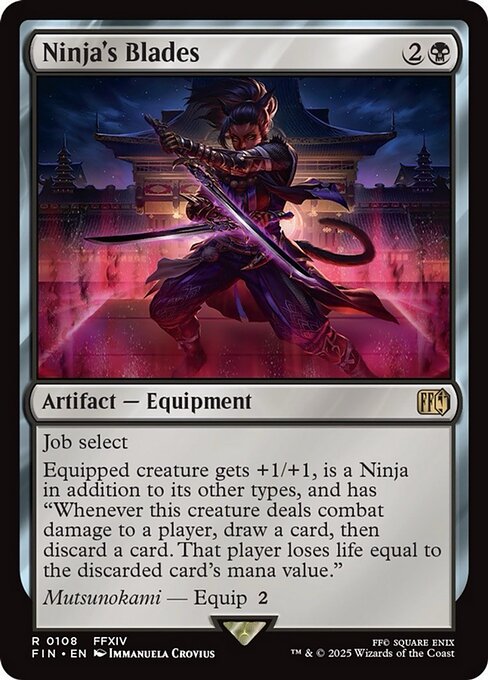 Ninja's BladesArtifact — Equipment
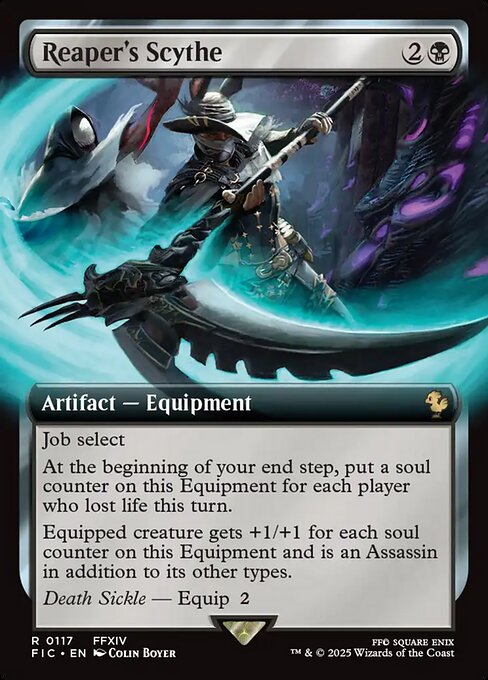 Reaper's ScytheArtifact — Equipment
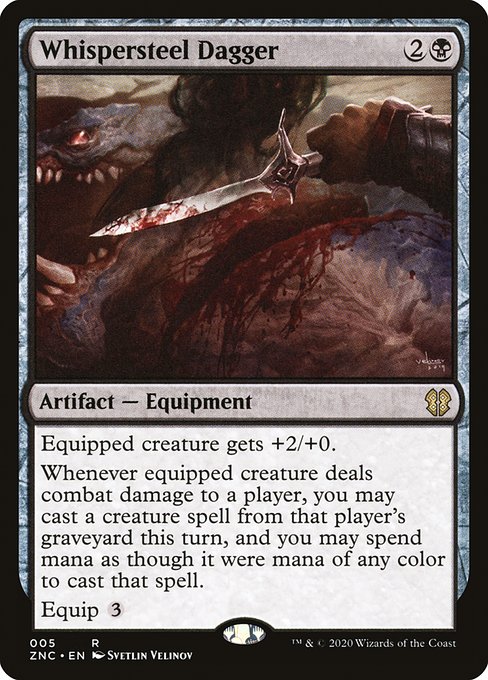 Whispersteel DaggerArtifact — Equipment
 Voltaic WhipArtifact — Equipment
 Bat'lethArtifact — Equipment
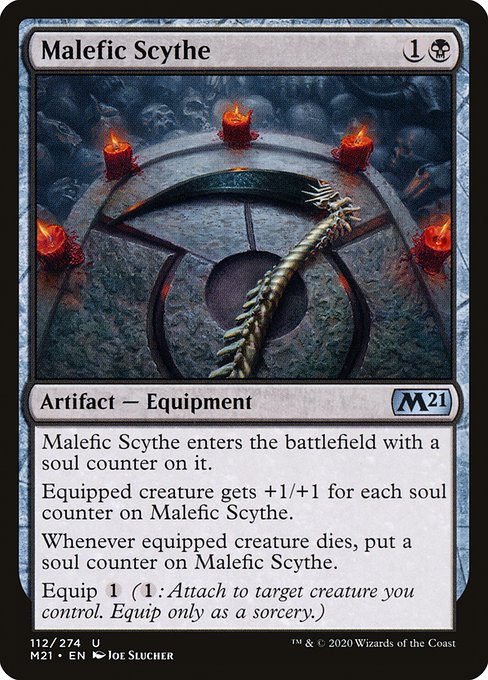 Malefic ScytheArtifact — Equipment