
Grist, Voracious Larva // Grist, the Plague Swarm
Grist, Voracious Larva
 Legendary Creature — InsectPower and toughness1/2
Card text
Deathtouch
Whenever Grist or another creature you control enters, if it entered from your graveyard or you cast it from your graveyard, you may pay . If you do, exile Grist, then return it to the battlefield transformed under its owner's control.
Grist, the Plague Swarm
Legendary Planeswalker — GristLoyalty3
Card text
: Create a 1/1 black and green Insect creature token, then mill two cards. Put a deathtouch counter on the token if a black card was milled this way.
: Destroy target artifact or enchantment.
: For each creature card in your graveyard, create a token that's a copy of it, except it's a 1/1 black and green Insect.
Showing Modern Horizons 3#251
Price
1.21 $
Foil 1.76 $
12 printings · up to 4.88 $
Daily estimate from Scryfall, not a shop quote.
Grist, Voracious Larva // Grist, the Plague Swarm rulings
In some rare cases, a spell or ability may cause Grist, Voracious Larva to transform while it's a creature (front face up) on the battlefield. If this happens, Grist, the Plague Swarm won't have any loyalty counters on it and will subsequently be put into its owner's graveyard.
You can activate one of Grist, the Plague Swarm's loyalty abilities the turn it enters the battlefield. However, you may do so only during one of your main phases when the stack is empty. For example, if Grist, the Plague Swarm enters the battlefield during combat, there will be an opportunity for your opponent to remove it before you can activate one of its abilities.
If Grist, Voracious Larva leaves the battlefield while its triggered ability is on the stack, you can't exile it from the zone it's put into, so you won't return it to the battlefield transformed under its owner's control.
Except for the listed exceptions, the tokens created by Grist, the Plague Swarm's last ability copy exactly what was printed on the original cards and nothing else. They don't copy any information about the objects those cards were before they were put into your graveyard.
The tokens are Insects instead of their other creature types, and they're black and green instead of their other colors. These are copiable values of the tokens that other effects may copy.
If any of the copied cards have
 in their mana costs, is 0.
If a card copied by one of the tokens had any "when [this creature] enters the battlefield" abilities, the appropriate token also has those abilities and will trigger them when it's created. Similarly, any "as [this creature] enters the battlefield" or "[this creature] enters the battlefield with" abilities that a token has copied will also work.
Each face of a transforming double-faced card has its own set of characteristics: name, types, subtypes, abilities, and so on. While a transforming double-faced permanent is on the battlefield, consider only the characteristics of the face that's currently up. The other set of characteristics is ignored.
Each transforming double-faced card in this set is cast with its front face up. In every zone other than the battlefield, consider only the characteristics of its front face. If it is on the battlefield, consider only the characteristics of the face that's up; the other face's characteristics are ignored.
The mana value of a transforming double-faced card is the mana value of its front face, no matter which face is up.
The back face of a transforming double-faced card usually has a color indicator that defines its color. Colorless back faces, such as lands, do not.
In the Commander variant, a double-faced card's color identity is determined by the mana costs and mana symbols in the rules text of both faces combined. If either face has a color indicator or basic land type, those are also considered. For example, Ral, Monsoon Mage's color identity is blue and red, since its front face is red and its back face has a blue and red color indicator.
A transforming double-faced card enters the battlefield with its front face up by default, unless a spell or ability instructs you to put it onto the battlefield transformed or allows you to cast it transformed, in which case it enters with its back face up.
If you are instructed to put a card that isn't a double-faced card onto the battlefield transformed, it will not enter the battlefield at all. In that case, it stays in the zone it was previously in. For example, if a single-faced card is a copy of Ral, Monsoon Mage, choosing to exile that permanent during the resolution of its triggered ability will cause it to remain in exile.
Grist, Voracious Larva // Grist, the Plague Swarm keyword rules
Transform Rule 701.28
To transform a permanent, turn it over so that its other face is up. Only transforming tokens and permanents represented by transforming double-faced cards can transform. (See rule , “Double-Faced Cards.”)
Although transforming a permanent uses the same physical action as turning a permanent face up or face down, they are different game actions. Abilities that trigger when a permanent is turned face down won’t trigger when that permanent transforms, and so on.
If a spell or ability instructs a player to transform a permanent that isn’t represented by a transforming token or a transforming double-faced card, nothing happens.
If a spell or ability instructs a player to transform a permanent, and the face that permanent would transform into is represented by an instant or sorcery card face, or is a transforming token that was created with an instant or sorcery face, nothing happens.
Some triggered abilities trigger when an object “transforms into” an object with a specified characteristic. Such an ability triggers if the object either transforms or converts (see rule ) and has the specified characteristic immediately after it does so.
If an activated or triggered ability of a permanent that isn’t a delayed triggered ability of that permanent tries to transform it, the permanent does so only if it hasn’t transformed or converted since the ability was put onto the stack. If a delayed triggered ability of a permanent tries to transform that permanent, the permanent does so only if it hasn’t transformed or converted since that delayed triggered ability was created. In both cases, if the permanent has already transformed or converted, an instruction to do either is ignored.
Some spells and abilities refer to a “transformed permanent.” This phrase refers to a permanent on the battlefield with its back face up that’s also a transforming double-faced card or a transforming token. A permanent with its front face up is never considered a transformed permanent, even if it had its back face up previously.
Mill Rule 701.13
For a player to mill a number of cards, that player puts that many cards from the top of their library into their graveyard.
A player can’t mill a number of cards greater than the number of cards in their library. If given the choice to do so, they can’t choose to take that action. If instructed to do so, they mill as many as possible. Similarly, the player can’t pay a cost that includes milling a number of cards greater than the number of cards in their library.
An effect that refers to a milled card can find that card in the zone it moved to from the library, as long as that zone is a public zone.
If an ability checks information about a single milled card but more than one card was milled, that ability refers to each of the milled cards. If that ability asks for any information about the milled card, such as a characteristic or mana value, it gets multiple answers. If these answers are used to determine the value of a variable, the sum of the answers is used. If that ability performs any actions on “the” card, it performs that action on each milled card. If that ability performs any actions on “a” card, the controller of the ability chooses which card is affected.
Deathtouch Rule 702.2
Deathtouch is a static ability.
A creature with toughness greater than 0 that’s been dealt damage by a source with deathtouch since the last time state-based actions were checked is destroyed as a state-based action. See rule 704.
Any nonzero amount of combat damage assigned to a creature by a source with deathtouch is considered to be lethal damage for the purposes of determining if a proposed combat damage assignment is valid, regardless of that creature’s toughness. See rules –d.
The deathtouch rules function no matter what zone an object with deathtouch deals damage from.
If an object changes zones before an effect causes it to deal damage, its last known information is used to determine whether it had deathtouch.
Multiple instances of deathtouch on the same object are redundant.
Grist, Voracious Larva // Grist, the Plague Swarm format legality
Constructed
- StandardNot legal
- PioneerNot legal
- ModernLegal
- Future StandardNot legal
Eternal
- LegacyLegal
- VintageLegal
- PauperNot legal
- PremodernNot legal
- Old SchoolNot legal
- Penny DreadfulLegal
Commander
- CommanderLegal
- OathbreakerLegal
- Pauper CommanderNot legal
- Duel CommanderLegal
- PreDHNot legal
Arena & online
- HistoricLegal
- TimelessLegal
- AlchemyNot legal
- GladiatorLegal
- BrawlLegal
- Standard BrawlNot legal
- Competitive BrawlLegal
Other
- TLRLegal
All printings of Grist, Voracious Larva // Grist, the Plague Swarm 12
Cards similar to Grist, Voracious Larva // Grist, the Plague Swarm
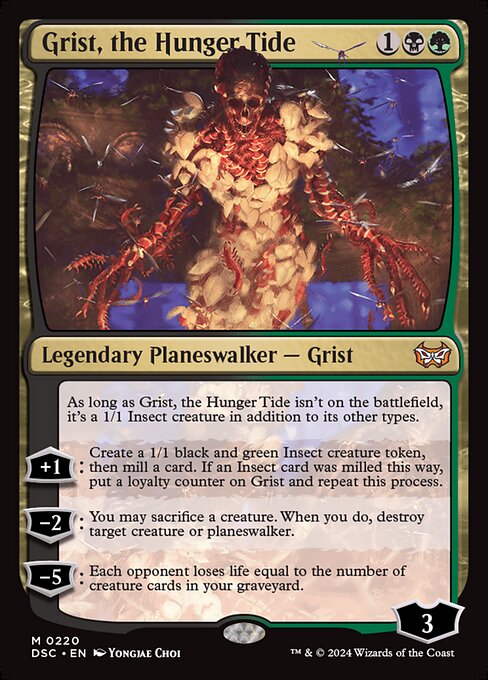 Grist, the Hunger Tide
 Legendary Planeswalker — Grist
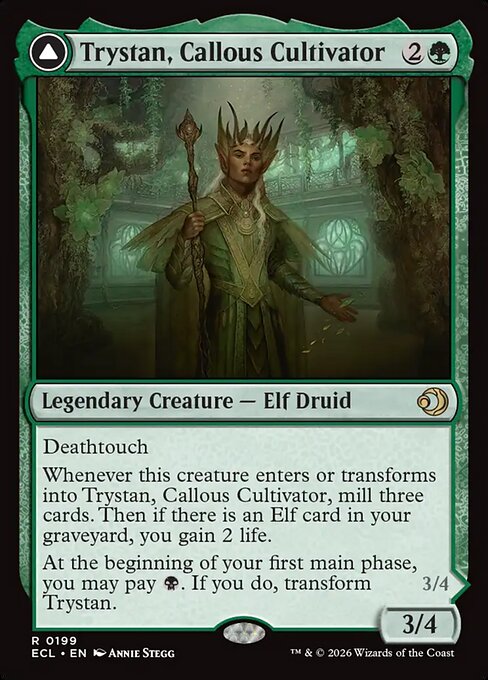 Trystan, Callous Cultivator // Trystan, Penitent CullerLegendary Creature — Elf Druid // Legendary Creature — Elf Warlock
 Common Black Removal
 Instant
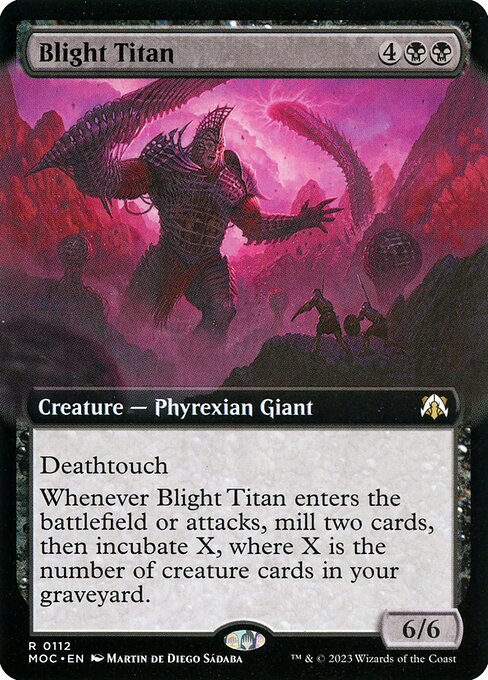 Blight Titan
 Creature — Phyrexian Giant
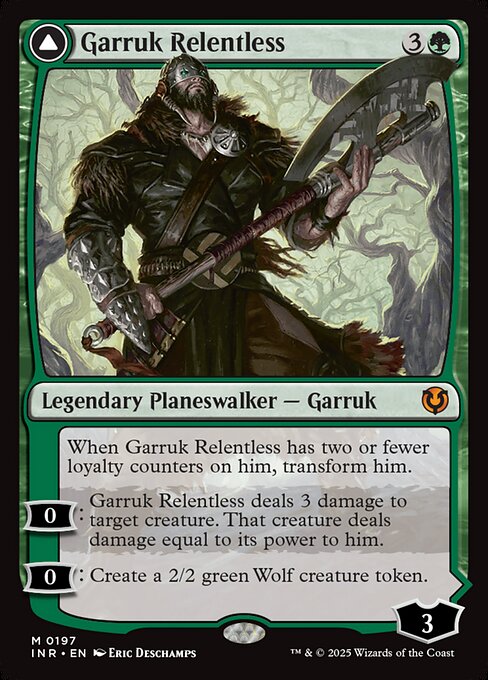 Garruk Relentless // Garruk, the Veil-CursedLegendary Planeswalker — Garruk // Legendary Planeswalker — Garruk
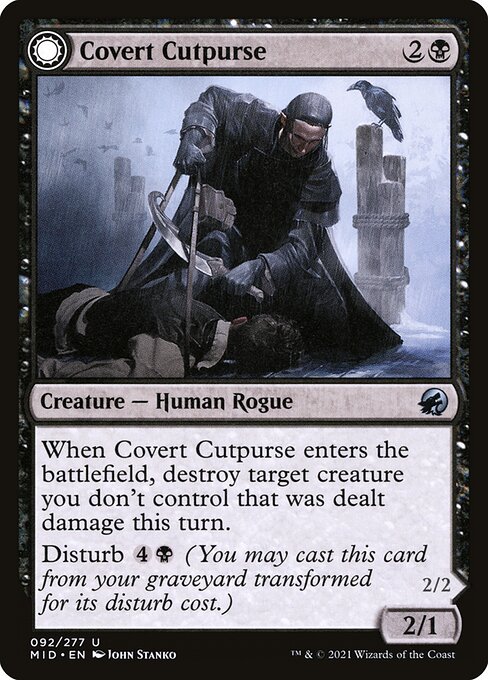 Covert Cutpurse // Covetous GeistCreature — Human Rogue // Creature — Spirit Rogue
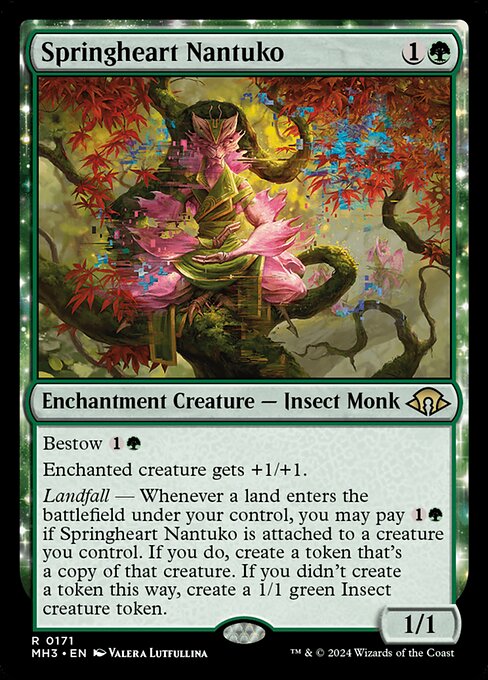 Springheart NantukoEnchantment Creature — Insect Monk
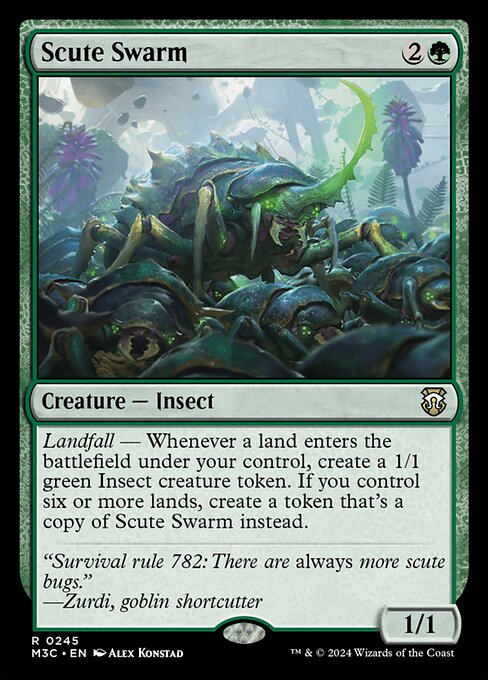 Scute SwarmCreature — Insect
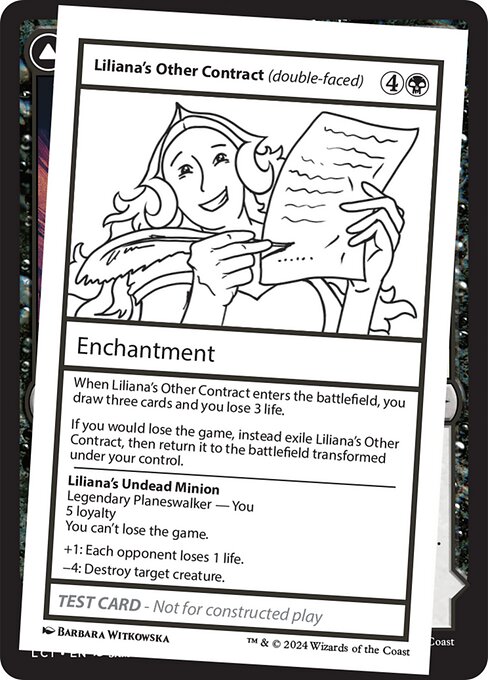 Liliana's Other Contract // Liliana's Undead MinionEnchantment // Legendary Planeswalker — You
 Fumulus, the Infestation
 Legendary Creature — Vampire Insect
Show 20 more similar cards
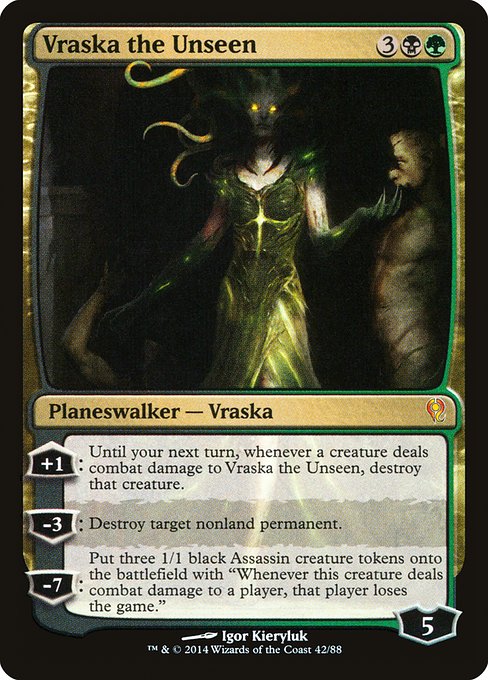 Vraska the UnseenLegendary Planeswalker — Vraska
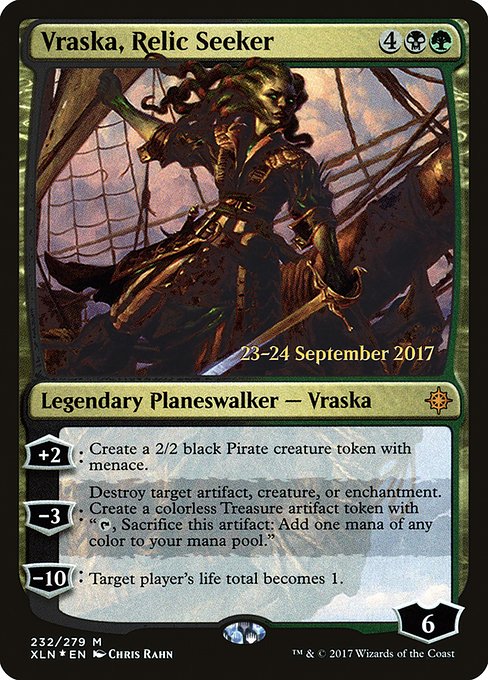 Vraska, Relic SeekerLegendary Planeswalker — Vraska
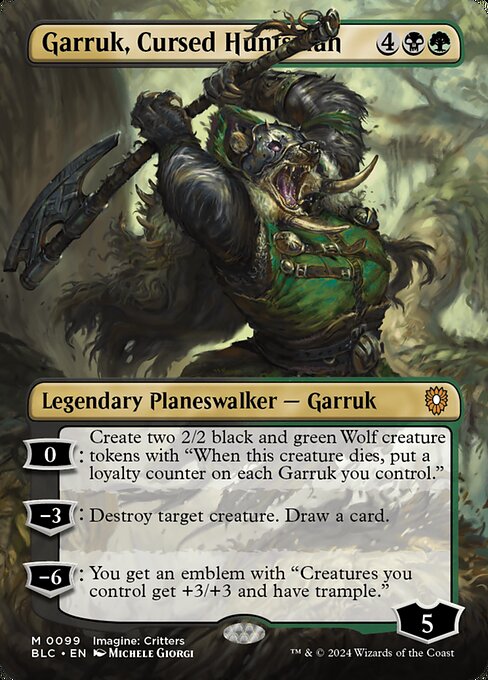 Garruk, Cursed HuntsmanLegendary Planeswalker — Garruk
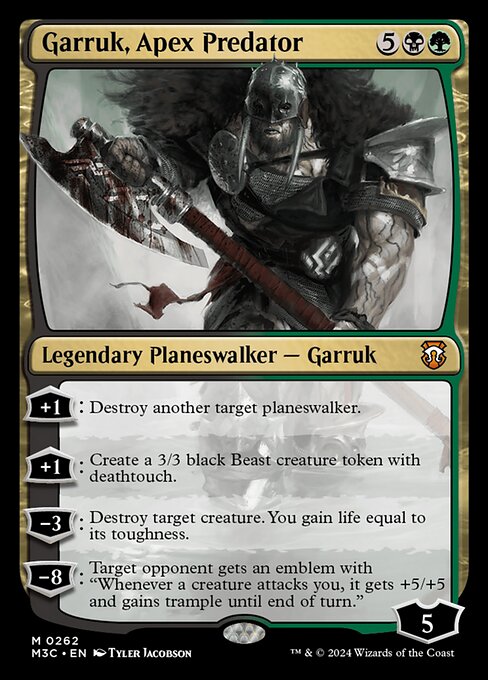 Garruk, Apex Predator
 Legendary Planeswalker — Garruk
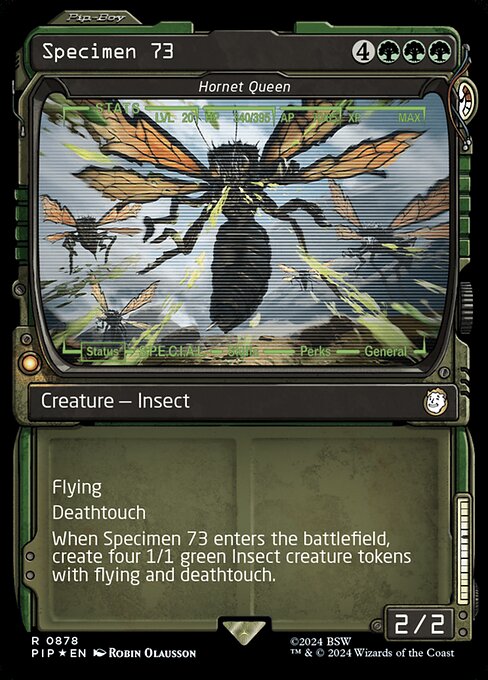 Hornet QueenCreature — Insect
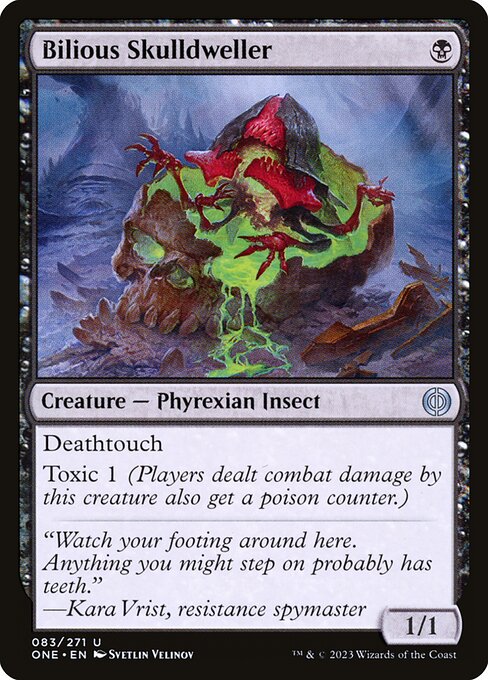 Bilious SkulldwellerCreature — Phyrexian Insect
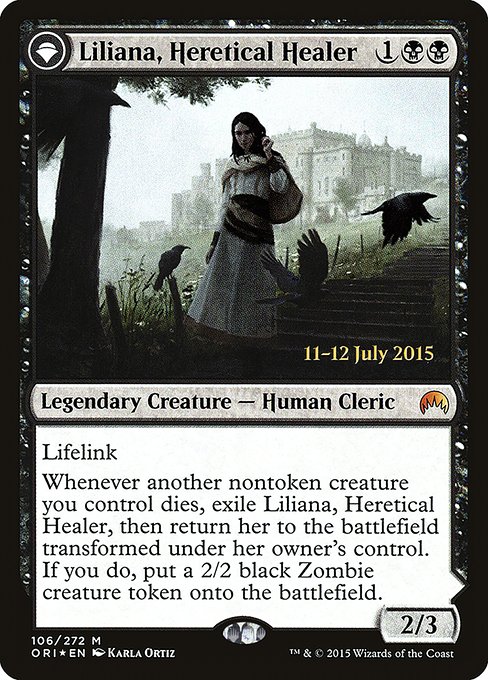 Liliana, Heretical Healer // Liliana, Defiant NecromancerLegendary Creature — Human Cleric // Legendary Planeswalker — Liliana
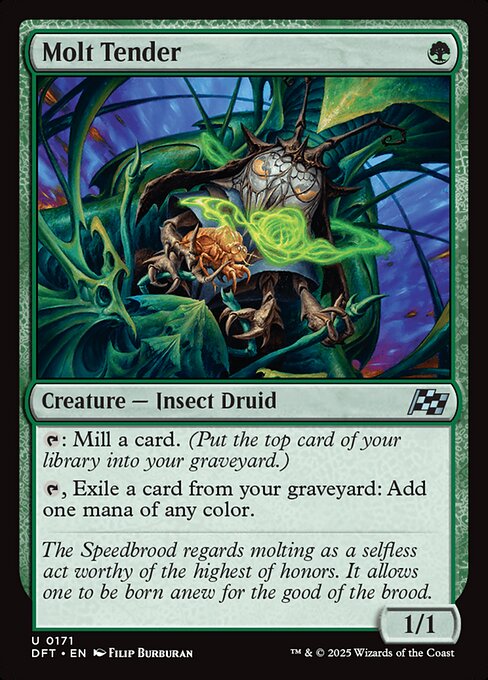 Molt TenderCreature — Insect Druid
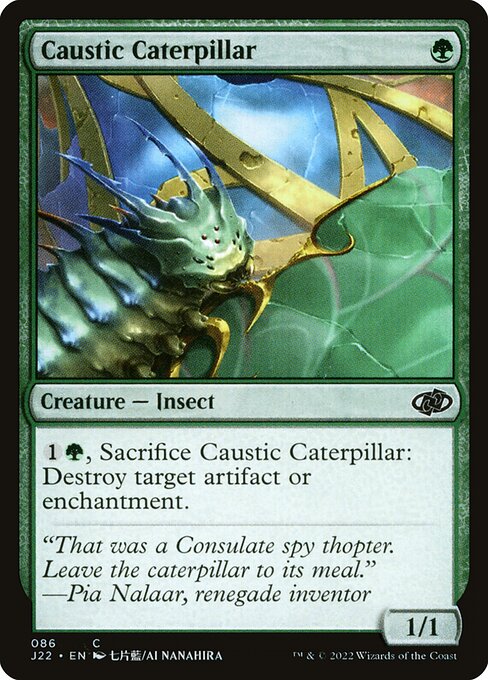 Caustic CaterpillarCreature — Insect
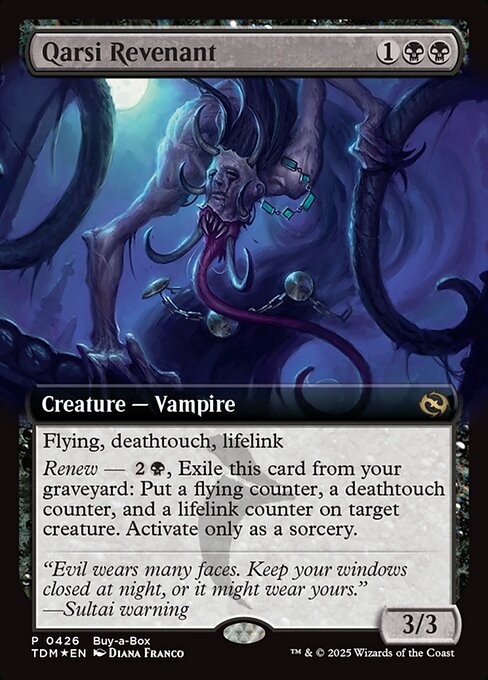 Qarsi RevenantCreature — Vampire
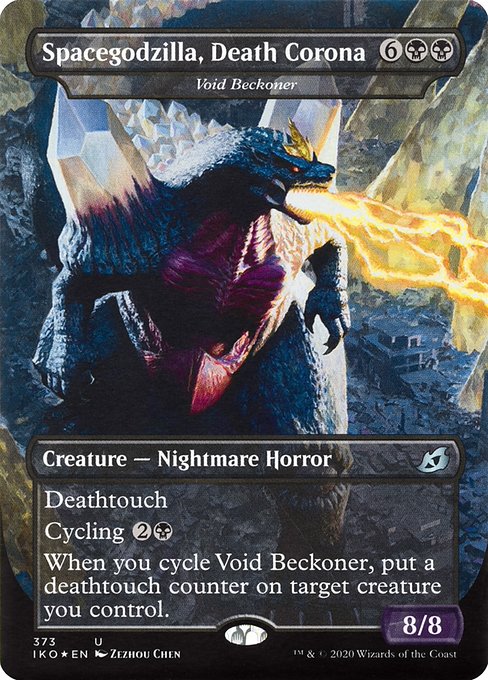 Void Beckoner
 Creature — Nightmare Horror
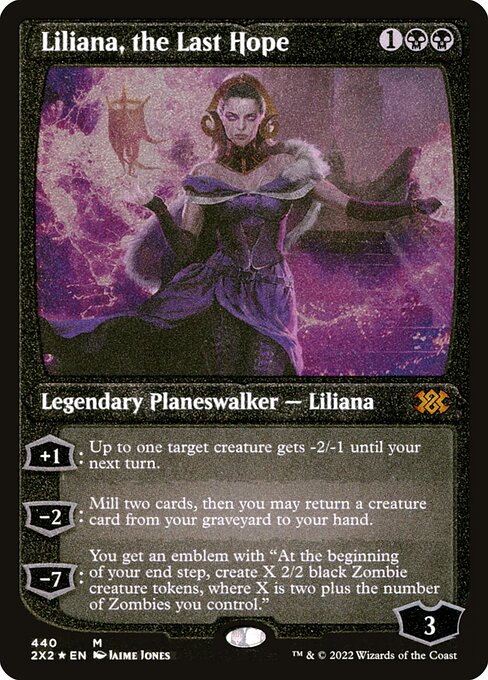 Liliana, the Last HopeLegendary Planeswalker — Liliana
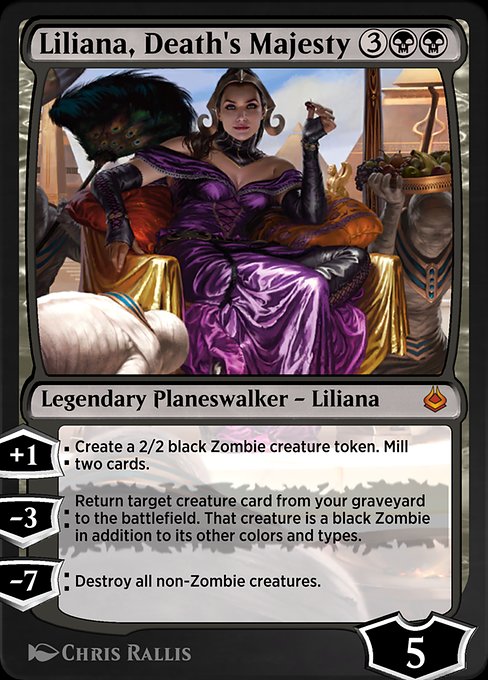 Liliana, Death's MajestyLegendary Planeswalker — Liliana
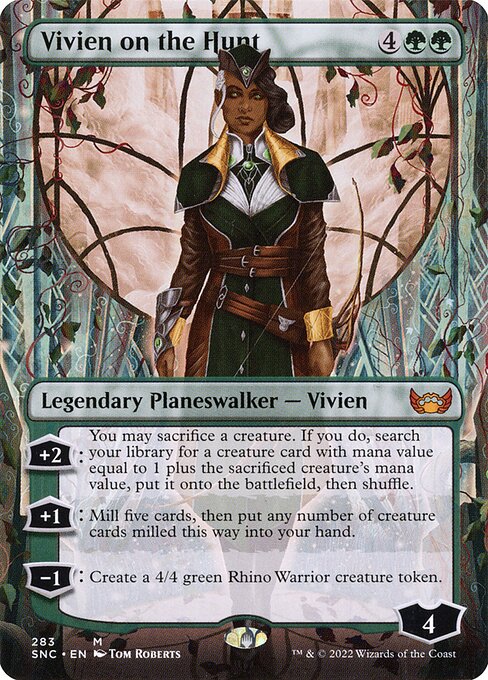 Vivien on the HuntLegendary Planeswalker — Vivien
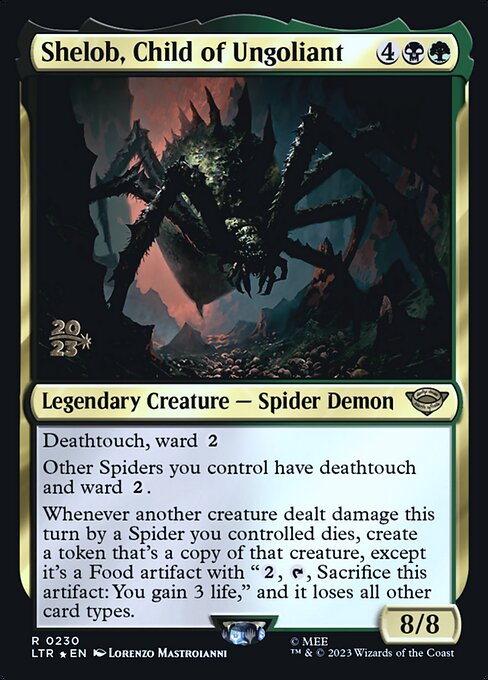 Shelob, Child of UngoliantLegendary Creature — Spider Demon
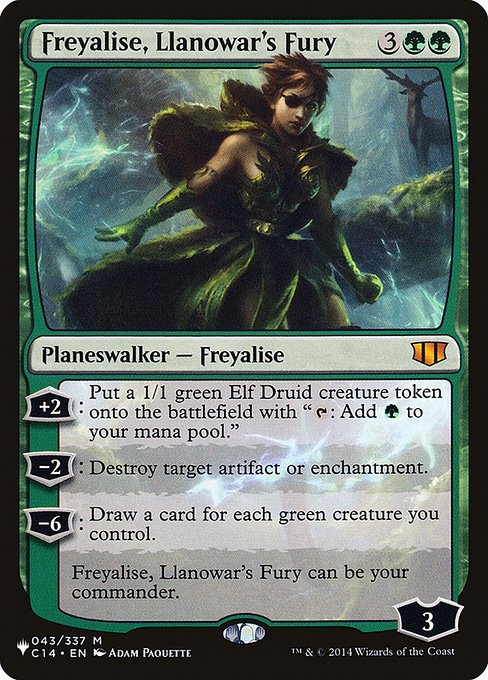 Freyalise, Llanowar's FuryLegendary Planeswalker — Freyalise
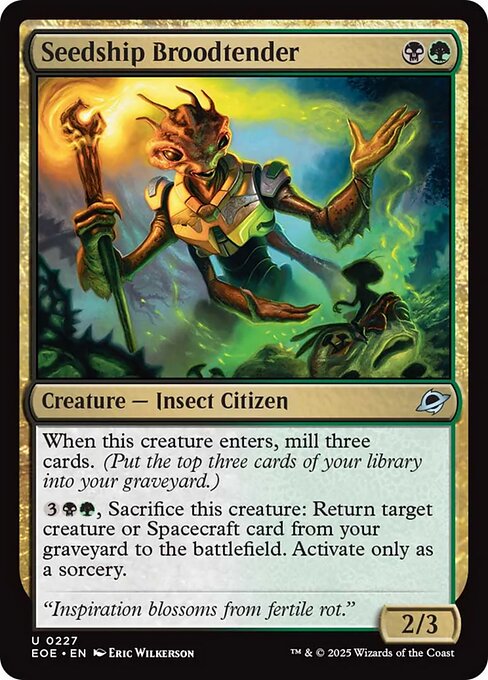 Seedship BroodtenderCreature — Insect Citizen
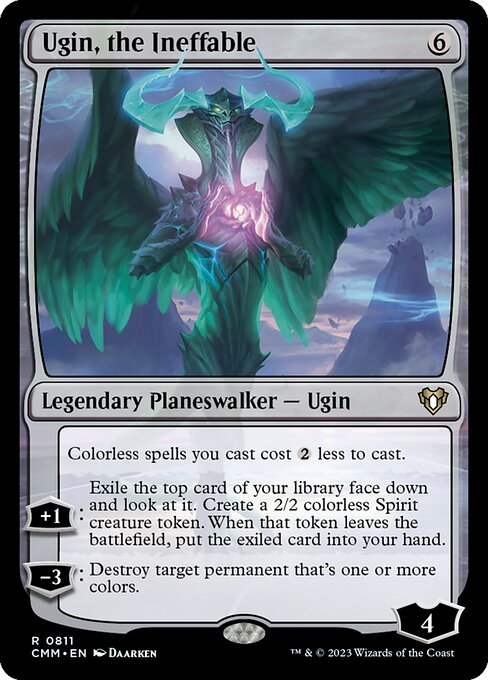 Ugin, the IneffableLegendary Planeswalker — Ugin
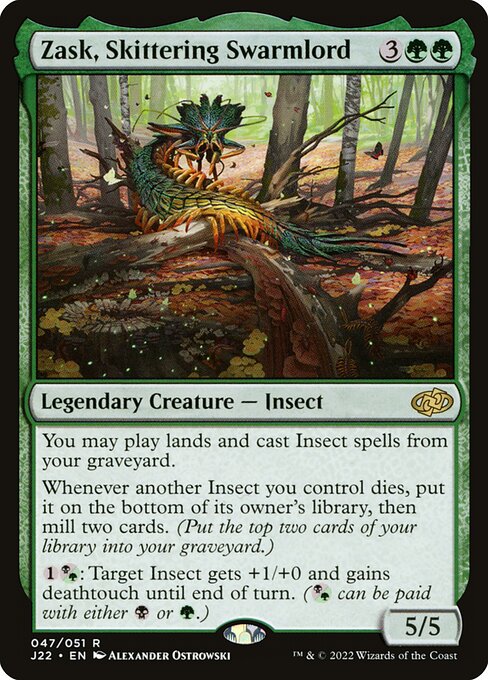 Zask, Skittering SwarmlordLegendary Creature — Insect
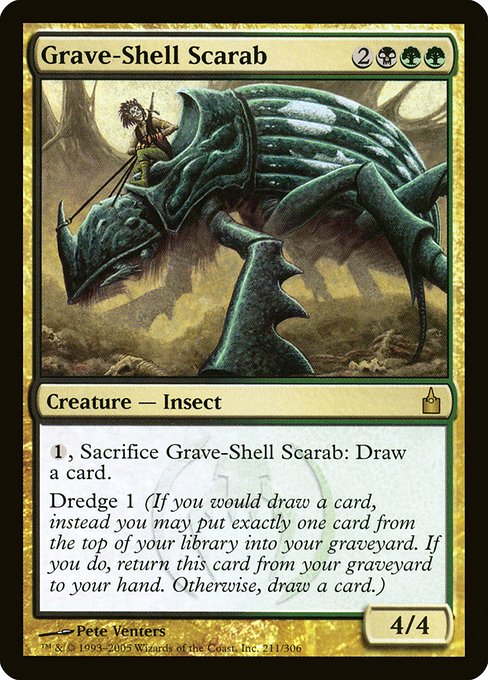 Grave-Shell ScarabCreature — Insect