
Jace, Vryn's Prodigy // Jace, Telepath Unbound
Jace, Vryn's Prodigy

 Legendary Creature — Human WizardPower and toughness0/2
Card text
 : Draw a card, then discard a card. If there are five or more cards in your graveyard, exile Jace, then return him to the battlefield transformed under his owner's control.
"People's thoughts just come to me. Sometimes I don't know if it's them or me thinking."
Jace, Telepath Unbound
Legendary Planeswalker — JaceLoyalty5
Card text
: Up to one target creature gets -2/-0 until your next turn.
: You may cast target instant or sorcery card from your graveyard this turn. If that spell would be put into your graveyard, exile it instead.
: You get an emblem with "Whenever you cast a spell, target opponent mills five cards."
Showing Magic Origins#60
Price
7.53 $
Foil 14.90 $
16 printings
Daily estimate from Scryfall, not a shop quote.
Jace, Vryn's Prodigy // Jace, Telepath Unbound rulings
You can control two of this permanent, one front-face up and the other back-face up, at the same time.
If you discard a card with madness while resolving the ability of Jace, Vryn's Prodigy, you'll need to already have five other cards in your graveyard to satisfy that ability's condition. You can't choose to put the card directly into your graveyard to satisfy it.
The back face of a double-faced card doesn't have a mana cost. A double-faced permanent with its back face up has a mana value equal to the mana value of its front face. Each back face has a color indicator that defines its color.
A double-faced card enters the battlefield with its front face up by default, unless a spell or ability instructs you to put it onto the battlefield transformed, in which case it enters with its back face up.
The activated ability of Jace, Vryn's Prodigy checks to see if there are five or more cards in your graveyard after you discard a card. Putting a fifth card into your graveyard at other times won't cause Jace to be exiled, nor will Jace entering the battlefield while there are five or more cards in your graveyard.
Each face of a double-faced card has its own set of characteristics: name, types, subtypes, power and toughness, loyalty, abilities, and so on. While a double-faced card is on the battlefield, consider only the characteristics of the face that's currently up. The other set of characteristics is ignored. While a double-faced card isn't on the battlefield, consider only the characteristics of its front face.
In some rare cases, a spell or ability may cause one of these five cards to transform while it's a creature (front face up) on the battlefield. If this happens, the resulting planeswalker won't have any loyalty counters on it and will subsequently be put into its owner's graveyard.
You can activate one of the planeswalker's loyalty abilities the turn it enters the battlefield. However, you may do so only during one of your main phases when the stack is empty. For example, if the planeswalker enters the battlefield during combat, there will be an opportunity for your opponent to remove it before you can activate one of its abilities.
If a double-faced card is manifested, it will be put onto the battlefield face down (this is also true if it's put onto the battlefield face down some other way). Note that "face down" is not synonymous with "with its back face up." A manifested double-faced card is a 2/2 creature with no name, mana cost, creature types, or abilities. While face down, it can't transform. If the front face of a manifested double-faced card is a creature card, you can turn it face up by paying its mana cost. If you do, its front face will be up. A double-faced card on the battlefield can't be turned face down.
If you activate the second ability of Jace, Telepath Unbound, you must follow the timing rules for the card's types. For example, if you target a sorcery card, you may cast it during your main phase when the stack is empty. You pay all the spell's costs.
If you don't cast the card that turn, nothing happens. It remains in your graveyard.
A Magic Origins planeswalker that enters the battlefield because of the ability of its front face will enter with loyalty counters as normal.
The card is exiled only if it's cast from the graveyard and put back into the graveyard (either by resolving or being countered). If, at any time, the card goes to a hidden zone (such as your hand or your library), the effect loses track of the card. It won't be exiled, even if that card is put into your graveyard later that turn.
The mana value of a double-faced card not on the battlefield is the mana value of its front face.
The back face of a double-faced card (in the case of Magic Origins, the planeswalker face) can't be cast.
Jace, Vryn's Prodigy // Jace, Telepath Unbound keyword rules
Transform Rule 701.28
To transform a permanent, turn it over so that its other face is up. Only transforming tokens and permanents represented by transforming double-faced cards can transform. (See rule , “Double-Faced Cards.”)
Although transforming a permanent uses the same physical action as turning a permanent face up or face down, they are different game actions. Abilities that trigger when a permanent is turned face down won’t trigger when that permanent transforms, and so on.
If a spell or ability instructs a player to transform a permanent that isn’t represented by a transforming token or a transforming double-faced card, nothing happens.
If a spell or ability instructs a player to transform a permanent, and the face that permanent would transform into is represented by an instant or sorcery card face, or is a transforming token that was created with an instant or sorcery face, nothing happens.
Some triggered abilities trigger when an object “transforms into” an object with a specified characteristic. Such an ability triggers if the object either transforms or converts (see rule ) and has the specified characteristic immediately after it does so.
If an activated or triggered ability of a permanent that isn’t a delayed triggered ability of that permanent tries to transform it, the permanent does so only if it hasn’t transformed or converted since the ability was put onto the stack. If a delayed triggered ability of a permanent tries to transform that permanent, the permanent does so only if it hasn’t transformed or converted since that delayed triggered ability was created. In both cases, if the permanent has already transformed or converted, an instruction to do either is ignored.
Some spells and abilities refer to a “transformed permanent.” This phrase refers to a permanent on the battlefield with its back face up that’s also a transforming double-faced card or a transforming token. A permanent with its front face up is never considered a transformed permanent, even if it had its back face up previously.
Mill Rule 701.13
For a player to mill a number of cards, that player puts that many cards from the top of their library into their graveyard.
A player can’t mill a number of cards greater than the number of cards in their library. If given the choice to do so, they can’t choose to take that action. If instructed to do so, they mill as many as possible. Similarly, the player can’t pay a cost that includes milling a number of cards greater than the number of cards in their library.
An effect that refers to a milled card can find that card in the zone it moved to from the library, as long as that zone is a public zone.
If an ability checks information about a single milled card but more than one card was milled, that ability refers to each of the milled cards. If that ability asks for any information about the milled card, such as a characteristic or mana value, it gets multiple answers. If these answers are used to determine the value of a variable, the sum of the answers is used. If that ability performs any actions on “the” card, it performs that action on each milled card. If that ability performs any actions on “a” card, the controller of the ability chooses which card is affected.
Jace, Vryn's Prodigy // Jace, Telepath Unbound format legality
Constructed
- StandardNot legal
- PioneerLegal
- ModernLegal
- Future StandardNot legal
Eternal
- LegacyLegal
- VintageLegal
- PauperNot legal
- PremodernNot legal
- Old SchoolNot legal
- Penny DreadfulNot legal
Commander
- CommanderLegal
- OathbreakerLegal
- Pauper CommanderNot legal
- Duel CommanderLegal
- PreDHNot legal
Arena & online
- HistoricLegal
- TimelessLegal
- AlchemyNot legal
- GladiatorLegal
- BrawlLegal
- Standard BrawlNot legal
- Competitive BrawlLegal
Other
- TLRLegal
All printings of Jace, Vryn's Prodigy // Jace, Telepath Unbound 16
Cards similar to Jace, Vryn's Prodigy // Jace, Telepath Unbound
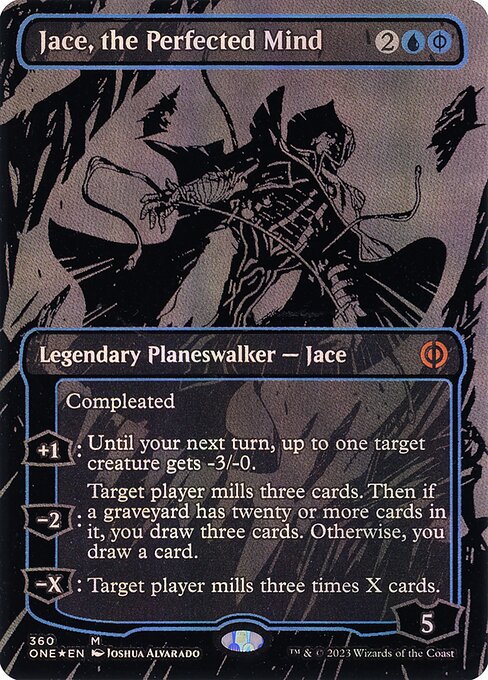 Jace, the Perfected Mind
 Legendary Planeswalker — Jace
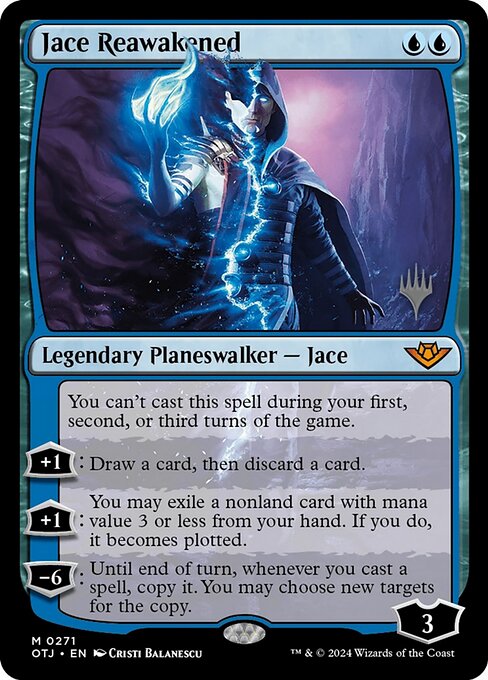 Jace ReawakenedLegendary Planeswalker — Jace
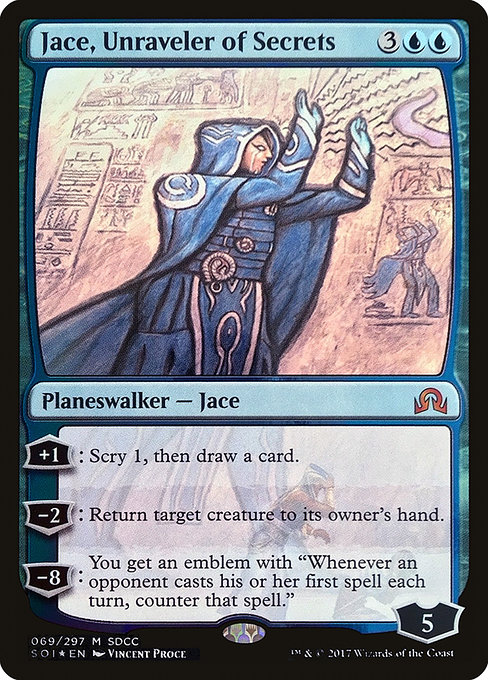 Jace, Unraveler of Secrets
 Legendary Planeswalker — Jace
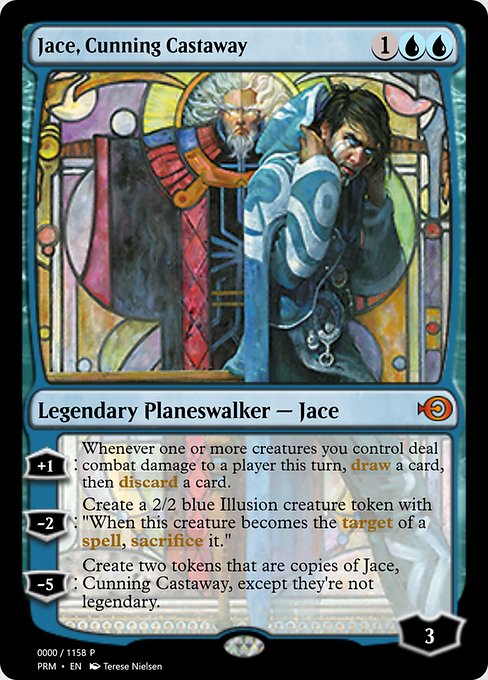 Jace, Cunning CastawayLegendary Planeswalker — Jace
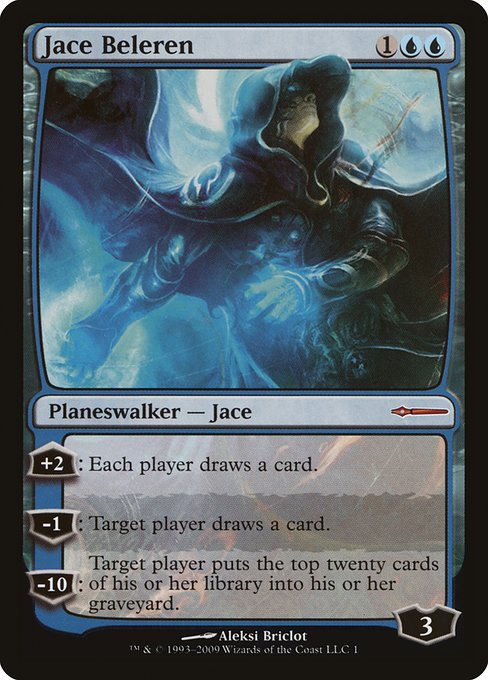 Jace BelerenLegendary Planeswalker — Jace
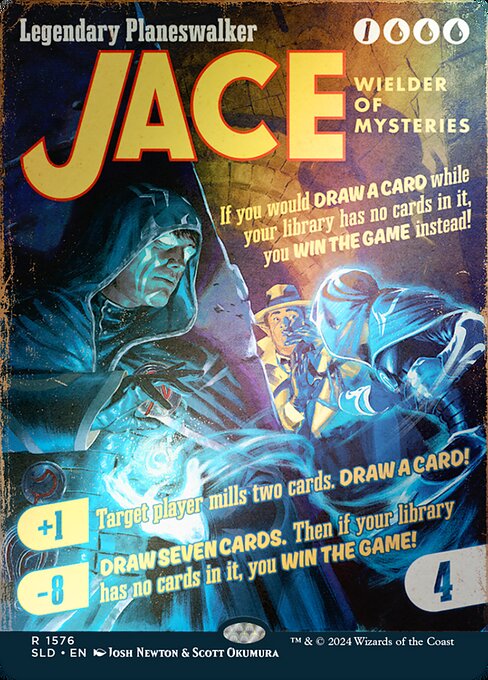 Jace, Wielder of MysteriesLegendary Planeswalker — Jace
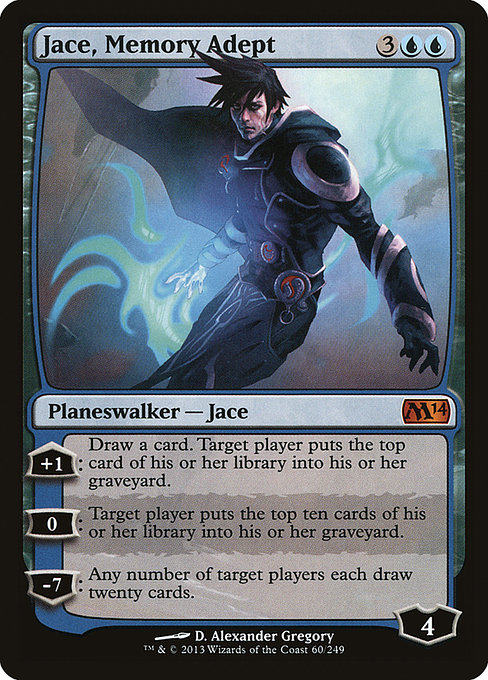 Jace, Memory AdeptLegendary Planeswalker — Jace
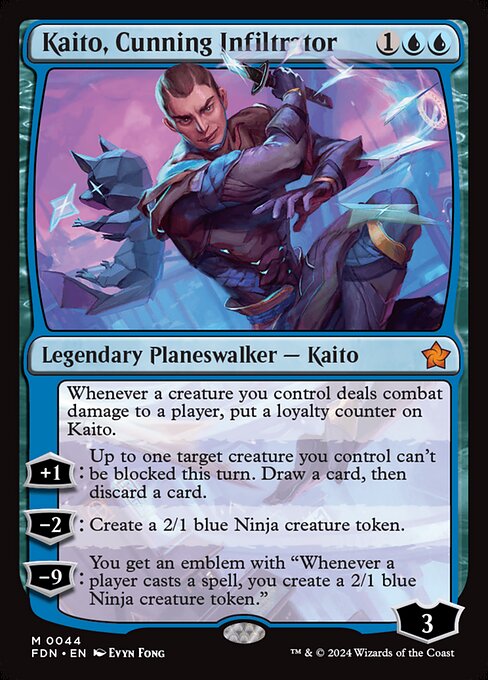 Kaito, Cunning InfiltratorLegendary Planeswalker — Kaito
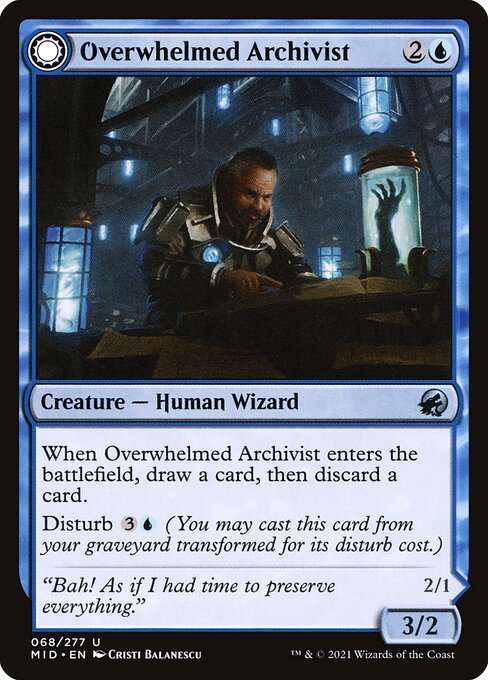 Overwhelmed Archivist // Archive HauntCreature — Human Wizard // Creature — Spirit Wizard
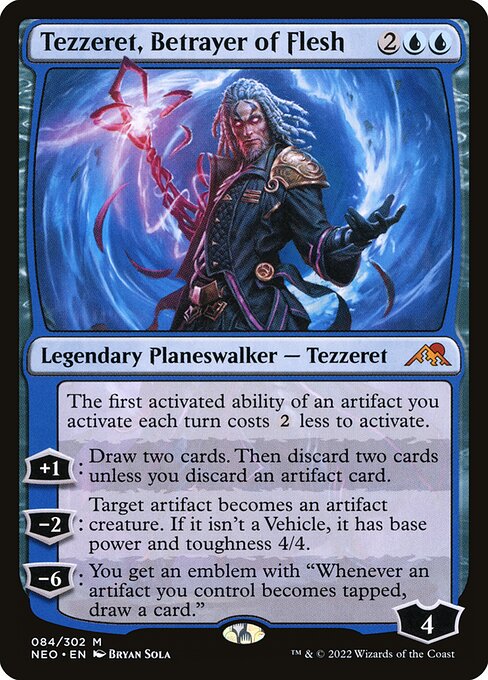 Tezzeret, Betrayer of FleshLegendary Planeswalker — Tezzeret
Show 20 more similar cards
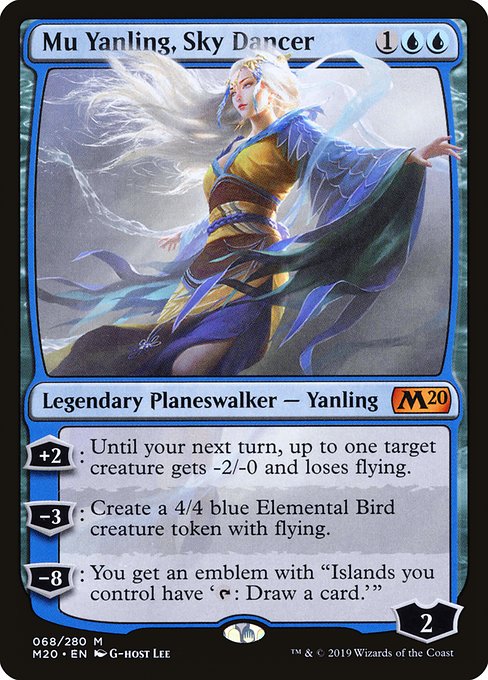 Mu Yanling, Sky DancerLegendary Planeswalker — Yanling
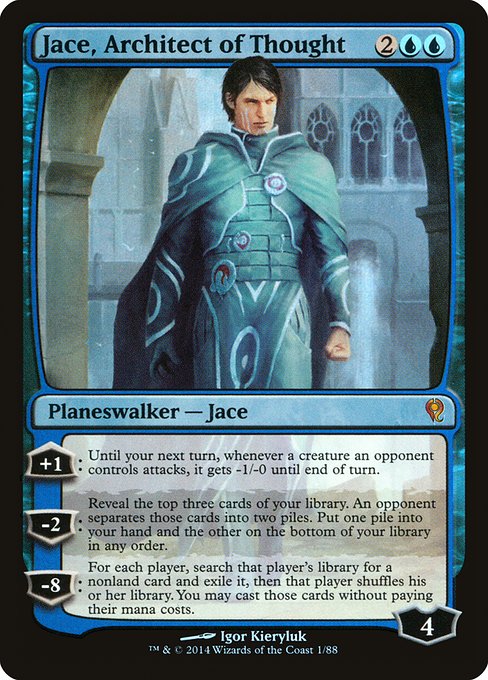 Jace, Architect of ThoughtLegendary Planeswalker — Jace
 Jace, Reality SculptorLegendary Planeswalker — Jace
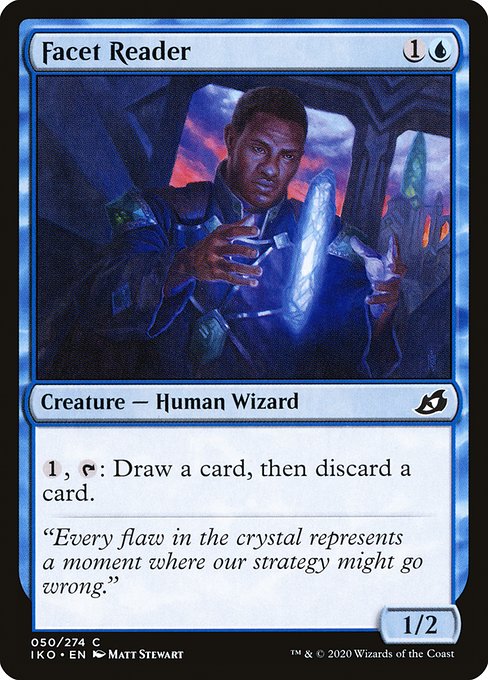 Facet ReaderCreature — Human Wizard
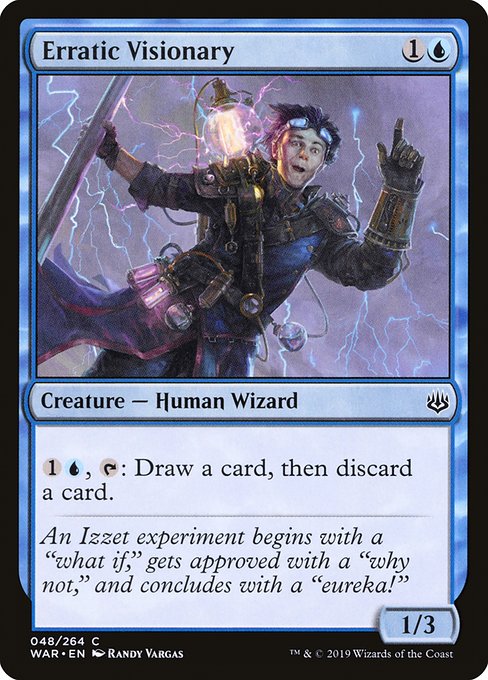 Erratic VisionaryCreature — Human Wizard
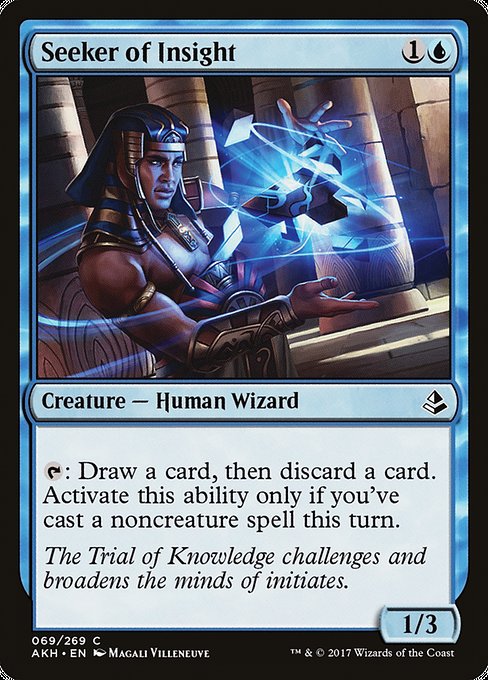 Seeker of InsightCreature — Human Wizard
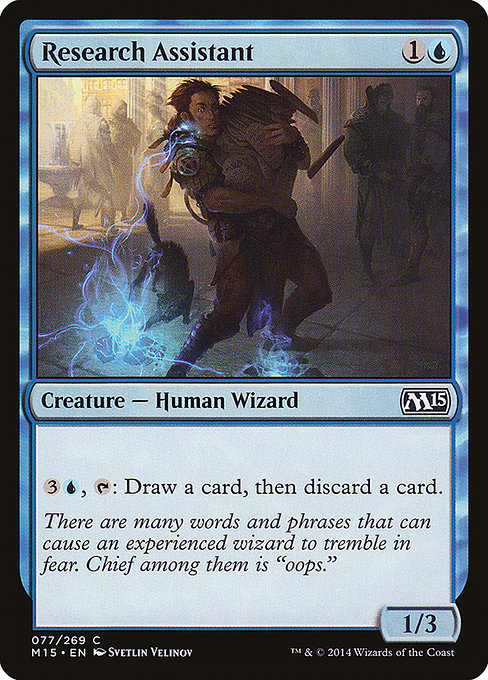 Research AssistantCreature — Human Wizard
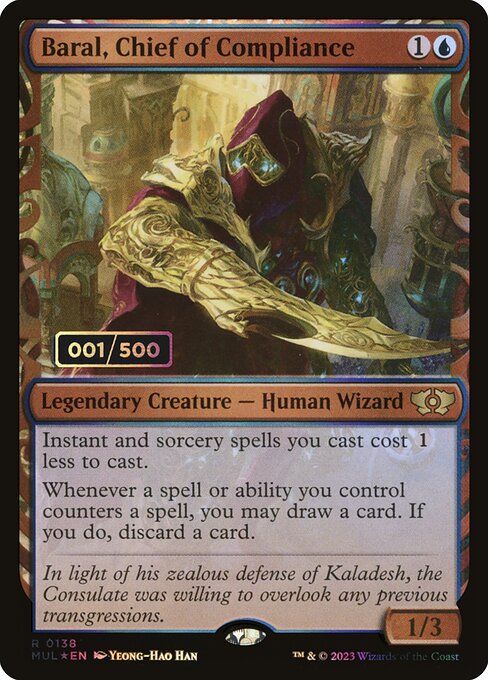 Baral, Chief of ComplianceLegendary Creature — Human Wizard
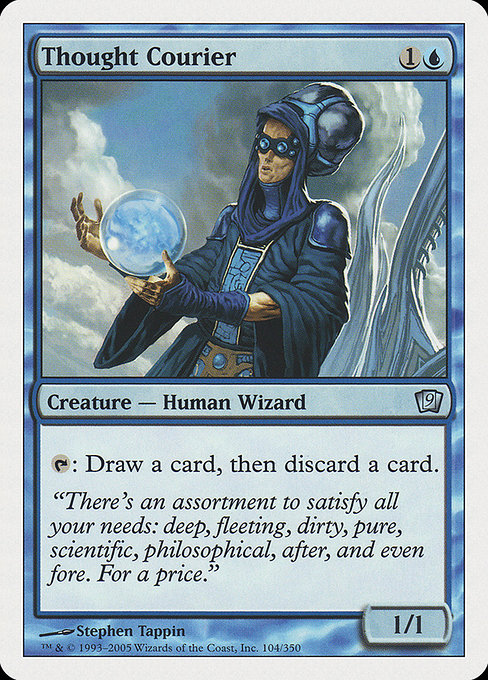 Thought CourierCreature — Human Wizard
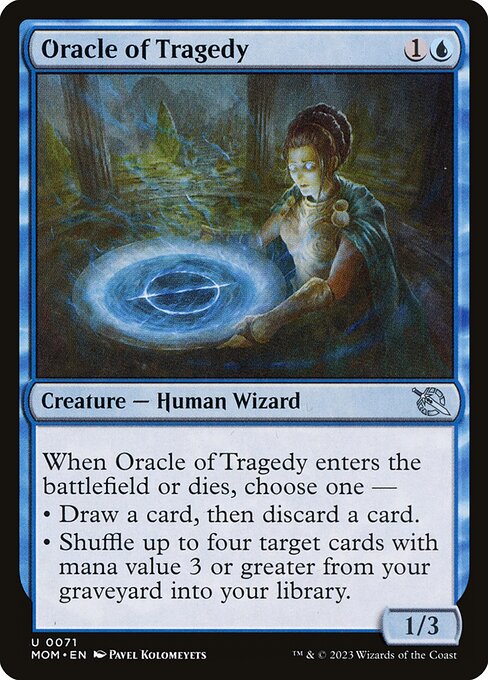 Oracle of TragedyCreature — Human Wizard
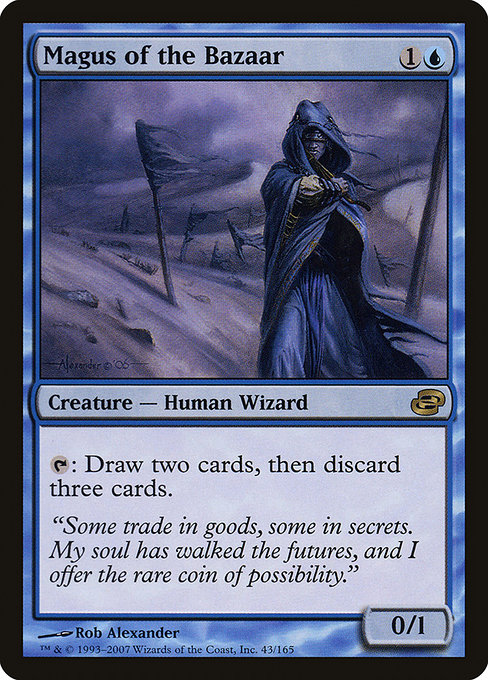 Magus of the BazaarCreature — Human Wizard
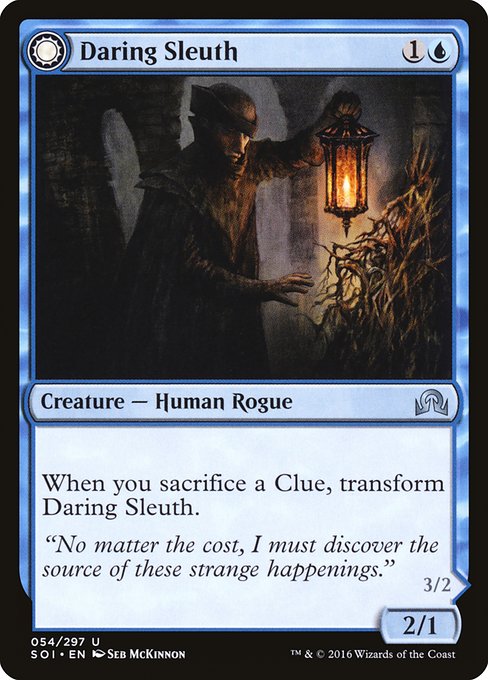 Daring Sleuth // Bearer of Overwhelming TruthsCreature — Human Rogue // Creature — Human Wizard
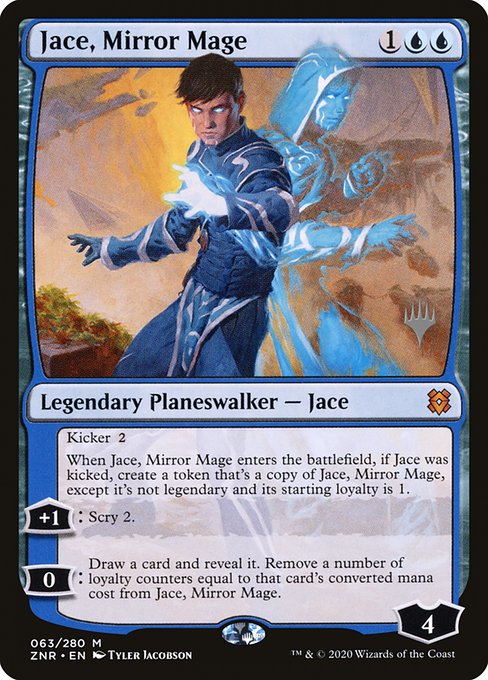 Jace, Mirror MageLegendary Planeswalker — Jace
 The Theorist, Jace BelerenLegendary Planeswalker — Jace
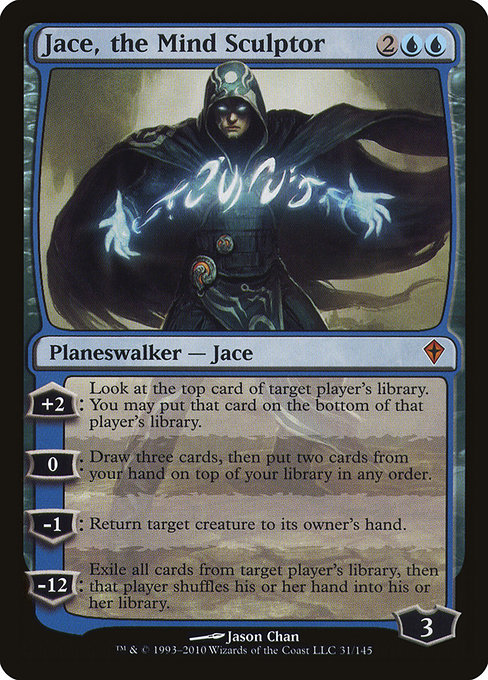 Jace, the Mind SculptorLegendary Planeswalker — Jace
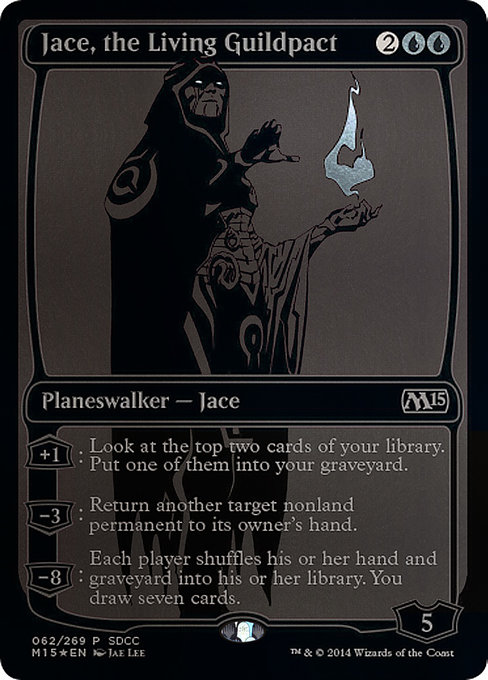 Jace, the Living GuildpactLegendary Planeswalker — Jace
 JaceToken Planeswalker — Jace
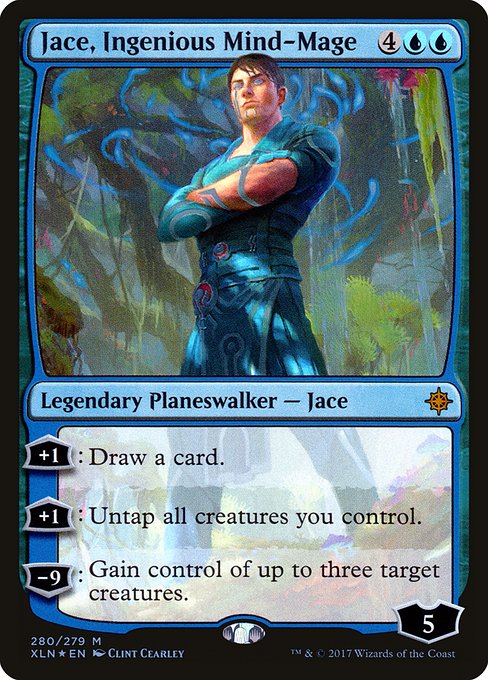 Jace, Ingenious Mind-Mage
 Legendary Planeswalker — Jace
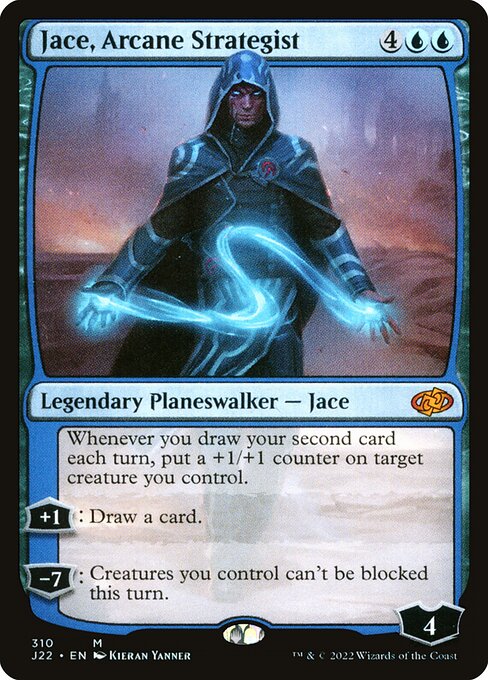 Jace, Arcane StrategistLegendary Planeswalker — Jace
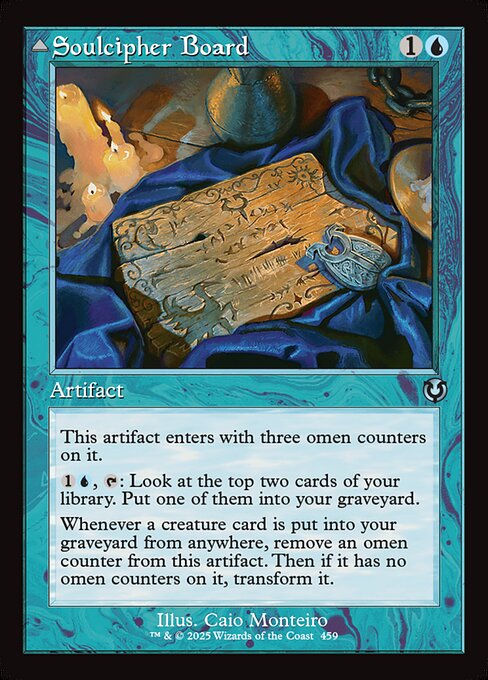 Soulcipher Board // Cipherbound SpiritArtifact // Creature — Spirit