
Ragnarok, Divine Deliverance
Legendary Creature — Beast AvatarPower and toughness7/6
Card text
Reach, vigilance, menace, trample, haste
When Ragnarok dies, destroy target permanent and return target nonlegendary permanent card from your graveyard to the battlefield.
When prayers turn to promises, not even fate can stand in their way.
Showing Final Fantasy#99b
Price
No price yet for this printing.
20 printings
Daily estimate from Scryfall, not a shop quote.
Ragnarok, Divine Deliverance rulings
The mana value of a nonmodal double-faced card is the mana value of its front face, no matter which face is up.
A nonmodal double-faced card enters with its front face up by default, unless a spell or ability instructs you to put it onto the battlefield transformed or allows you to cast it transformed, in which case it enters with its back face up.
In the Commander variant, a double-faced card's color identity is determined by the mana costs and mana symbols in the rules text of both faces combined. If either face has a color indicator or basic land type, those are also considered. For example, Cecil, Dark Knight's color identity is black and white, since its front face is black and its back face has a white color indicator.
Note that the permanent represented by the combined back faces is colorless unless it has a color indicator.
A token that is created as a copy of a double-faced permanent or a double-faced card in another zone is a double-faced token. It will have both the front face and back face of whatever object it's copying. If it's copying a double-faced permanent whose back face is up, the token will enter with its back face up. It can transform if instructed to do so.
If an effect moves a melded permanent to a new zone and then affects "that card," it affects both cards.
If you are instructed to put a card that isn't a double-faced card onto the battlefield transformed, it will not enter at all. In that case, it stays in the zone it was previously in. For example, if a single-faced card is a copy of Crystal Fragments, it will be exiled during the resolution of its second ability and remain in exile.
A player prompted to name a card may name the combined back face, and each player has the right to know that combined back face's characteristics at all times.
When two cards (for example, Fang, Fearless l'Cie and Vanille, Cheerful l'Cie) are melded, the result is a single permanent (in this case, Ragnarok, Divine Deliverance) that's represented by two cards. If the melded permanent goes to your graveyard from the battlefield, both cards are put into your graveyard. As the melded permanent leaves the battlefield, both of those cards are turned face up again. If the cards are put on the top or bottom of a library, their owner chooses their relative order.
In the Commander variant, a meld card's color identity is determined only by the mana costs and mana symbols in the rules text of its front face. No symbols or rules text of the permanent it melds into are considered.
Each face of a nonmodal double-faced card has its own set of characteristics: name, types, subtypes, abilities, and so on. While a nonmodal double-faced permanent is on the battlefield, consider only the characteristics of the face that's currently up. The other set of characteristics is ignored.
When two cards are exiled and melded, they each leave the battlefield, then return together as one new untapped object with no relation to either of the objects that left the battlefield. Counters, Auras, Equipment, and other effects that affected those two cards don't affect the melded permanent.
Each nonmodal double-faced card in this release is cast face up. In every zone other than the battlefield, consider only the characteristics of its front face. If it is on the battlefield, consider only the characteristics of the face that's up; the other face's characteristics are ignored.
Only two cards belonging to the same meld pair can be melded. Tokens, cards that aren't meld cards, or meld cards that don't form a meld pair can't be melded. If an effect instructs a player to meld cards that can't be melded, those cards remain in exile.
One card in each pair of meld cards has an ability that instructs you to exile the two cards and meld them. If you control more than one object with the specified name, you select one object with that name to exile.
The back face of a nonmodal double-faced card usually has a color indicator that defines its color.
While a melded permanent is on the battlefield, it has only the characteristics of its combined back face. Any effects that modify how the new object enters the battlefield will consider only the combined back face.
While a meld card is in any zone other than the battlefield, it has only the characteristics of its front face. The same is true while it's on the battlefield with its front face up.
The mana value of a melded permanent is the sum of the mana values of its front faces. A permanent that becomes a copy of a melded permanent has only the characteristics of that combined back face, and its mana value is 0.
Ragnarok, Divine Deliverance keyword rules
Reach Rule 702.17
Reach is a static ability.
A creature with flying can’t be blocked except by creatures with flying and/or reach. (See rule , “Declare Blockers Step,” and rule , “Flying.”)
Multiple instances of reach on the same creature are redundant.
Vigilance Rule 702.20
Vigilance is a static ability that modifies the rules for the declare attackers step.
Attacking doesn’t cause creatures with vigilance to tap. (See rule , “Declare Attackers Step.”)
Multiple instances of vigilance on the same creature are redundant.
Haste Rule 702.10
Haste is a static ability.
If a creature has haste, it can attack even if it hasn’t been controlled by its controller continuously since their most recent turn began. (See rule .)
If a creature has haste, its controller can activate its activated abilities whose cost includes the tap symbol or the untap symbol even if that creature hasn’t been controlled by that player continuously since their most recent turn began. (See rule .)
Multiple instances of haste on the same creature are redundant.
Trample Rule 702.19
Trample is a static ability that modifies the rules for assigning an attacking creature’s combat damage. The ability has no effect when a creature with trample is blocking or is dealing noncombat damage. (See rule , “Combat Damage Step.”)
The controller of an attacking creature with trample first assigns damage to the creature(s) blocking it. Once all those blocking creatures are assigned lethal damage, any excess damage is assigned as its controller chooses among those blocking creatures and the player, planeswalker, or battle the creature is attacking. When checking for assigned lethal damage, take into account damage already marked on the creature and damage from other creatures that’s being assigned during the same combat damage step, but not any abilities or effects that might change the amount of damage that’s actually dealt. The attacking creature’s controller need not assign lethal damage to all those blocking creatures but in that case can’t assign any damage to the player or planeswalker it’s attacking.
Trample over planeswalkers is a variant of trample that modifies the rules for assigning combat damage to planeswalkers. The controller of a creature with trample over planeswalkers assigns that creature’s combat damage as described in rule , with one exception. If that creature is attacking a planeswalker, after lethal damage is assigned to all blocking creatures and damage at least equal to the loyalty of the planeswalker the creature is attacking is assigned to that planeswalker, further excess damage may be assigned as the attacking creature’s controller chooses among those blocking creatures, that planeswalker, and that planeswalker’s controller. When checking for assigned damage equal to a planeswalker’s loyalty, take into account damage from other creatures that’s being assigned during the same combat damage step, but not any abilities or effects that might change the amount of damage that’s actually dealt.
If an attacking creature with trample or trample over planeswalkers is blocked, but there are no creatures blocking it when damage is assigned, its damage is assigned to the defending player and/or planeswalker as though all blocking creatures have been assigned lethal damage.
If a creature with trample over planeswalkers is attacking a planeswalker and that planeswalker is removed from combat, the creature’s damage may be assigned to the defending player once all blocking creatures have been dealt lethal damage or, if there are no blocking creatures when damage is assigned, all its damage is assigned to the defending player. This is an exception to rule , and it does not cause the creature to be attacking that player.
If a creature without trample over planeswalkers is attacking a planeswalker, none of its combat damage can be assigned to the defending player, even if that planeswalker has been removed from combat or the damage the attacking creature could assign is greater than the planeswalker’s loyalty.
Multiple instances of trample on the same creature are redundant. Multiple instances of trample over planeswalkers on the same creature are redundant.
Menace Rule 702.111
Menace is an evasion ability.
A creature with menace can’t be blocked except by two or more creatures. (See rule , “Declare Blockers Step.”)
Multiple instances of menace on the same creature are redundant.
Ragnarok, Divine Deliverance format legality
Constructed
- StandardLegal
- PioneerLegal
- ModernLegal
- Future StandardLegal
Eternal
- LegacyLegal
- VintageLegal
- PauperNot legal
- PremodernNot legal
- Old SchoolNot legal
- Penny DreadfulNot legal
Commander
- CommanderLegal
- OathbreakerLegal
- Pauper CommanderNot legal
- Duel CommanderLegal
- PreDHNot legal
Arena & online
- HistoricLegal
- TimelessLegal
- AlchemyLegal
- GladiatorLegal
- BrawlLegal
- Standard BrawlLegal
- Competitive BrawlLegal
Other
- TLRNot legal
All printings of Ragnarok, Divine Deliverance 20
Cards similar to Ragnarok, Divine Deliverance
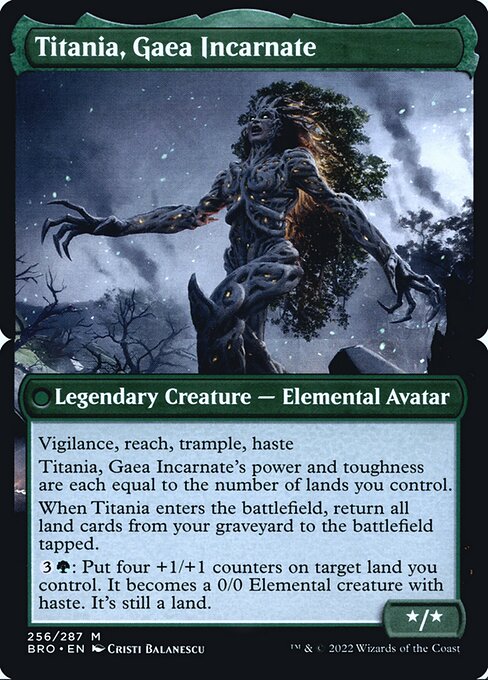 Titania, Gaea IncarnateLegendary Creature — Elemental Avatar
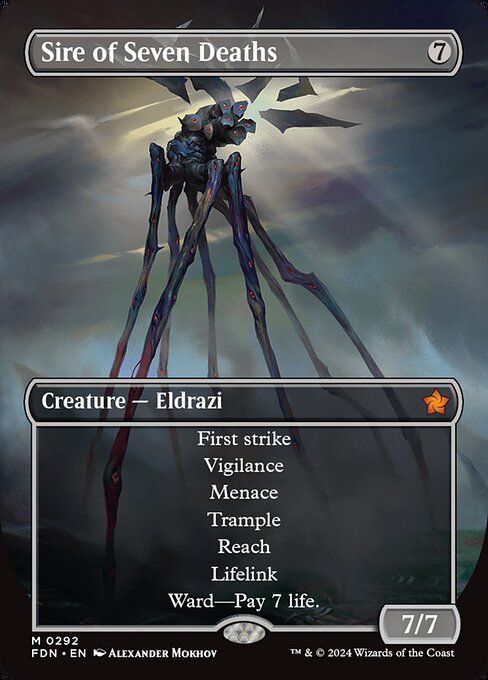 Sire of Seven Deaths
 Creature — Eldrazi
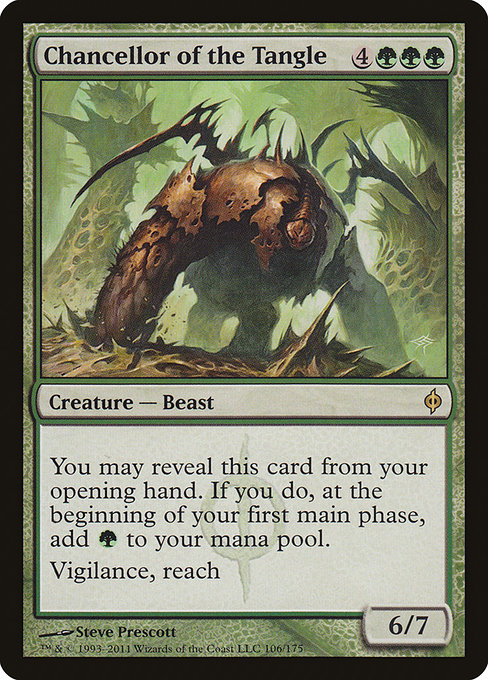 Chancellor of the Tangle
 Creature — Phyrexian Beast
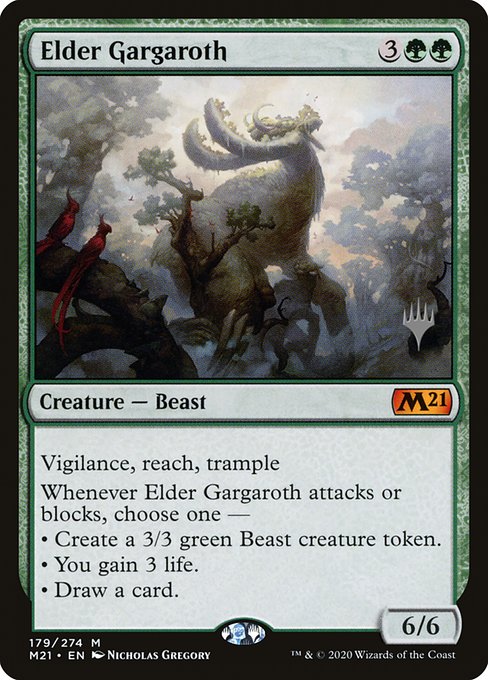 Elder Gargaroth
 Creature — Beast
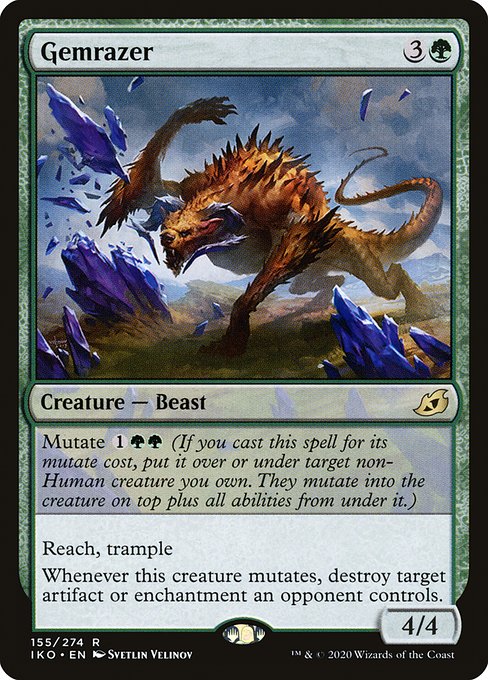 GemrazerCreature — Beast
 Ruric Thar, Magecrusher
 Legendary Creature — Ogre Warrior
 Iron GiantArtifact Creature — Demon
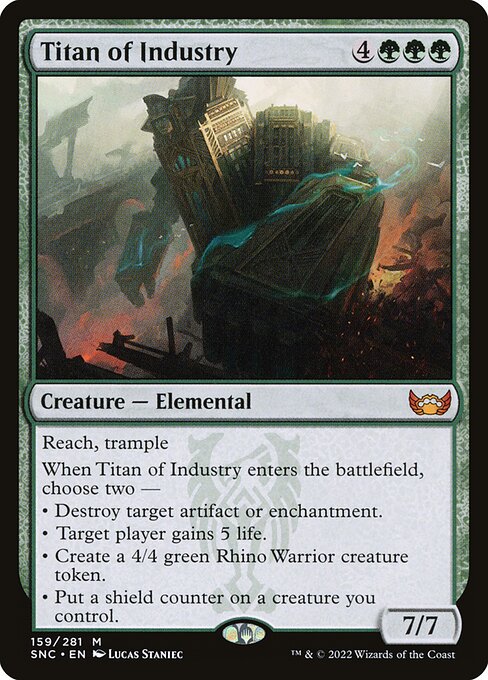 Titan of IndustryCreature — Elemental
 Coliseum BehemothCreature — Beast
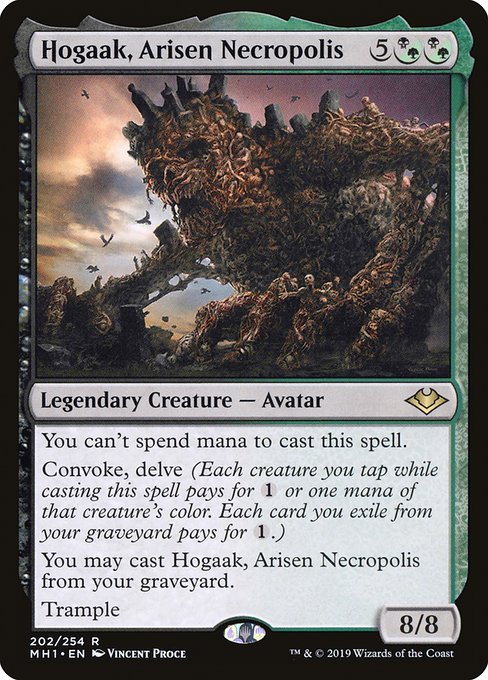 Hogaak, Arisen Necropolis
 Legendary Creature — Avatar
Show 20 more similar cards
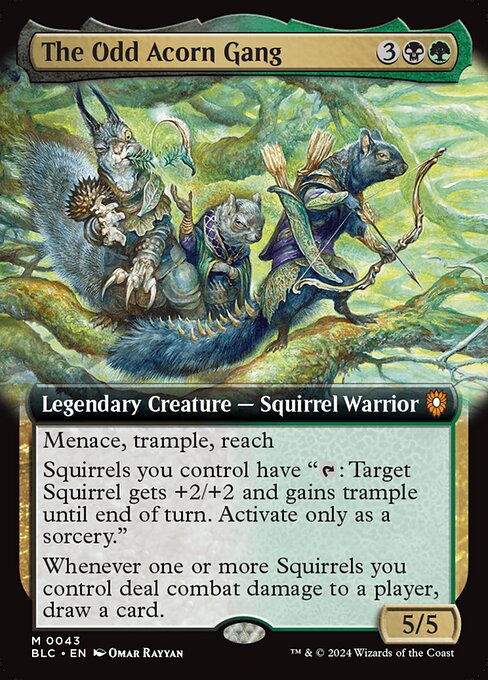 The Odd Acorn Gang
 Legendary Creature — Squirrel Warrior
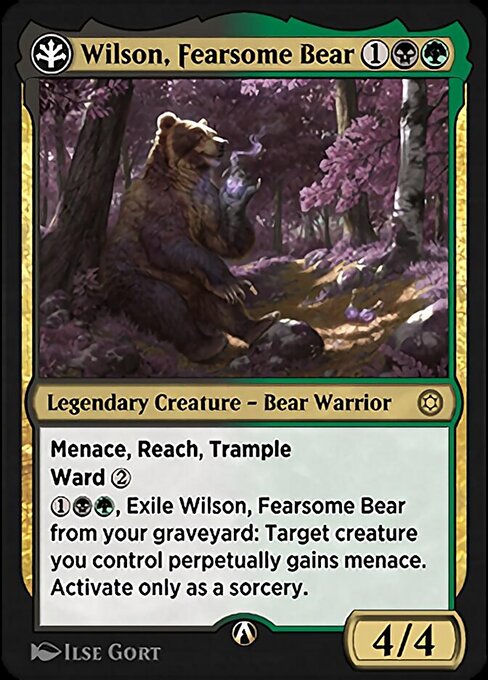 Wilson, Fearsome Bear
 Legendary Creature — Bear Warrior
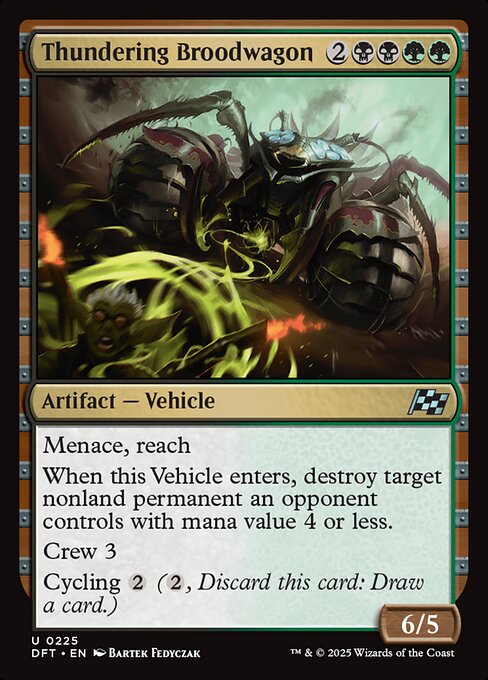 Thundering Broodwagon
 Artifact — Vehicle
 Large BearCreature — Bear
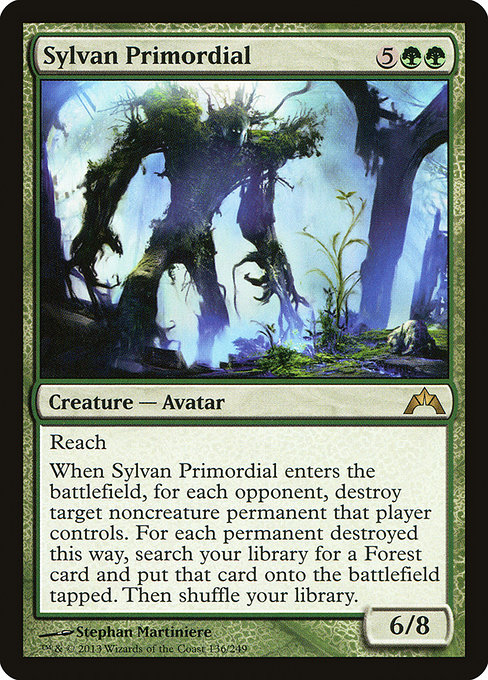 Sylvan PrimordialCreature — Avatar
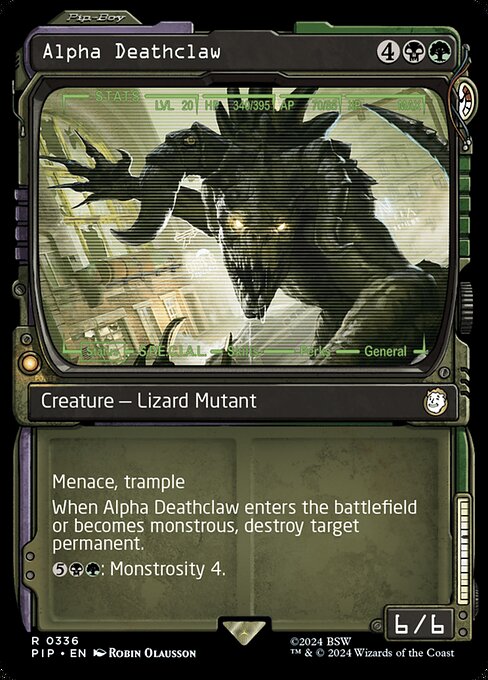 Alpha DeathclawCreature — Lizard Mutant
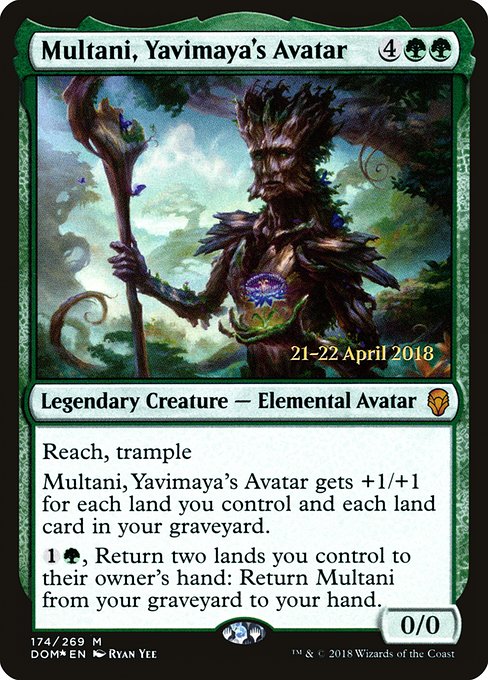 Multani, Yavimaya's AvatarLegendary Creature — Elemental Avatar
 Rancorous ArchaicCreature — Avatar
 Primordial PachydermCreature — Elephant Avatar
 Wildgrowth Archaic
 Creature — Avatar
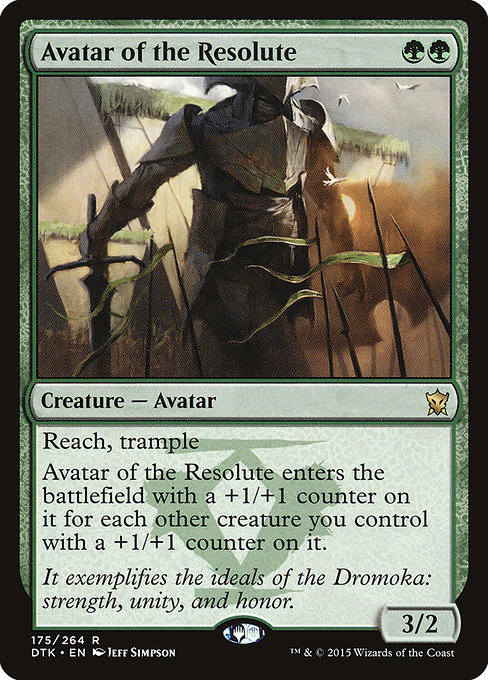 Avatar of the ResoluteCreature — Avatar
 Transcendent ArchaicCreature — Avatar
 West Wind AvatarCreature — Cat Spirit Avatar
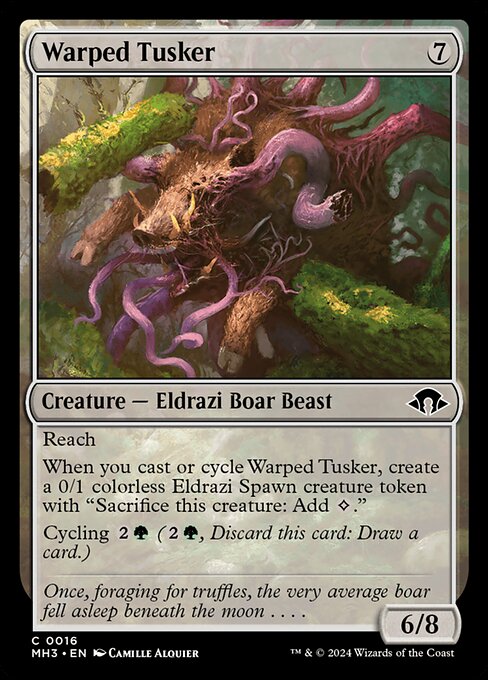 Warped TuskerCreature — Eldrazi Boar Beast
 MugatoCreature — Ape Beast
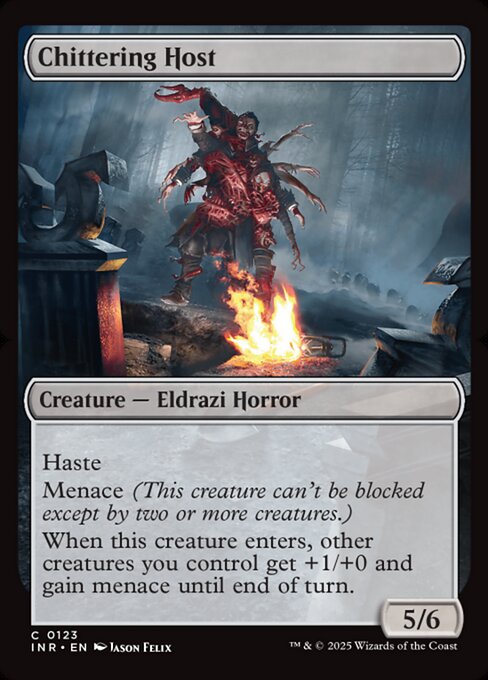 Chittering HostCreature — Eldrazi Horror
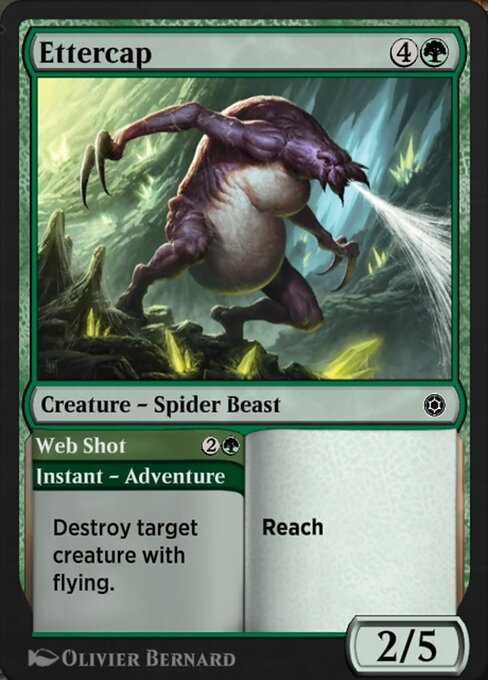 Ettercap // Web Shot // Creature — Spider Beast // Instant — Adventure
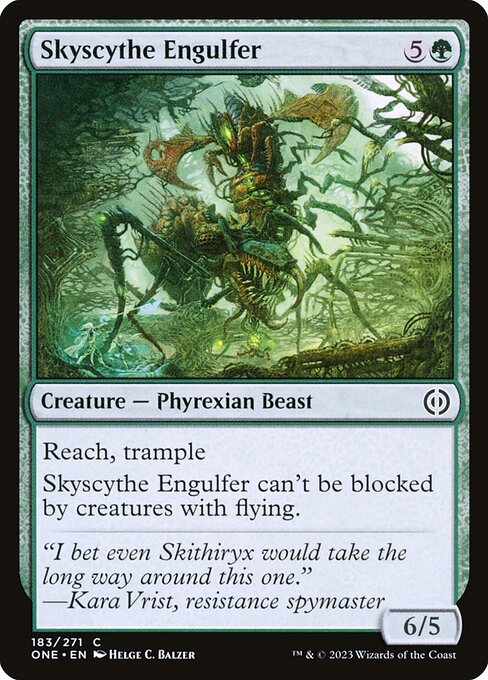 Skyscythe EngulferCreature — Phyrexian Beast
 Hit-MonkeyLegendary Creature — Monkey Assassin
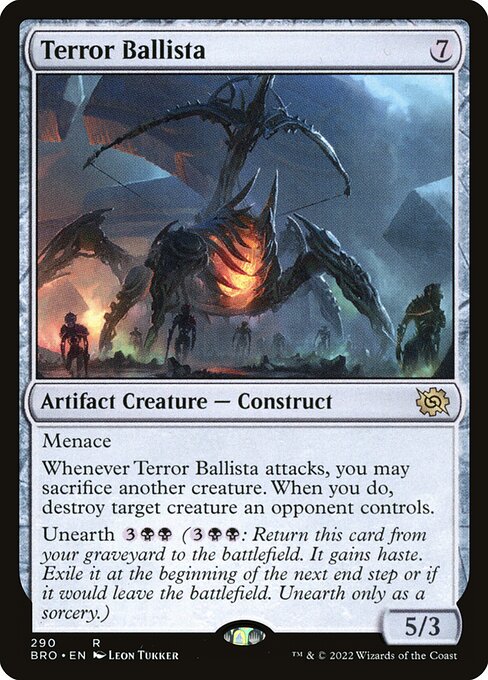 Terror BallistaArtifact Creature — Construct