
Ursine Monstrosity

 Creature — Bear MutantPower and toughness3/3
Card text
Trample
At the beginning of combat on your turn, mill a card and choose an opponent at random. This creature attacks that player this combat if able. Until end of turn, this creature gains indestructible and gets +1/+1 for each card type among cards in your graveyard.
Showing Duskmourn: House of Horror Commander#36
Price
0.40 $
10 printings · up to 0.70 $
Daily estimate from Scryfall, not a shop quote.
Ursine Monstrosity rulings
If you can't mill a card, you'll still follow the rest of the instructions of Ursine Monstrosity's last ability.
Ursine Monstrosity must attack the chosen player if able, not a planeswalker they control or a battle they protect.
If, during your declare attackers step, Ursine Monstrosity is tapped, is affected by a spell or ability that says it can't attack, or hasn't been under your control continuously since your turn began (and doesn't have haste), then it doesn't attack. If there's a cost associated with having Ursine Monstrosity attack the chosen player, you aren't forced to pay that cost, so it doesn't have to attack that player in that case either.
If Ursine Monstrosity isn't forced to attack the chosen player for one of the above reasons but can still attack, you may choose to have it attack another player, a planeswalker, a battle, or nothing at all.
If your turn has multiple combat phases, Ursine Monstrosity's last ability triggers at the beginning of each of them. Ignore any choices made for its last ability during previous combat phases.
The card types in Magic include artifact, battle, creature, enchantment, instant, kindred, land, planeswalker, and sorcery. Legendary, basic, and snow are supertypes, not card types; Horror and Room are subtypes, not card types.
Ursine Monstrosity keyword rules
Trample Rule 702.19
Trample is a static ability that modifies the rules for assigning an attacking creature’s combat damage. The ability has no effect when a creature with trample is blocking or is dealing noncombat damage. (See rule , “Combat Damage Step.”)
The controller of an attacking creature with trample first assigns damage to the creature(s) blocking it. Once all those blocking creatures are assigned lethal damage, any excess damage is assigned as its controller chooses among those blocking creatures and the player, planeswalker, or battle the creature is attacking. When checking for assigned lethal damage, take into account damage already marked on the creature and damage from other creatures that’s being assigned during the same combat damage step, but not any abilities or effects that might change the amount of damage that’s actually dealt. The attacking creature’s controller need not assign lethal damage to all those blocking creatures but in that case can’t assign any damage to the player or planeswalker it’s attacking.
Trample over planeswalkers is a variant of trample that modifies the rules for assigning combat damage to planeswalkers. The controller of a creature with trample over planeswalkers assigns that creature’s combat damage as described in rule , with one exception. If that creature is attacking a planeswalker, after lethal damage is assigned to all blocking creatures and damage at least equal to the loyalty of the planeswalker the creature is attacking is assigned to that planeswalker, further excess damage may be assigned as the attacking creature’s controller chooses among those blocking creatures, that planeswalker, and that planeswalker’s controller. When checking for assigned damage equal to a planeswalker’s loyalty, take into account damage from other creatures that’s being assigned during the same combat damage step, but not any abilities or effects that might change the amount of damage that’s actually dealt.
If an attacking creature with trample or trample over planeswalkers is blocked, but there are no creatures blocking it when damage is assigned, its damage is assigned to the defending player and/or planeswalker as though all blocking creatures have been assigned lethal damage.
If a creature with trample over planeswalkers is attacking a planeswalker and that planeswalker is removed from combat, the creature’s damage may be assigned to the defending player once all blocking creatures have been dealt lethal damage or, if there are no blocking creatures when damage is assigned, all its damage is assigned to the defending player. This is an exception to rule , and it does not cause the creature to be attacking that player.
If a creature without trample over planeswalkers is attacking a planeswalker, none of its combat damage can be assigned to the defending player, even if that planeswalker has been removed from combat or the damage the attacking creature could assign is greater than the planeswalker’s loyalty.
Multiple instances of trample on the same creature are redundant. Multiple instances of trample over planeswalkers on the same creature are redundant.
Mill Rule 701.13
For a player to mill a number of cards, that player puts that many cards from the top of their library into their graveyard.
A player can’t mill a number of cards greater than the number of cards in their library. If given the choice to do so, they can’t choose to take that action. If instructed to do so, they mill as many as possible. Similarly, the player can’t pay a cost that includes milling a number of cards greater than the number of cards in their library.
An effect that refers to a milled card can find that card in the zone it moved to from the library, as long as that zone is a public zone.
If an ability checks information about a single milled card but more than one card was milled, that ability refers to each of the milled cards. If that ability asks for any information about the milled card, such as a characteristic or mana value, it gets multiple answers. If these answers are used to determine the value of a variable, the sum of the answers is used. If that ability performs any actions on “the” card, it performs that action on each milled card. If that ability performs any actions on “a” card, the controller of the ability chooses which card is affected.
Ursine Monstrosity format legality
Constructed
- StandardNot legal
- PioneerNot legal
- ModernNot legal
- Future StandardNot legal
Eternal
- LegacyLegal
- VintageLegal
- PauperNot legal
- PremodernNot legal
- Old SchoolNot legal
- Penny DreadfulNot legal
Commander
- CommanderLegal
- OathbreakerLegal
- Pauper CommanderNot legal
- Duel CommanderLegal
- PreDHNot legal
Arena & online
- HistoricNot legal
- TimelessNot legal
- AlchemyNot legal
- GladiatorNot legal
- BrawlNot legal
- Standard BrawlNot legal
- Competitive BrawlNot legal
Other
- TLRLegal
All printings of Ursine Monstrosity 10
Cards similar to Ursine Monstrosity
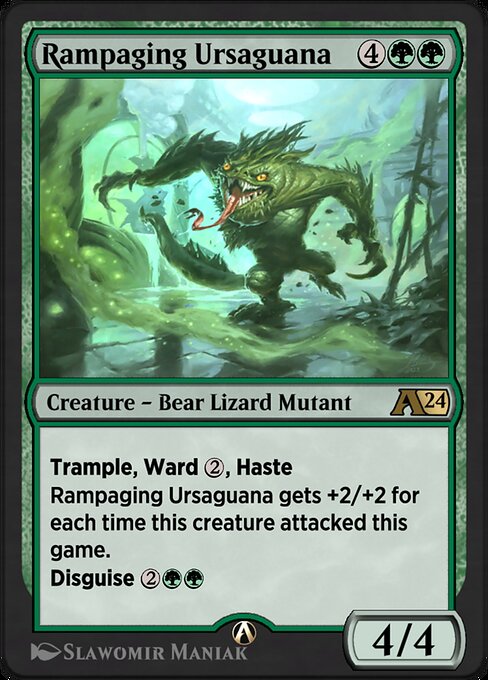 Rampaging Ursaguana
 Creature — Bear Lizard Mutant
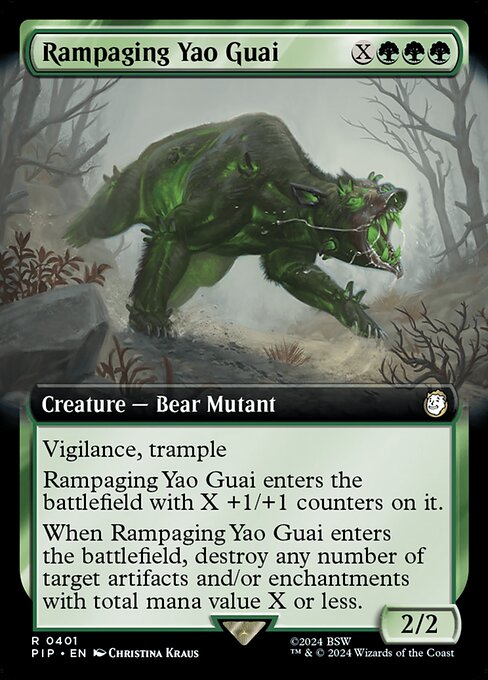 Rampaging Yao Guai
 Creature — Bear Mutant
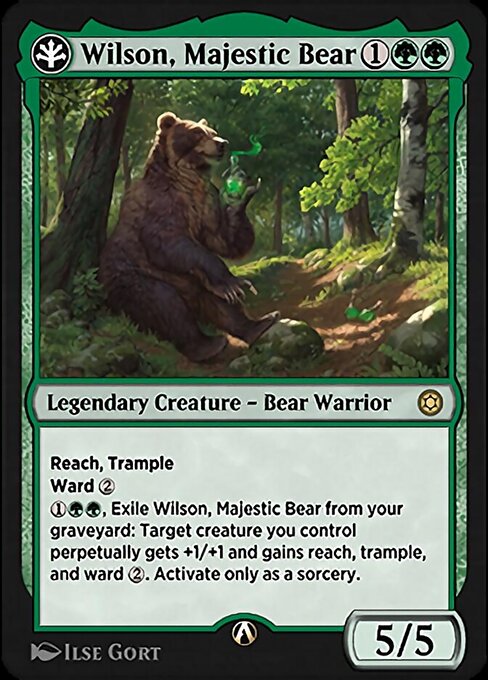 Wilson, Majestic Bear
 Legendary Creature — Bear Warrior
 Colossus, Steel StalwartLegendary Creature — Mutant Hero
 Vastlands Scavenger // Bind to Life // Creature — Bear Druid // Instant
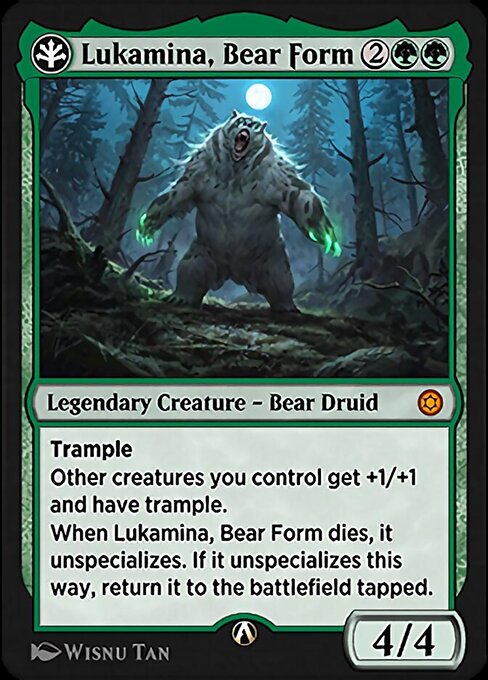 Lukamina, Bear FormLegendary Creature — Bear Druid
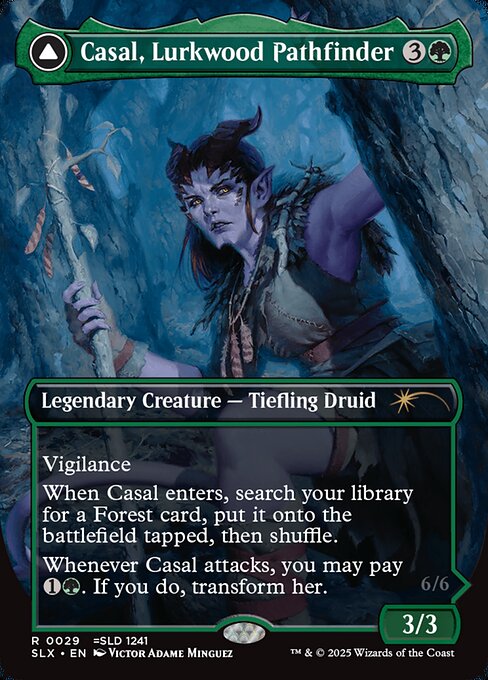 Casal, Lurkwood Pathfinder // Casal, Pathbreaker OwlbearLegendary Creature — Tiefling Druid // Legendary Creature — Bird Bear
 Beorn the Fierce
 Legendary Creature — Bear Shapeshifter Warrior
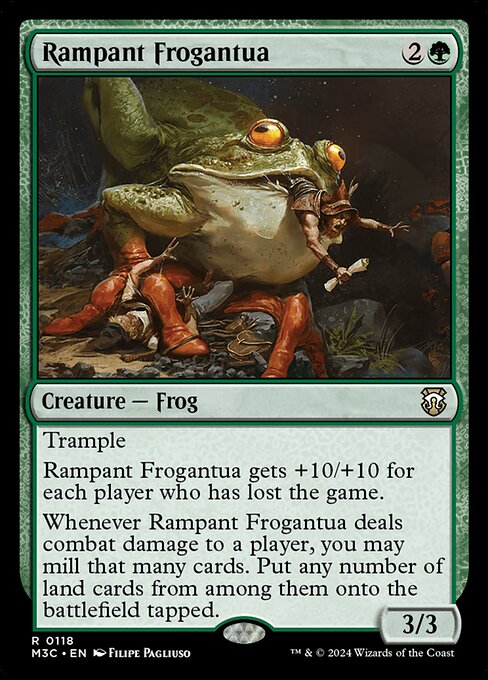 Rampant FrogantuaCreature — Frog
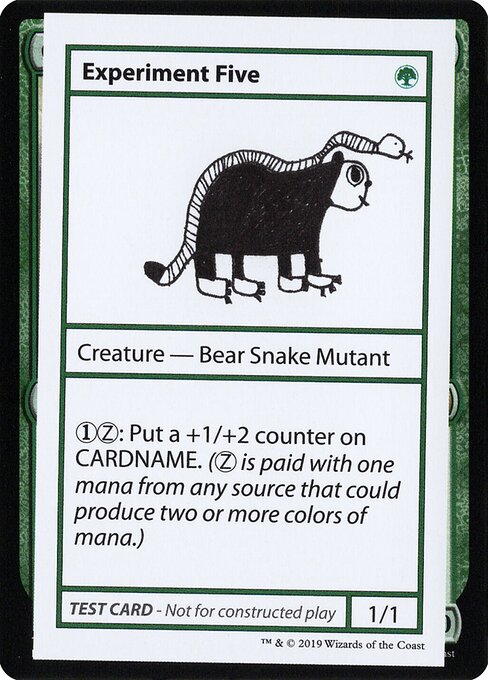 Experiment FiveCreature — Bear Snake Mutant
Show 20 more similar cards
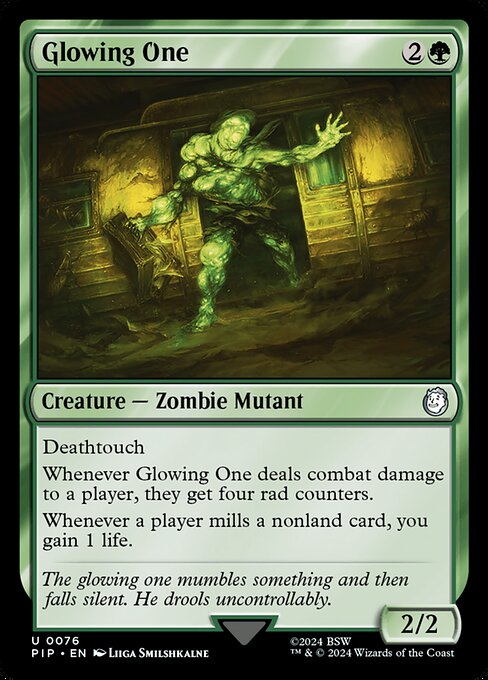 Glowing OneCreature — Zombie Mutant
 Wolfsbane, Highland HeroLegendary Creature — Mutant Werewolf Hero
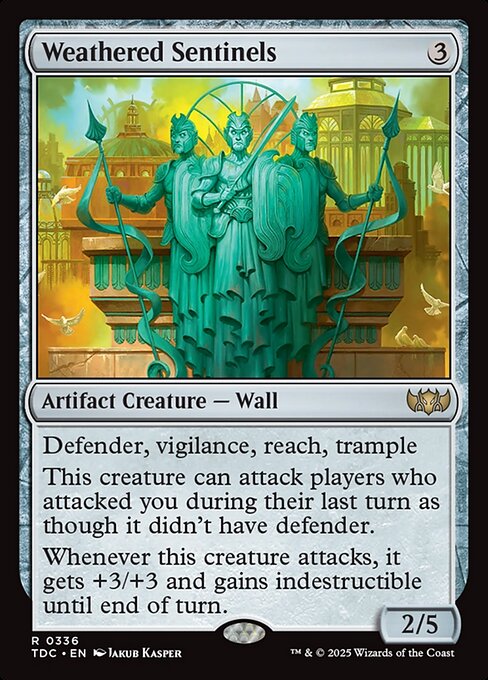 Weathered SentinelsArtifact Creature — Wall
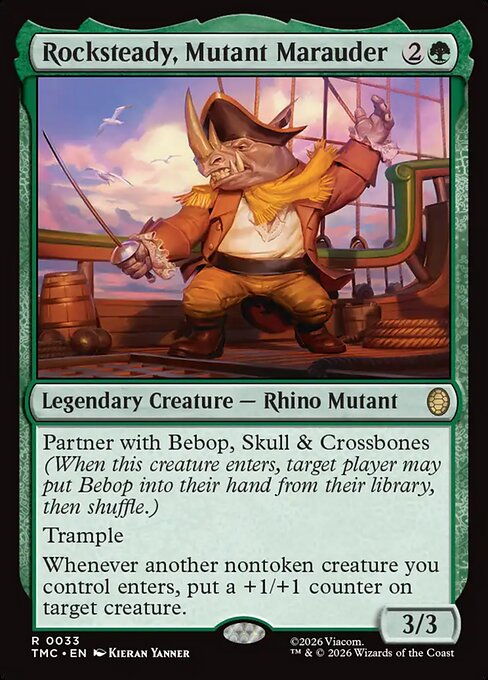 Rocksteady, Mutant MarauderLegendary Creature — Rhino Mutant
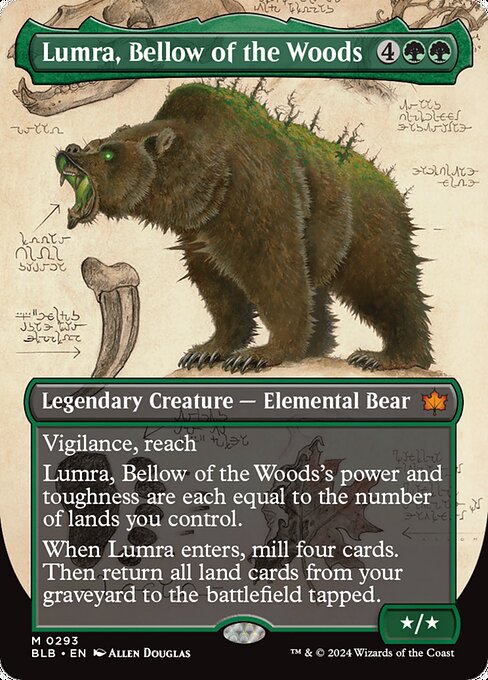 Lumra, Bellow of the WoodsLegendary Creature — Elemental Bear
 Darwin, Adaptive MutantLegendary Creature — Mutant Hero
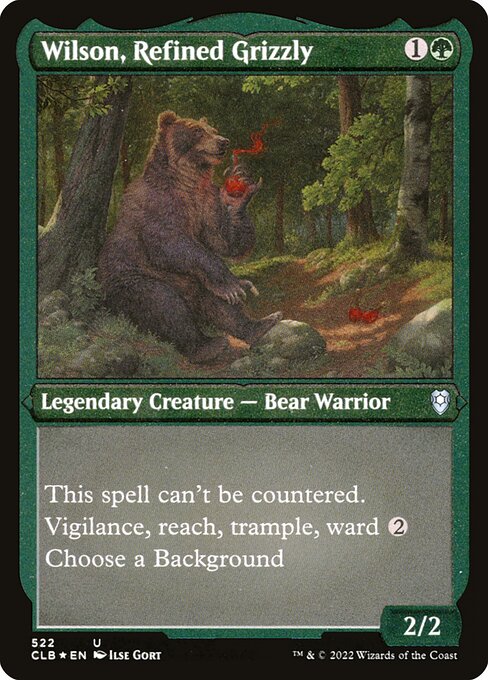 Wilson, Refined GrizzlyLegendary Creature — Bear Warrior
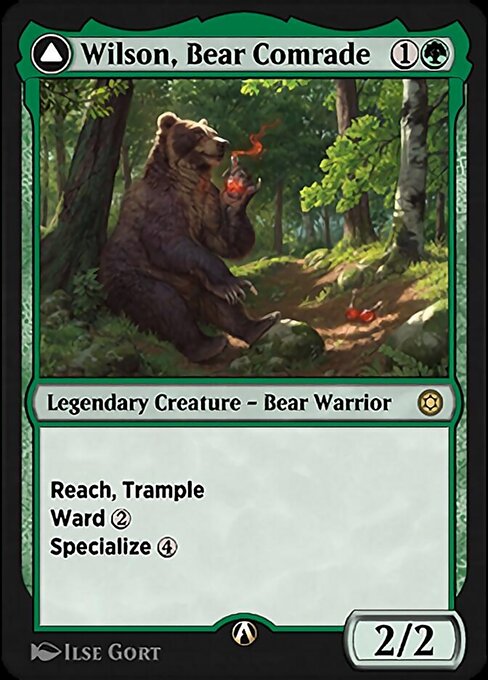 Wilson, Bear ComradeLegendary Creature — Bear Warrior
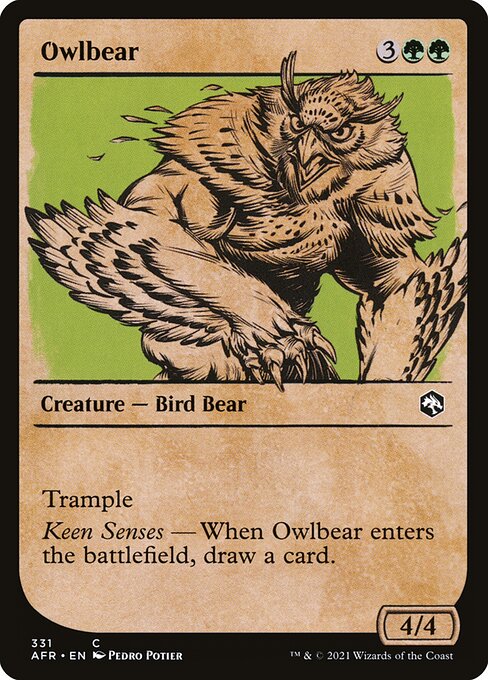 OwlbearCreature — Bird Bear
 Beorn, Reluctant Host // Till and Tend // Legendary Creature — Human Bear Shapeshifter // Sorcery — Adventure
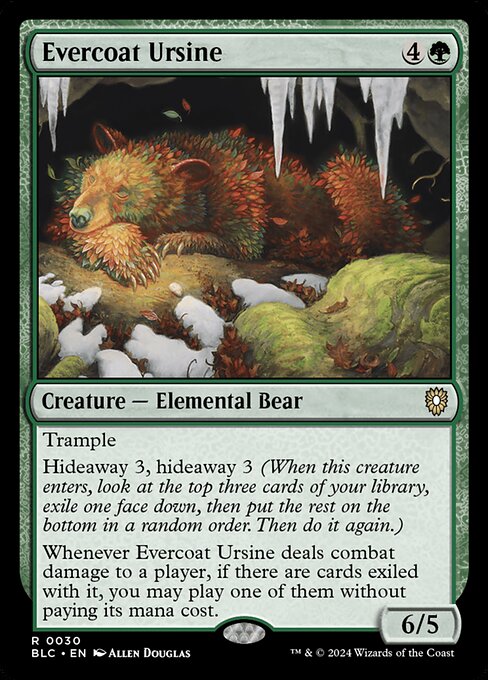 Evercoat UrsineCreature — Elemental Bear
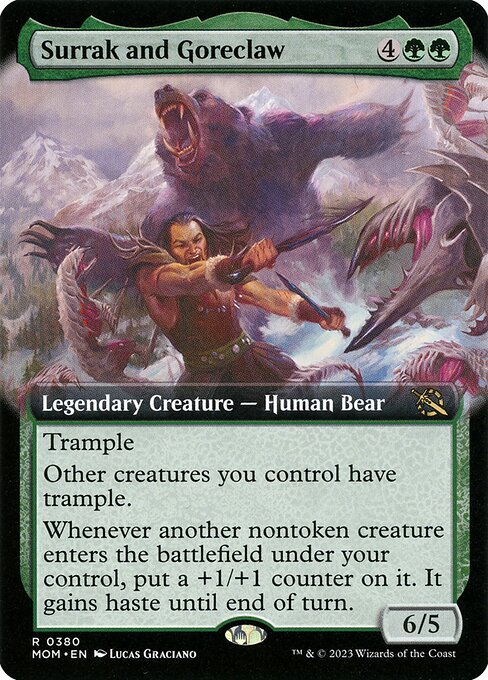 Surrak and GoreclawLegendary Creature — Human Bear
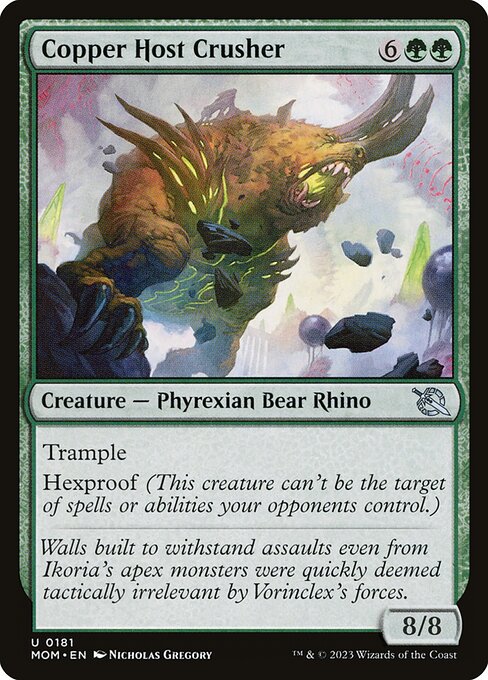 Copper Host Crusher
 Creature — Phyrexian Bear Rhino
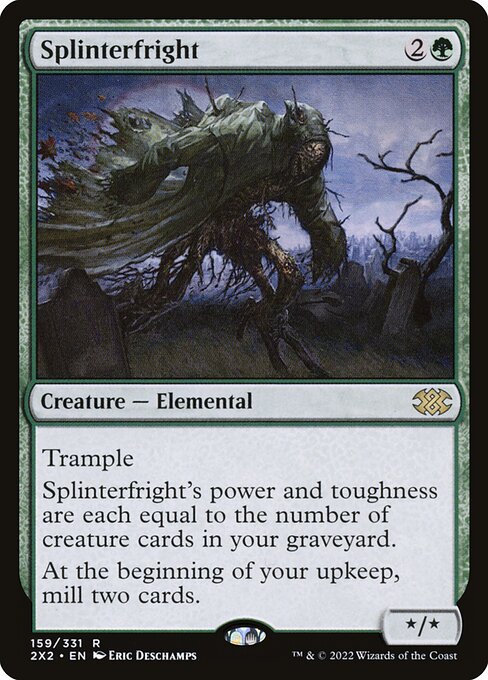 SplinterfrightCreature — Elemental
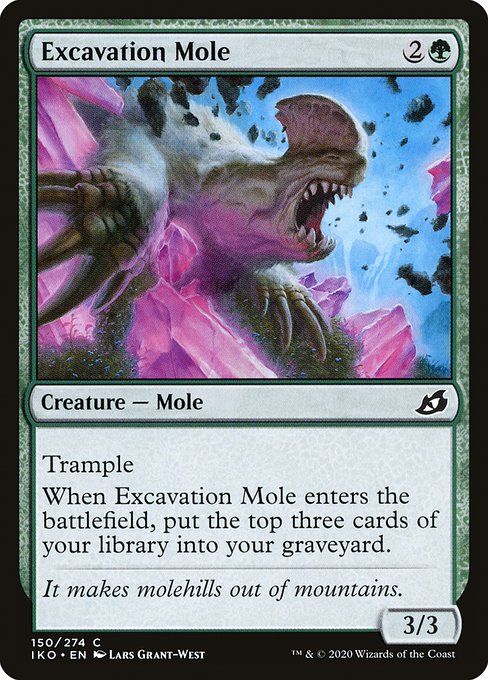 Excavation MoleCreature — Mole
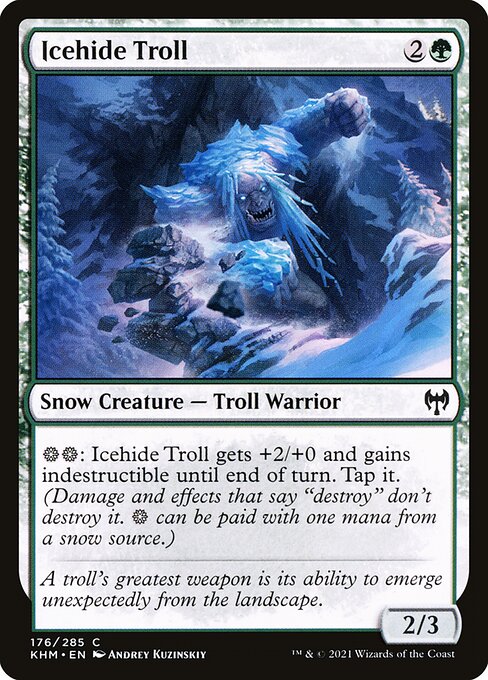 Icehide TrollSnow Creature — Troll Warrior
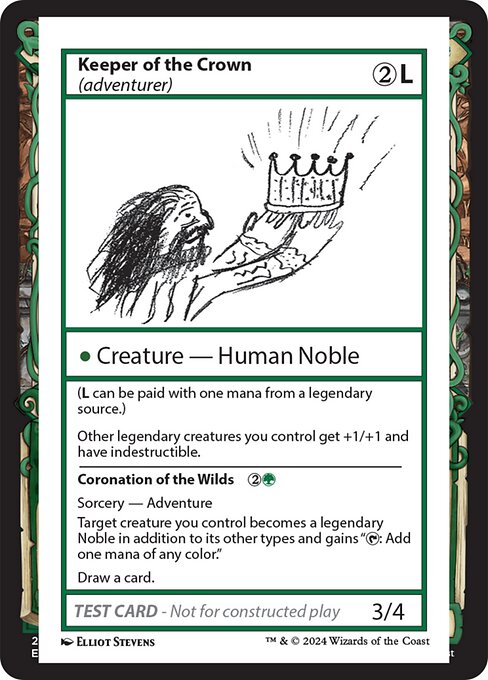 Keeper of the Crown // Coronation of the Wilds
 // Creature — Human Noble // Sorcery — Adventure
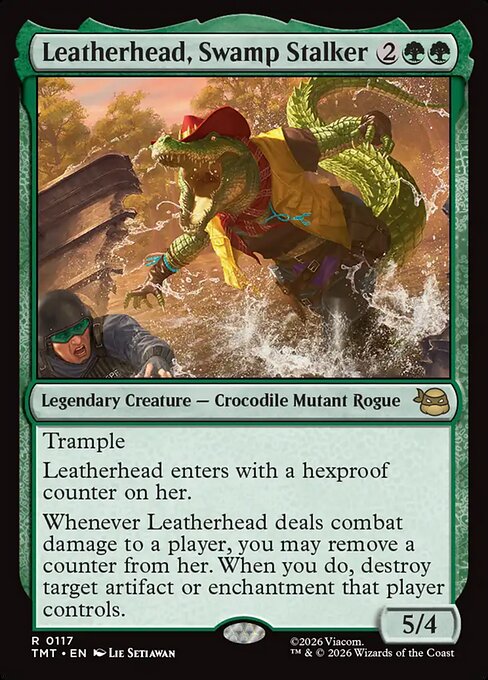 Leatherhead, Swamp StalkerLegendary Creature — Crocodile Mutant Rogue
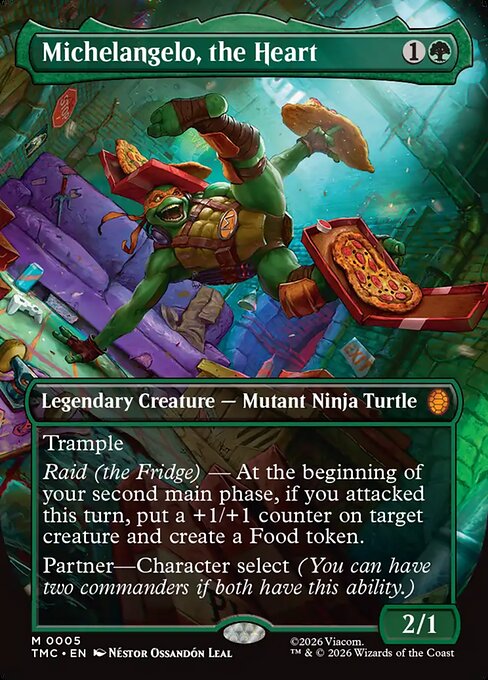 Michelangelo, the HeartLegendary Creature — Mutant Ninja Turtle
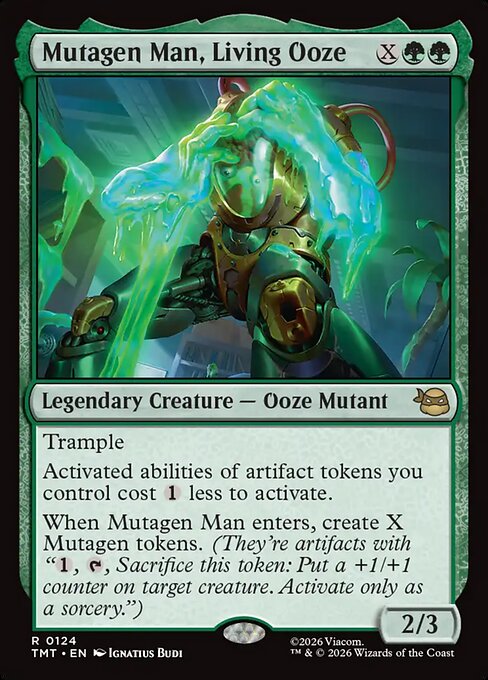 Mutagen Man, Living OozeLegendary Creature — Ooze Mutant