
Virtus the Veiled

 Legendary Creature — Azra AssassinPower and toughness1/1
Card text
Partner with Gorm the Great (When this creature enters, target player may put Gorm into their hand from their library, then shuffle.)
Deathtouch
Whenever Virtus deals combat damage to a player, that player loses half their life, rounded up.
Showing The List#BBD-7
Price
10.28 $
5 printings
Daily estimate from Scryfall, not a shop quote.
Virtus the Veiled rulings
Virtus's last ability triggers and resolves after combat damage is dealt. For example, if Virtus deals 1 combat damage to a player with 10 life, combat damage will reduce that player's life total to 9. Then its ability will cause the player to lose 5 life, leaving the player at 4.
In a Two-Headed Giant game, a player's life total is the same as their team's life total.
"Partner with [name]" represents two abilities. The first is a triggered ability: "When this permanent enters the battlefield, target player may search their library for a card named [name], reveal it, put it into their hand, then shuffle their library."
Note that the target player searches their library (which may be affected by effects such as that of Stranglehold) and that the card they find is revealed, even though these words aren't included in the ability's reminder text.
The second ability represented by the "partner with [name]" keyword modifies the rules for deck construction in the Commander variant and has no function outside of that variant. If a legendary creature card with "partner with [name]" is designated as your commander, the named legendary creature card can also be designated as your commander. For more information on the Commander variant, please visit Wizards.com/Commander.
If your Commander deck has two commanders, you can only include cards whose own color identities are also found in your commanders' combined color identities. If Khorvath and Sylvia are your commanders, your deck may contain cards with red and/or white in their color identity, but not blue, black, or green.
Both commanders start in the command zone, and the remaining 98 cards of your deck are shuffled to become your library.
To have two commanders, both must have the partner ability (featured in the Magic: The Gathering—Commander™ (2016 Edition) set) or corresponding "partner with" abilities as the game begins. A creature with a "partner with" ability can't partner with any creature other than its designated partner. Losing a partner ability during the game doesn't cause either to cease to be your commander.
Once the game begins, your two commanders are tracked separately. If you cast one, you won't have to pay an additional
the first time you cast the other. A player loses the game after having been dealt 21 damage from one of them, not from both of them combined. Command Beacon's effect puts one into your hand from the command zone, not both.An effect that checks whether you control your commander is satisfied if you control one or both of your two commanders.
The triggered ability of the "partner with" keyword still triggers in a Commander game. If your other commander has somehow ended up in your library, you can find it. You can also target another player who might have that card in their library.
Virtus the Veiled keyword rules
Partner Rule 702.124
Partner abilities are keyword abilities that modify the rules for deck construction in the Commander variant (see rule ), and they function before the game begins. Each partner ability allows you to designate two legendary cards as your commander rather than one. Each partner ability has its own requirements for those two commanders. The partner abilities are: partner, partner with [name], friends forever, choose a Background, and Doctor’s companion.
Your deck must contain exactly 100 cards, including its two commanders. Both commanders begin the game in the command zone.
A rule or effect that refers to your commander’s color identity refers to the combined color identities of your two commanders. See rule .
Except for determining the color identity of your commander, the two commanders function independently. When casting a commander with partner, ignore how many times your other commander has been cast (see rule ). When determining whether a player has been dealt 21 or more combat damage by the same commander, consider damage from each of your two commanders separately (see rule ).
If an effect refers to your commander while you have two commanders, it refers to either one. If an effect causes you to perform an action on your commander and it could affect both, you choose which it refers to at the time the effect is applied.
Different partner abilities are distinct from one another and cannot be combined. For example, you cannot designate two cards as your commander if one of them has “partner” and the other has “partner with [name].”
If a legendary card has more than one partner ability, you may choose which one to use when designating your commander, but you can’t use both. Notably, no partner ability or combination of partner abilities can ever let a player have more than two commanders.
“Partner” means “You may designate two legendary creature cards as your commander rather than one if each of them has partner.”
“Partner with [name]” represents two abilities. It means “You may designate two legendary creature cards as your commander rather than one if each has a ‘partner with [name]’ ability with the other’s name” and “When this permanent enters, target player may search their library for a card named [name], reveal it, put it into their hand, then shuffle.”
“Friends forever” means “You may designate two legendary creature cards as your commander rather than one if each of them has friends forever.”
“Choose a Background” means “You may designate two cards as your commander rather than one if one of them is this card and the other is a legendary Background enchantment card.” You can’t designate two cards as your commander if one has a “choose a Background” ability and the other is not a legendary Background enchantment card, and legendary Background enchantment cards can’t be your commander unless you have also designated a commander with “choose a Background.”
“Doctor’s companion” means “You may designate two legendary creature cards as your commander rather than one if one of them is this card and the other is a legendary Time Lord Doctor creature card that has no other creature types.”
If an effect refers to a partner ability by name, it means only that partner ability and not any others. If an effect refers to the partner ability or cards with partner and doesn’t mention a specific variant of the partner ability by name, it is referring only to partner, partner with [name], or cards with either of those abilities, and does not refer to any other partner variant.
Deathtouch Rule 702.2
Deathtouch is a static ability.
A creature with toughness greater than 0 that’s been dealt damage by a source with deathtouch since the last time state-based actions were checked is destroyed as a state-based action. See rule 704.
Any nonzero amount of combat damage assigned to a creature by a source with deathtouch is considered to be lethal damage for the purposes of determining if a proposed combat damage assignment is valid, regardless of that creature’s toughness. See rules –d.
The deathtouch rules function no matter what zone an object with deathtouch deals damage from.
If an object changes zones before an effect causes it to deal damage, its last known information is used to determine whether it had deathtouch.
Multiple instances of deathtouch on the same object are redundant.
Virtus the Veiled format legality
Constructed
- StandardNot legal
- PioneerNot legal
- ModernNot legal
- Future StandardNot legal
Eternal
- LegacyLegal
- VintageLegal
- PauperNot legal
- PremodernNot legal
- Old SchoolNot legal
- Penny DreadfulNot legal
Commander
- CommanderLegal
- OathbreakerLegal
- Pauper CommanderNot legal
- Duel CommanderLegal
- PreDHNot legal
Arena & online
- HistoricNot legal
- TimelessNot legal
- AlchemyNot legal
- GladiatorNot legal
- BrawlNot legal
- Standard BrawlNot legal
- Competitive BrawlNot legal
Other
- TLRLegal
All printings of Virtus the Veiled 5
Cards similar to Virtus the Veiled
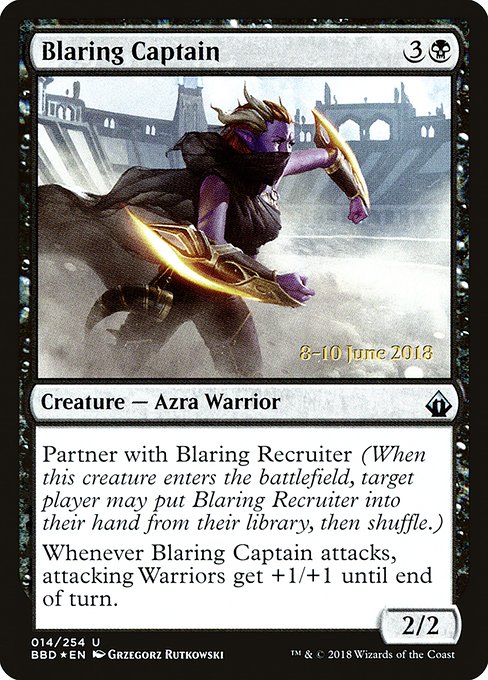 Blaring Captain
 Creature — Azra Warrior
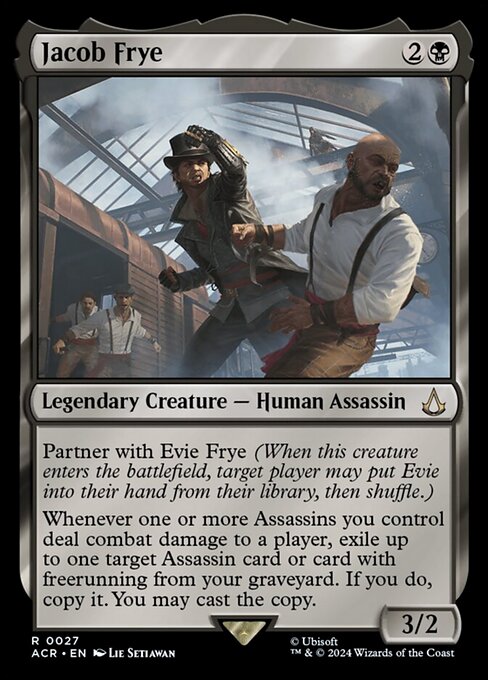 Jacob FryeLegendary Creature — Human Assassin
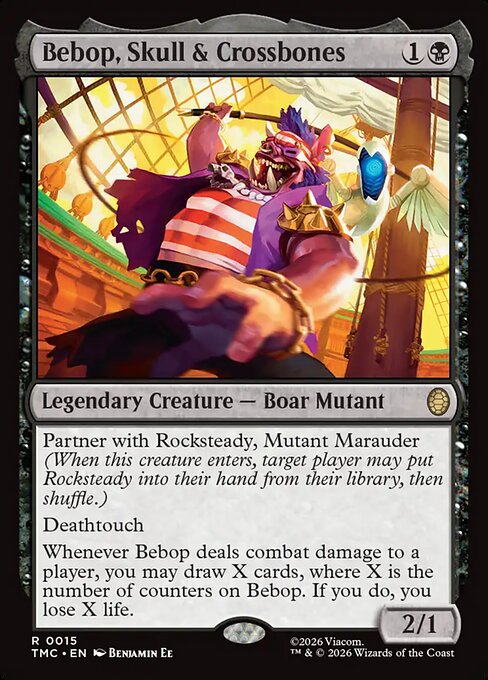 Bebop, Skull & Crossbones
 Legendary Creature — Boar Mutant
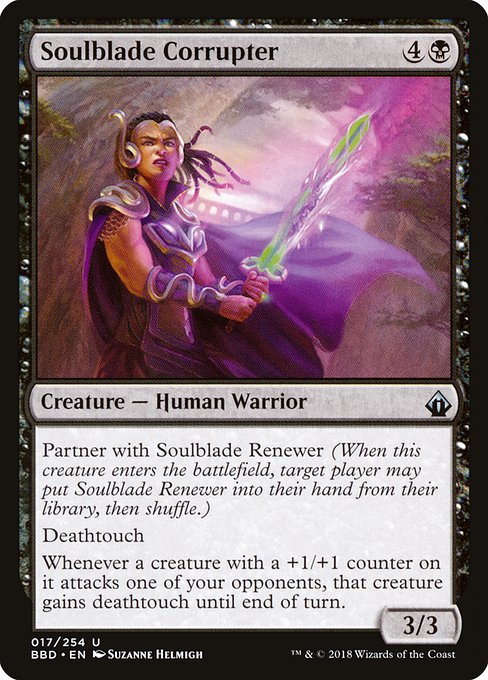 Soulblade Corrupter
 Creature — Human Warrior
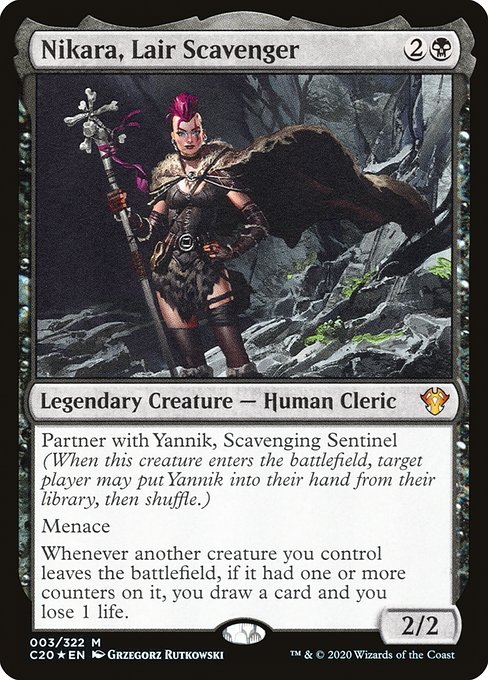 Nikara, Lair ScavengerLegendary Creature — Human Cleric
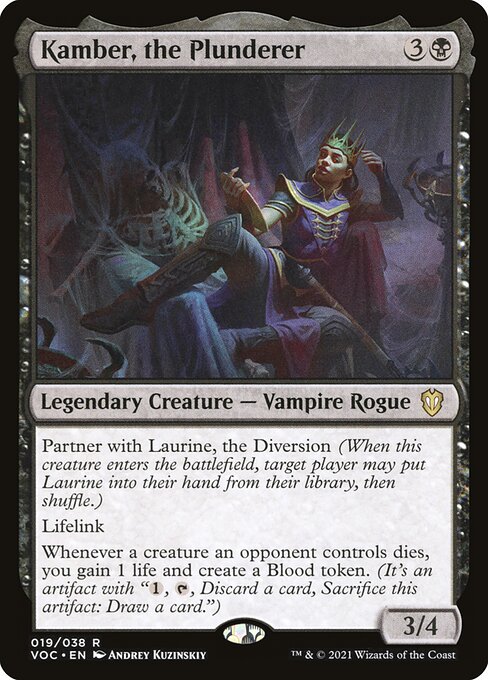 Kamber, the PlundererLegendary Creature — Vampire Rogue
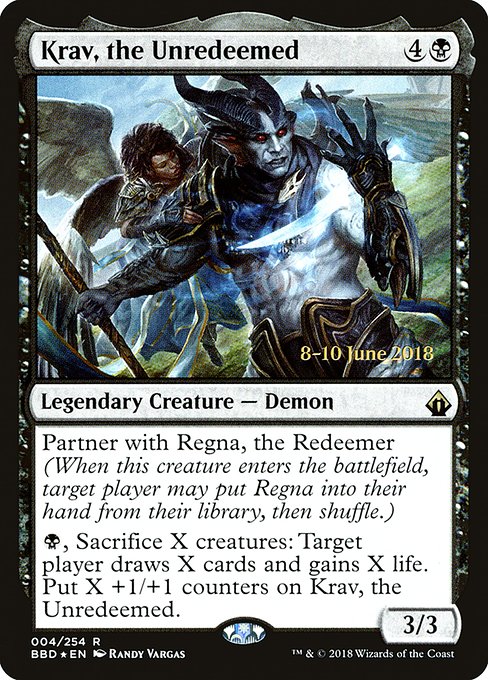 Krav, the UnredeemedLegendary Creature — Demon
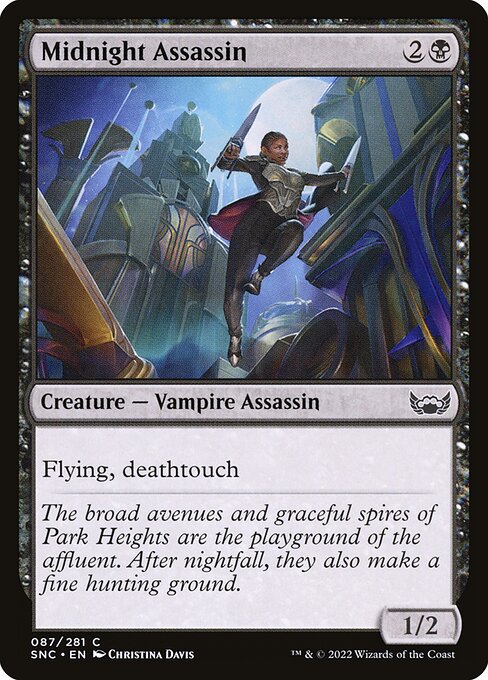 Midnight AssassinCreature — Vampire Assassin
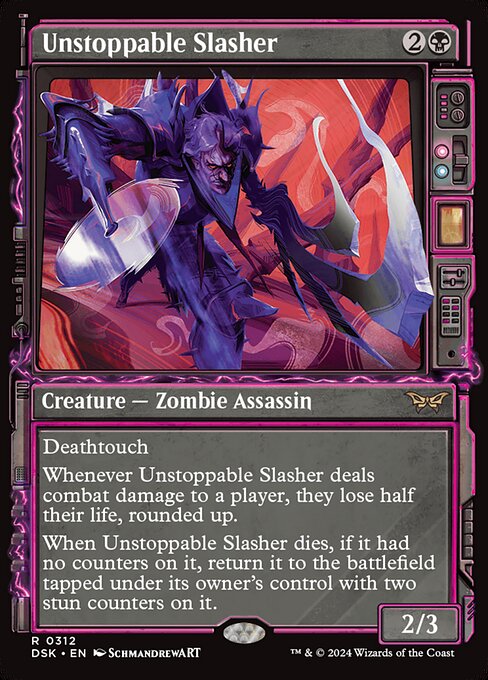 Unstoppable SlasherCreature — Zombie Assassin
 Black Widow, Deadly HunterLegendary Creature — Human Assassin Hero
Show 20 more similar cards
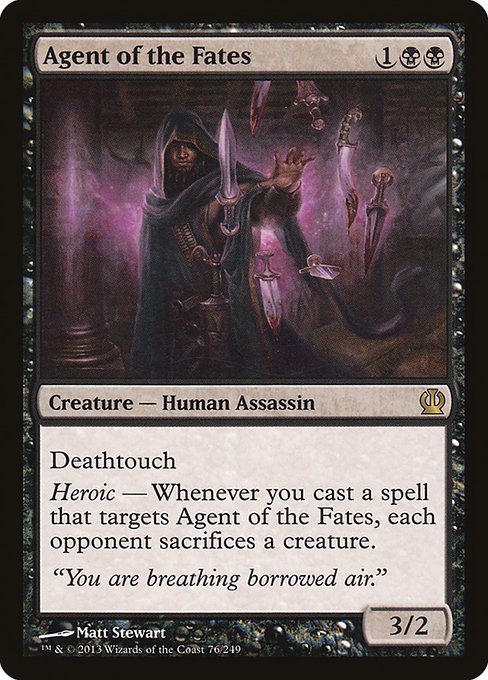 Agent of the FatesCreature — Human Assassin
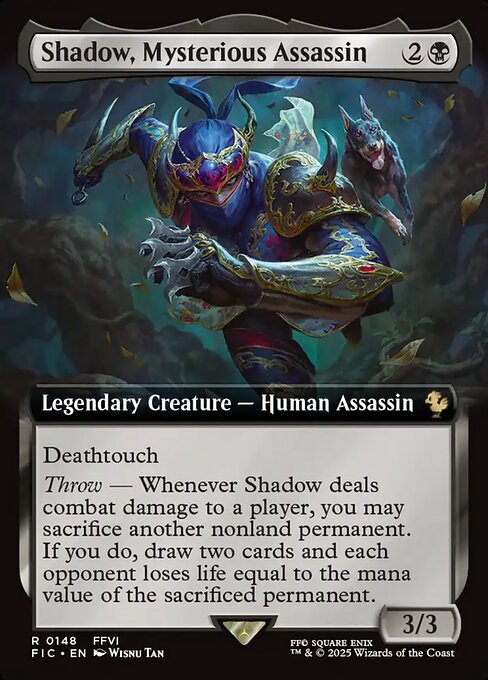 Shadow, Mysterious AssassinLegendary Creature — Human Assassin
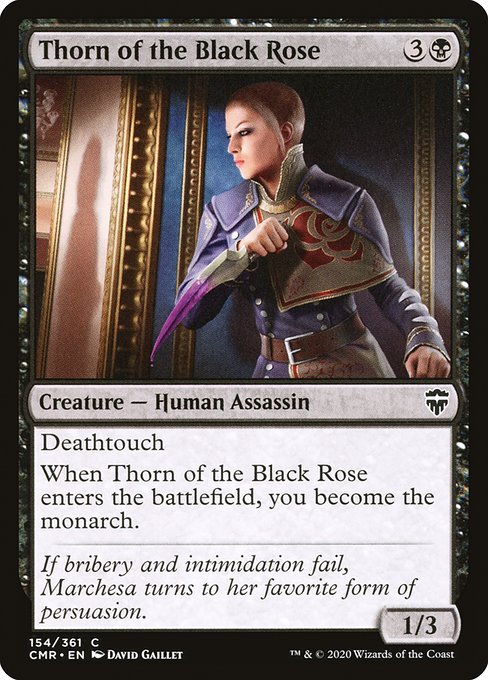 Thorn of the Black RoseCreature — Human Assassin
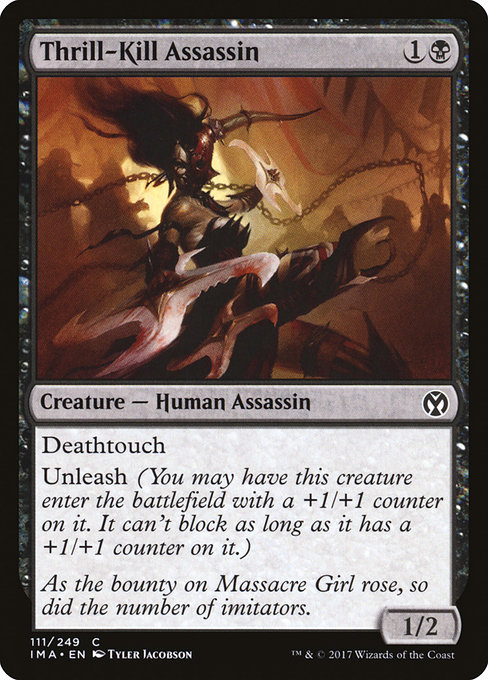 Thrill-Kill AssassinCreature — Human Assassin
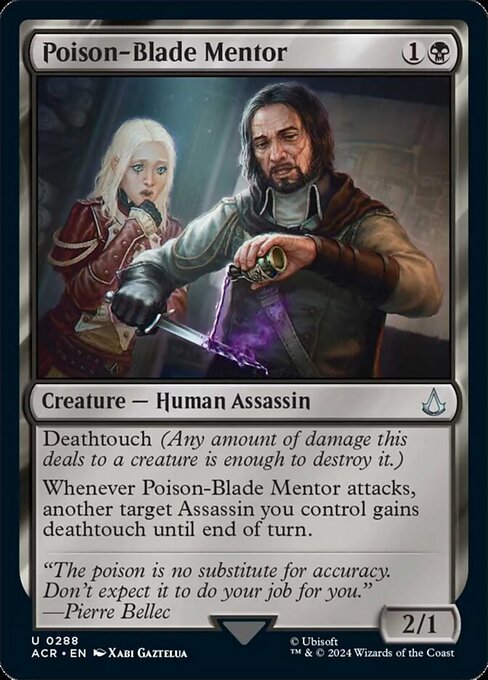 Poison-Blade MentorCreature — Human Assassin
 White Widow, Yelena BelovaLegendary Creature — Human Assassin Villain
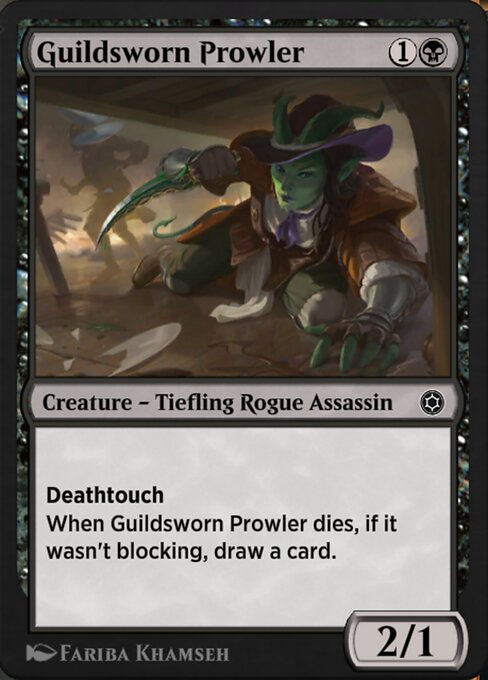 Guildsworn ProwlerCreature — Tiefling Rogue Assassin
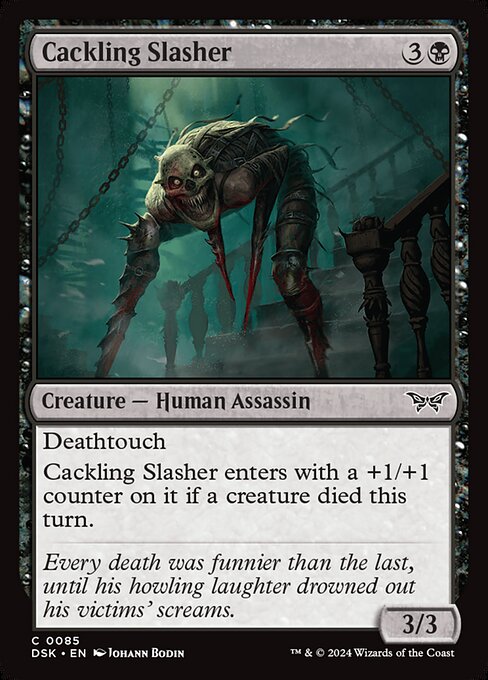 Cackling SlasherCreature — Human Assassin
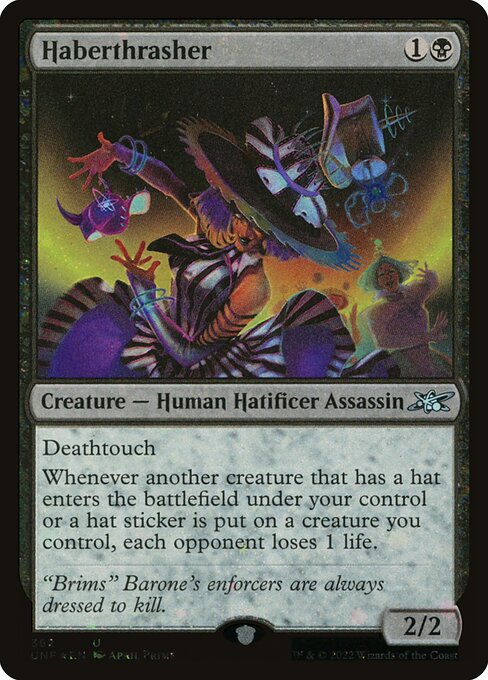 HaberthrasherCreature — Human Hatificer Assassin
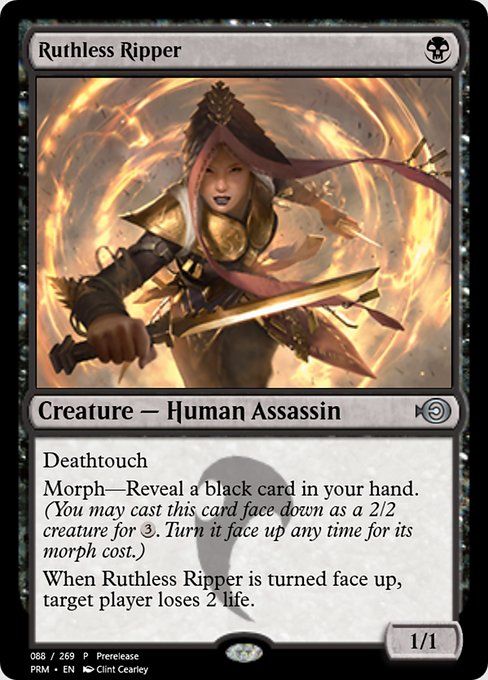 Ruthless RipperCreature — Human Assassin
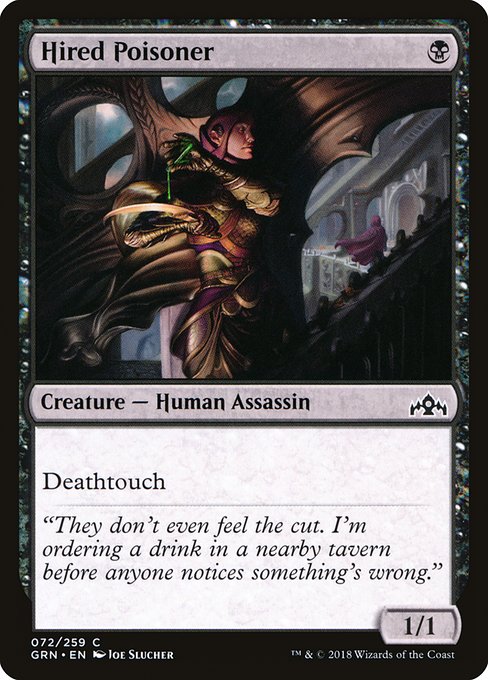 Hired PoisonerCreature — Human Assassin
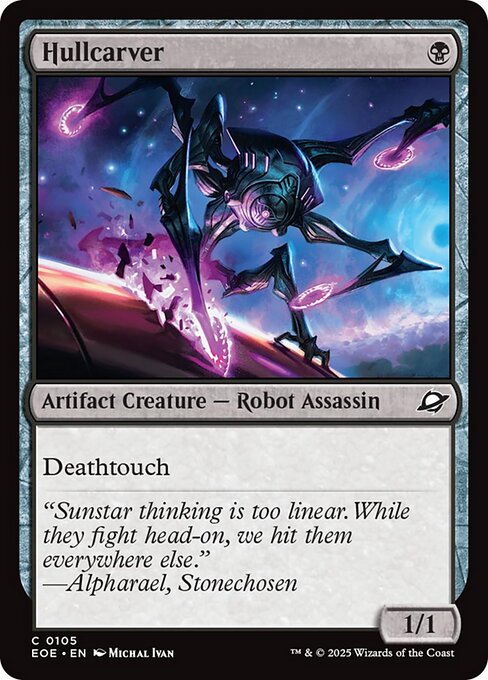 HullcarverArtifact Creature — Robot Assassin
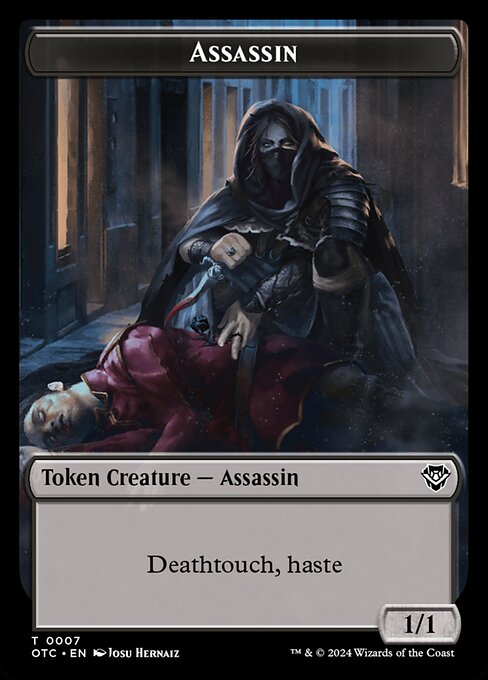 AssassinToken Creature — Assassin
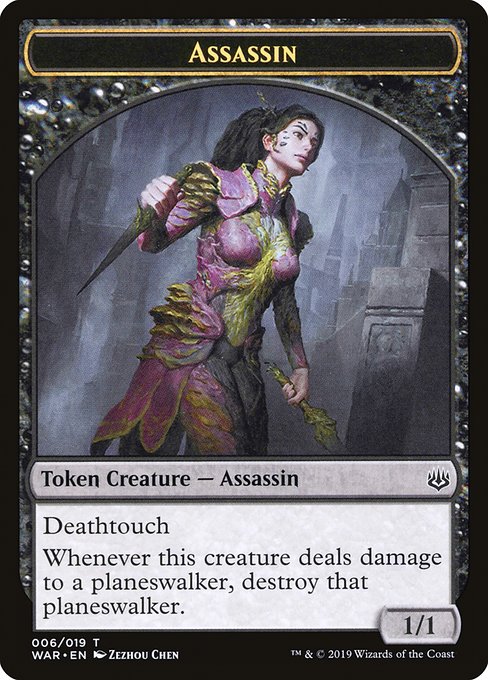 AssassinToken Creature — Assassin
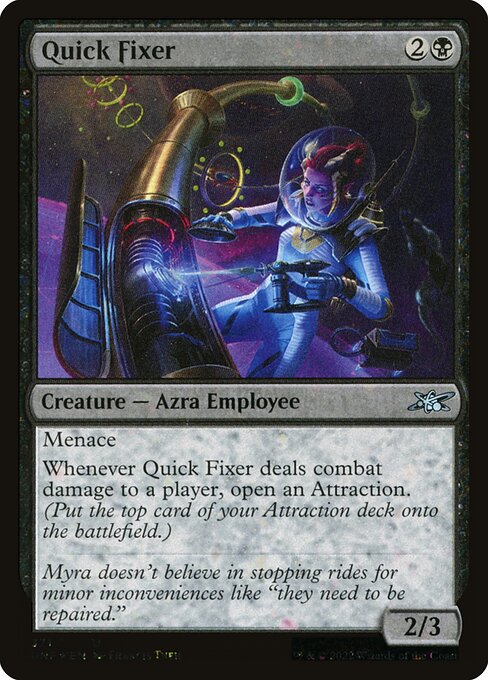 Quick FixerCreature — Azra Employee
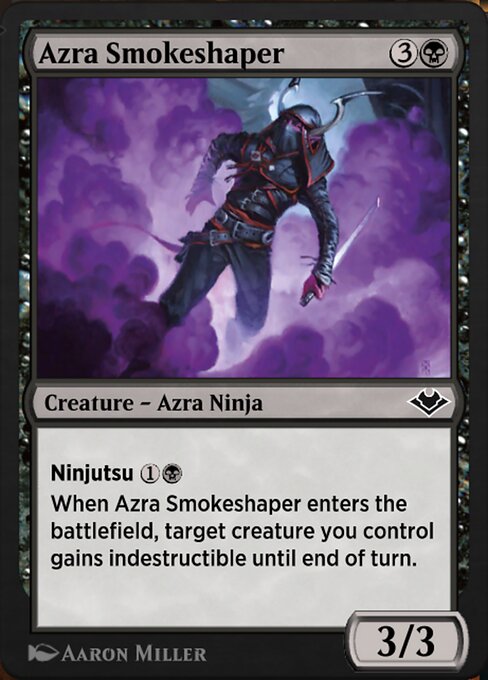 Azra SmokeshaperCreature — Azra Ninja
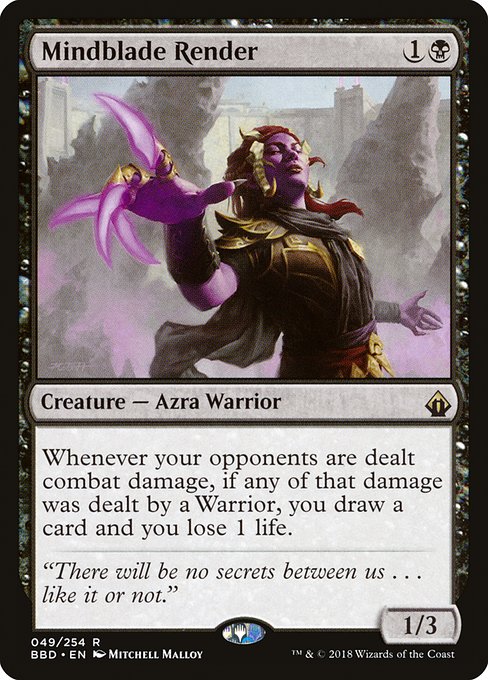 Mindblade RenderCreature — Azra Warrior
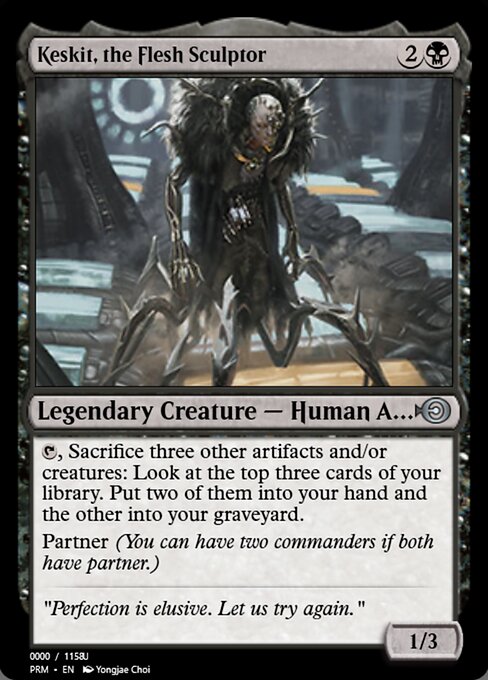 Keskit, the Flesh SculptorLegendary Creature — Phyrexian Human Artificer
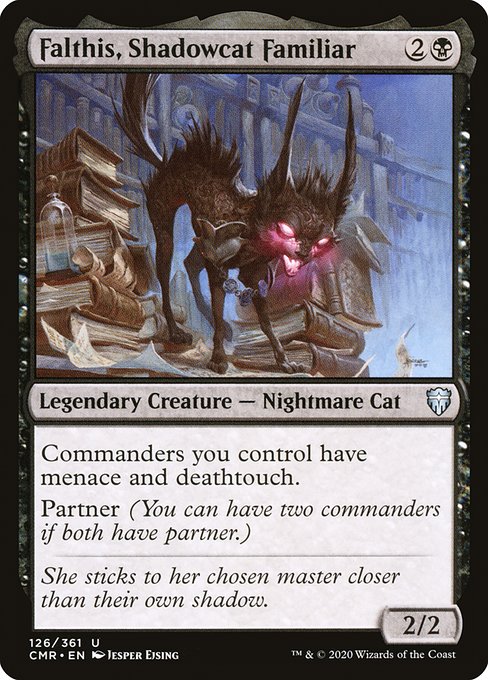 Falthis, Shadowcat FamiliarLegendary Creature — Nightmare Cat
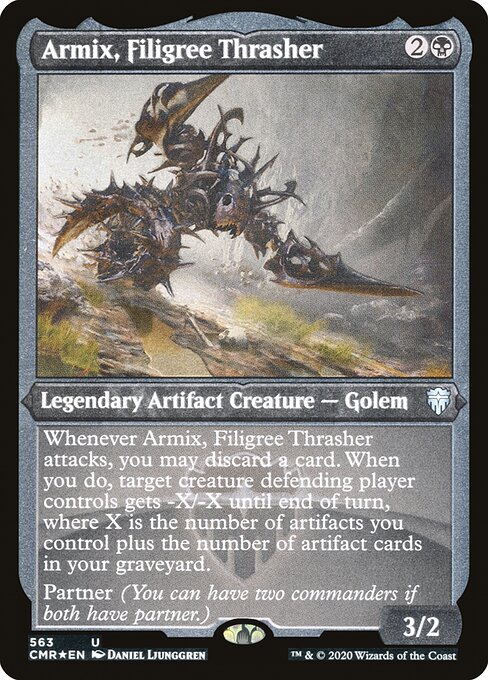 Armix, Filigree ThrasherLegendary Artifact Creature — Golem