
Invasion of Pyrulea // Gargantuan Slabhorn
Invasion of Pyrulea

 Battle — SiegeDefense4
Card text
(As a Siege enters, choose an opponent to protect it. You and others can attack it. When it's defeated, exile it, then cast it transformed.)
When this Siege enters, scry 3, then reveal the top card of your library. If it's a land or double-faced card, draw a card.
Gargantuan Slabhorn
Creature — BeastPower and toughness4/4
Card text
Trample, ward 
Other transformed permanents you control have trample and ward .
To the slabhorn, the branches of the Invasion Tree were as brittle as the stems of a Pyrulean fern.
Showing March of the Machine#240
Price
0.32 $
Foil 0.36 $
8 printings
Daily estimate from Scryfall, not a shop quote.
Invasion of Pyrulea // Gargantuan Slabhorn rulings
If you reveal a land or double-faced card for Invasion of Pyrulea’s ability, that revealed card will be the one you draw.
A “transformed permanent” is a double-faced permanent with its back face up. Notably, modal double-faced permanents and melded permanents are never transformed permanents, no matter which faces are up.
Sieges each have an intrinsic triggered ability. That ability is “When the last defense counter is removed from this permanent, exile it, then you may cast it transformed without paying its mana cost.”
As a Siege enters the battlefield, its controller chooses an opponent to be its protector.
A Siege’s controller can’t be its protector. If a Siege’s protector ever gains control of it, they choose a new player to be its protector. This is a state-based action.
If a non-battle permanent that is already on the battlefield become a copy of a Siege, its controller chooses one of their opponents to be that battle’s protector. However, it will most likely be put into its owner’s graveyard because it has no defense counters (see below).
A battle’s “defense” is displayed in the bottom right corner of the card. A battle enters the battlefield with that number of defense counters. If another permanent enters the battlefield as a copy of a battle, it also enters with that number of defense counters.
Only creatures controlled by a battle’s protector can block creatures that are attacking that battle. This means a Siege’s controller can never assign creatures to block for it.
A battle can be dealt damage and be target of spells and/or abilities that target “any target.”
Damage dealt to a battle causes that many defense counters to be removed from it.
A battle can be attacked by all players other than its protector. Notably, this means a Siege’s controller can attack it.
If a battle has no defense counters, and it isn’t the source of a triggered ability that has triggered but not yet left the stack, that battle is put into its owner’s graveyard. This is a state-based action. This doesn’t cause a Siege’s intrinsic triggered ability to trigger.
If a Siege never had defense counters on it (perhaps because a permanent became a copy of one), it can’t have its last defense counter removed. It will be put into its owner’s graveyard. You won’t exile it or cast the other face.
If a token or a card that isn’t represented by a transforming double-faced card becomes a copy of a Siege, it can’t be cast as its triggered ability resolves. It will remain in exile. If it’s a token, it will cease to exist the next time state-based actions are performed.
If a permanent that is represented by a transforming double-faced card becomes a copy of a Siege, it will be exiled as that Siege’s triggered ability resolves, then it will be cast transformed. Note that this applies only to transforming double-faced cards, not to modal double-faced cards that can normally be played using either face.
In a multiplayer game, if the protector of a battle leaves the game and that battle is not currently being attacked, its controller chooses a new protector for it as a state-based action. If it is being attacked, its controller chooses a new protector for it once no creatures are attacking it. This means that it continues to be attacked and can be dealt combat damage as normal.
If a battle that’s being attacked somehow stops being a battle, it is removed from combat. Similarly, if its controller changes in the middle of combat, it is removed from combat.
Battles can’t attack or block, even if one also becomes a creature. If an attacking or blocking creature somehow becomes a battle in addition to being a creature, it is removed from combat.
Invasion of Pyrulea // Gargantuan Slabhorn keyword rules
Transform Rule 701.28
To transform a permanent, turn it over so that its other face is up. Only transforming tokens and permanents represented by transforming double-faced cards can transform. (See rule , “Double-Faced Cards.”)
Although transforming a permanent uses the same physical action as turning a permanent face up or face down, they are different game actions. Abilities that trigger when a permanent is turned face down won’t trigger when that permanent transforms, and so on.
If a spell or ability instructs a player to transform a permanent that isn’t represented by a transforming token or a transforming double-faced card, nothing happens.
If a spell or ability instructs a player to transform a permanent, and the face that permanent would transform into is represented by an instant or sorcery card face, or is a transforming token that was created with an instant or sorcery face, nothing happens.
Some triggered abilities trigger when an object “transforms into” an object with a specified characteristic. Such an ability triggers if the object either transforms or converts (see rule ) and has the specified characteristic immediately after it does so.
If an activated or triggered ability of a permanent that isn’t a delayed triggered ability of that permanent tries to transform it, the permanent does so only if it hasn’t transformed or converted since the ability was put onto the stack. If a delayed triggered ability of a permanent tries to transform that permanent, the permanent does so only if it hasn’t transformed or converted since that delayed triggered ability was created. In both cases, if the permanent has already transformed or converted, an instruction to do either is ignored.
Some spells and abilities refer to a “transformed permanent.” This phrase refers to a permanent on the battlefield with its back face up that’s also a transforming double-faced card or a transforming token. A permanent with its front face up is never considered a transformed permanent, even if it had its back face up previously.
Trample Rule 702.19
Trample is a static ability that modifies the rules for assigning an attacking creature’s combat damage. The ability has no effect when a creature with trample is blocking or is dealing noncombat damage. (See rule , “Combat Damage Step.”)
The controller of an attacking creature with trample first assigns damage to the creature(s) blocking it. Once all those blocking creatures are assigned lethal damage, any excess damage is assigned as its controller chooses among those blocking creatures and the player, planeswalker, or battle the creature is attacking. When checking for assigned lethal damage, take into account damage already marked on the creature and damage from other creatures that’s being assigned during the same combat damage step, but not any abilities or effects that might change the amount of damage that’s actually dealt. The attacking creature’s controller need not assign lethal damage to all those blocking creatures but in that case can’t assign any damage to the player or planeswalker it’s attacking.
Trample over planeswalkers is a variant of trample that modifies the rules for assigning combat damage to planeswalkers. The controller of a creature with trample over planeswalkers assigns that creature’s combat damage as described in rule , with one exception. If that creature is attacking a planeswalker, after lethal damage is assigned to all blocking creatures and damage at least equal to the loyalty of the planeswalker the creature is attacking is assigned to that planeswalker, further excess damage may be assigned as the attacking creature’s controller chooses among those blocking creatures, that planeswalker, and that planeswalker’s controller. When checking for assigned damage equal to a planeswalker’s loyalty, take into account damage from other creatures that’s being assigned during the same combat damage step, but not any abilities or effects that might change the amount of damage that’s actually dealt.
If an attacking creature with trample or trample over planeswalkers is blocked, but there are no creatures blocking it when damage is assigned, its damage is assigned to the defending player and/or planeswalker as though all blocking creatures have been assigned lethal damage.
If a creature with trample over planeswalkers is attacking a planeswalker and that planeswalker is removed from combat, the creature’s damage may be assigned to the defending player once all blocking creatures have been dealt lethal damage or, if there are no blocking creatures when damage is assigned, all its damage is assigned to the defending player. This is an exception to rule , and it does not cause the creature to be attacking that player.
If a creature without trample over planeswalkers is attacking a planeswalker, none of its combat damage can be assigned to the defending player, even if that planeswalker has been removed from combat or the damage the attacking creature could assign is greater than the planeswalker’s loyalty.
Multiple instances of trample on the same creature are redundant. Multiple instances of trample over planeswalkers on the same creature are redundant.
Ward Rule 702.21
Ward is a triggered ability. Ward [cost] means “Whenever this permanent becomes the target of a spell or ability an opponent controls, counter that spell or ability unless that player pays [cost].”
Some ward abilities include an X in their cost and state what X is equal to. This value is determined at the time the ability resolves, not locked in as the ability triggers.
Scry Rule 701.18
To “scry N” means to look at the top N cards of your library, then put any number of them on the bottom of your library in any order and the rest on top of your library in any order.
If a player is instructed to scry 0, no scry event occurs. Abilities that trigger whenever a player scries won’t trigger.
If multiple players scry at once, each of those players looks at the top cards of their library at the same time. Those players decide in APNAP order (see rule ) where to put those cards, then those cards move at the same time.
An ability that triggers whenever a player scries triggers after the process described in rule is complete, even if some or all of those actions were impossible.
Invasion of Pyrulea // Gargantuan Slabhorn format legality
Constructed
- StandardNot legal
- PioneerLegal
- ModernLegal
- Future StandardNot legal
Eternal
- LegacyLegal
- VintageLegal
- PauperNot legal
- PremodernNot legal
- Old SchoolNot legal
- Penny DreadfulNot legal
Commander
- CommanderLegal
- OathbreakerLegal
- Pauper CommanderNot legal
- Duel CommanderLegal
- PreDHNot legal
Arena & online
- HistoricLegal
- TimelessLegal
- AlchemyNot legal
- GladiatorLegal
- BrawlLegal
- Standard BrawlNot legal
- Competitive BrawlLegal
Other
- TLRLegal
All printings of Invasion of Pyrulea // Gargantuan Slabhorn 8
Cards similar to Invasion of Pyrulea // Gargantuan Slabhorn
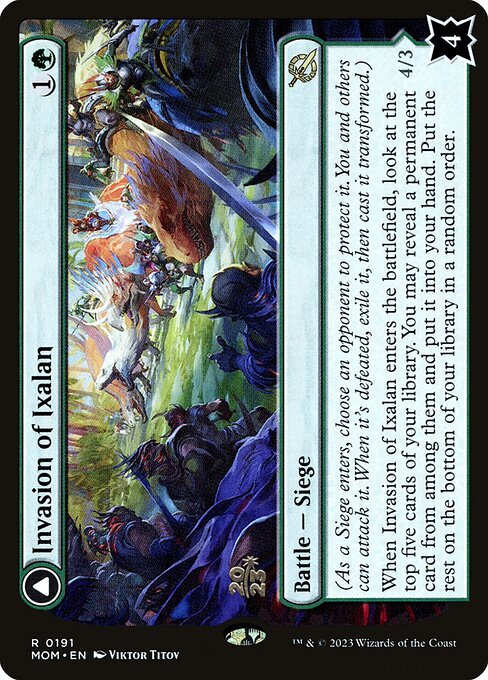 Invasion of Ixalan // Belligerent RegisaurBattle — Siege // Creature — Dinosaur
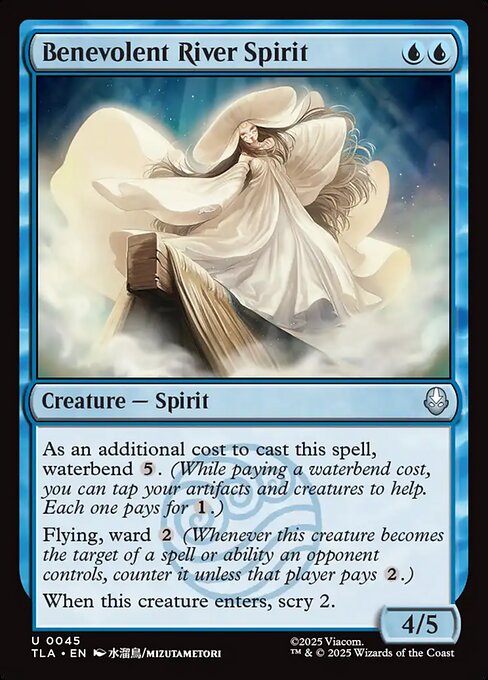 Benevolent River SpiritCreature — Spirit
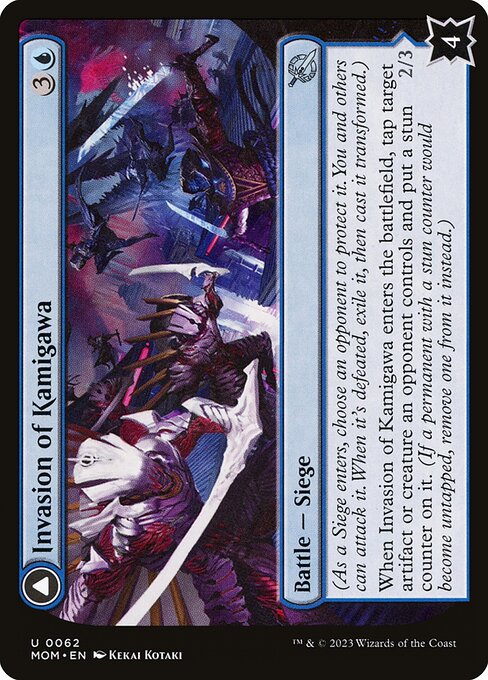 Invasion of Kamigawa // Rooftop SaboteursBattle — Siege // Creature — Moonfolk Ninja
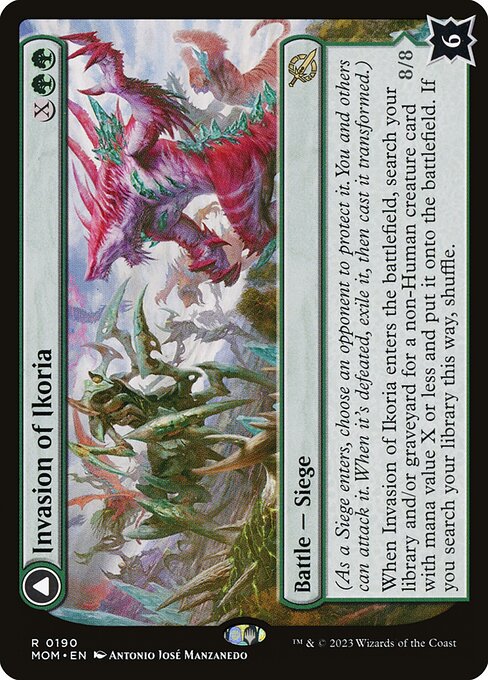 Invasion of Ikoria // Zilortha, Apex of IkoriaBattle — Siege // Legendary Creature — Dinosaur
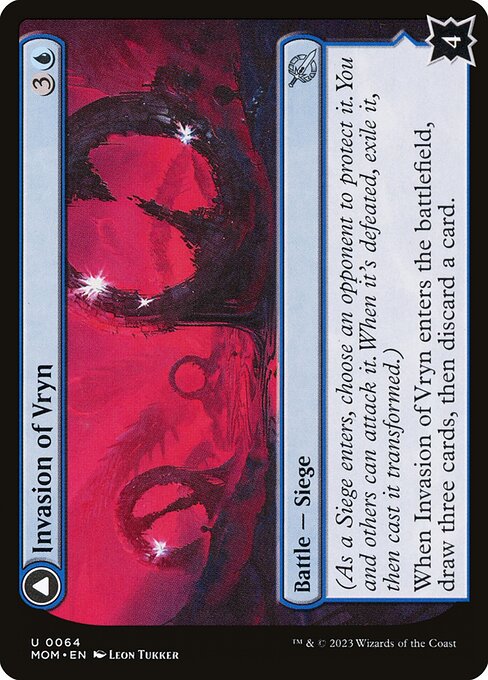 Invasion of Vryn // Overloaded Mage-RingBattle — Siege // Artifact
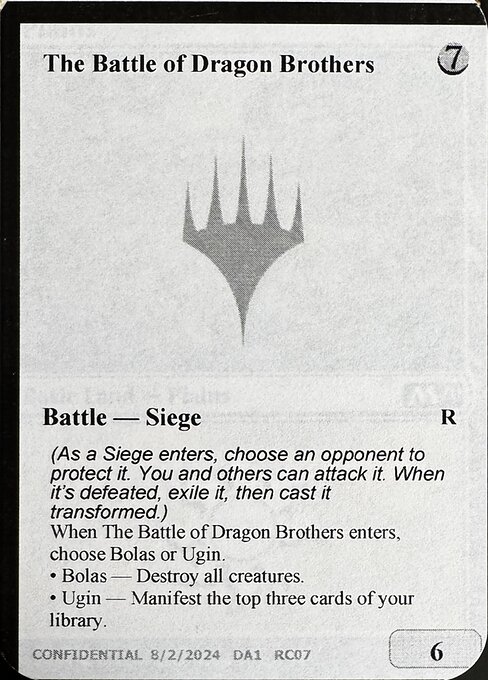 The Battle of Dragon Brothers // Fate ReforgedBattle — Siege // Enchantment — Saga
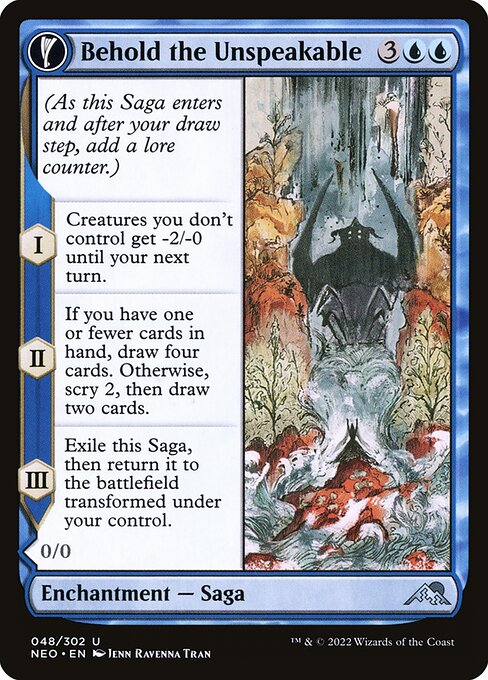 Behold the Unspeakable // Vision of the UnspeakableEnchantment — Saga // Enchantment Creature — Spirit
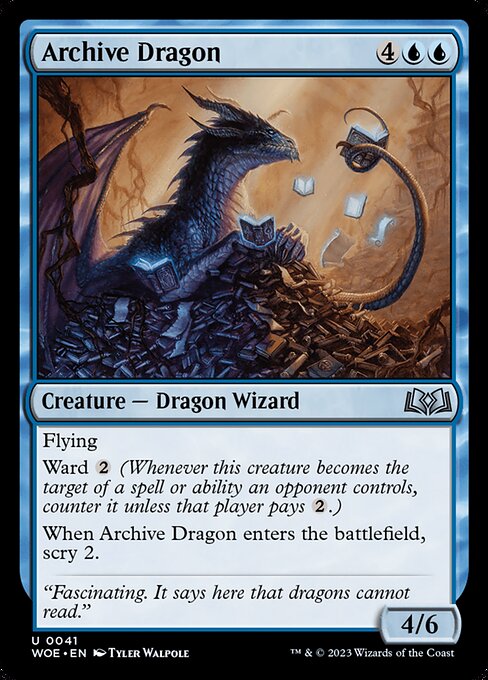 Archive Dragon
 Creature — Dragon Wizard
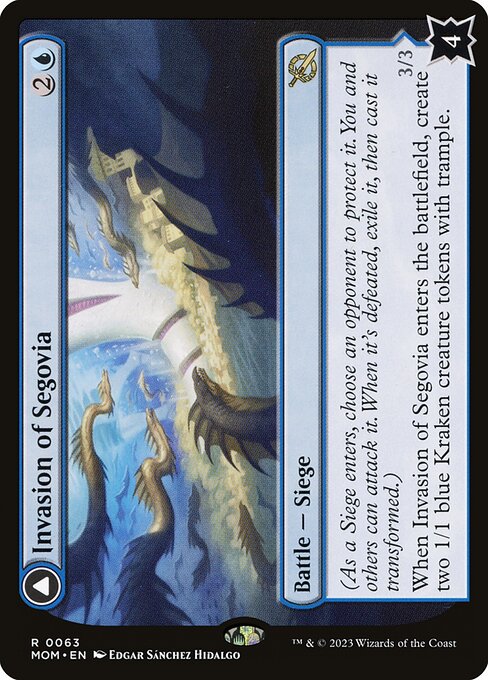 Invasion of Segovia // Caetus, Sea Tyrant of SegoviaBattle — Siege // Legendary Creature — Serpent
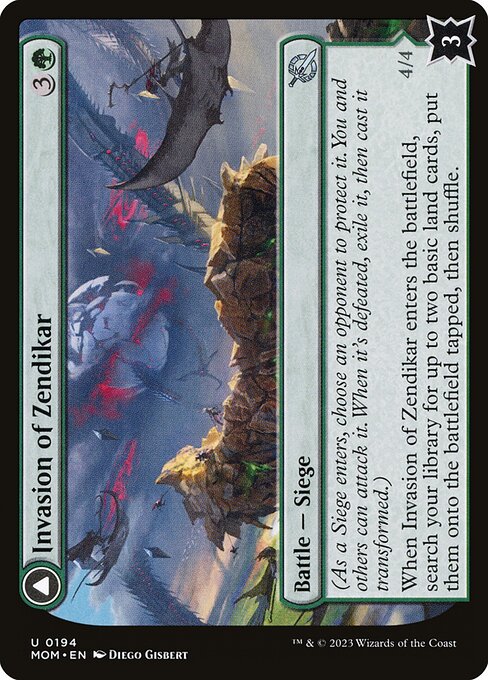 Invasion of Zendikar // Awakened SkyclaveBattle — Siege // Creature — Elemental
Show 20 more similar cards
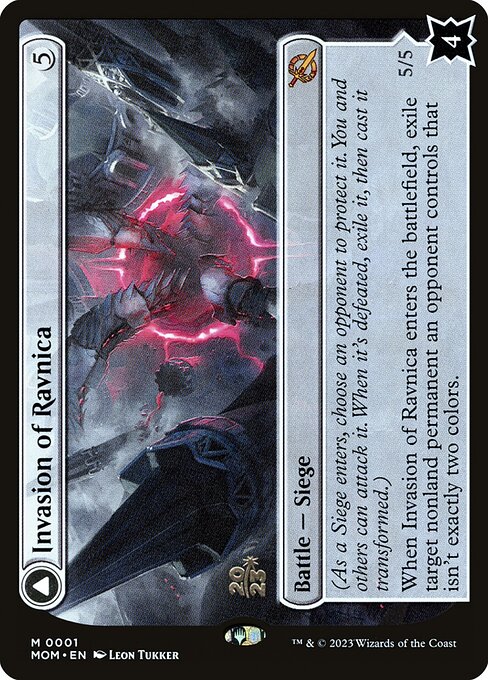 Invasion of Ravnica // Guildpact ParagonBattle — Siege // Artifact Creature — Construct
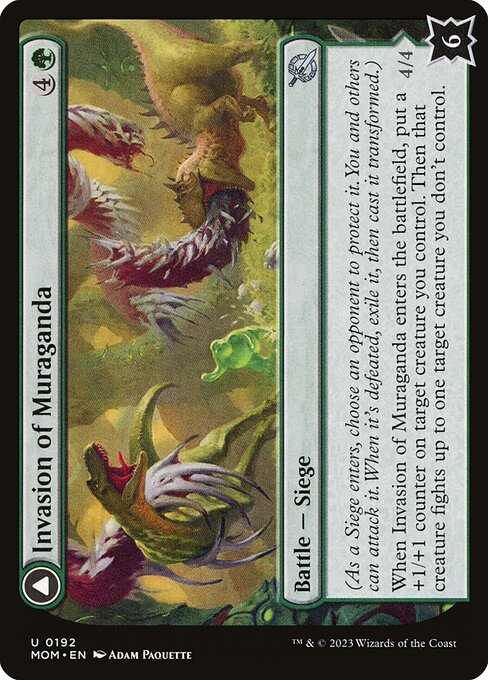 Invasion of Muraganda // Primordial PlasmBattle — Siege // Creature — Ooze
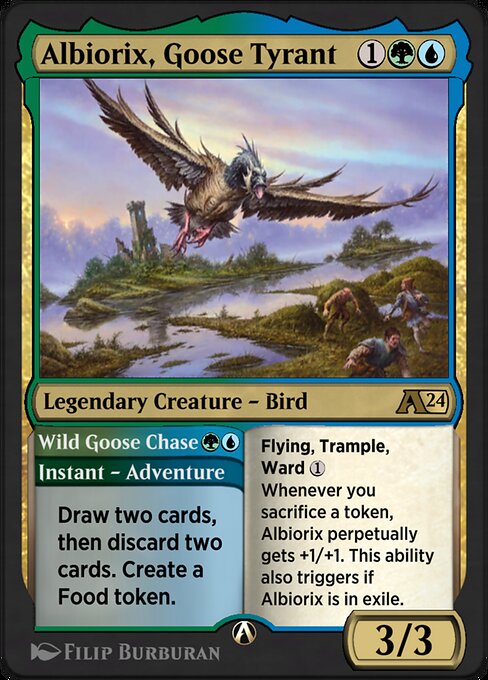 Albiorix, Goose Tyrant // Wild Goose Chase
 // Legendary Creature — Bird // Instant — Adventure
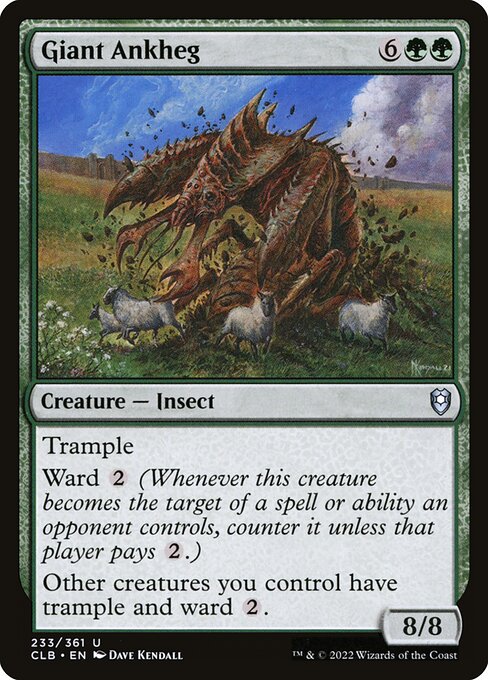 Giant Ankheg
 Creature — Insect
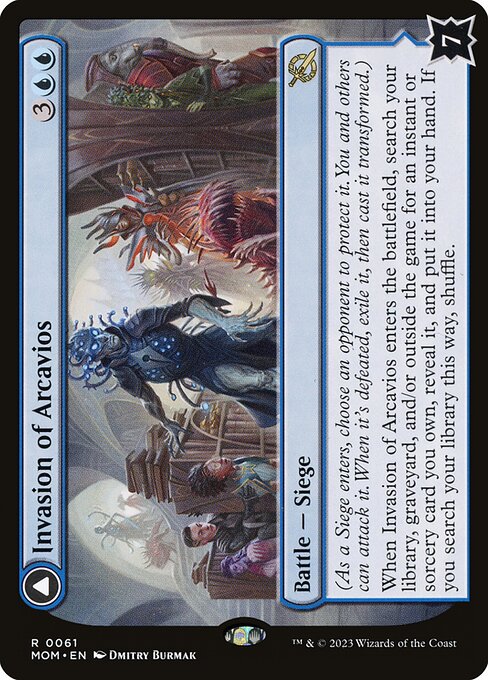 Invasion of Arcavios // Invocation of the FoundersBattle — Siege // Enchantment
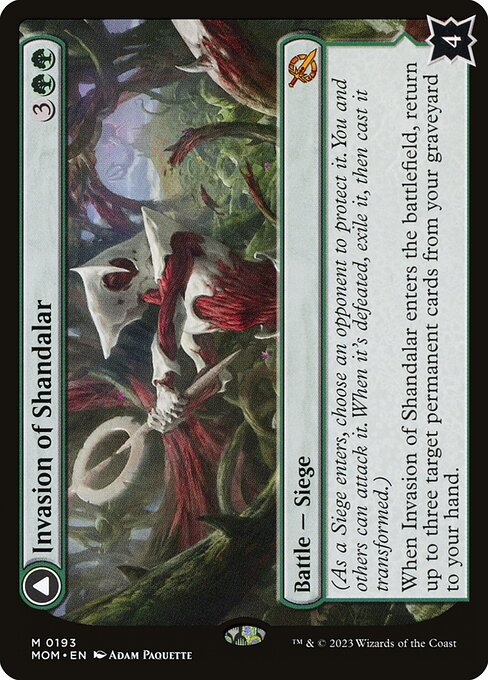 Invasion of Shandalar // Leyline SurgeBattle — Siege // Enchantment
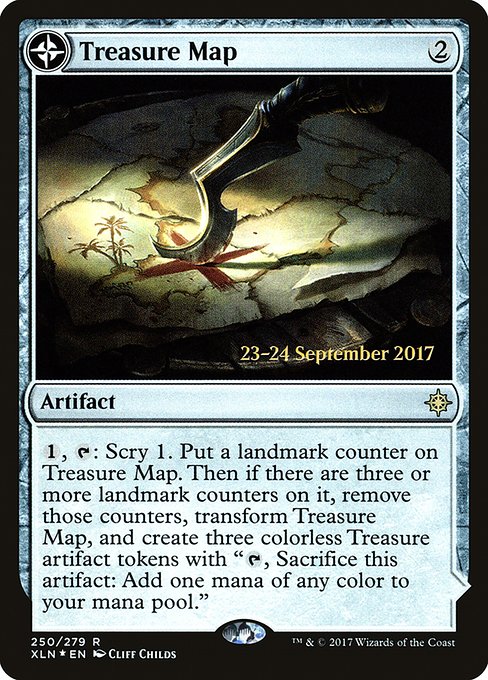 Treasure Map // Treasure CoveArtifact // Land
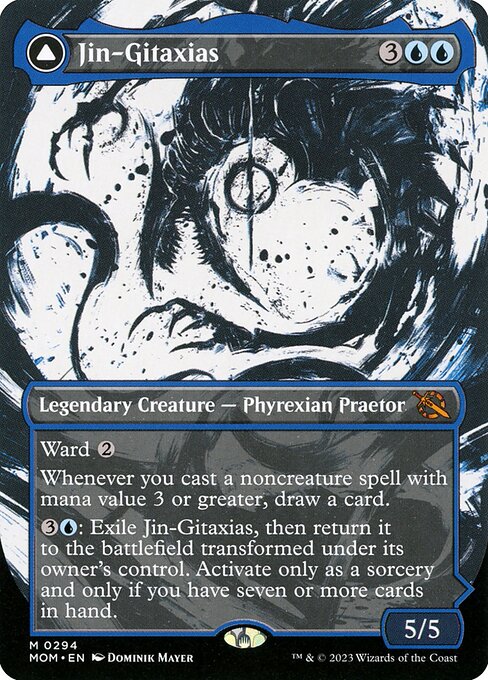 Jin-Gitaxias // The Great SynthesisLegendary Creature — Phyrexian Praetor // Enchantment — Saga
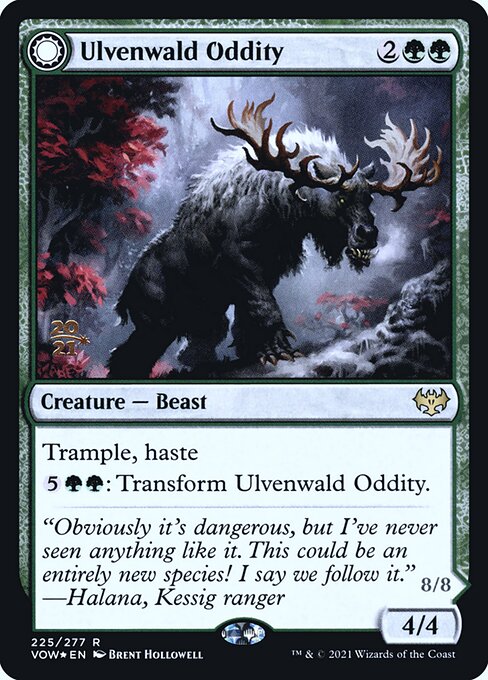 Ulvenwald Oddity // Ulvenwald BehemothCreature — Beast // Creature — Beast Horror
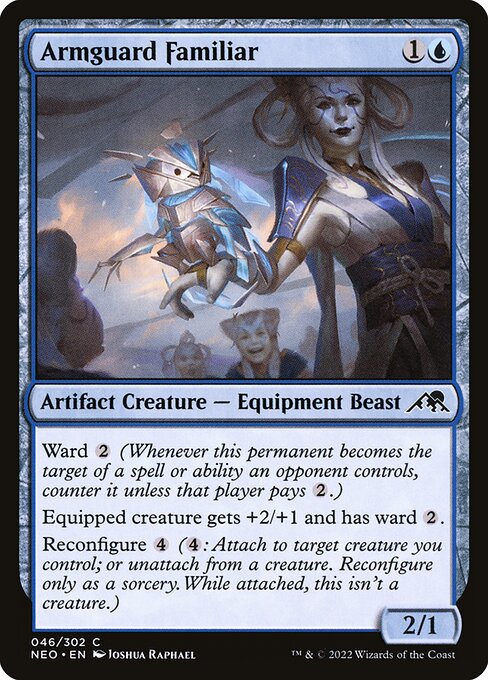 Armguard FamiliarArtifact Creature — Equipment Beast
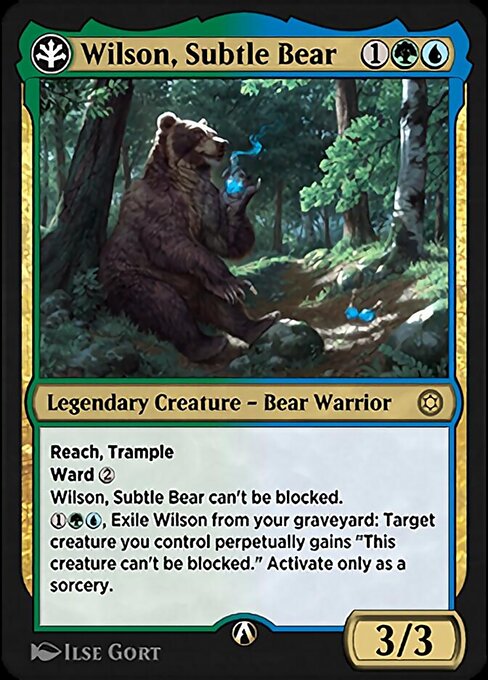 Wilson, Subtle BearLegendary Creature — Bear Warrior
 Koma, World-Eater
 Legendary Creature — Serpent
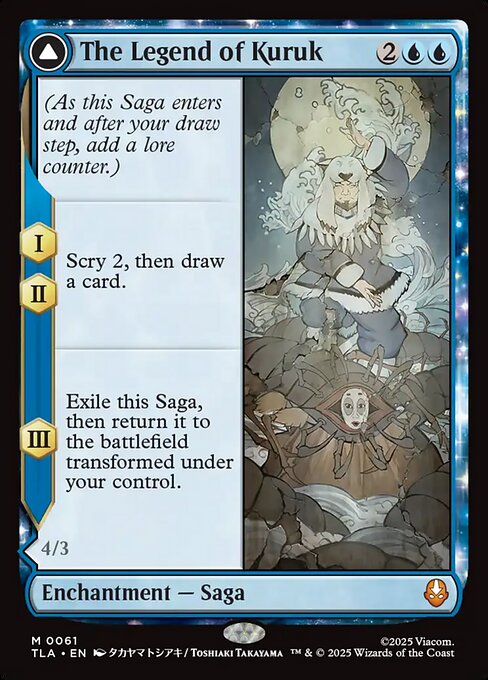 The Legend of Kuruk // Avatar KurukEnchantment — Saga // Legendary Creature — Avatar
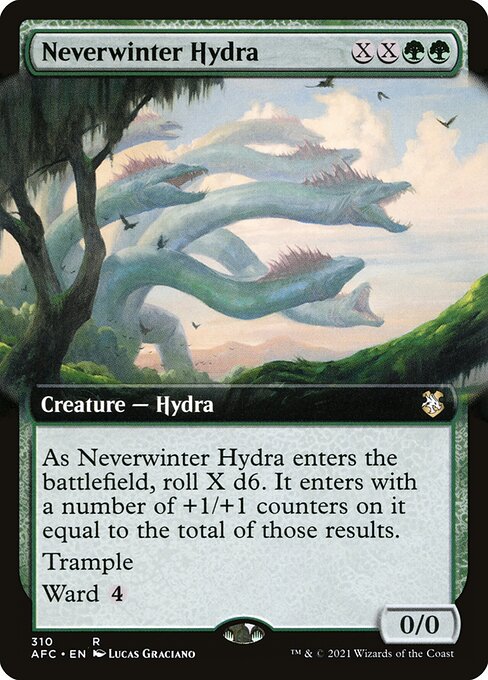 Neverwinter Hydra
 Creature — Hydra
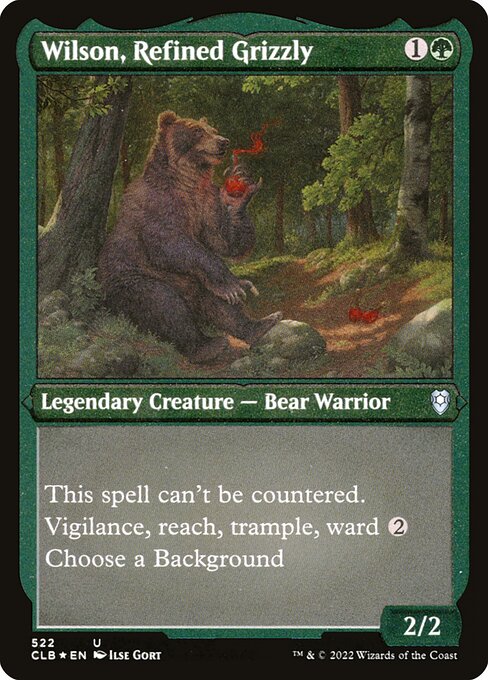 Wilson, Refined GrizzlyLegendary Creature — Bear Warrior
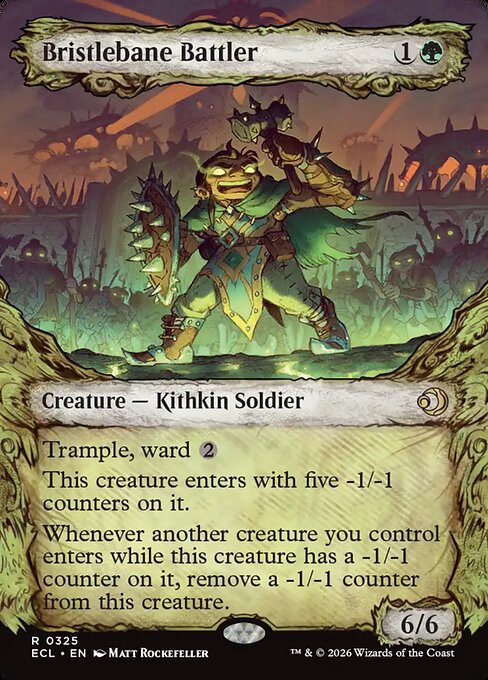 Bristlebane BattlerCreature — Kithkin Soldier
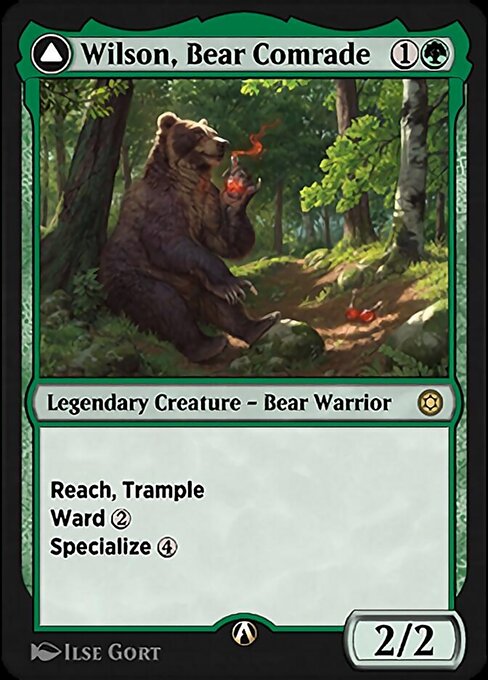 Wilson, Bear ComradeLegendary Creature — Bear Warrior
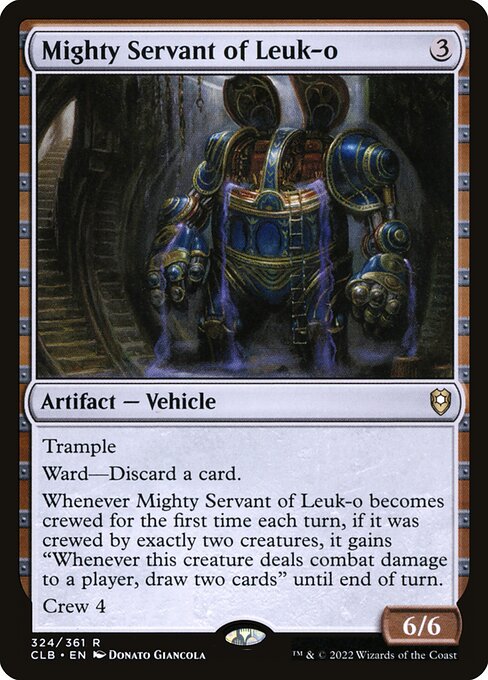 Mighty Servant of Leuk-oArtifact — Vehicle
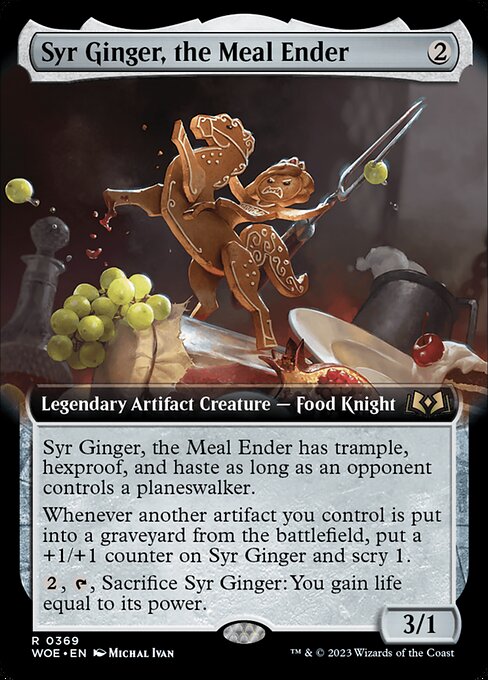 Syr Ginger, the Meal EnderLegendary Artifact Creature — Food Knight
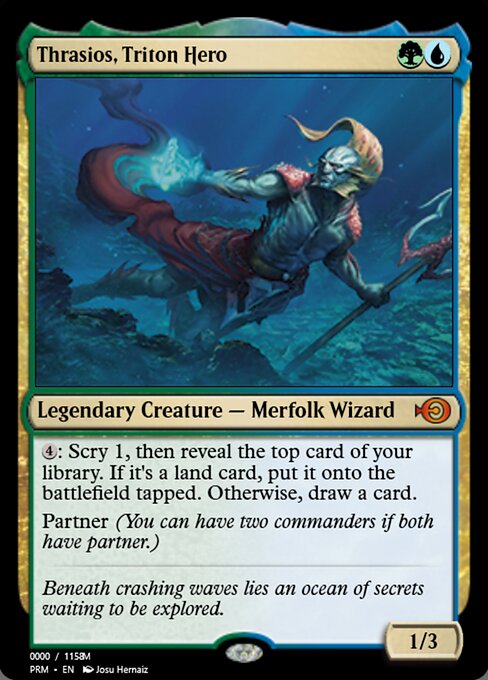 Thrasios, Triton HeroLegendary Creature — Merfolk Wizard