
Lutri, the Spellchaser

 Legendary Creature — Elemental OtterPower and toughness3/2
Card text
Companion — Each nonland card in your starting deck has a different name. (If this card is your chosen companion, you may put it into your hand from outside the game for  as a sorcery.)
Flash
When Lutri enters, if you cast it, copy target instant or sorcery spell you control. You may choose new targets for the copy.
Showing Ikoria: Lair of Behemoths#227
Price
0.48 $
Foil 3.04 $
26 printings · up to 5.21 $
Daily estimate from Scryfall, not a shop quote.
Lutri, the Spellchaser rulings
If you reveal a companion outside the game, for as long as it remains there, you may pay
any time you could cast a sorcery (that is, you have priority during your main phase and the stack is empty). Once you do, you put it into your hand and behaves like any other card you've brought into the game. For example, if it's discarded, countered, or destroyed, it's put into your graveyard, remaining in the game. This is a change from previous rules.Paying
to put your companion into your hand is a special action. It doesn't use the stack and players can't respond to it. Once you take this action, you may cast that card if it's legal to do so before any other player can take actions.Lutri's ability can copy any instant or sorcery spell you control, not just one with targets.
The copy is created on the stack, so it's not "cast." Abilities that trigger when a player casts a spell won't trigger. It will resolve before the original spell does.
The copy will have the same targets as the spell it's copying unless you choose new ones. You may change any number of the targets, including all of them or none of them. If, for one of the targets, you can't choose a new legal target, then it remains unchanged (even if the current target is illegal).
If the spell that's copied is modal (that is, it says "Choose one —" or the like), the copy will have the same mode. A different mode can't be chosen.
If the spell that's copied has an X whose value was determined as it was cast, the copy will have the same value of X.
If the spell has damage divided as it was cast (like Mythos of Vadrok), the division can't be changed, although the targets receiving that damage still can. The same is true of spells that distribute counters.
The controller of a copy can't choose to pay any alternative or additional costs for the copy. However, effects based on any alternative or additional costs that were paid for the original spell are copied as though those same costs were paid for the copy.
Your companion begins the game outside the game. In tournament play, this means your sideboard. In casual play, it's simply a card you own that's not in your starting deck.
Before shuffling your deck to become your library, you may reveal one card from outside the game to be your companion if your starting deck meets the requirements of the companion ability. You can't reveal more than one. It remains revealed outside the game as the game begins.
The requirements of the companion ability apply only to your starting deck. They do not apply to your sideboard.
If more than one player wishes to reveal a companion, the starting player does so first, and players proceed in turn order. Once a player has chosen not to reveal a companion, that player can't change their mind.
If you reveal a companion outside the game, for as long as it remains there, you may pay
any time you could cast a sorcery (that is, you have priority during your main phase and the stack is empty). Once you do, you put it into your hand and behaves like any other card you've brought into the game. For example, if it's discard, countered, or destroyed, it's put into your graveyard, remaining in the game. This is a change from previous rules.Paying
to put your companion into your hand is a special action. It doesn't use the stack and players can't respond to it. Once you take this action, you may cast that card if it's legal to do so before any other player can take actions.The companion's other abilities apply only if the creature is on the battlefield. They have no effect while the companion is outside the game.
The companion ability has no effect if the card is in your starting deck and creates no restriction on putting a card with a companion ability into your starting deck. For example, Zirda may be in your starting deck even if your other permanent cards don't all have activated abilities.
You may have one companion in the Commander variant. Your deck, including your commander, must meet its companion requirement. Your companion is not one of your one hundred cards.
Lutri, the Spellchaser keyword rules
Companion Rule 702.139
Companion is a keyword ability that functions outside the game. It’s written as “Companion—[Condition].” Before the game begins, you may reveal one card you own from outside the game with a companion ability whose condition is fulfilled by your starting deck. (See rule .) Once during the game, any time you have priority and the stack is empty, but only during a main phase of your turn, you may pay {3} and put that card into your hand. This is a special action that doesn’t use the stack (see rule ). This is a change from previous rules.
If a companion ability refers to your starting deck, it refers to your deck after you’ve set aside any sideboard cards. In a Commander game, this is also before you’ve set aside your commander.
Once you take the special action and put the card with companion into your hand, it remains in the game until the game ends.
Flash Rule 702.8
Flash is a static ability that functions in any zone from which you could play the card it’s on. “Flash” means “You may play this card any time you could cast an instant.”
Multiple instances of flash on the same object are redundant.
Lutri, the Spellchaser format legality
Constructed
- StandardNot legal
- PioneerLegal
- ModernLegal
- Future StandardNot legal
Eternal
- LegacyLegal
- VintageLegal
- PauperNot legal
- PremodernNot legal
- Old SchoolNot legal
- Penny DreadfulLegal
Commander
- CommanderLegal
- OathbreakerLegal
- Pauper CommanderNot legal
- Duel CommanderLegal
- PreDHNot legal
Arena & online
- HistoricLegal
- TimelessLegal
- AlchemyNot legal
- GladiatorLegal
- BrawlBanned
- Standard BrawlNot legal
- Competitive BrawlBanned
Other
- TLRLegal
All printings of Lutri, the Spellchaser 26
Cards similar to Lutri, the Spellchaser
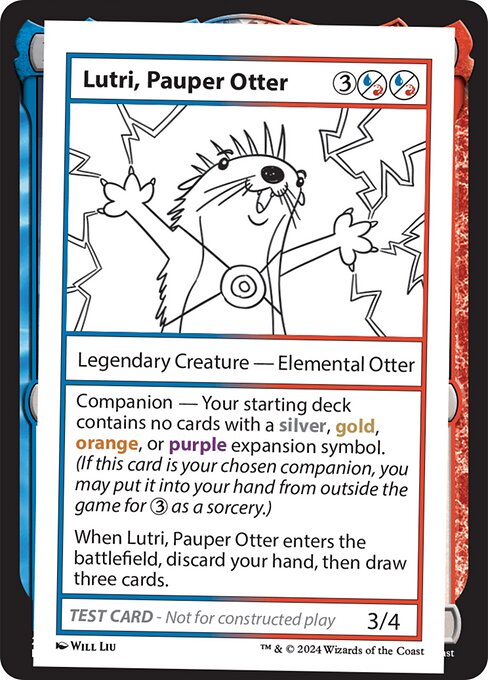 Lutri, Pauper OtterLegendary Creature — Elemental Otter
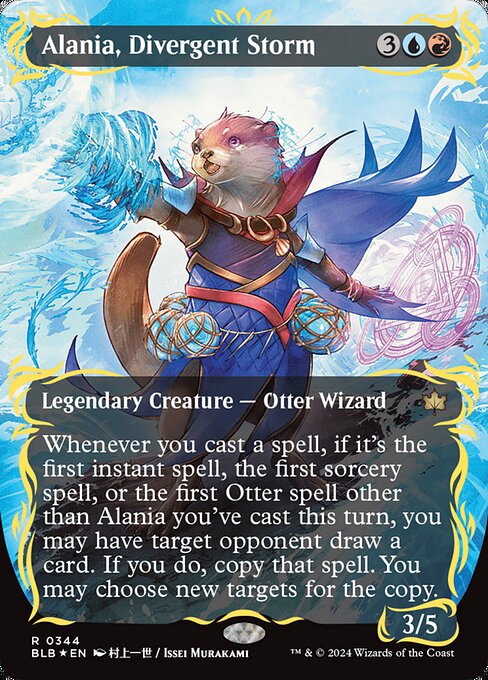 Alania, Divergent Storm
 Legendary Creature — Otter Wizard
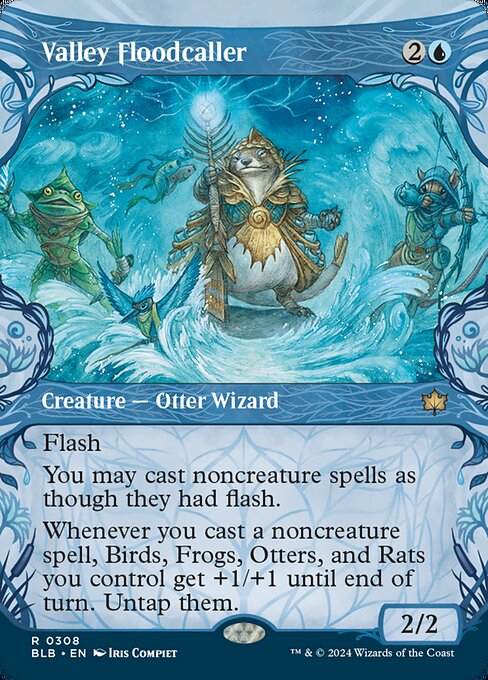 Valley Floodcaller
 Creature — Otter Wizard
 Muddle, the Ever-ChangingLegendary Creature — Elemental Otter Shapeshifter
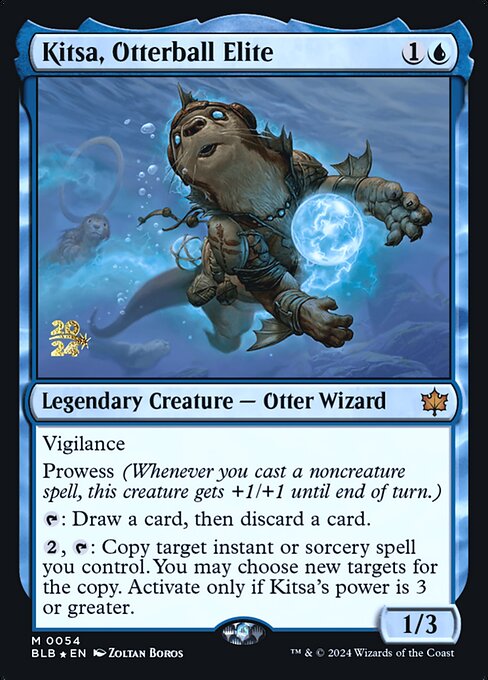 Kitsa, Otterball EliteLegendary Creature — Otter Wizard
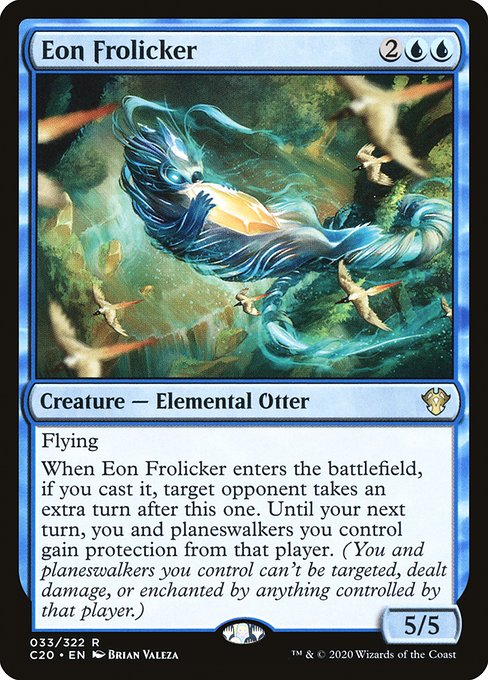 Eon FrolickerCreature — Elemental Otter
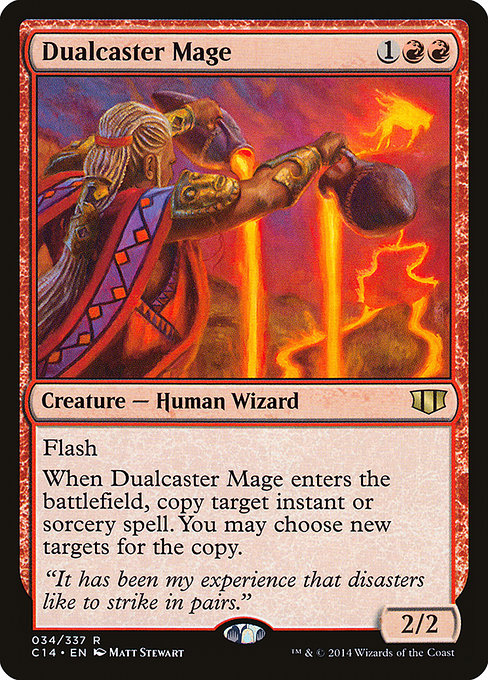 Dualcaster MageCreature — Human Wizard
 Reflective RimekinCreature — Elemental Wizard
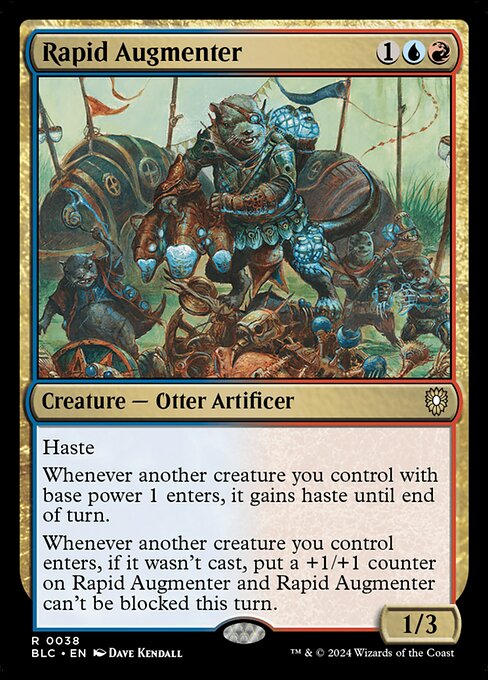 Rapid AugmenterCreature — Otter Artificer
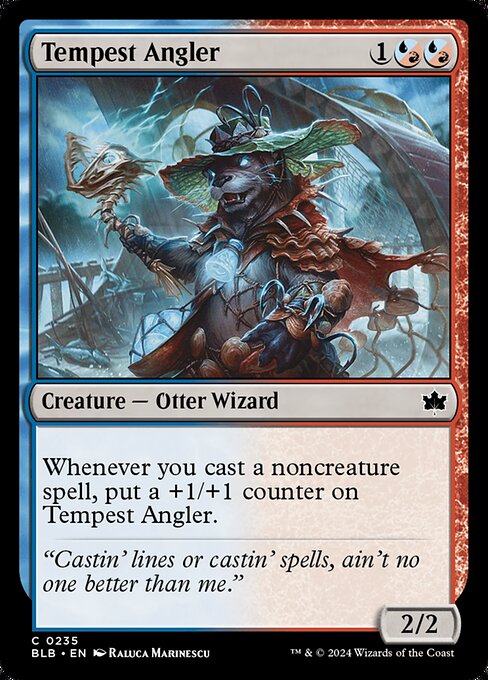 Tempest AnglerCreature — Otter Wizard
Show 20 more similar cards
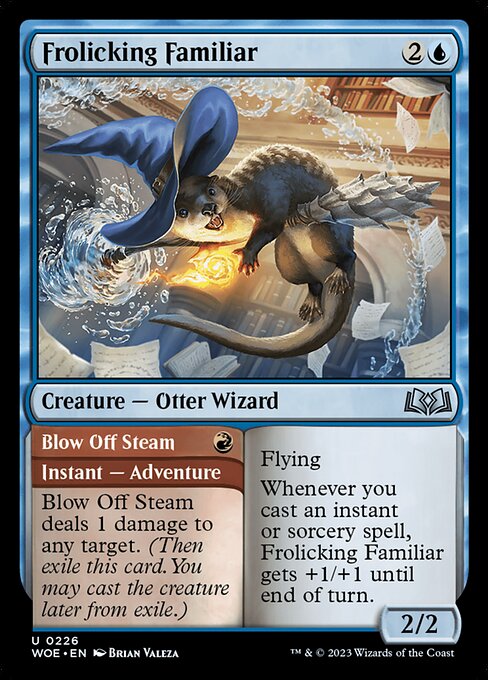 Frolicking Familiar // Blow Off Steam // Creature — Otter Wizard // Instant — Adventure
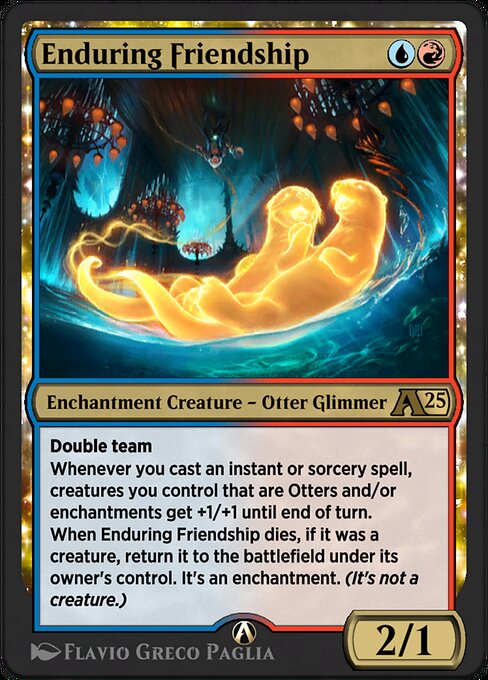 Enduring FriendshipEnchantment Creature — Otter Glimmer
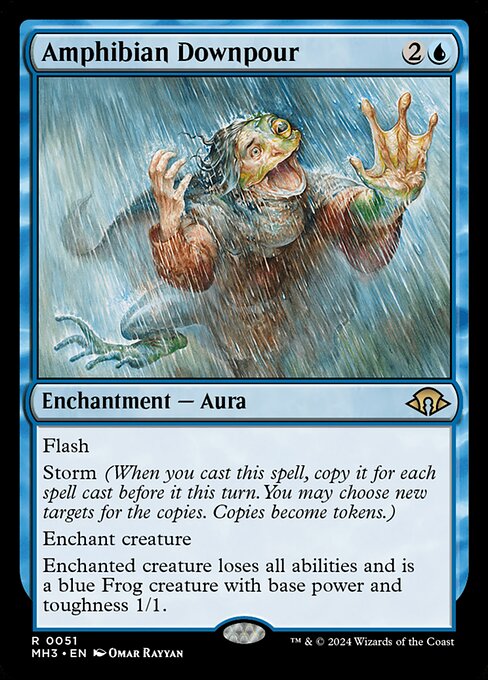 Amphibian DownpourEnchantment — Aura
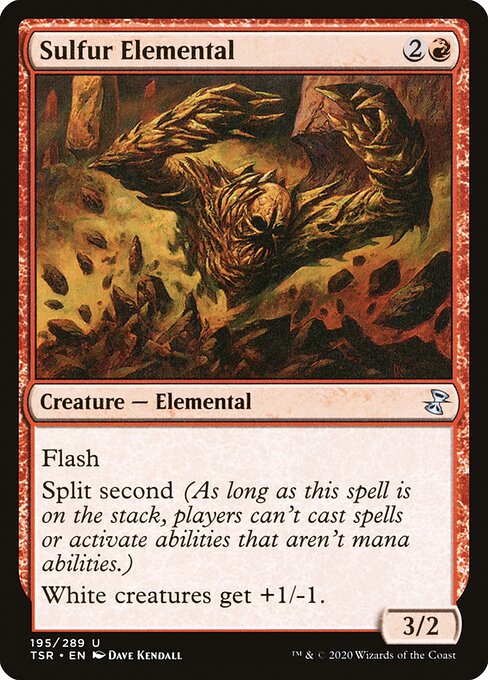 Sulfur ElementalCreature — Elemental
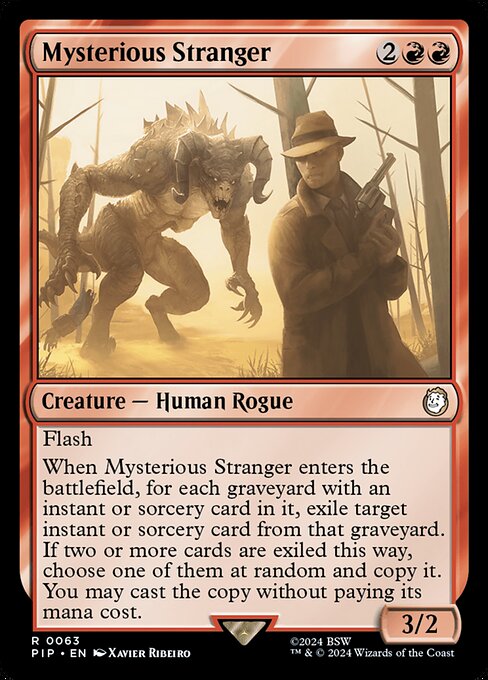 Mysterious StrangerCreature — Human Rogue
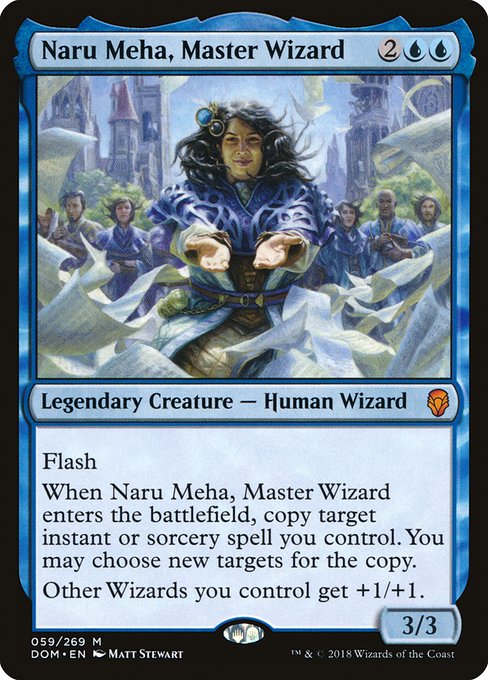 Naru Meha, Master WizardLegendary Creature — Human Wizard
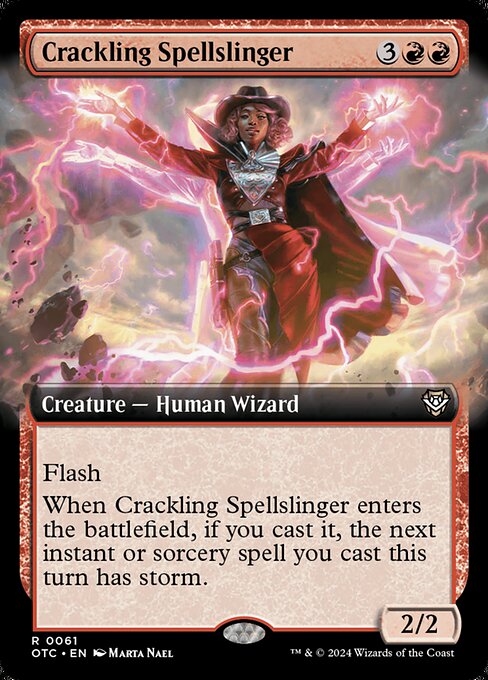 Crackling SpellslingerCreature — Human Wizard
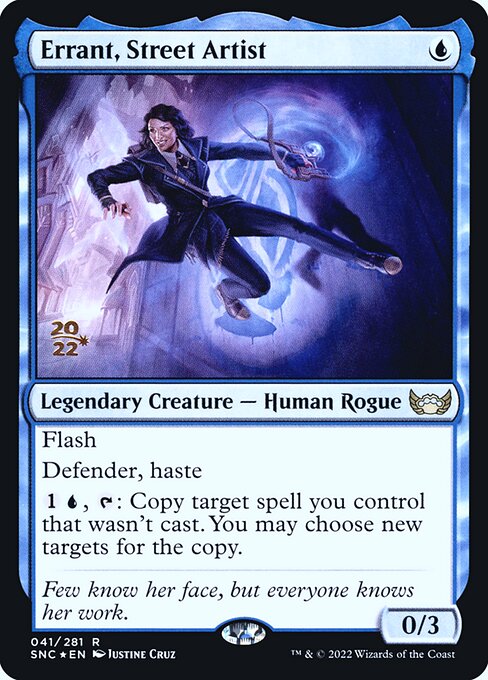 Errant, Street ArtistLegendary Creature — Human Rogue
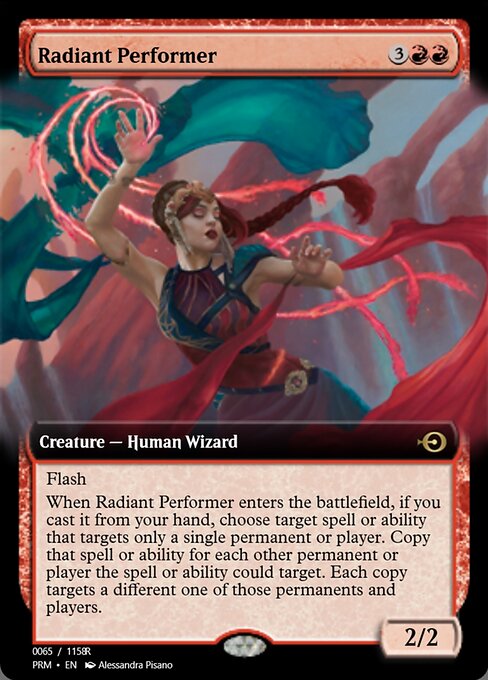 Radiant PerformerCreature — Human Wizard
 Venser, Fervent Forger
 Legendary Creature — Human Sorcerer
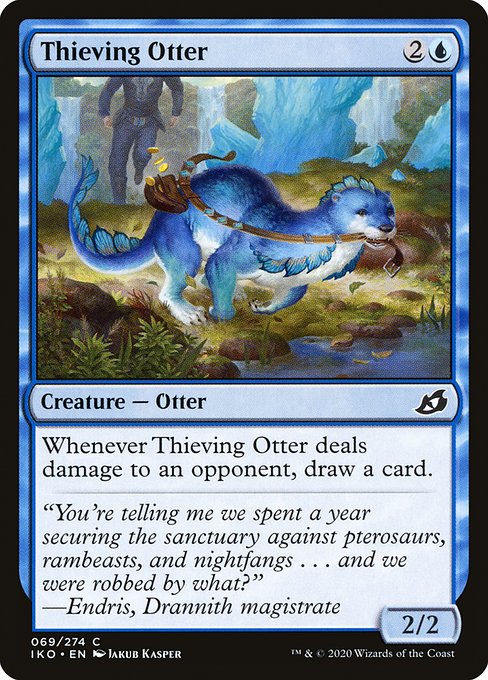 Thieving OtterCreature — Otter
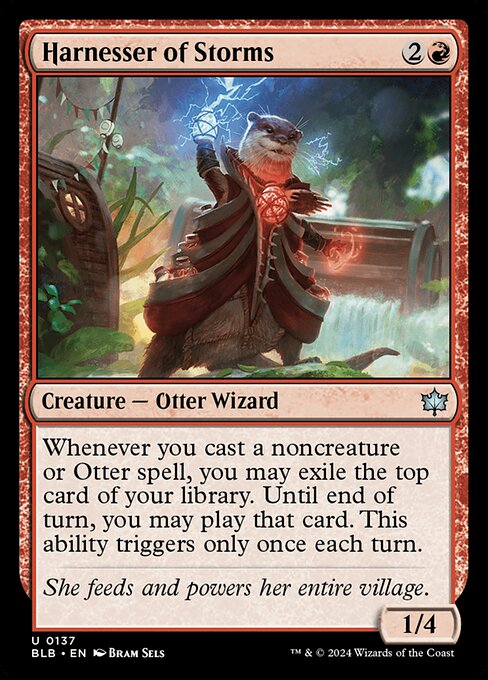 Harnesser of StormsCreature — Otter Wizard
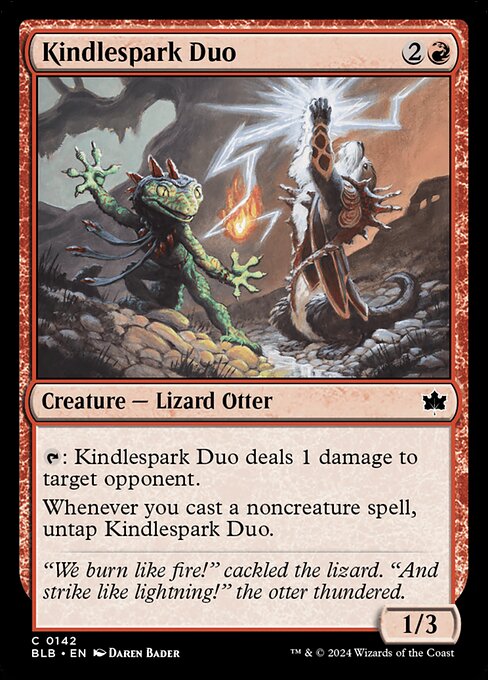 Kindlespark DuoCreature — Lizard Otter
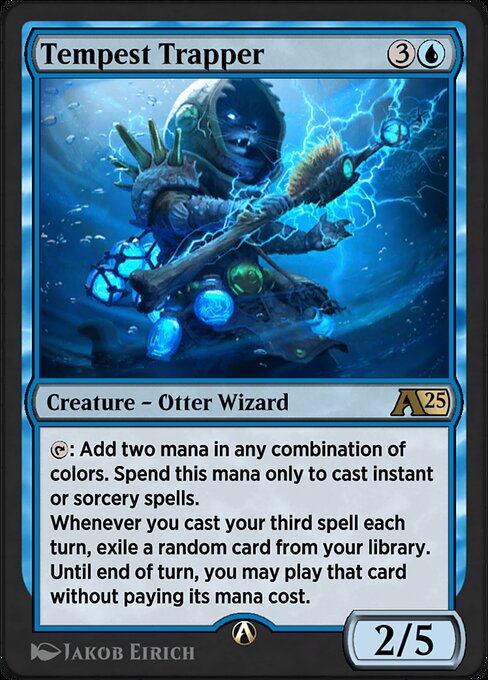 Tempest TrapperCreature — Otter Wizard
 Stormcatch MentorCreature — Otter Wizard
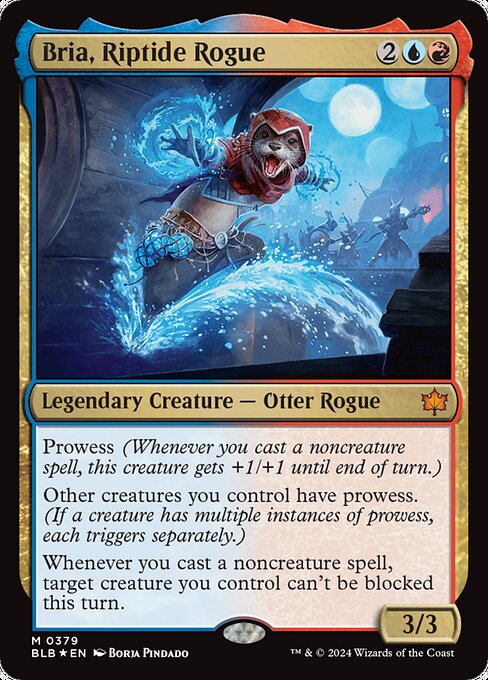 Bria, Riptide RogueLegendary Creature — Otter Rogue
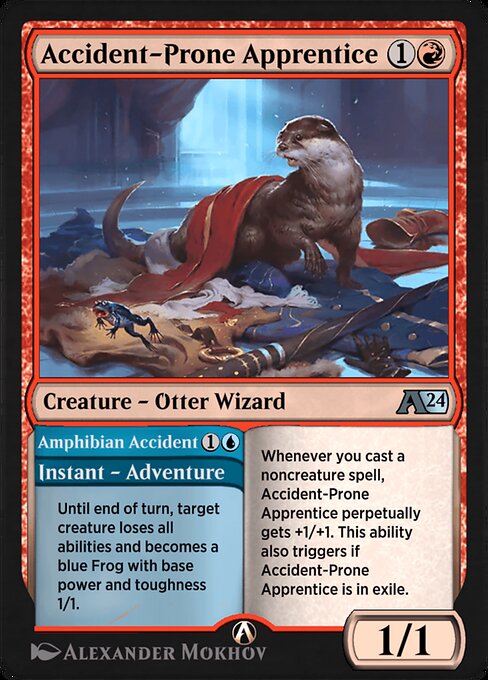 Accident-Prone Apprentice // Amphibian Accident // Creature — Otter Wizard // Instant — Adventure
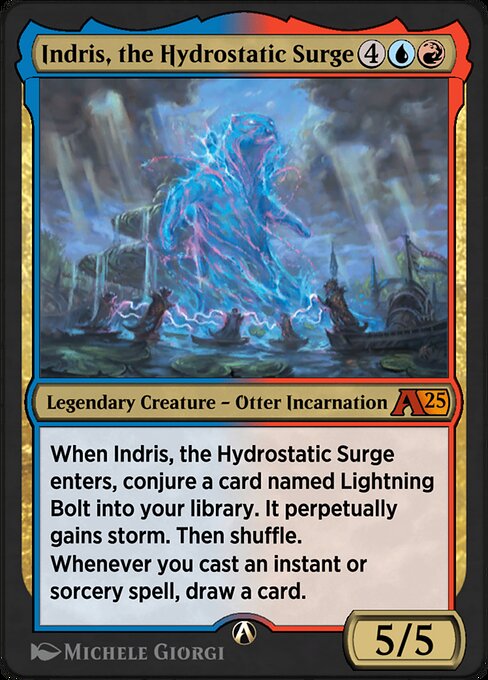 Indris, the Hydrostatic SurgeLegendary Creature — Otter Incarnation
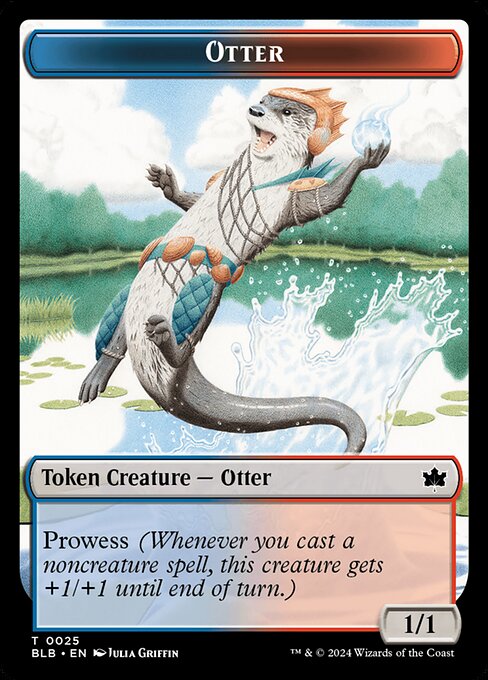 OtterToken Creature — Otter
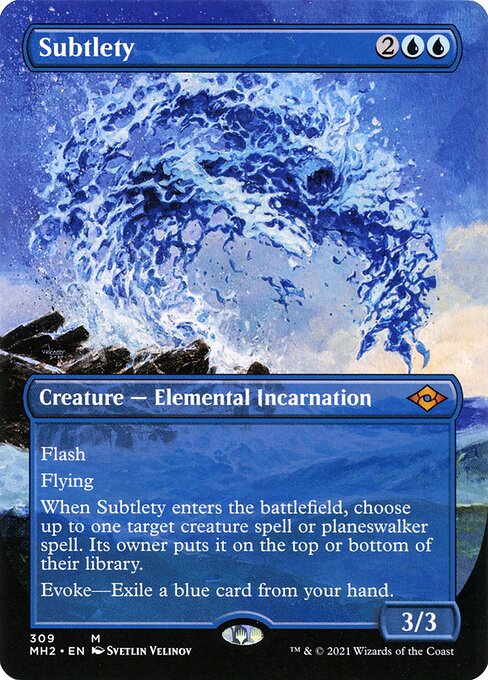 SubtletyCreature — Elemental Incarnation