
Odric, Blood-Cursed


 Legendary Creature — Vampire SoldierPower and toughness3/3
Card text
When Odric enters, create X Blood tokens, where X is the number of abilities from among flying, first strike, double strike, deathtouch, haste, hexproof, indestructible, lifelink, menace, reach, trample, and vigilance found among creatures you control. (Count each ability only once.)
Showing Innistrad: Crimson Vow#243
Price
0.28 $
Foil 0.38 $
24 printings · up to 0.38 $
Daily estimate from Scryfall, not a shop quote.
Odric, Blood-Cursed rulings
If an effect refers to a Blood token, it means any artifact token with the subtype Blood, even if it has gained other subtypes.
You can't sacrifice a Blood token to pay multiple costs.
Some triggered abilities trigger "whenever you sacrifice a Blood token." These abilities trigger regardless of why you sacrificed that Blood token.
Odric, Blood-Cursed counts the number of the listed abilities found, not the number of creatures with those abilities. If you control a single creature with both reach and vigilance as Odric enters the battlefield, you create two Blood tokens. On the other hand, if you control two creatures that each have flying, you create a single Blood token.
Variants of an ability are counted as that ability and are not counted multiple times. For example, if you control a creature with hexproof from blue and another creature with hexproof from black, you create a single Blood token.
Odric, Blood-Cursed keyword rules
Deathtouch Rule 702.2
Deathtouch is a static ability.
A creature with toughness greater than 0 that’s been dealt damage by a source with deathtouch since the last time state-based actions were checked is destroyed as a state-based action. See rule 704.
Any nonzero amount of combat damage assigned to a creature by a source with deathtouch is considered to be lethal damage for the purposes of determining if a proposed combat damage assignment is valid, regardless of that creature’s toughness. See rules –d.
The deathtouch rules function no matter what zone an object with deathtouch deals damage from.
If an object changes zones before an effect causes it to deal damage, its last known information is used to determine whether it had deathtouch.
Multiple instances of deathtouch on the same object are redundant.
Lifelink Rule 702.15
Lifelink is a static ability.
Damage dealt by a source with lifelink causes that source’s controller, or its owner if it has no controller, to gain that much life (in addition to any other results that damage causes). See rule .
If an object changes zones before an effect causes it to deal damage, its last known information is used to determine whether it had lifelink.
The lifelink rules function no matter what zone an object with lifelink deals damage from.
If multiple sources with lifelink deal damage at the same time, they cause separate life gain events (see rules –10).
Multiple instances of lifelink on the same object are redundant.
Reach Rule 702.17
Reach is a static ability.
A creature with flying can’t be blocked except by creatures with flying and/or reach. (See rule , “Declare Blockers Step,” and rule , “Flying.”)
Multiple instances of reach on the same creature are redundant.
Indestructible Rule 702.12
Indestructible is a static ability.
A permanent with indestructible can’t be destroyed. Such permanents aren’t destroyed by lethal damage, and they ignore the state-based action that checks for lethal damage (see rule ).
Multiple instances of indestructible on the same permanent are redundant.
Hexproof Rule 702.11
Hexproof is a static ability.
“Hexproof” on a permanent means “This permanent can’t be the target of spells or abilities your opponents control.”
“Hexproof” on a player means “You can’t be the target of spells or abilities your opponents control.”
“Hexproof from [quality]” is a variant of the hexproof ability. “Hexproof from [quality]” on a permanent means “This permanent can’t be the target of [quality] spells your opponents control or abilities your opponents control from [quality] sources.” A “hexproof from [quality]” ability is a hexproof ability.
Any effect that causes an object to lose hexproof will cause an object to lose all “hexproof from [quality]” abilities. Any effect that allows a player to choose a creature with hexproof as a target as though it didn’t have hexproof will allow a player to choose a creature with a “hexproof from [quality]” ability. Any effect that looks for a card with hexproof will find a card with a “hexproof from [quality]” ability.
“Hexproof from [quality A] and from [quality B]” is shorthand for “hexproof from [quality A]” and “hexproof from [quality B]”; it behaves as two separate hexproof abilities.
“Hexproof from each [characteristic]” is shorthand for “hexproof from [quality A],” “hexproof from [quality B],” and so on for each possible quality the listed characteristic could have; it behaves as multiple separate hexproof abilities.
Multiple instances of the same hexproof ability on the same permanent or player are redundant.
First strike Rule 702.7
First strike is a static ability that modifies the rules for the combat damage step. (See rule , “Combat Damage Step.”)
If at least one attacking or blocking creature has first strike or double strike (see rule ) as the combat damage step begins, the only creatures that assign combat damage in that step are those with first strike or double strike. After that step, instead of proceeding to the end of combat step, the phase gets a second combat damage step. The only creatures that assign combat damage in that step are the remaining attackers and blockers that had neither first strike nor double strike as the first combat damage step began, as well as the remaining attackers and blockers that currently have double strike. After that step, the phase proceeds to the end of combat step.
Giving first strike to a creature without it after combat damage has already been dealt in the first combat damage step won’t preclude that creature from assigning combat damage in the second combat damage step. Removing first strike from a creature after it has already dealt combat damage in the first combat damage step won’t allow it to also assign combat damage in the second combat damage step (unless the creature has double strike).
Multiple instances of first strike on the same creature are redundant.
Haste Rule 702.10
Haste is a static ability.
If a creature has haste, it can attack even if it hasn’t been controlled by its controller continuously since their most recent turn began. (See rule .)
If a creature has haste, its controller can activate its activated abilities whose cost includes the tap symbol or the untap symbol even if that creature hasn’t been controlled by that player continuously since their most recent turn began. (See rule .)
Multiple instances of haste on the same creature are redundant.
Trample Rule 702.19
Trample is a static ability that modifies the rules for assigning an attacking creature’s combat damage. The ability has no effect when a creature with trample is blocking or is dealing noncombat damage. (See rule , “Combat Damage Step.”)
The controller of an attacking creature with trample first assigns damage to the creature(s) blocking it. Once all those blocking creatures are assigned lethal damage, any excess damage is assigned as its controller chooses among those blocking creatures and the player, planeswalker, or battle the creature is attacking. When checking for assigned lethal damage, take into account damage already marked on the creature and damage from other creatures that’s being assigned during the same combat damage step, but not any abilities or effects that might change the amount of damage that’s actually dealt. The attacking creature’s controller need not assign lethal damage to all those blocking creatures but in that case can’t assign any damage to the player or planeswalker it’s attacking.
Trample over planeswalkers is a variant of trample that modifies the rules for assigning combat damage to planeswalkers. The controller of a creature with trample over planeswalkers assigns that creature’s combat damage as described in rule , with one exception. If that creature is attacking a planeswalker, after lethal damage is assigned to all blocking creatures and damage at least equal to the loyalty of the planeswalker the creature is attacking is assigned to that planeswalker, further excess damage may be assigned as the attacking creature’s controller chooses among those blocking creatures, that planeswalker, and that planeswalker’s controller. When checking for assigned damage equal to a planeswalker’s loyalty, take into account damage from other creatures that’s being assigned during the same combat damage step, but not any abilities or effects that might change the amount of damage that’s actually dealt.
If an attacking creature with trample or trample over planeswalkers is blocked, but there are no creatures blocking it when damage is assigned, its damage is assigned to the defending player and/or planeswalker as though all blocking creatures have been assigned lethal damage.
If a creature with trample over planeswalkers is attacking a planeswalker and that planeswalker is removed from combat, the creature’s damage may be assigned to the defending player once all blocking creatures have been dealt lethal damage or, if there are no blocking creatures when damage is assigned, all its damage is assigned to the defending player. This is an exception to rule , and it does not cause the creature to be attacking that player.
If a creature without trample over planeswalkers is attacking a planeswalker, none of its combat damage can be assigned to the defending player, even if that planeswalker has been removed from combat or the damage the attacking creature could assign is greater than the planeswalker’s loyalty.
Multiple instances of trample on the same creature are redundant. Multiple instances of trample over planeswalkers on the same creature are redundant.
Menace Rule 702.111
Menace is an evasion ability.
A creature with menace can’t be blocked except by two or more creatures. (See rule , “Declare Blockers Step.”)
Multiple instances of menace on the same creature are redundant.
Double strike Rule 702.4
Double strike is a static ability that modifies the rules for the combat damage step. (See rule , “Combat Damage Step.”)
If at least one attacking or blocking creature has first strike (see rule ) or double strike as the combat damage step begins, the only creatures that assign combat damage in that step are those with first strike or double strike. After that step, instead of proceeding to the end of combat step, the phase gets a second combat damage step. The only creatures that assign combat damage in that step are the remaining attackers and blockers that had neither first strike nor double strike as the first combat damage step began, as well as the remaining attackers and blockers that currently have double strike. After that step, the phase proceeds to the end of combat step.
Removing double strike from a creature during the first combat damage step will stop it from assigning combat damage in the second combat damage step.
Giving double strike to a creature with first strike after it has already dealt combat damage in the first combat damage step will allow the creature to assign combat damage in the second combat damage step.
Multiple instances of double strike on the same creature are redundant.
Odric, Blood-Cursed format legality
Constructed
- StandardNot legal
- PioneerLegal
- ModernLegal
- Future StandardNot legal
Eternal
- LegacyLegal
- VintageLegal
- PauperNot legal
- PremodernNot legal
- Old SchoolNot legal
- Penny DreadfulLegal
Commander
- CommanderLegal
- OathbreakerLegal
- Pauper CommanderNot legal
- Duel CommanderLegal
- PreDHNot legal
Arena & online
- HistoricLegal
- TimelessLegal
- AlchemyNot legal
- GladiatorLegal
- BrawlLegal
- Standard BrawlNot legal
- Competitive BrawlLegal
Other
- TLRLegal
All printings of Odric, Blood-Cursed 24
Cards similar to Odric, Blood-Cursed
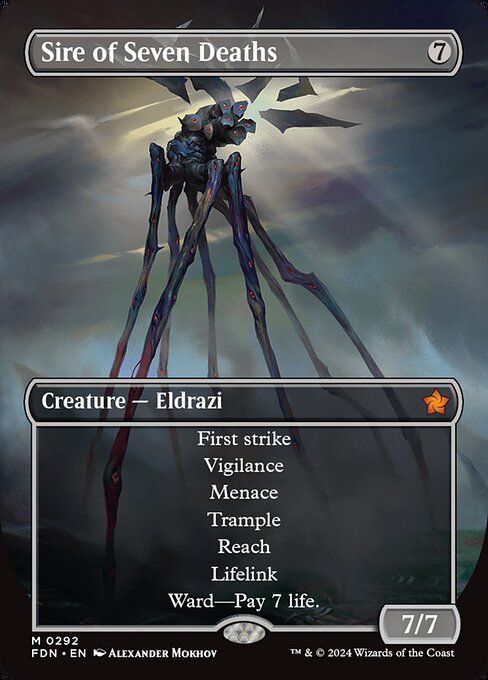 Sire of Seven Deaths
 Creature — Eldrazi
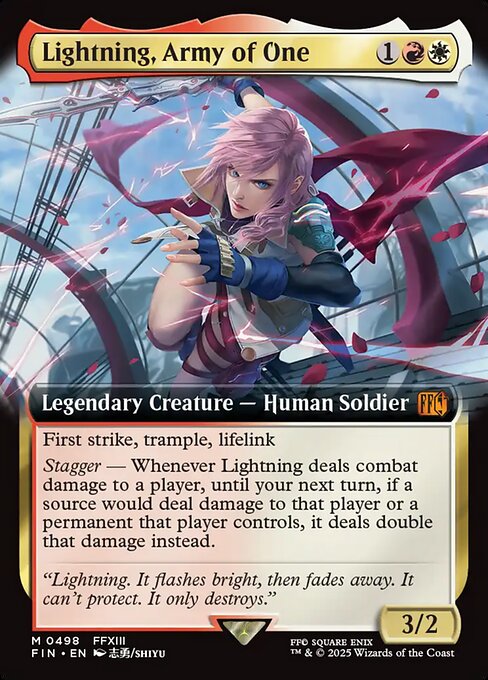 Lightning, Army of OneLegendary Creature — Human Soldier
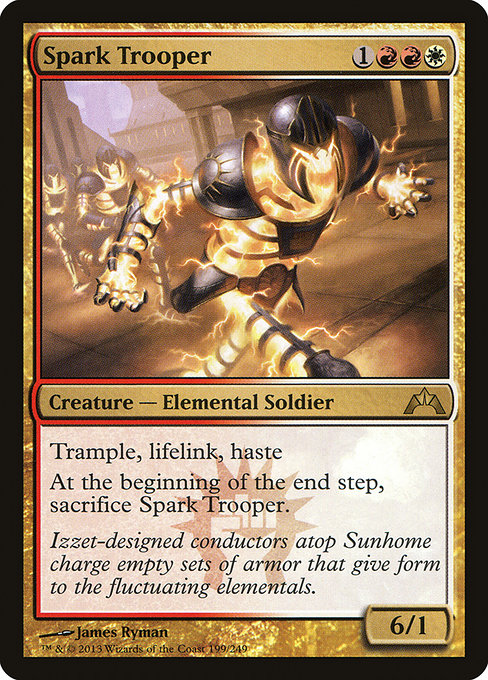 Spark TrooperCreature — Elemental Soldier
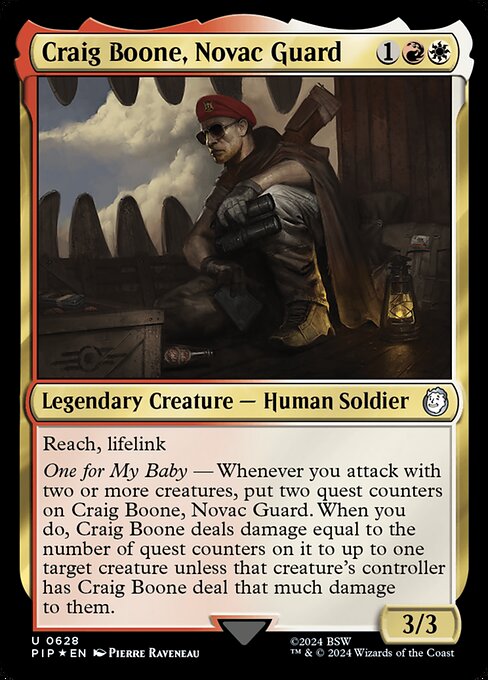 Craig Boone, Novac GuardLegendary Creature — Human Soldier
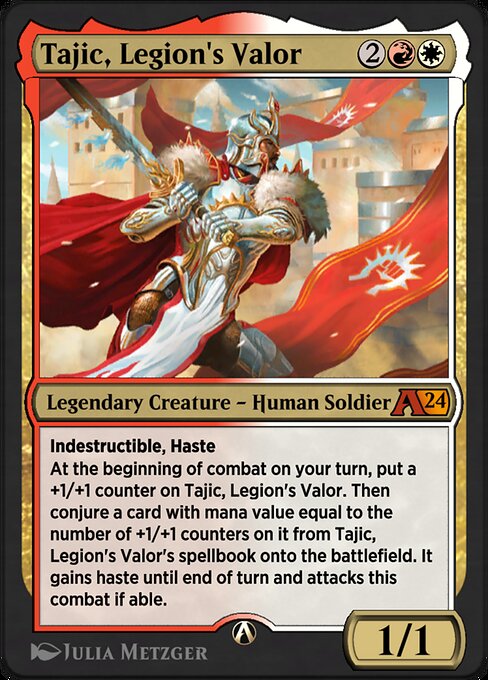 Tajic, Legion's Valor
 Legendary Creature — Human Soldier
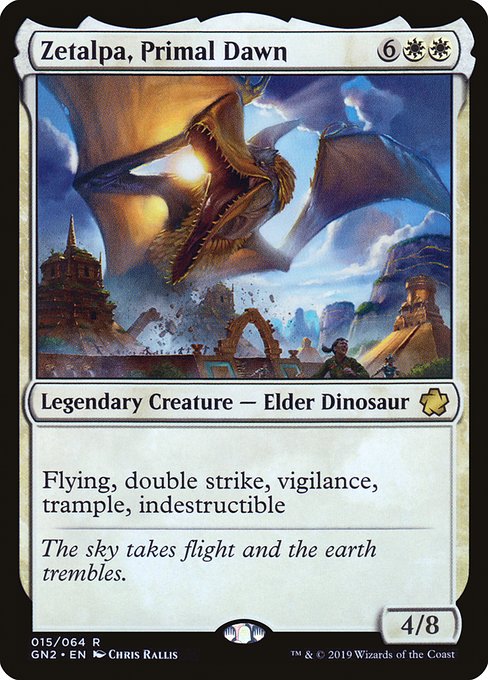 Zetalpa, Primal Dawn
 Legendary Creature — Elder Dinosaur
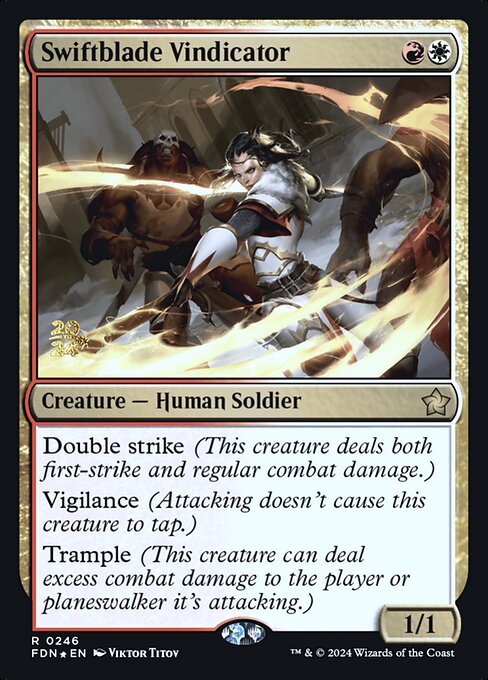 Swiftblade VindicatorCreature — Human Soldier
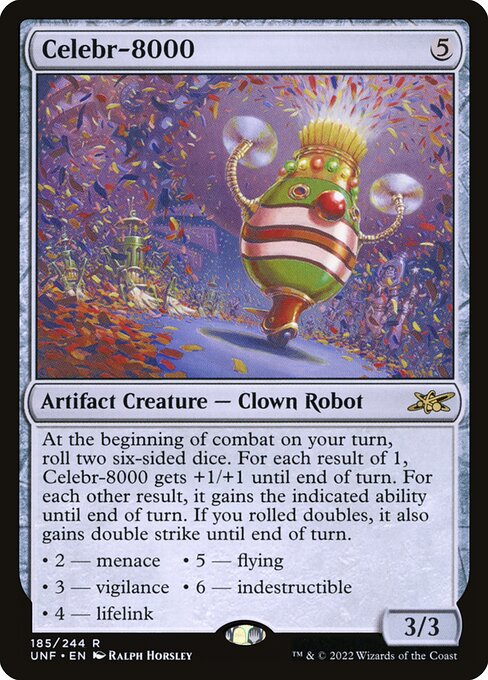 Celebr-8000
 Artifact Creature — Clown Robot
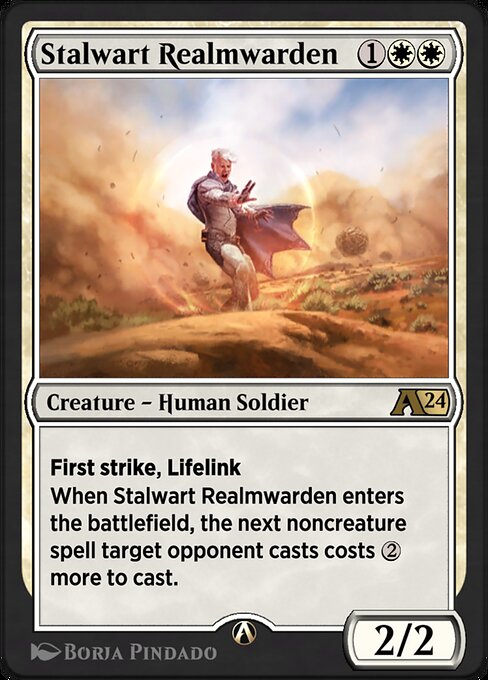 Stalwart RealmwardenCreature — Human Soldier
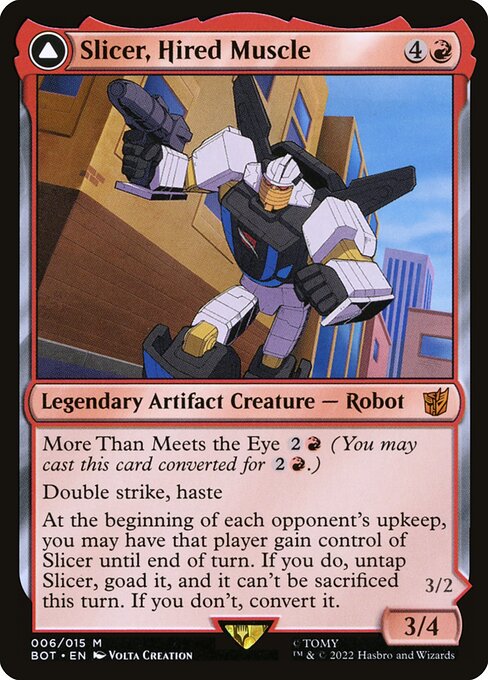 Slicer, Hired Muscle // Slicer, High-Speed AntagonistLegendary Artifact Creature — Robot // Legendary Artifact — Vehicle
Show 20 more similar cards
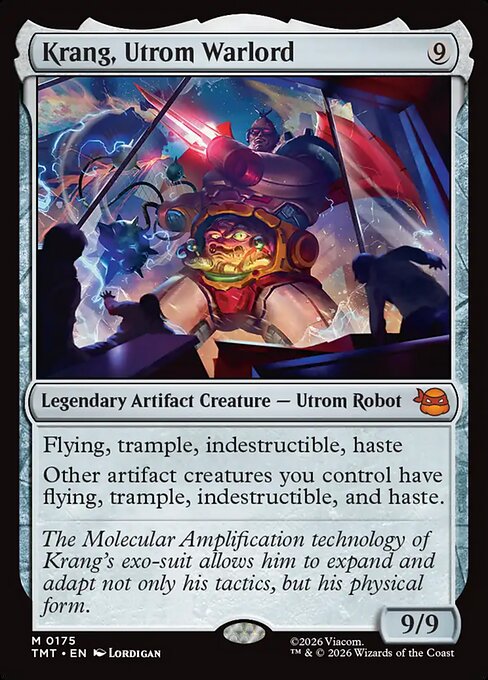 Krang, Utrom Warlord
 Legendary Artifact Creature — Utrom Robot
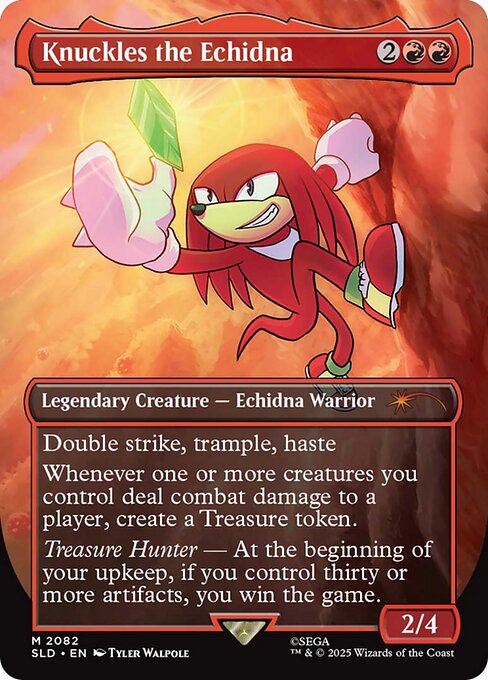 Knuckles the EchidnaLegendary Creature — Echidna Warrior
 Captain Marvel, Apex AvengerLegendary Creature — Human Kree Hero
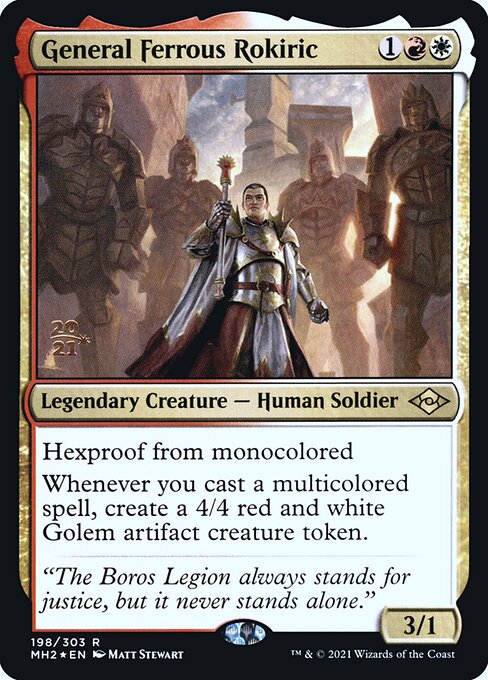 General Ferrous RokiricLegendary Creature — Human Soldier
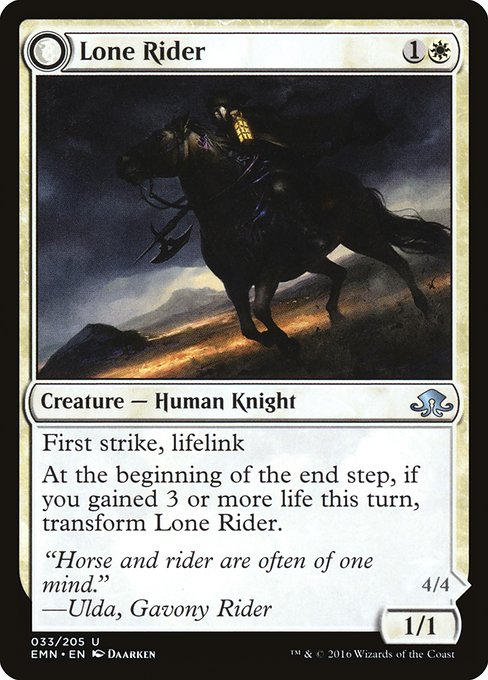 Lone Rider // It That Rides as OneCreature — Human Knight // Creature — Eldrazi Horror
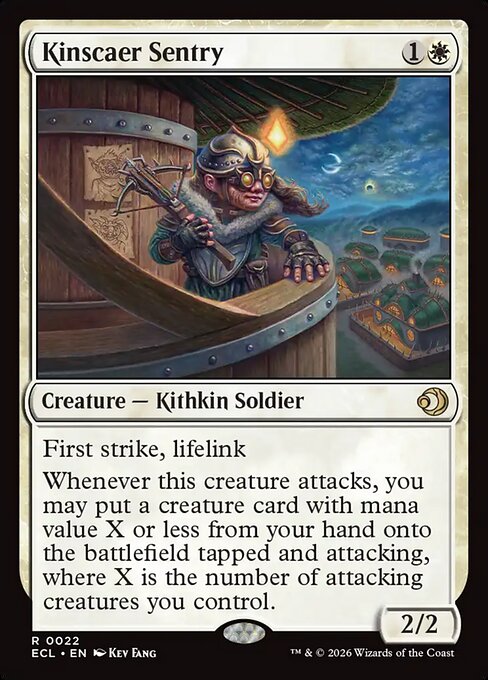 Kinscaer SentryCreature — Kithkin Soldier
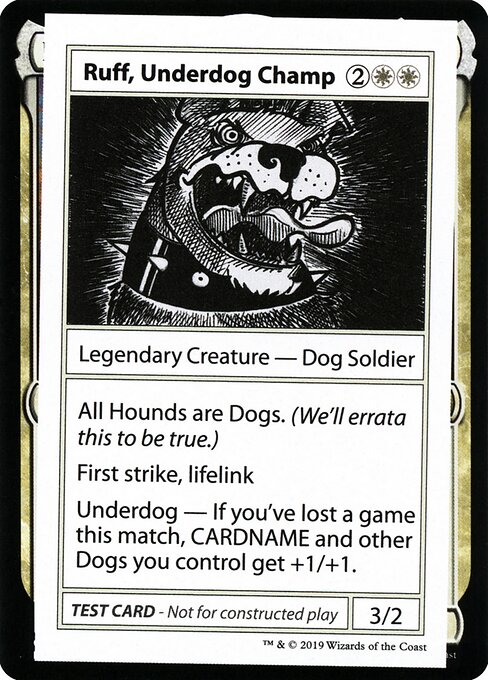 Ruff, Underdog ChampLegendary Creature — Dog Soldier
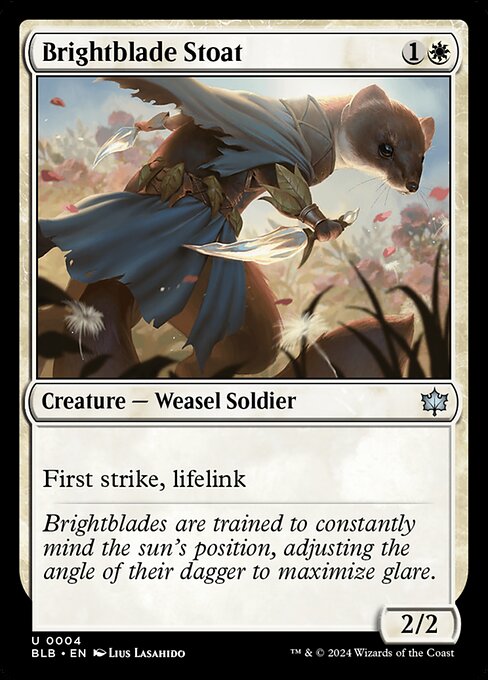 Brightblade StoatCreature — Weasel Soldier
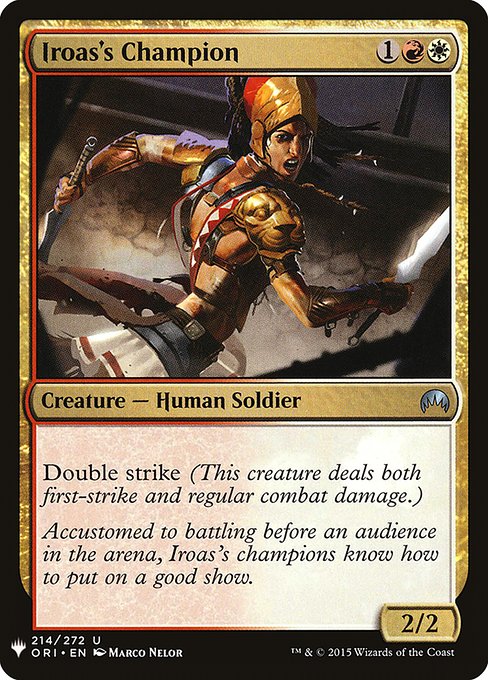 Iroas's ChampionCreature — Human Soldier
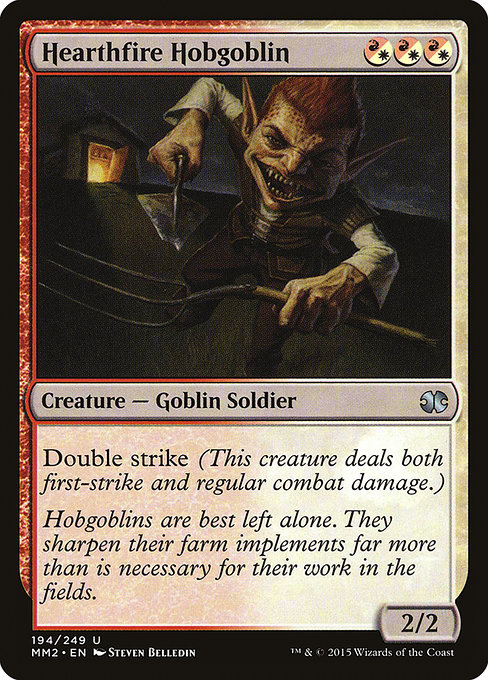 Hearthfire Hobgoblin
 Creature — Goblin Soldier
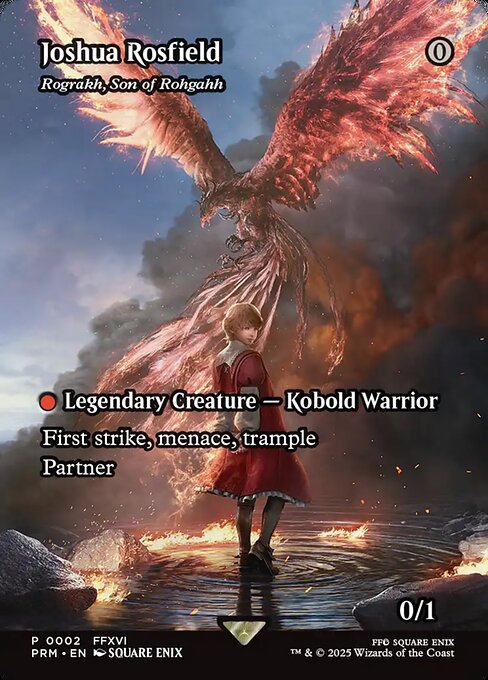 Rograkh, Son of Rohgahh
 Legendary Creature — Kobold Warrior
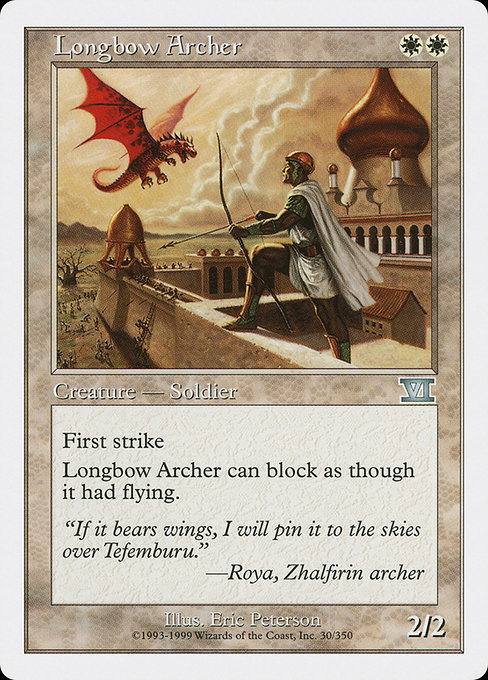 Longbow ArcherCreature — Human Soldier Archer
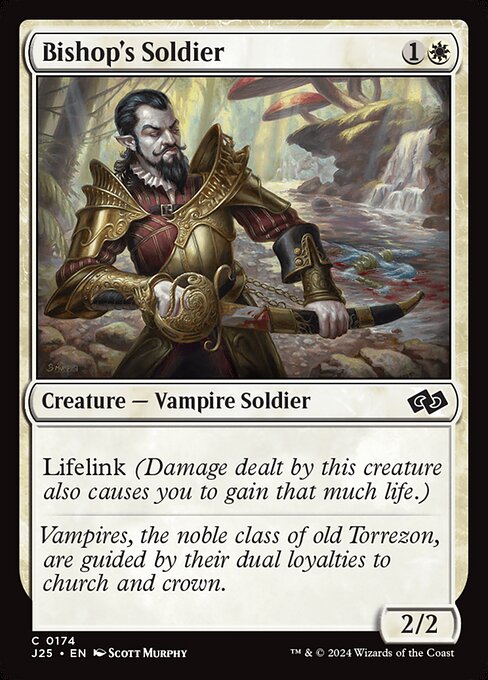 Bishop's SoldierCreature — Vampire Soldier
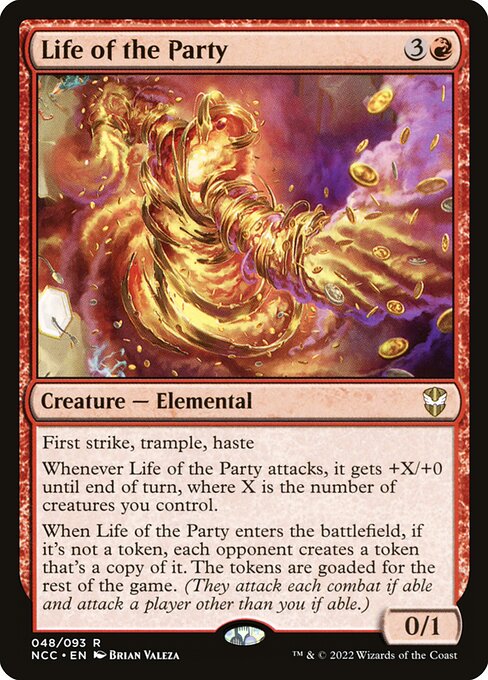 Life of the Party
 Creature — Elemental
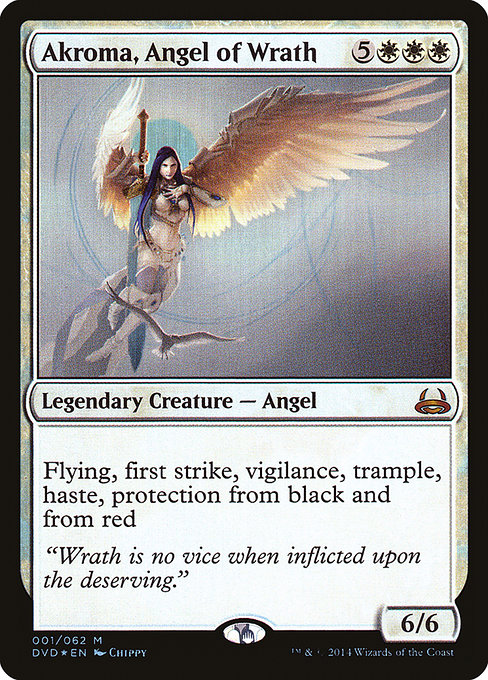 Akroma, Angel of WrathLegendary Creature — Angel
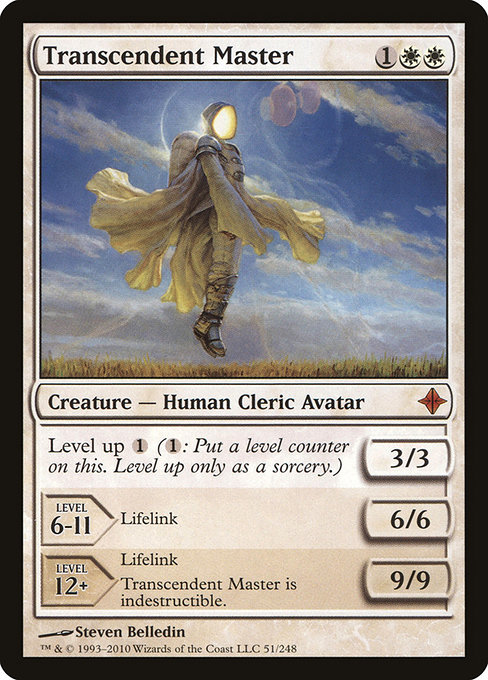 Transcendent MasterCreature — Human Cleric Avatar
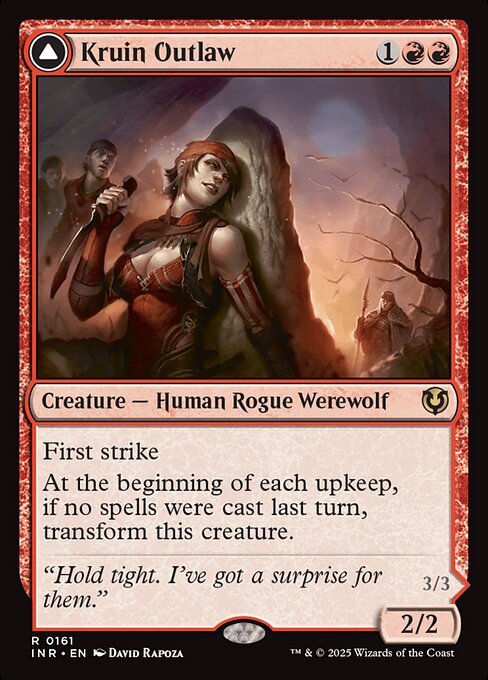 Kruin Outlaw // Terror of Kruin PassCreature — Human Rogue Werewolf // Creature — Werewolf
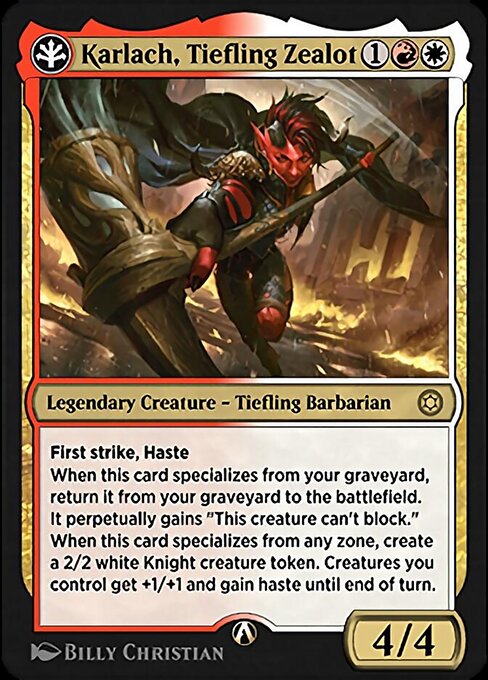 Karlach, Tiefling ZealotLegendary Creature — Tiefling Barbarian
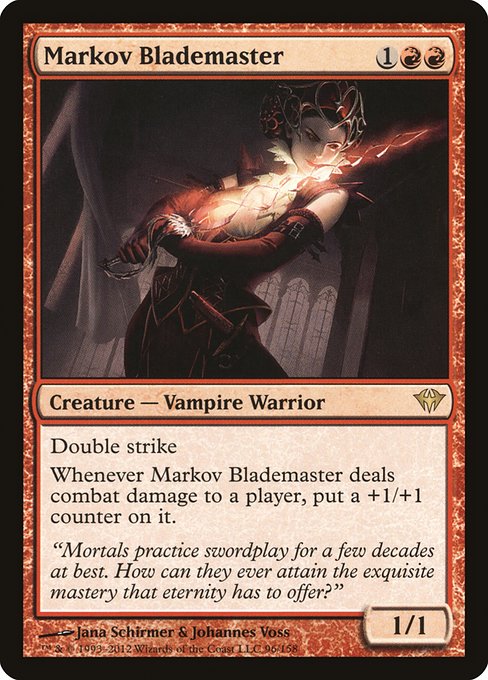 Markov BlademasterCreature — Vampire Warrior
 Oketra the TrueLegendary Creature — God