
Sauron, Lord of the Rings



 Legendary Creature — Avatar HorrorPower and toughness9/9
Card text
When you cast this spell, amass Orcs 5, mill five cards, then return a creature card from your graveyard to the battlefield.
Trample
Whenever a commander an opponent controls dies, the Ring tempts you.
Showing Tales of Middle-earth Commander#4
Price
0.61 $
Foil 0.62 $
15 printings · up to 13.45 $
Daily estimate from Scryfall, not a shop quote.
Sauron, Lord of the Rings rulings
The creature card you choose doesn't need to be a card you milled. You may choose a creature card that was already in your graveyard before you milled.
Sauron, Lord of the Rings's last ability will trigger even if the owner of the commander that died chooses to return it to the command zone after it dies.
As the Ring tempts you, you get an emblem named The Ring if you don't have one. Then your emblem gains its next ability and you choose a creature you control to become (or remain) your Ring-bearer.
The Ring can tempt you even if you don't control a creature. In this case, abilities that trigger "whenever the Ring tempts you" will still trigger.
If the creature you choose as your Ring-bearer was already your Ring-bearer, that still counts as choosing that creature as your Ring-bearer for the purpose of abilities that trigger "whenever you choose a creature as your Ring-bearer" or abilities that care about which creature was chosen as your Ring-bearer.
The Ring gains its abilities in order from top to bottom. Once it gains an ability, it has that ability for the rest of the game.
Each time the Ring tempts you, you must choose a creature if you control one.
Each player can have only one emblem named The Ring and only one Ring-bearer at a time.
Some spells and abilities that cause the Ring to tempt you may require targets. If each target chosen is an illegal target as that spell or ability tries to resolve, it won't resolve. The Ring won't tempt you.
Amass abilities are now written as "amass [subtype] N." Previous cards with amass have received errata to say "amass Zombies N."
To amass Orcs N, if you don't control an Army creature, create a 0/0 black Orc Army creature token. Then you choose an Army creature you control and put N +1/+1 counters on it. If that Army isn't already an Orc, it becomes an Orc in addition to its other types.
Amass Zombies works the same way, except you create a 0/0 black Zombie Army creature token if you don't control an Army. If the Army creature you chose isn't already a Zombie, it becomes a Zombie in addition to its other types. By combining cards with amass Orcs and amass Zombies, you can end up with an Orc Zombie Army.
In the rare case that you control multiple Army creatures (perhaps because you played a creature with changeling) while you amass Orcs, you choose which of your Army creatures to put the +1/+1 counters on. If that creature isn't an Orc, it becomes an Orc in addition to its other types.
If you don't control an Army, the Orc Army token you create enters the battlefield as a 0/0 creature before receiving counters. Any abilities that trigger when a creature with a certain power enters the battlefield, such as that of Mentor of the Meek, will see the token enter as a 0/0 creature before it gets +1/+1 counters.
Some spells and abilities that amass Orcs may require targets. If each target chosen is an illegal target as that spell or ability tries to resolve, it won't resolve. You won't amass Orcs.
Some cards refer to the "amassed Army." That means the Army creature you chose to receive counters, even if no counters were placed on it for some reason.
Sauron, Lord of the Rings keyword rules
Amass Rule 701.44
To amass [subtype] N means “If you don’t control an Army creature, create a 0/0 black [subtype] Army creature token. Choose an Army creature you control. Put N +1/+1 counters on that creature. If it isn’t a [subtype], it becomes a [subtype] in addition to its other types.”
A player “amassed” after the process described in rule is complete, even if some or all of those actions were impossible.
The phrases “the Army you amassed” and “the amassed Army” refer to the creature you chose, whether or not it received counters.
Some older cards were printed with amass N without including a subtype. Those cards have received errata in the Oracle card reference so that they read “amass Zombies N.”
Trample Rule 702.19
Trample is a static ability that modifies the rules for assigning an attacking creature’s combat damage. The ability has no effect when a creature with trample is blocking or is dealing noncombat damage. (See rule , “Combat Damage Step.”)
The controller of an attacking creature with trample first assigns damage to the creature(s) blocking it. Once all those blocking creatures are assigned lethal damage, any excess damage is assigned as its controller chooses among those blocking creatures and the player, planeswalker, or battle the creature is attacking. When checking for assigned lethal damage, take into account damage already marked on the creature and damage from other creatures that’s being assigned during the same combat damage step, but not any abilities or effects that might change the amount of damage that’s actually dealt. The attacking creature’s controller need not assign lethal damage to all those blocking creatures but in that case can’t assign any damage to the player or planeswalker it’s attacking.
Trample over planeswalkers is a variant of trample that modifies the rules for assigning combat damage to planeswalkers. The controller of a creature with trample over planeswalkers assigns that creature’s combat damage as described in rule , with one exception. If that creature is attacking a planeswalker, after lethal damage is assigned to all blocking creatures and damage at least equal to the loyalty of the planeswalker the creature is attacking is assigned to that planeswalker, further excess damage may be assigned as the attacking creature’s controller chooses among those blocking creatures, that planeswalker, and that planeswalker’s controller. When checking for assigned damage equal to a planeswalker’s loyalty, take into account damage from other creatures that’s being assigned during the same combat damage step, but not any abilities or effects that might change the amount of damage that’s actually dealt.
If an attacking creature with trample or trample over planeswalkers is blocked, but there are no creatures blocking it when damage is assigned, its damage is assigned to the defending player and/or planeswalker as though all blocking creatures have been assigned lethal damage.
If a creature with trample over planeswalkers is attacking a planeswalker and that planeswalker is removed from combat, the creature’s damage may be assigned to the defending player once all blocking creatures have been dealt lethal damage or, if there are no blocking creatures when damage is assigned, all its damage is assigned to the defending player. This is an exception to rule , and it does not cause the creature to be attacking that player.
If a creature without trample over planeswalkers is attacking a planeswalker, none of its combat damage can be assigned to the defending player, even if that planeswalker has been removed from combat or the damage the attacking creature could assign is greater than the planeswalker’s loyalty.
Multiple instances of trample on the same creature are redundant. Multiple instances of trample over planeswalkers on the same creature are redundant.
Mill Rule 701.13
For a player to mill a number of cards, that player puts that many cards from the top of their library into their graveyard.
A player can’t mill a number of cards greater than the number of cards in their library. If given the choice to do so, they can’t choose to take that action. If instructed to do so, they mill as many as possible. Similarly, the player can’t pay a cost that includes milling a number of cards greater than the number of cards in their library.
An effect that refers to a milled card can find that card in the zone it moved to from the library, as long as that zone is a public zone.
If an ability checks information about a single milled card but more than one card was milled, that ability refers to each of the milled cards. If that ability asks for any information about the milled card, such as a characteristic or mana value, it gets multiple answers. If these answers are used to determine the value of a variable, the sum of the answers is used. If that ability performs any actions on “the” card, it performs that action on each milled card. If that ability performs any actions on “a” card, the controller of the ability chooses which card is affected.
Sauron, Lord of the Rings format legality
Constructed
- StandardNot legal
- PioneerNot legal
- ModernNot legal
- Future StandardNot legal
Eternal
- LegacyLegal
- VintageLegal
- PauperNot legal
- PremodernNot legal
- Old SchoolNot legal
- Penny DreadfulNot legal
Commander
- CommanderLegal
- OathbreakerLegal
- Pauper CommanderNot legal
- Duel CommanderLegal
- PreDHNot legal
Arena & online
- HistoricLegal
- TimelessLegal
- AlchemyNot legal
- GladiatorLegal
- BrawlLegal
- Standard BrawlNot legal
- Competitive BrawlLegal
Other
- TLRNot legal
All printings of Sauron, Lord of the Rings 15
Cards similar to Sauron, Lord of the Rings
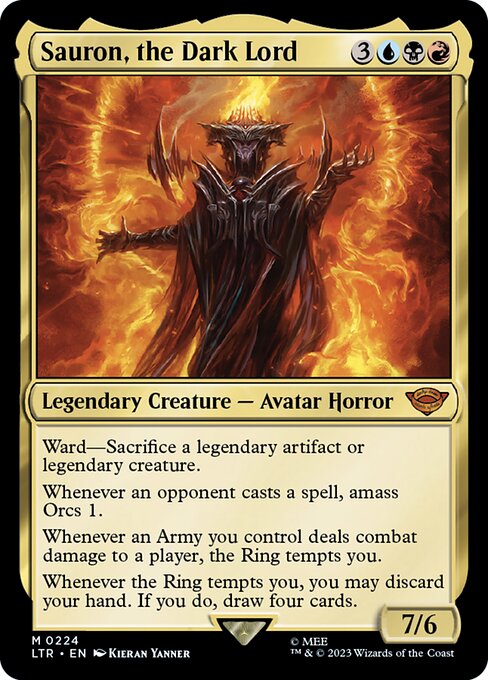 Sauron, the Dark Lord
 Legendary Creature — Avatar Horror
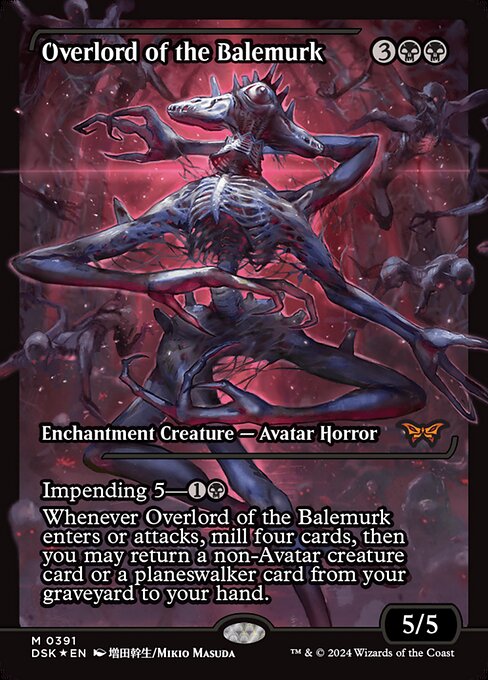 Overlord of the BalemurkEnchantment Creature — Avatar Horror
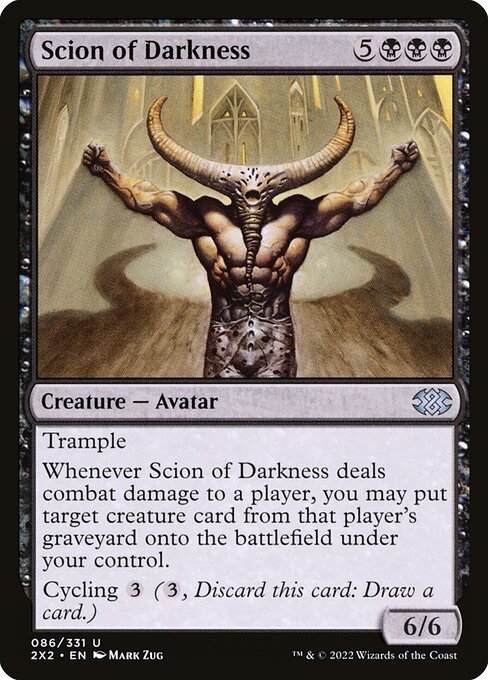 Scion of DarknessCreature — Avatar
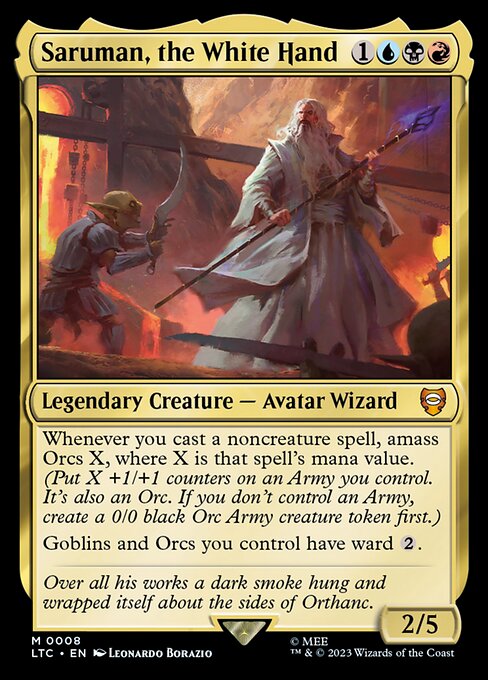 Saruman, the White Hand
 Legendary Creature — Avatar Wizard
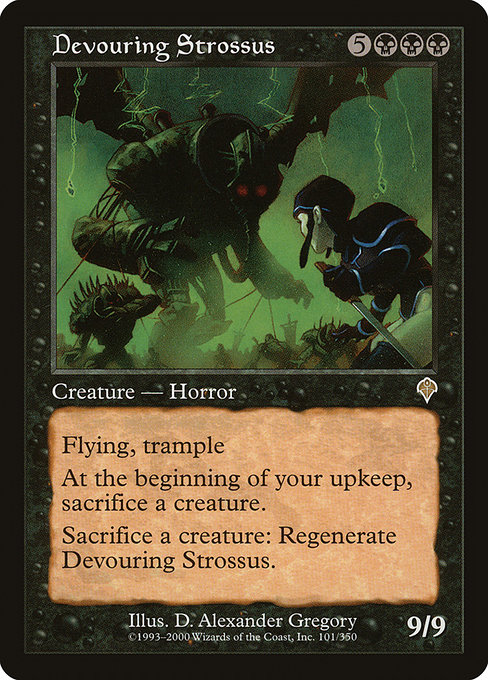 Devouring StrossusCreature — Phyrexian Horror
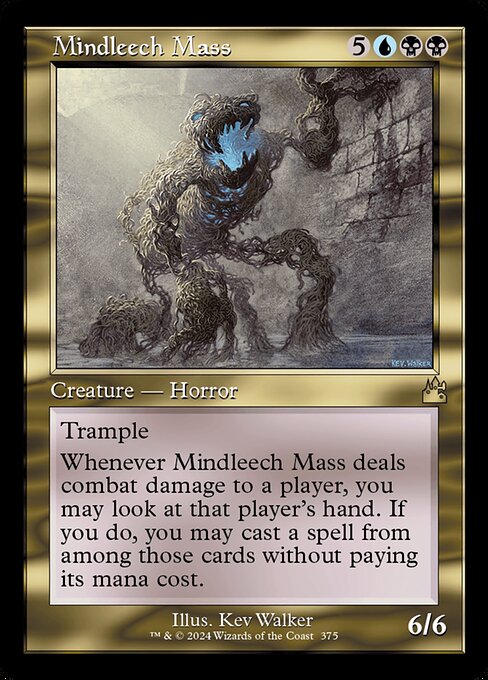 Mindleech MassCreature — Horror
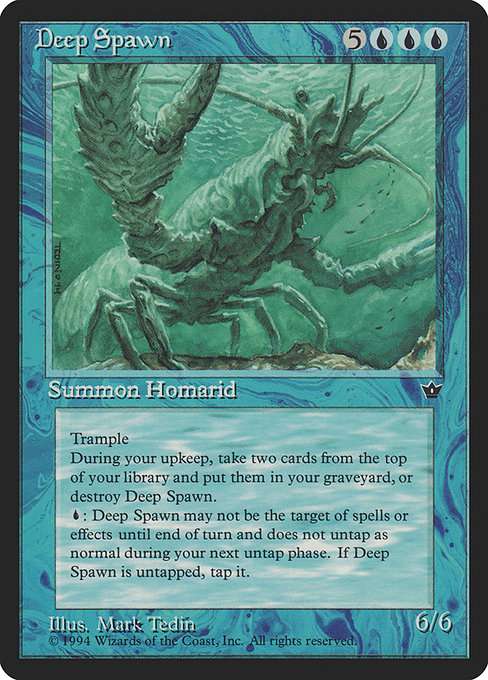 Deep SpawnCreature — Homarid
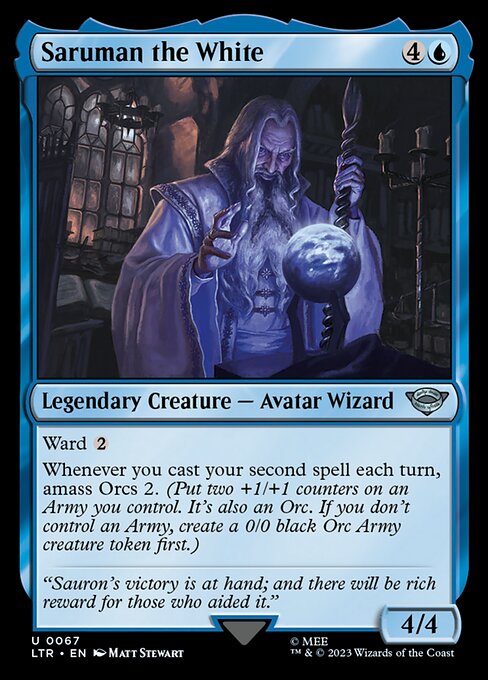 Saruman the White
 Legendary Creature — Avatar Wizard
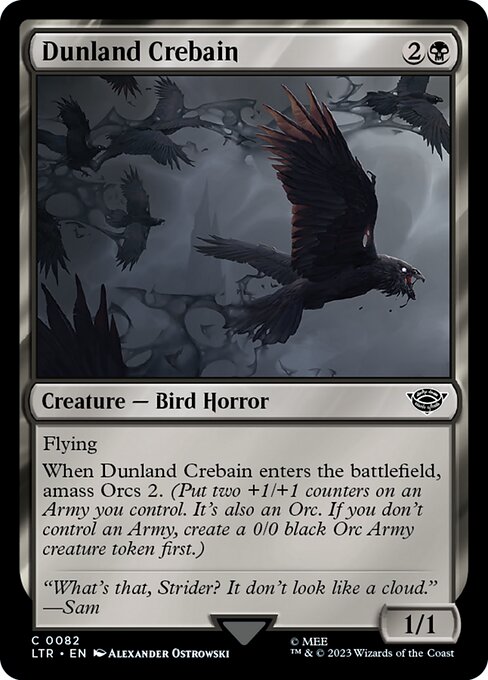 Dunland Crebain
 Creature — Bird Horror
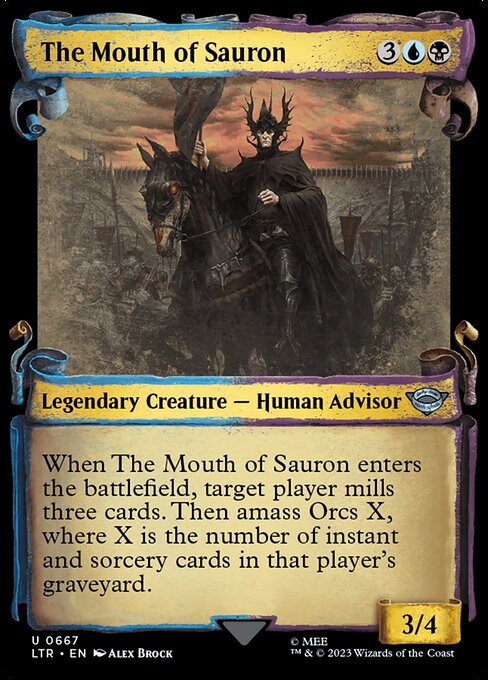 The Mouth of SauronLegendary Creature — Human Advisor
Show 20 more similar cards
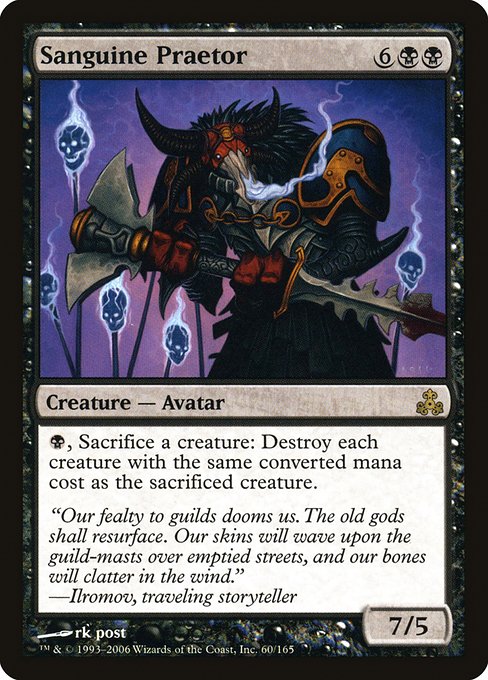 Sanguine Praetor
 Creature — Avatar Praetor
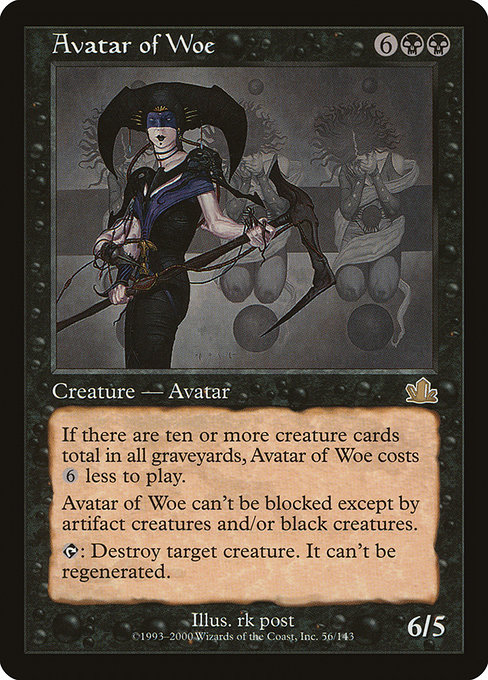 Avatar of WoeCreature — Avatar
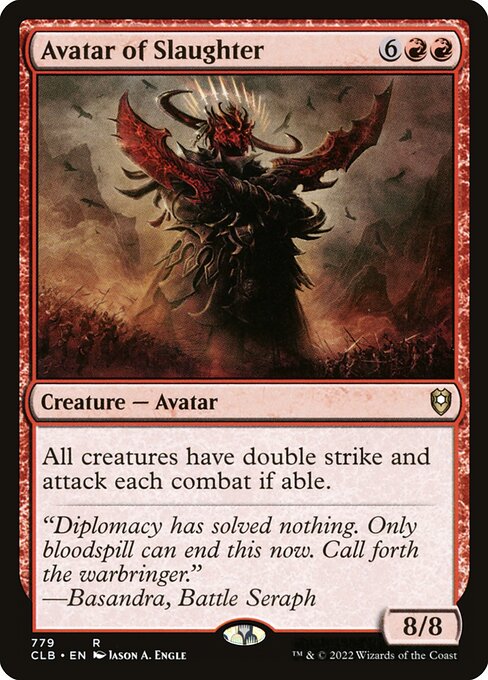 Avatar of SlaughterCreature — Avatar
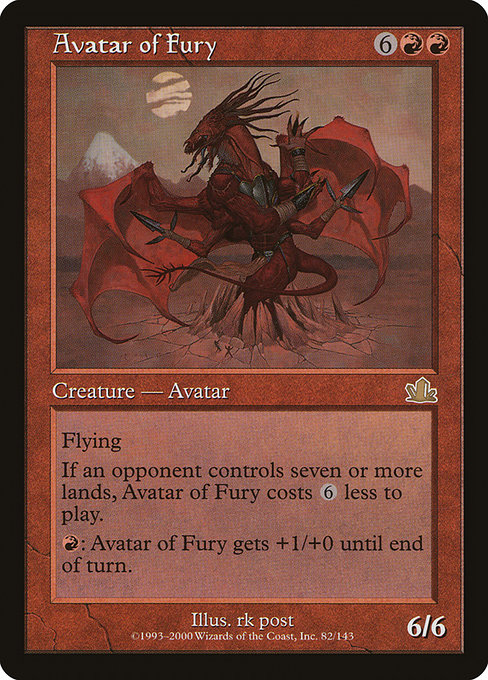 Avatar of FuryCreature — Avatar
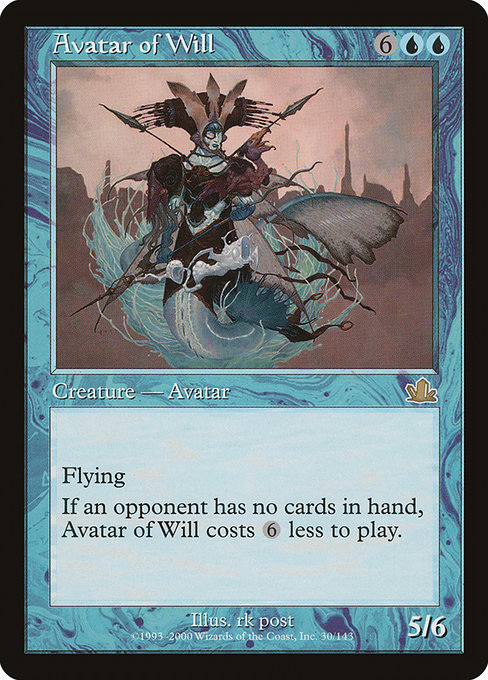 Avatar of WillCreature — Avatar
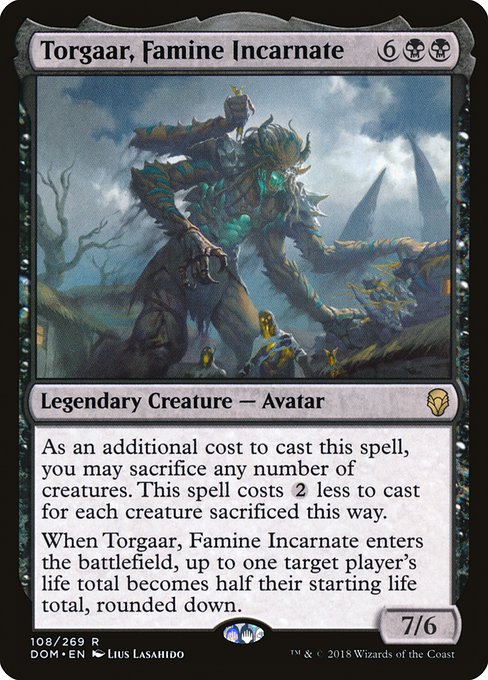 Torgaar, Famine IncarnateLegendary Creature — Avatar
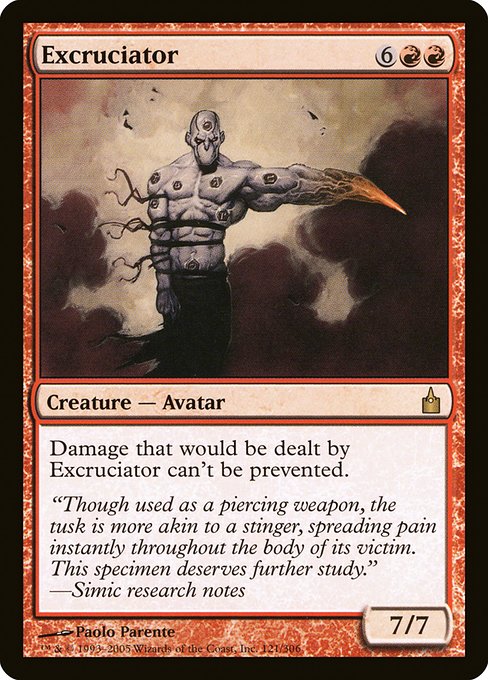 ExcruciatorCreature — Avatar
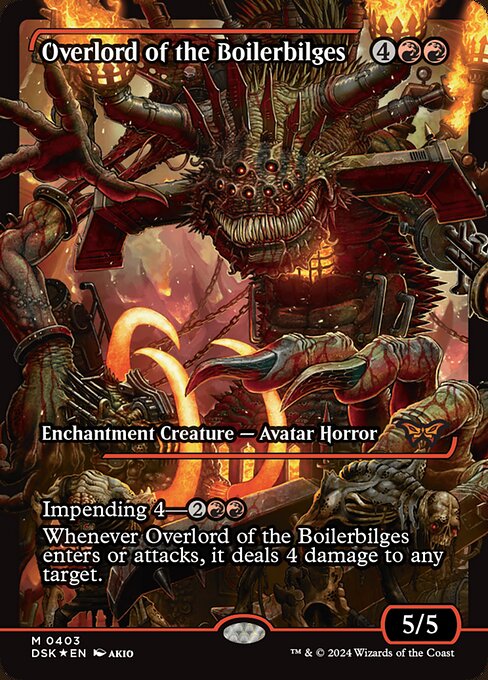 Overlord of the BoilerbilgesEnchantment Creature — Avatar Horror
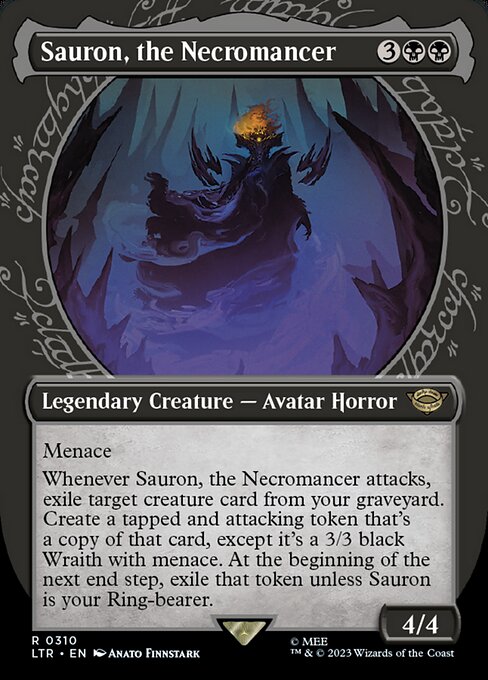 Sauron, the NecromancerLegendary Creature — Avatar Horror
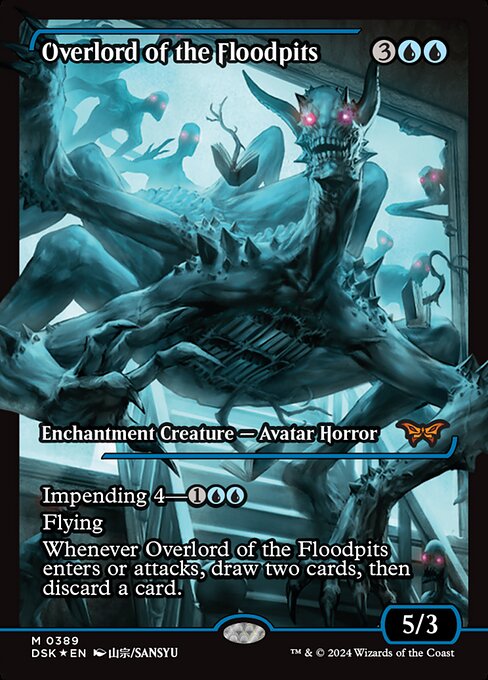 Overlord of the FloodpitsEnchantment Creature — Avatar Horror
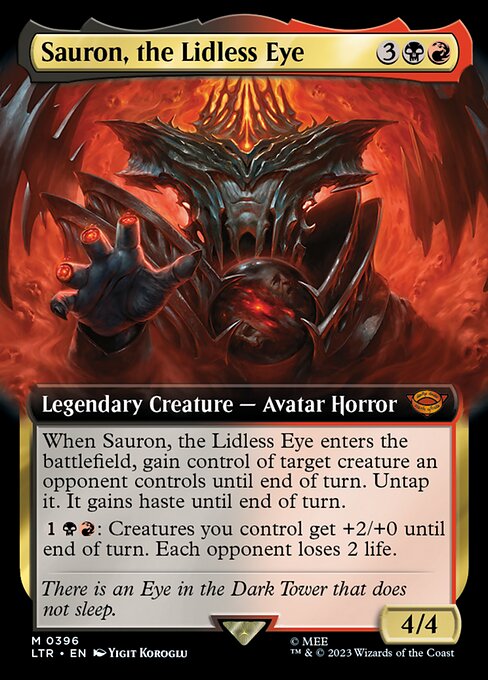 Sauron, the Lidless EyeLegendary Creature — Avatar Horror
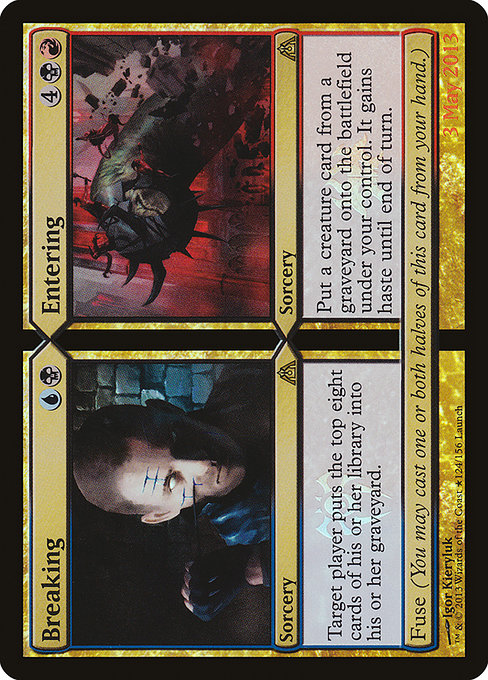 Breaking // Entering // Sorcery // Sorcery
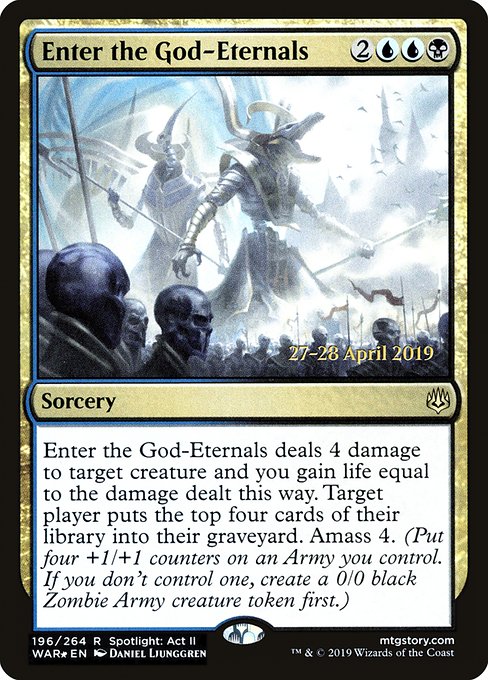 Enter the God-EternalsSorcery
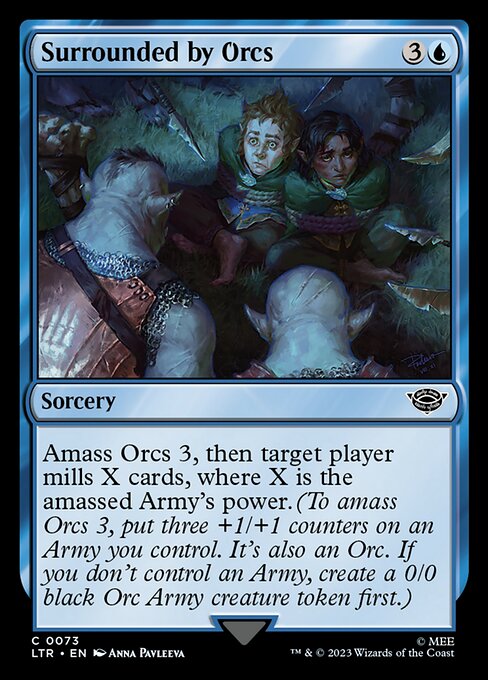 Surrounded by OrcsSorcery
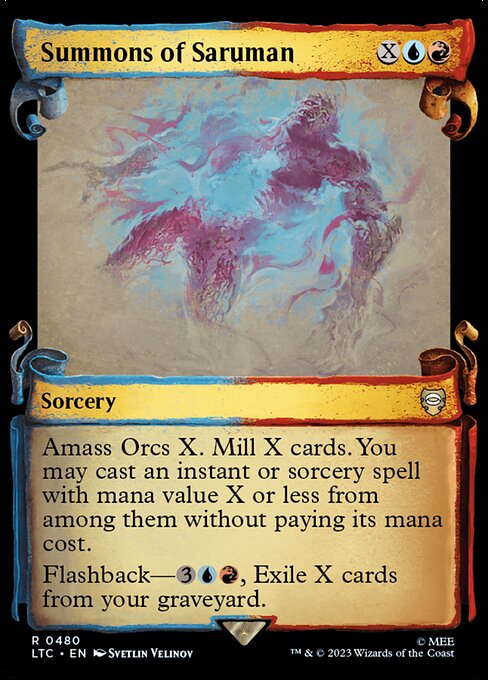 Summons of Saruman
 Sorcery
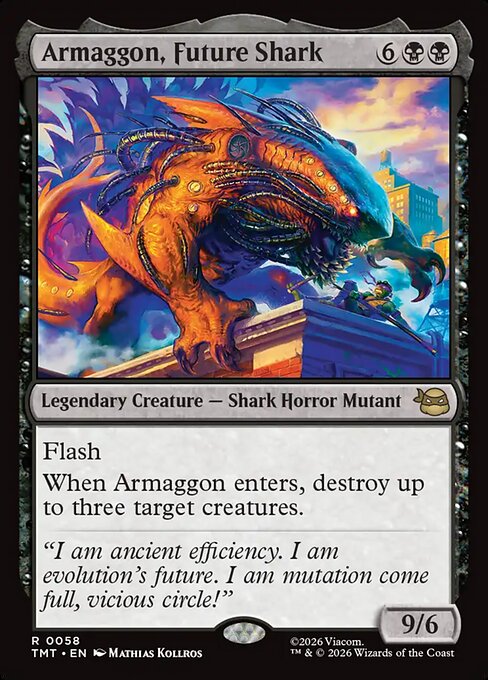 Armaggon, Future SharkLegendary Creature — Shark Horror Mutant
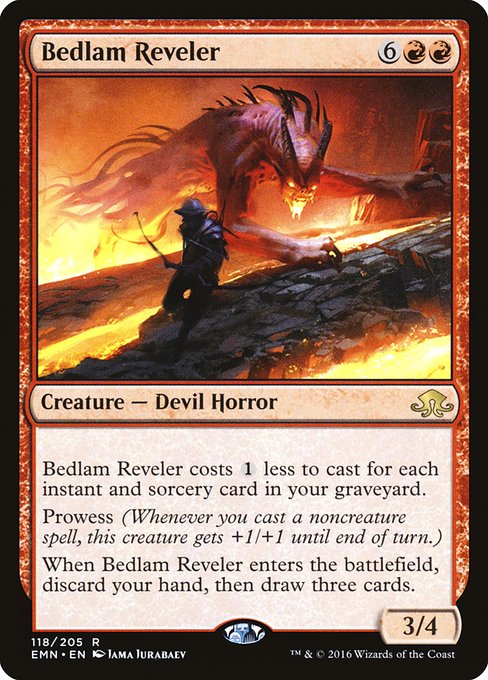 Bedlam RevelerCreature — Devil Horror
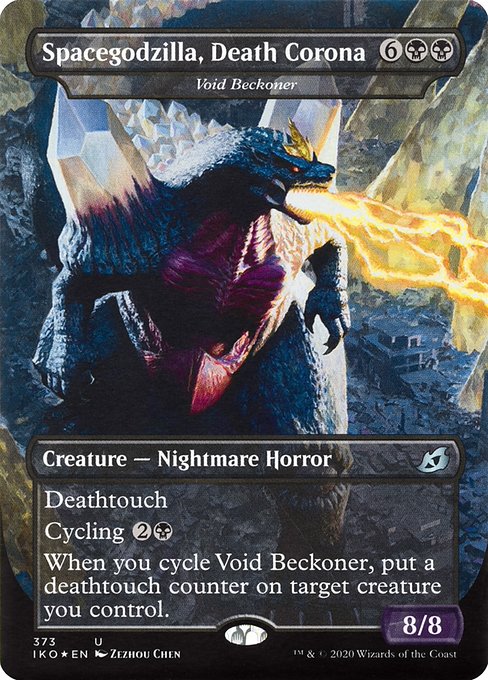 Void BeckonerCreature — Nightmare Horror
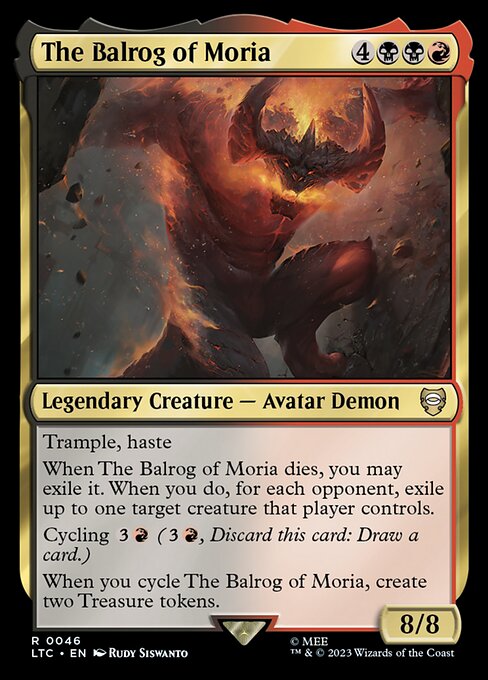 The Balrog of MoriaLegendary Creature — Avatar Demon
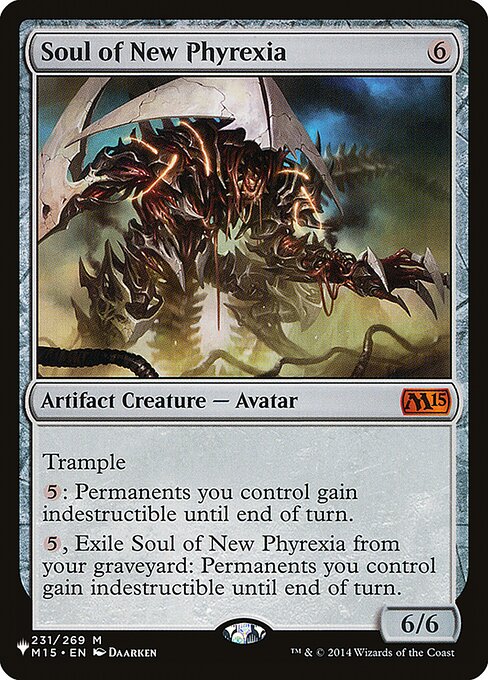 Soul of New PhyrexiaArtifact Creature — Phyrexian Avatar