
Snowhorn Rider



 Creature — Human WarriorPower and toughness5/5
Card text
Trample
Morph  (You may cast this card face down as a 2/2 creature for . Turn it face up any time for its morph cost.)
Sure-footed, strong-willed, and ill-tempered—and so is the ram.
Showing Khans of Tarkir#201
Price
0.06 $
Foil 0.25 $
12 printings
Daily estimate from Scryfall, not a shop quote.
Snowhorn Rider rulings
Morph lets you cast a card face down by paying
, and lets you turn the face-down permanent face up any time you have priority by paying its morph cost.The face-down spell has no mana cost and has a mana value of 0. When you cast a face-down spell, put it on the stack face down so no other player knows what it is, and pay
. This is an alternative cost.When the spell resolves, it enters the battlefield as a 2/2 creature with no name, mana cost, creature types, or abilities. It's colorless and has a mana value of 0. Other effects that apply to the creature can still grant it any of these characteristics.
Any time you have priority, you may turn the face-down creature face up by revealing what its morph cost is and paying that cost. This is a special action. It doesn't use the stack and can't be responded to. Only a face-down permanent can be turned face up this way; a face-down spell cannot.
Because the permanent is on the battlefield both before and after it's turned face up, turning a permanent face up doesn't cause any enters-the-battlefield abilities to trigger.
A permanent that turns face up or face down changes characteristics but is otherwise the same permanent. Spells and abilities that were targeting that permanent, as well as Auras and Equipment that were attached to the permanent, aren't affected.
At any time, you can look at a face-down spell or permanent you control. You can't look at face-down spells or permanents you don't control unless an effect instructs you to do so.
You must ensure that your face-down spells and permanents can easily be differentiated from each other. You're not allowed to mix up the cards that represent them on the battlefield in order to confuse other players. The order they entered the battlefield should remain clear. Common methods for doing this include using markers or dice, or simply placing them in order on the battlefield.
If a face-down permanent leaves the battlefield, you must reveal it. You must also reveal all face-down spells and permanents you control if you leave the game or if the game ends.
Snowhorn Rider keyword rules
Morph Rule 702.37
Morph is a static ability that functions in any zone from which you could play the card it’s on, and the morph effect works any time the card is face down. “Morph [cost]” means “You may cast this card as a 2/2 face-down creature with no text, no name, no subtypes, and no mana cost by paying {3} rather than paying its mana cost.” (See rule , “Face-Down Spells and Permanents.”)
Megamorph is a variant of the morph ability. “Megamorph [cost]” means “You may cast this card as a 2/2 face-down creature with no text, no name, no subtypes, and no mana cost by paying {3} rather than paying its mana cost” and “As this permanent is turned face up, put a +1/+1 counter on it if its megamorph cost was paid to turn it face up.” A megamorph cost is a morph cost.
To cast a card using its morph ability, turn it face down and announce that you’re using a morph ability. It becomes a 2/2 face-down creature card with no text, no name, no subtypes, and no mana cost. Any effects or prohibitions that would apply to casting a card with these characteristics (and not the face-up card’s characteristics) are applied to casting this card. These values are the copiable values of that object’s characteristics. (See rule , “Interaction of Continuous Effects,” and rule , “Copying Objects.”) Put it onto the stack (as a face-down spell with the same characteristics), and pay {3} rather than pay its mana cost. This follows the rules for paying alternative costs. You can use a morph ability to cast a card from any zone from which you could normally cast it. When the spell resolves, it enters the battlefield with the same characteristics the spell had. The morph effect applies to the face-down object wherever it is, and it ends when the permanent is turned face up.
You can’t normally cast a card face down. A morph ability allows you to do so.
Any time you have priority, you may turn a face-down permanent you control with a morph ability face up. This is a special action; it doesn’t use the stack (see rule ). To do this, show all players what the permanent’s morph cost would be if it were face up, pay that cost, then turn the permanent face up. (If the permanent wouldn’t have a morph cost if it were face up, it can’t be turned face up this way.) The morph effect on it ends, and it regains its normal characteristics. Any abilities relating to the permanent entering the battlefield don’t trigger when it’s turned face up and don’t have any effect, because the permanent has already entered the battlefield.
If a permanent’s morph cost includes X, other abilities of that permanent may also refer to X. The value of X in those abilities is equal to the value of X chosen as the morph special action was taken.
See rule , “Face-Down Spells and Permanents,” for more information about how to cast cards with a morph ability.
Trample Rule 702.19
Trample is a static ability that modifies the rules for assigning an attacking creature’s combat damage. The ability has no effect when a creature with trample is blocking or is dealing noncombat damage. (See rule , “Combat Damage Step.”)
The controller of an attacking creature with trample first assigns damage to the creature(s) blocking it. Once all those blocking creatures are assigned lethal damage, any excess damage is assigned as its controller chooses among those blocking creatures and the player, planeswalker, or battle the creature is attacking. When checking for assigned lethal damage, take into account damage already marked on the creature and damage from other creatures that’s being assigned during the same combat damage step, but not any abilities or effects that might change the amount of damage that’s actually dealt. The attacking creature’s controller need not assign lethal damage to all those blocking creatures but in that case can’t assign any damage to the player or planeswalker it’s attacking.
Trample over planeswalkers is a variant of trample that modifies the rules for assigning combat damage to planeswalkers. The controller of a creature with trample over planeswalkers assigns that creature’s combat damage as described in rule , with one exception. If that creature is attacking a planeswalker, after lethal damage is assigned to all blocking creatures and damage at least equal to the loyalty of the planeswalker the creature is attacking is assigned to that planeswalker, further excess damage may be assigned as the attacking creature’s controller chooses among those blocking creatures, that planeswalker, and that planeswalker’s controller. When checking for assigned damage equal to a planeswalker’s loyalty, take into account damage from other creatures that’s being assigned during the same combat damage step, but not any abilities or effects that might change the amount of damage that’s actually dealt.
If an attacking creature with trample or trample over planeswalkers is blocked, but there are no creatures blocking it when damage is assigned, its damage is assigned to the defending player and/or planeswalker as though all blocking creatures have been assigned lethal damage.
If a creature with trample over planeswalkers is attacking a planeswalker and that planeswalker is removed from combat, the creature’s damage may be assigned to the defending player once all blocking creatures have been dealt lethal damage or, if there are no blocking creatures when damage is assigned, all its damage is assigned to the defending player. This is an exception to rule , and it does not cause the creature to be attacking that player.
If a creature without trample over planeswalkers is attacking a planeswalker, none of its combat damage can be assigned to the defending player, even if that planeswalker has been removed from combat or the damage the attacking creature could assign is greater than the planeswalker’s loyalty.
Multiple instances of trample on the same creature are redundant. Multiple instances of trample over planeswalkers on the same creature are redundant.
Snowhorn Rider format legality
Constructed
- StandardNot legal
- PioneerLegal
- ModernLegal
- Future StandardNot legal
Eternal
- LegacyLegal
- VintageLegal
- PauperLegal
- PremodernNot legal
- Old SchoolNot legal
- Penny DreadfulLegal
Commander
- CommanderLegal
- OathbreakerLegal
- Pauper CommanderLegal
- Duel CommanderLegal
- PreDHNot legal
Arena & online
- HistoricLegal
- TimelessLegal
- AlchemyNot legal
- GladiatorLegal
- BrawlLegal
- Standard BrawlNot legal
- Competitive BrawlLegal
Other
- TLRNot legal
All printings of Snowhorn Rider 12
Cards similar to Snowhorn Rider
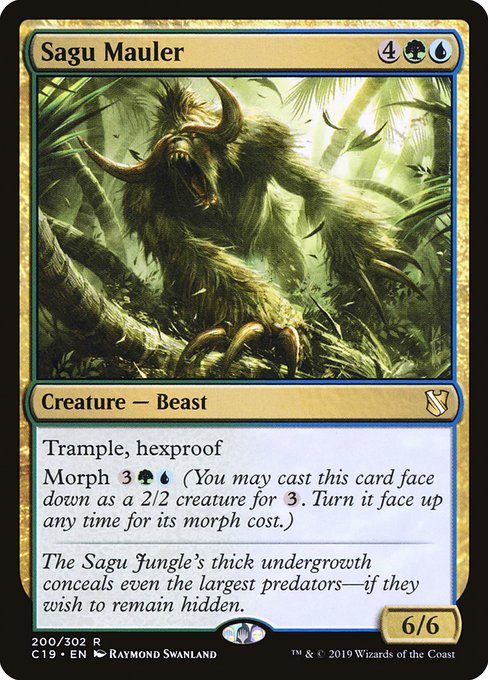 Sagu Mauler
 Creature — Beast
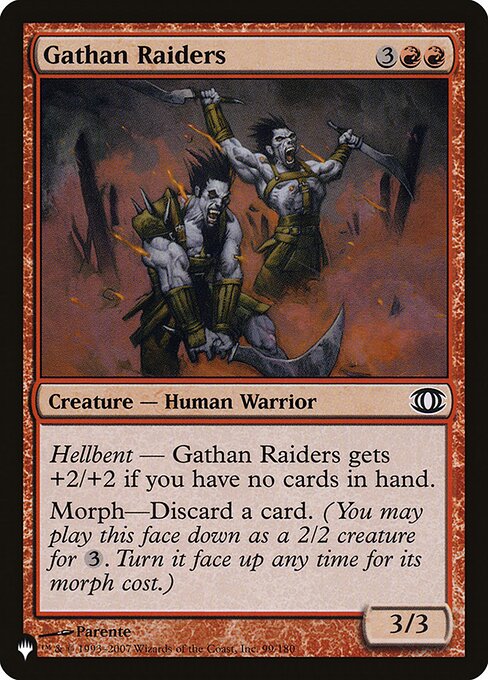 Gathan RaidersCreature — Human Warrior
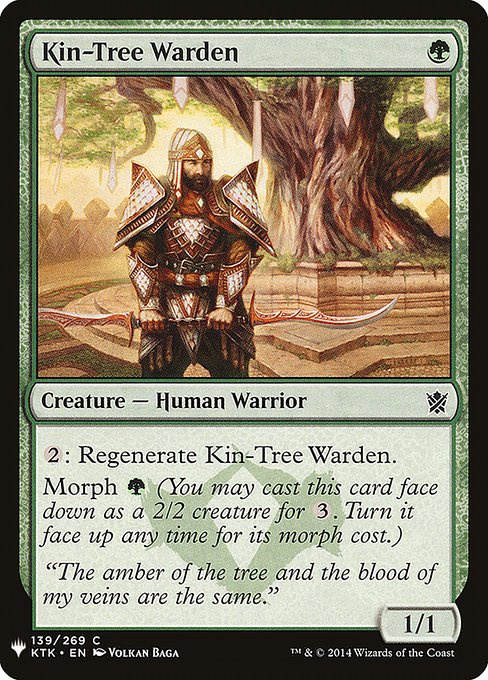 Kin-Tree WardenCreature — Human Warrior
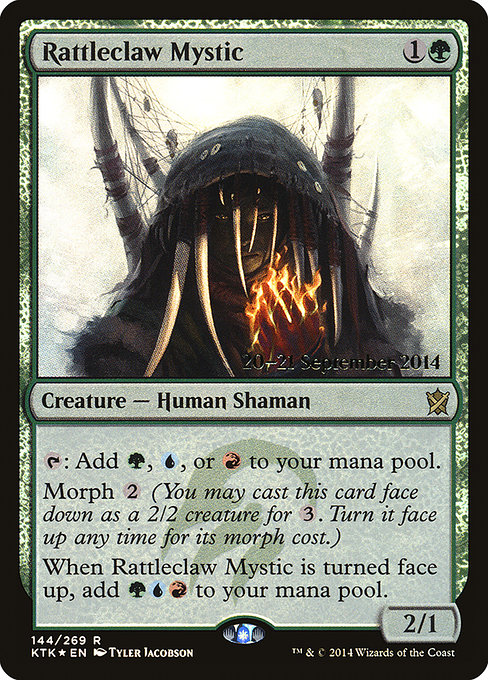 Rattleclaw Mystic
 Creature — Human Shaman
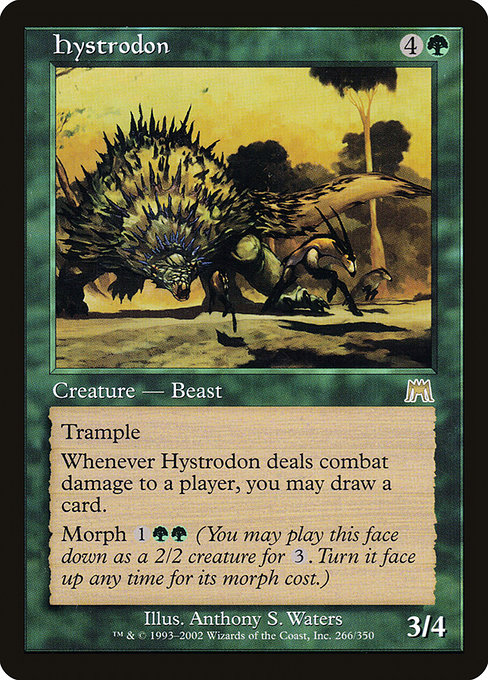 HystrodonCreature — Beast
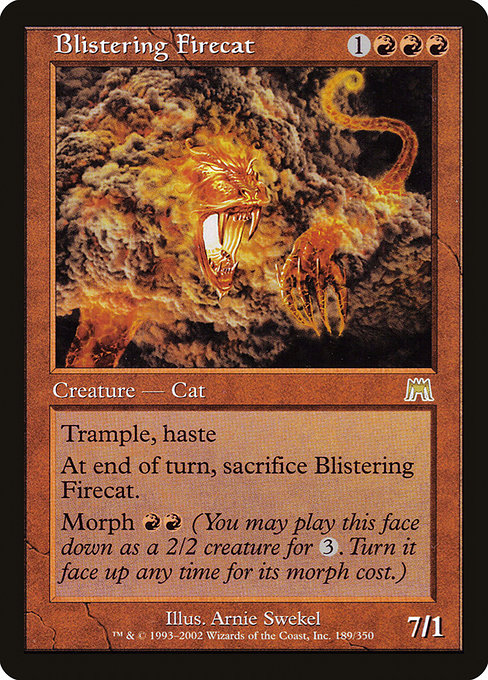 Blistering FirecatCreature — Elemental Cat
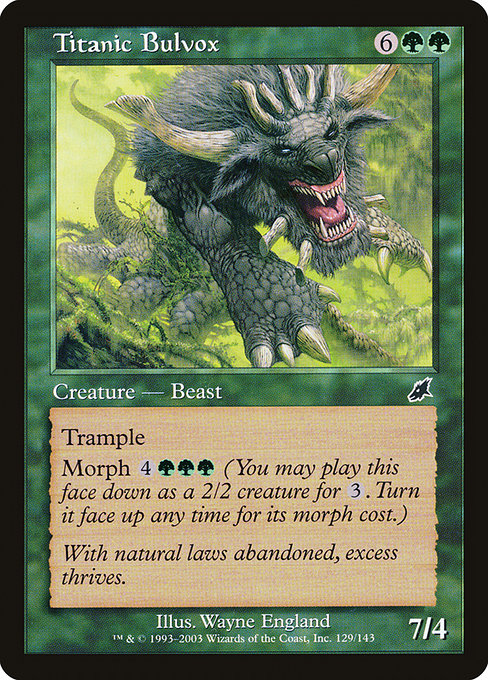 Titanic Bulvox
 Creature — Beast
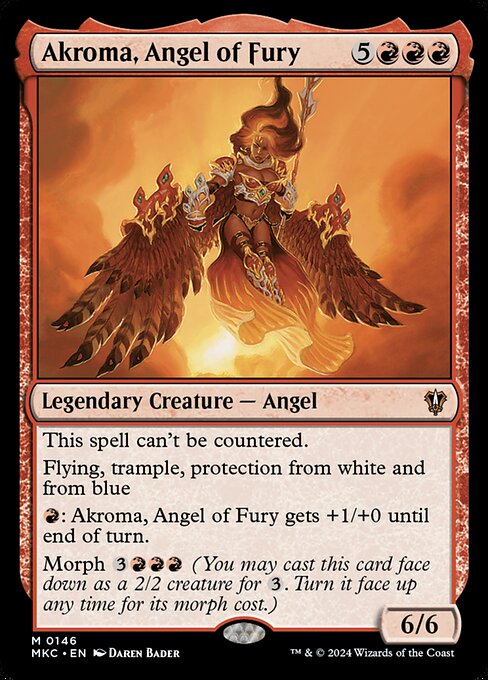 Akroma, Angel of Fury
 Legendary Creature — Angel
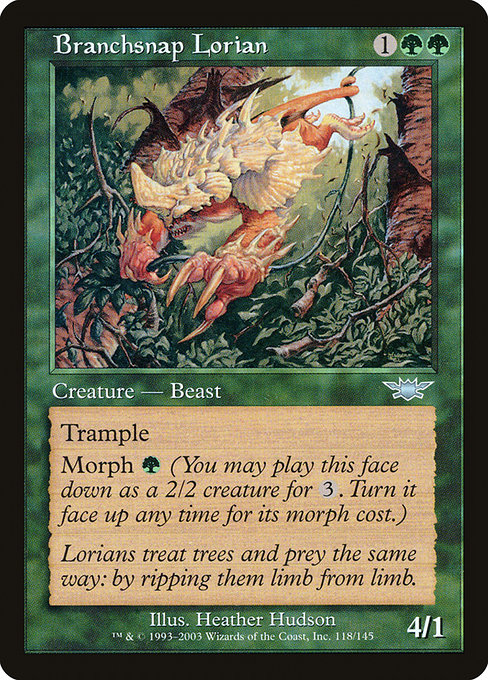 Branchsnap LorianCreature — Beast
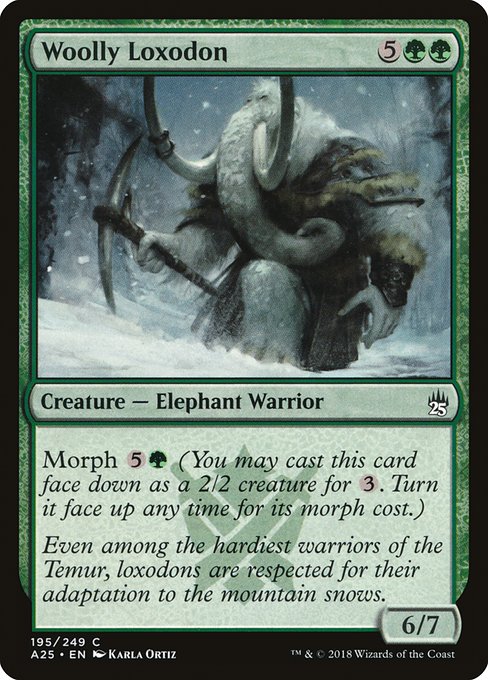 Woolly LoxodonCreature — Elephant Warrior
Show 20 more similar cards
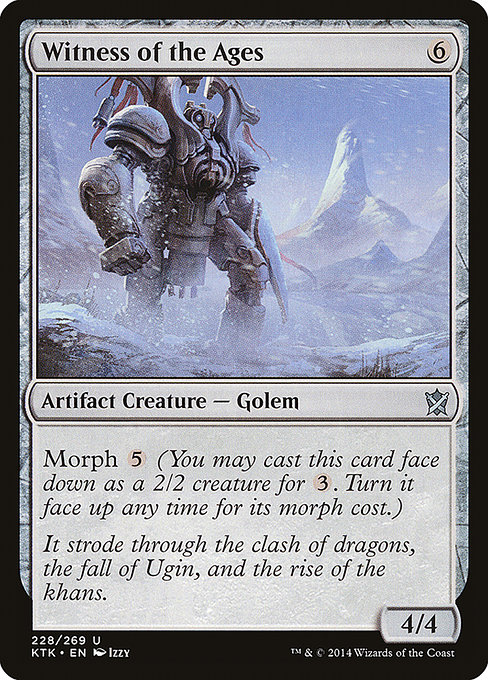 Witness of the AgesArtifact Creature — Golem
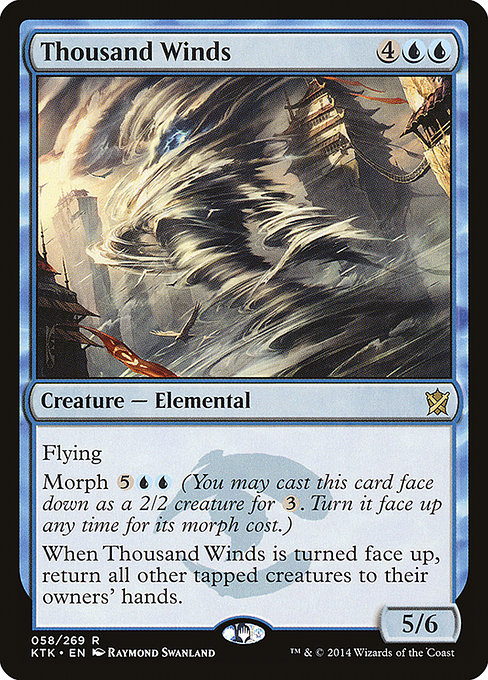 Thousand WindsCreature — Elemental
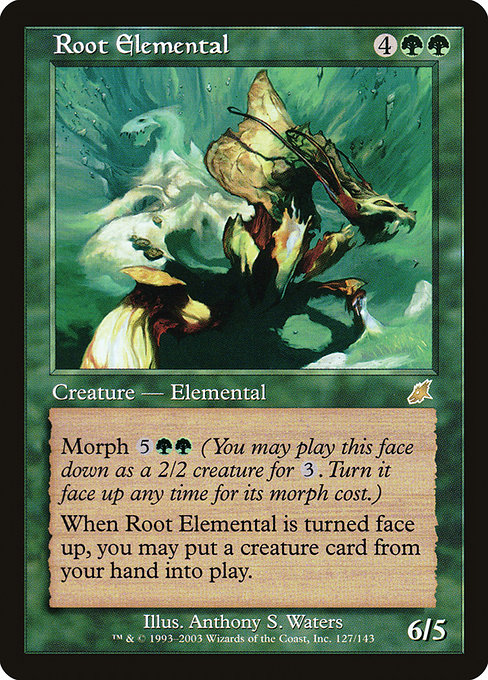 Root ElementalCreature — Elemental
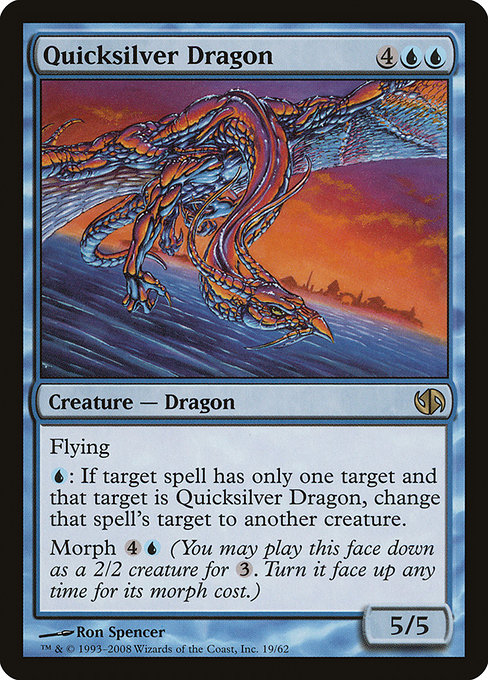 Quicksilver DragonCreature — Dragon
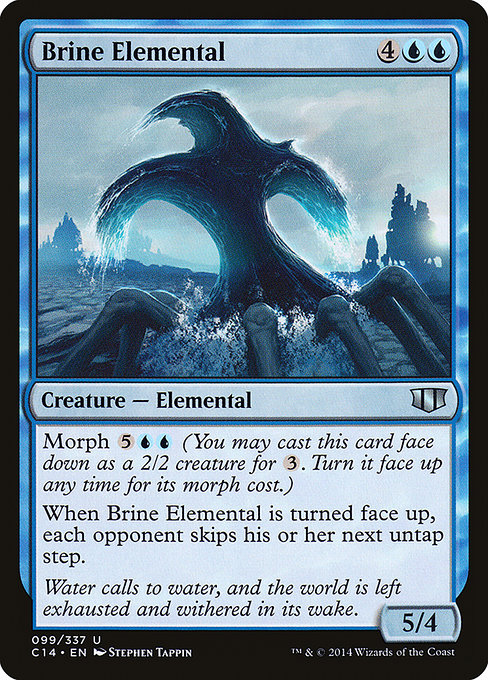 Brine ElementalCreature — Elemental
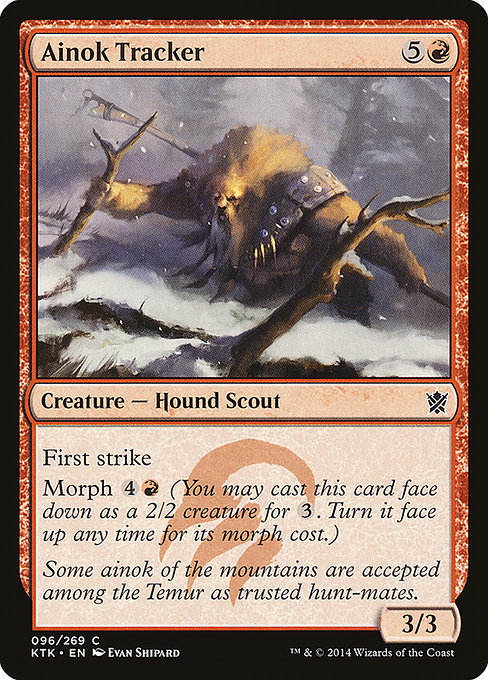 Ainok TrackerCreature — Dog Scout
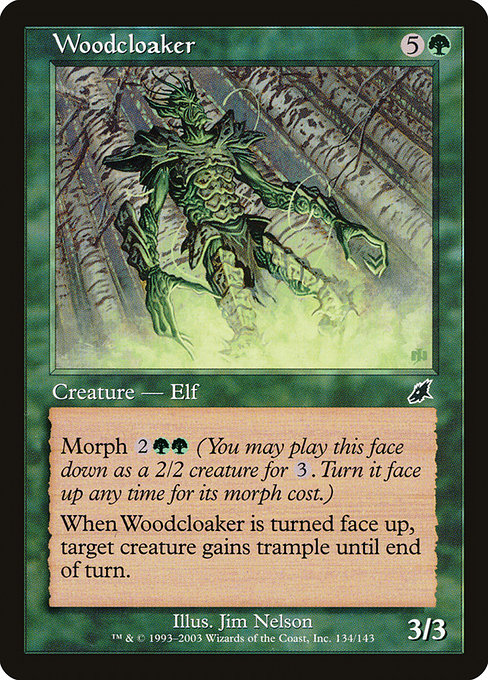 WoodcloakerCreature — Elf
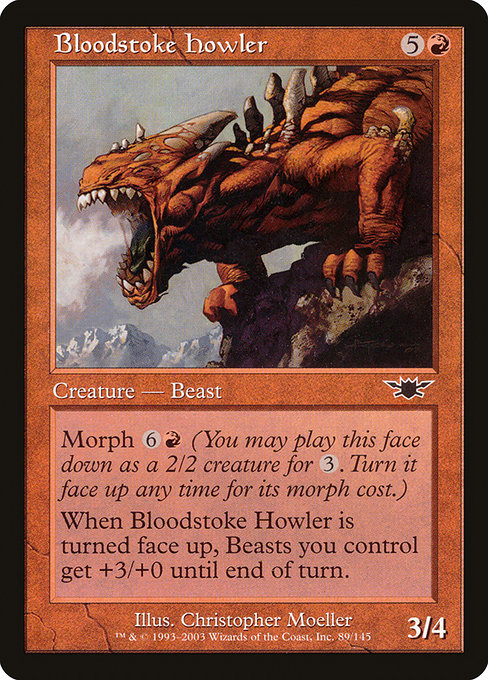 Bloodstoke HowlerCreature — Beast
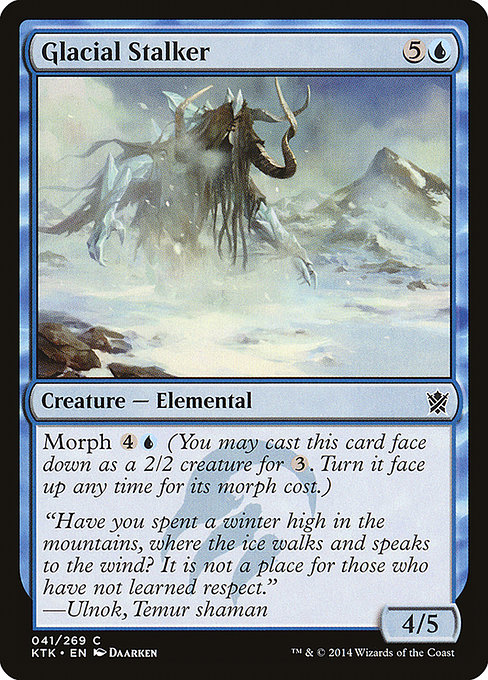 Glacial StalkerCreature — Elemental
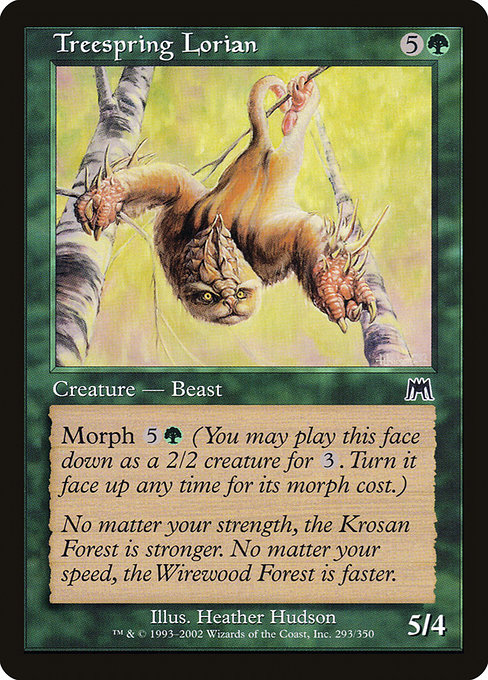 Treespring LorianCreature — Beast
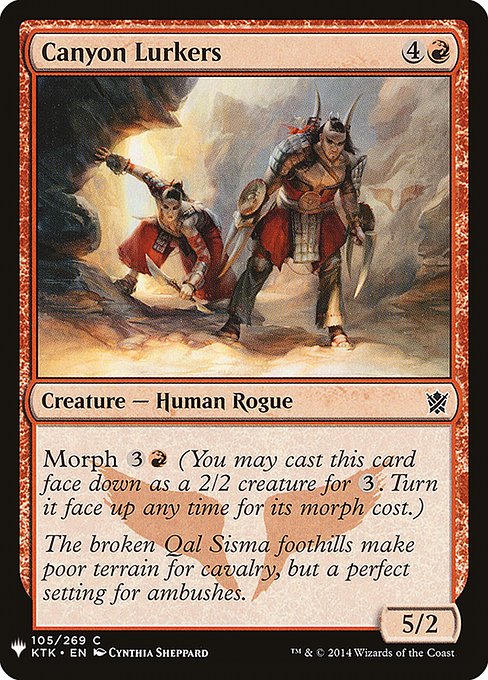 Canyon LurkersCreature — Human Rogue
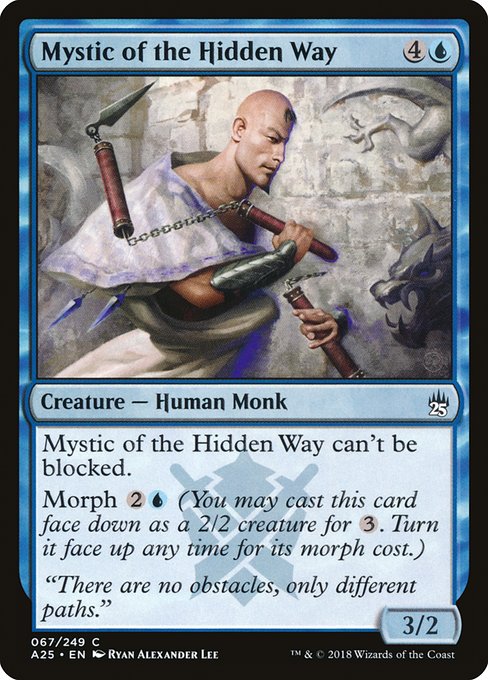 Mystic of the Hidden WayCreature — Human Monk
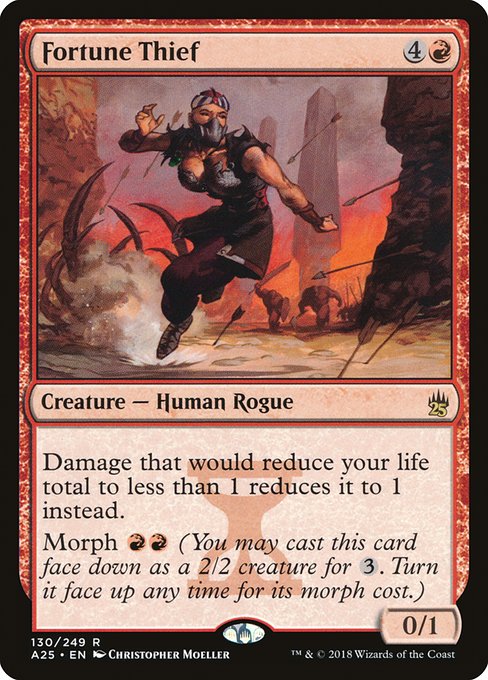 Fortune ThiefCreature — Human Rogue
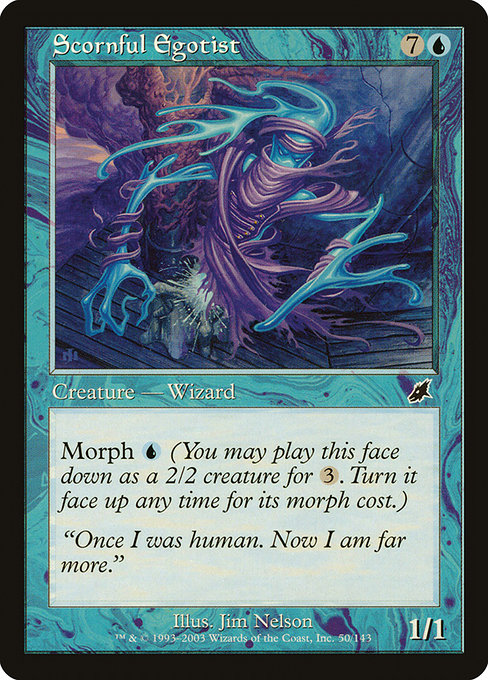 Scornful Egotist
 Creature — Human Wizard
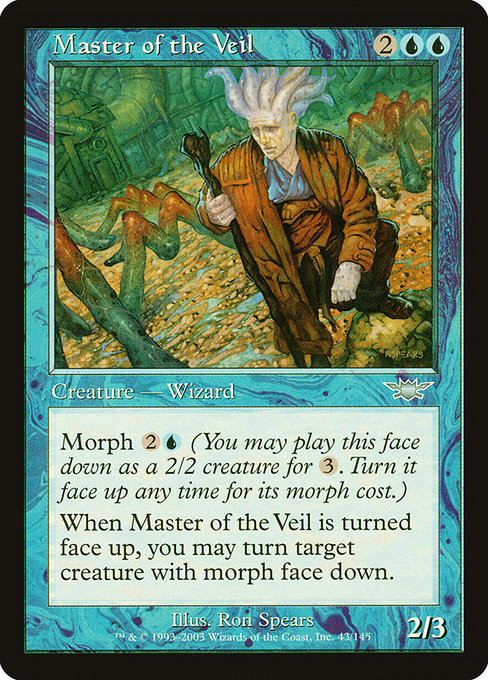 Master of the VeilCreature — Human Wizard
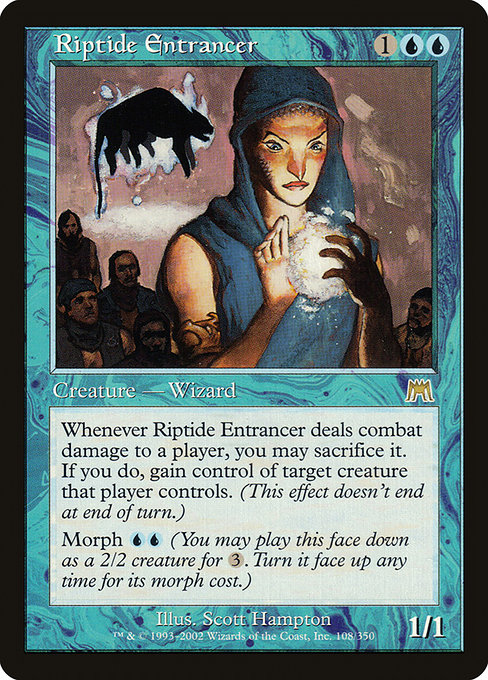 Riptide EntrancerCreature — Human Wizard
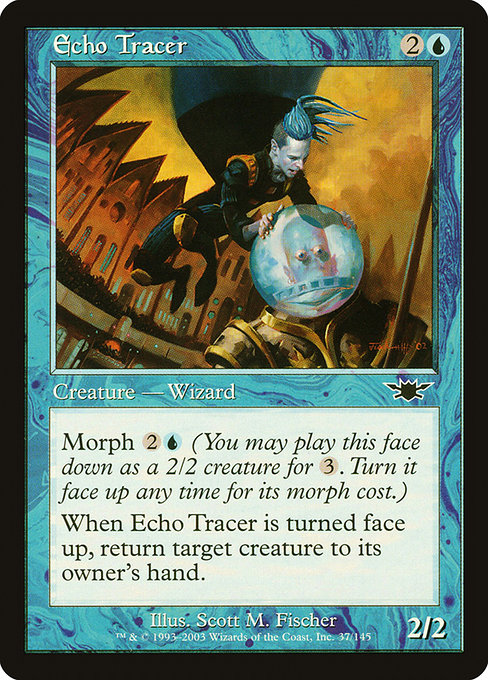 Echo TracerCreature — Human Wizard
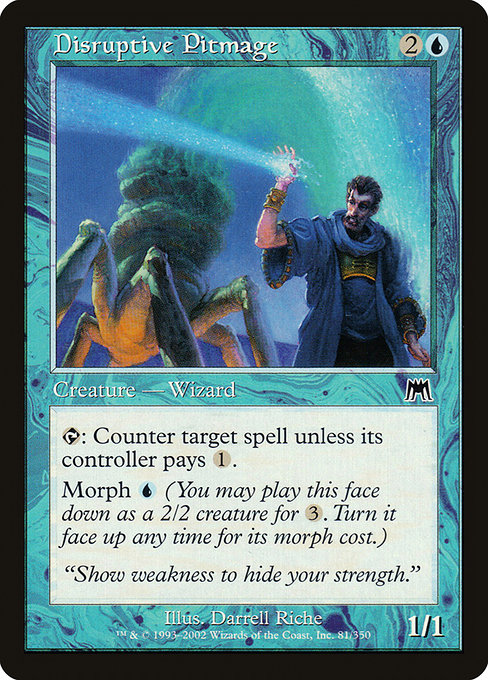 Disruptive PitmageCreature — Human Wizard
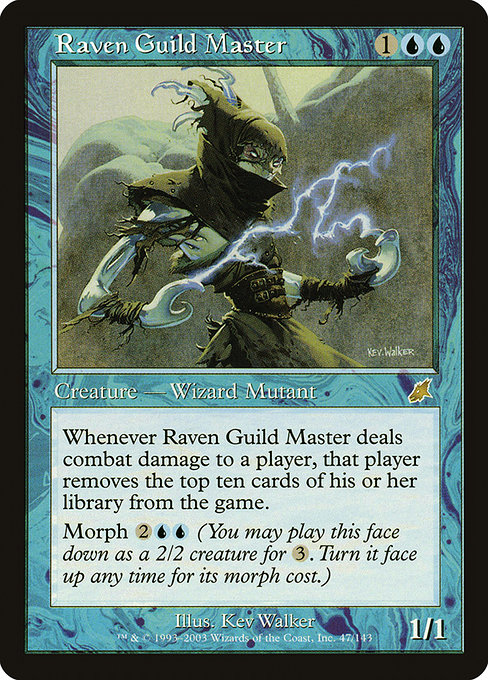 Raven Guild MasterCreature — Human Wizard Mutant
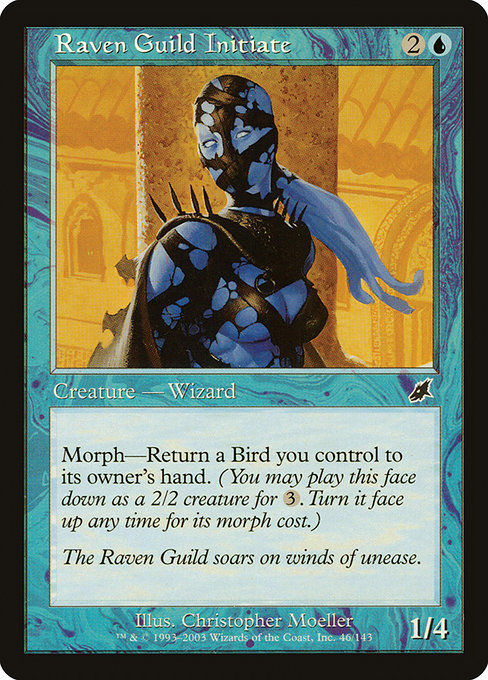 Raven Guild InitiateCreature — Human Wizard