
Timber Wolves
 Creature — WolfPower and toughness1/1
Card text
Banding (Any creatures with banding, and up to one without, can attack in a band. Bands are blocked as a group. If any creatures with banding you control are blocking or being blocked by a creature, you divide that creature's combat damage, not its controller, among any of the creatures it's being blocked by or is blocking.)
Though many think of Wolves as solitary predators, they are actually extremely social animals. During a hunt they often call to each other, which can be quite unsettling for their prey.
Showing Fourth Edition#275
Price
0.77 $
27 printings · up to 54.50 $
Daily estimate from Scryfall, not a shop quote.
Timber Wolves rulings
If a creature in combat has banding, its controller assigns damage for creatures blocking or blocked by it.
If a creature with banding attacks, it can team up with any number of other attacking creatures with banding (and up to one nonbanding creature) and attack as a unit called a "band." The band can be blocked by any creature that could block a single creature in the band. Blocking any creature in a band blocks the entire band. If a creature with banding is blocked, the attacking player chooses how the blockers' damage is assigned.
A maximum of one nonbanding creature can join an attacking band no matter how many creatures with banding are in it.
Creatures in the same band must all attack the same player or planeswalker.
Timber Wolves keyword rules
Banding Rule 702.22
Banding is a static ability that modifies the rules for combat.
“Bands with other” is a special form of banding. If an effect causes a permanent to lose banding, the permanent loses all “bands with other” abilities as well.
As a player declares attackers, they may declare that one or more attacking creatures with banding and up to one attacking creature without banding (even if it has “bands with other”) are all in a “band.” They may also declare that one or more attacking [quality] creatures with “bands with other [quality]” and any number of other attacking [quality] creatures are all in a band. A player may declare as many attacking bands as they want, but each creature may be a member of only one of them. (Defending players can’t declare bands but may use banding in a different way; see rule .)
All creatures in an attacking band must attack the same player, planeswalker, or battle.
Once an attacking band has been announced, it lasts for the rest of combat, even if something later removes banding or “bands with other” from one or more of the creatures in the band.
An attacking creature that’s removed from combat is also removed from the band it was in.
Banding doesn’t cause attacking creatures to share abilities, nor does it remove any abilities. The attacking creatures in a band are separate permanents.
If an attacking creature becomes blocked by a creature, each other creature in the same band as the attacking creature becomes blocked by that same blocking creature.
If one member of a band would become blocked due to an effect, the entire band becomes blocked.
During the combat damage step, if an attacking creature is being blocked by a creature with banding, or by both a [quality] creature with “bands with other [quality]” and another [quality] creature, the defending player (rather than the active player) chooses how the attacking creature’s damage is assigned. That player can divide that creature’s combat damage as they choose among any creatures blocking it. This is an exception to the procedure described in rule .
During the combat damage step, if a blocking creature is blocking a creature with banding, or both a [quality] creature with “bands with other [quality]” and another [quality] creature, the active player (rather than the defending player) chooses how the blocking creature’s damage is assigned. That player can divide that creature’s combat damage as they choose among any creatures it’s blocking. This is an exception to the procedure described in rule .
Multiple instances of banding on the same creature are redundant. Multiple instances of “bands with other” of the same kind on the same creature are redundant.
Timber Wolves format legality
Constructed
- StandardNot legal
- PioneerNot legal
- ModernNot legal
- Future StandardNot legal
Eternal
- LegacyLegal
- VintageLegal
- PauperNot legal
- PremodernLegal
- Old SchoolNot legal
- Penny DreadfulNot legal
Commander
- CommanderLegal
- OathbreakerLegal
- Pauper CommanderNot legal
- Duel CommanderLegal
- PreDHLegal
Arena & online
- HistoricNot legal
- TimelessNot legal
- AlchemyNot legal
- GladiatorNot legal
- BrawlNot legal
- Standard BrawlNot legal
- Competitive BrawlNot legal
Other
- TLRLegal
All printings of Timber Wolves 27
Cards similar to Timber Wolves
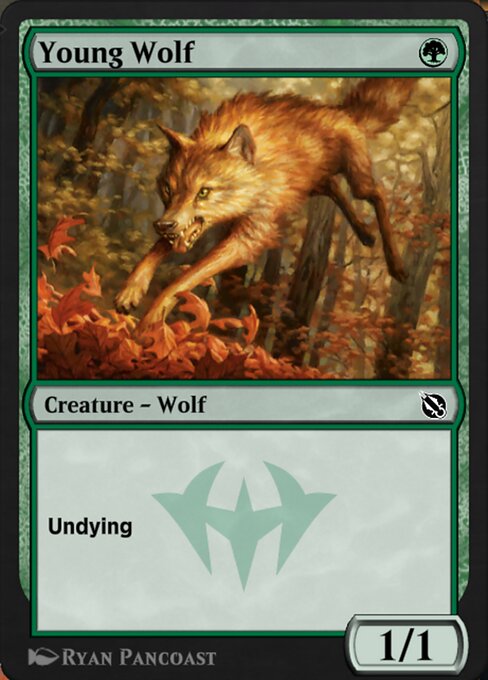 Young WolfCreature — Wolf
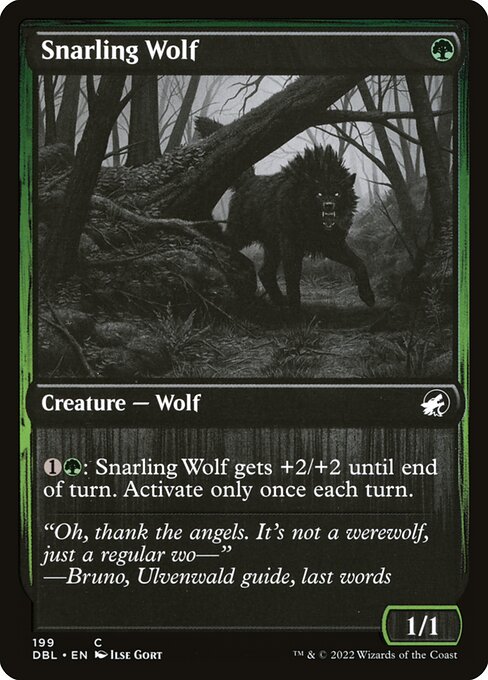 Snarling WolfCreature — Wolf
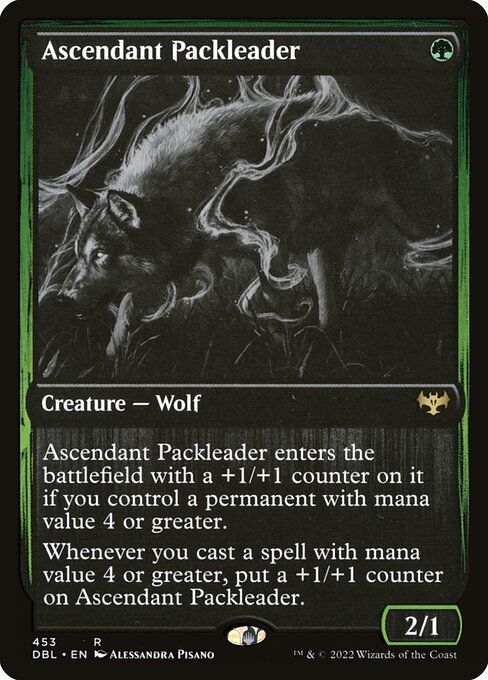 Ascendant PackleaderCreature — Wolf
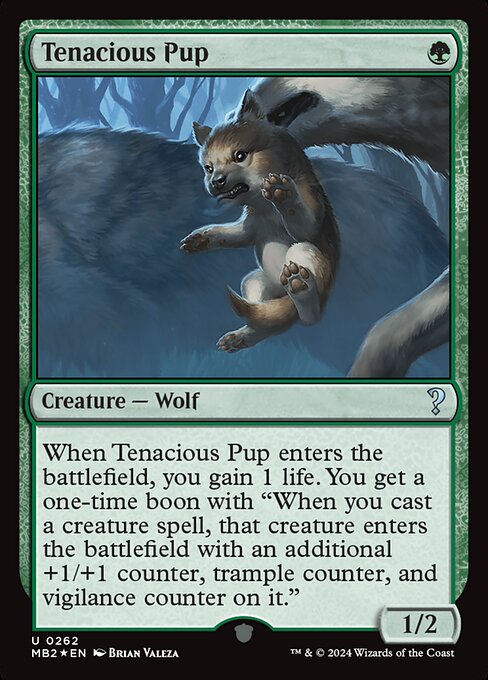 Tenacious PupCreature — Wolf
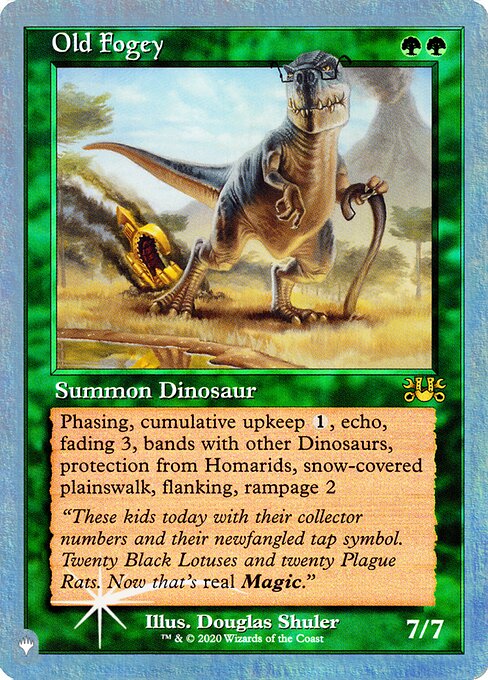 Old FogeySummon — Dinosaur
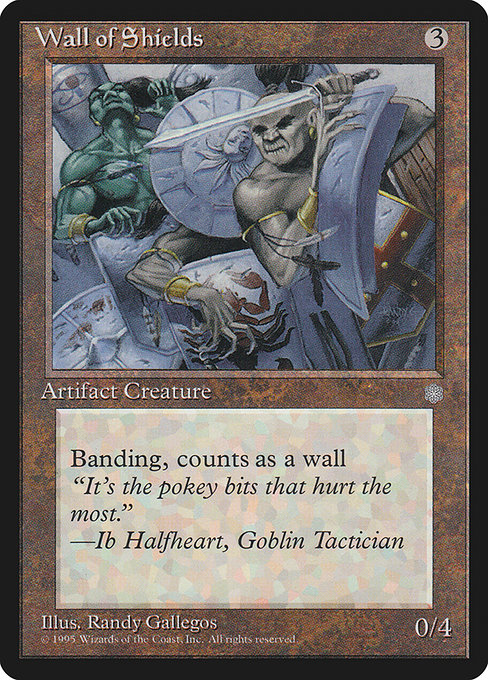 Wall of Shields
 Artifact Creature — Wall
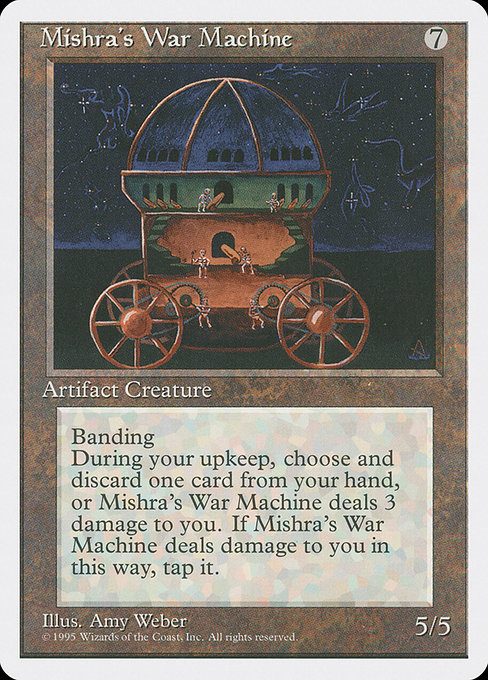 Mishra's War Machine
 Artifact Creature — Juggernaut
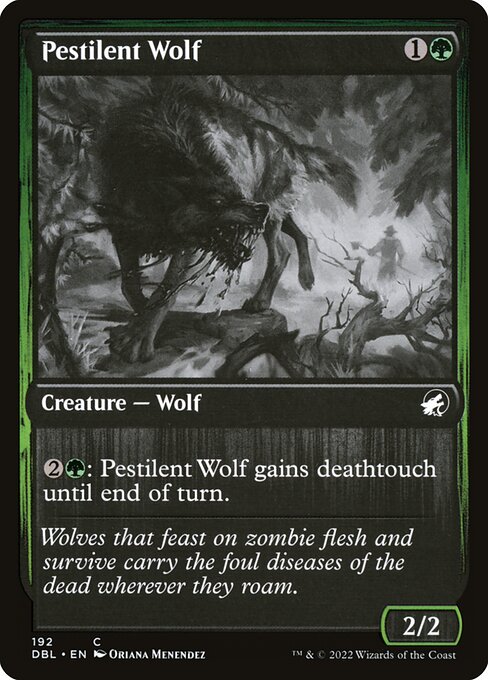 Pestilent Wolf
 Creature — Wolf
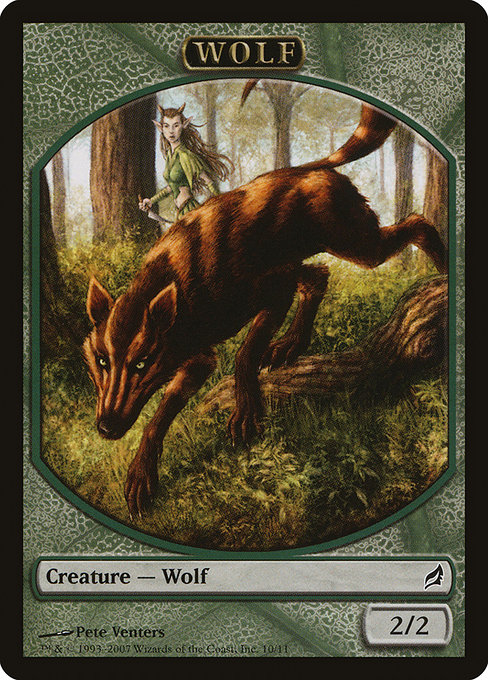 WolfToken Creature — Wolf
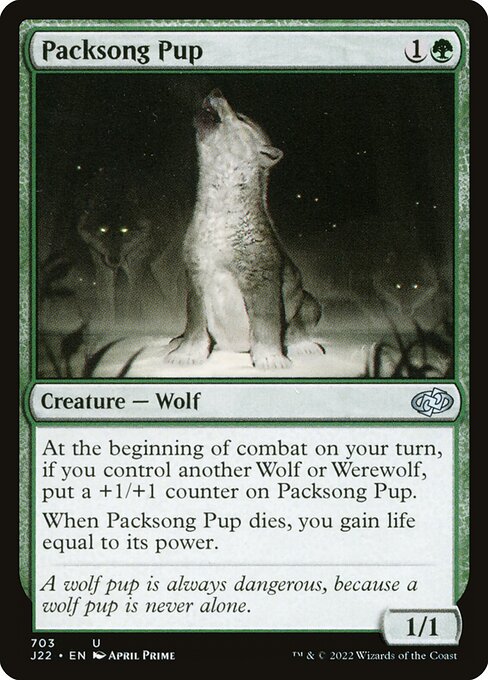 Packsong PupCreature — Wolf
Show 20 more similar cards
 WarglingCreature — Wolf
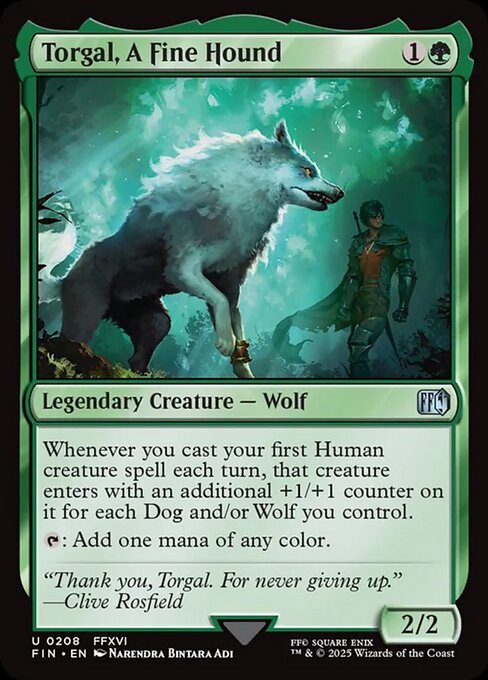 Torgal, A Fine HoundLegendary Creature — Wolf
 Bejeweled WargCreature — Wolf
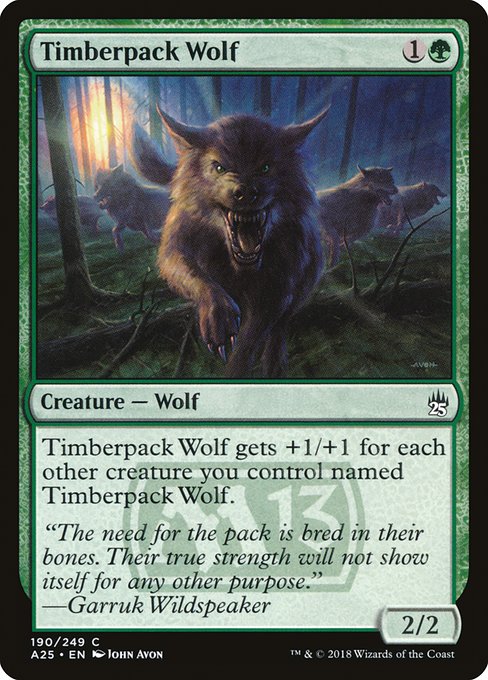 Timberpack WolfCreature — Wolf
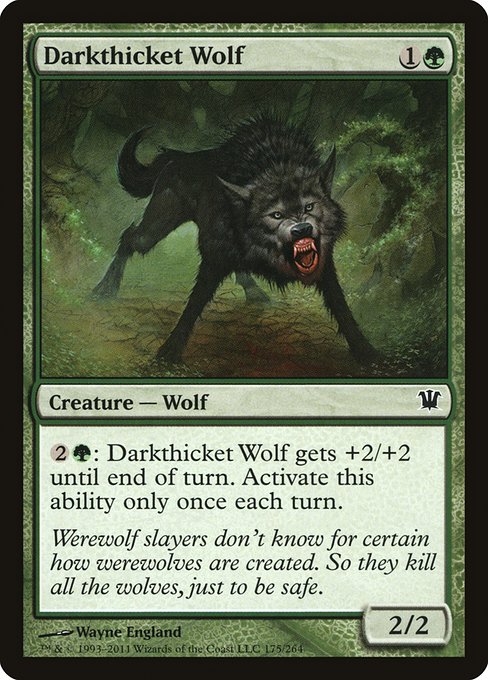 Darkthicket WolfCreature — Wolf
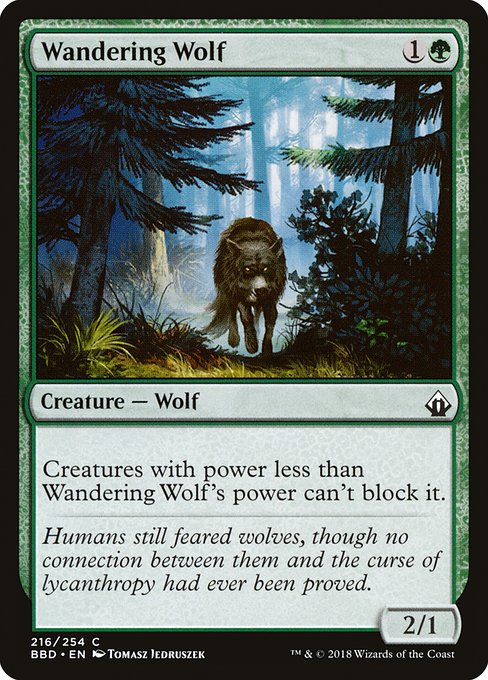 Wandering WolfCreature — Wolf
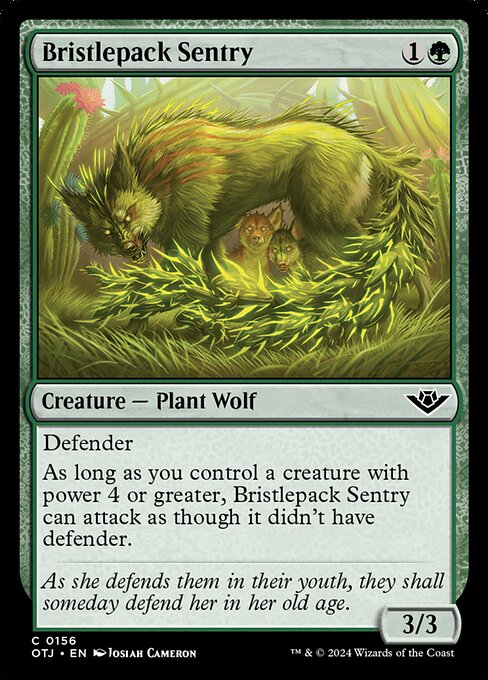 Bristlepack SentryCreature — Plant Wolf
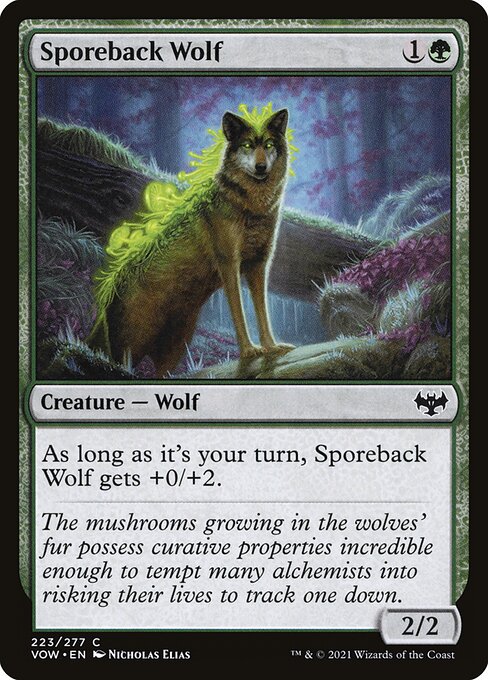 Sporeback WolfCreature — Wolf
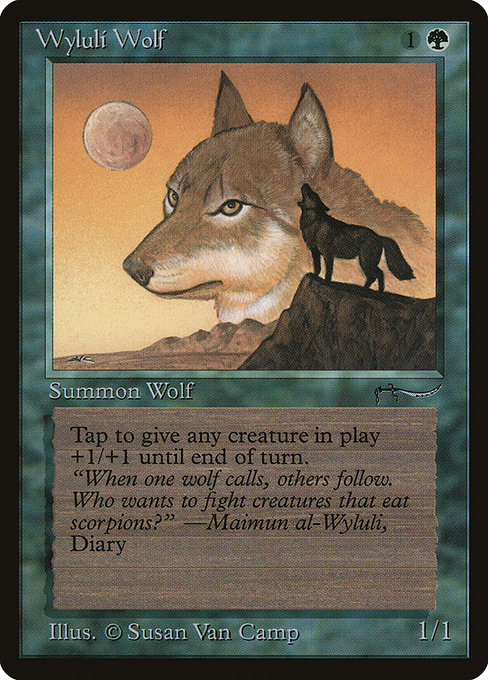 Wyluli WolfCreature — Wolf
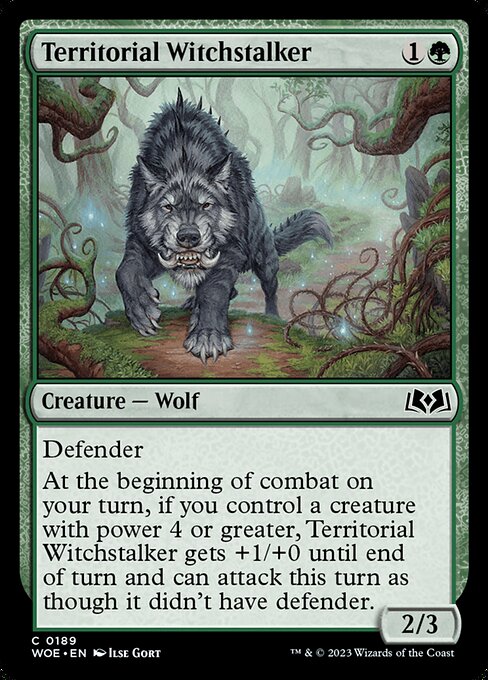 Territorial WitchstalkerCreature — Wolf
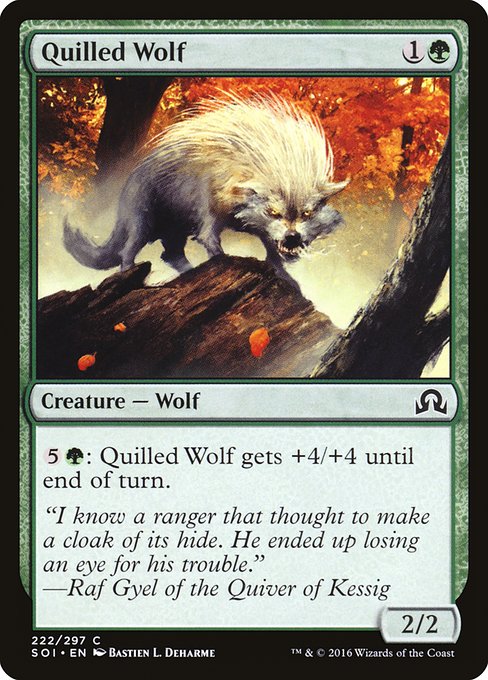 Quilled WolfCreature — Wolf
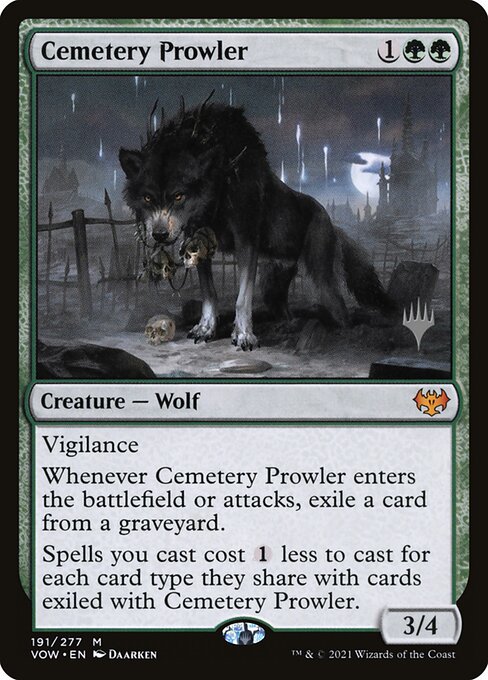 Cemetery ProwlerCreature — Wolf
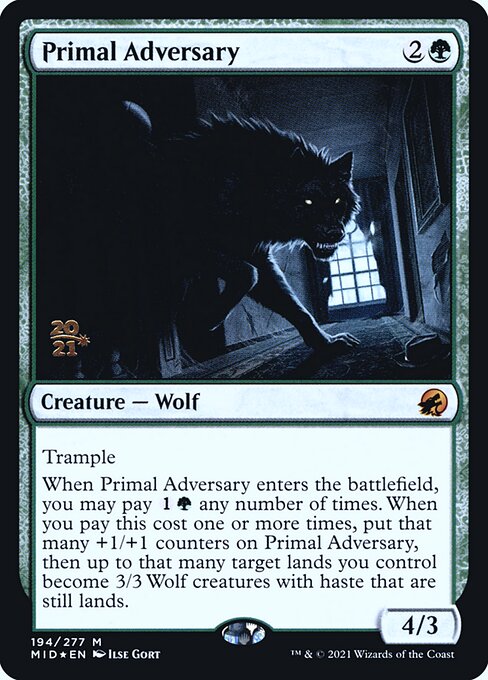 Primal Adversary
 Creature — Wolf
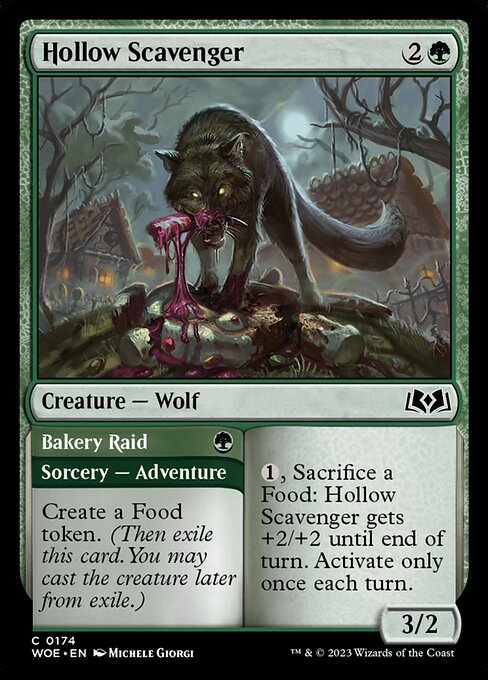 Hollow Scavenger // Bakery Raid // Creature — Wolf // Sorcery — Adventure
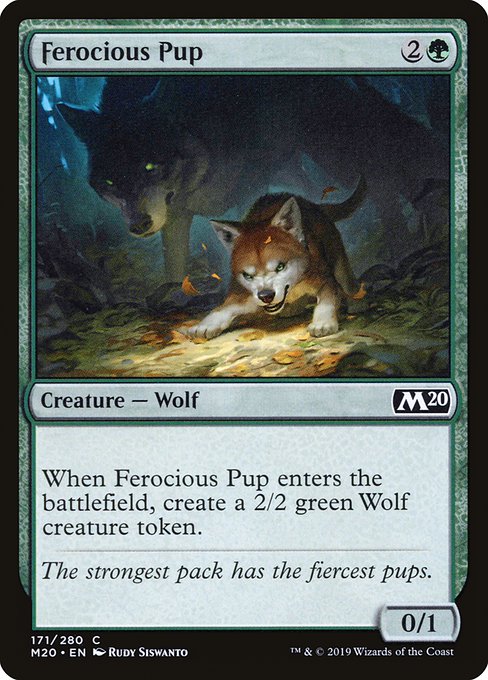 Ferocious PupCreature — Wolf
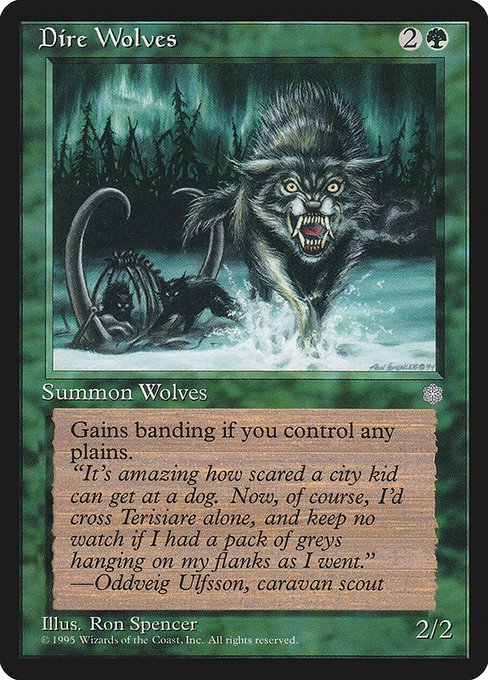 Dire WolvesCreature — Wolf
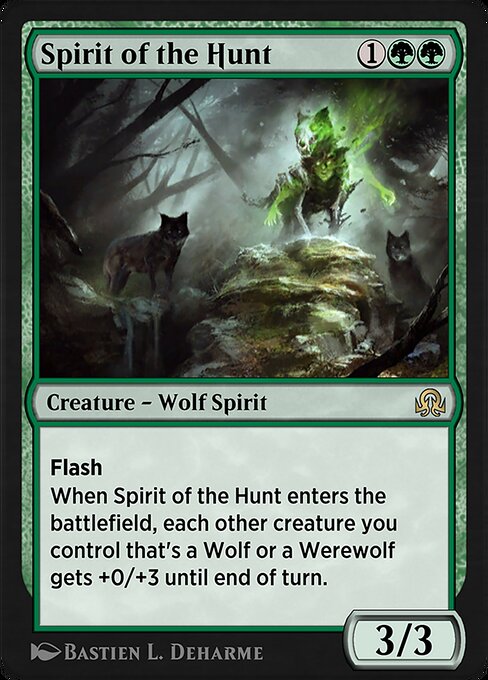 Spirit of the HuntCreature — Wolf Spirit
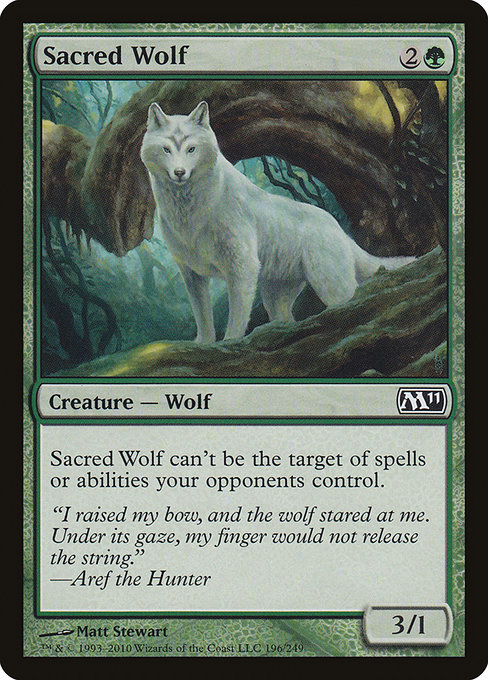 Sacred WolfCreature — Wolf
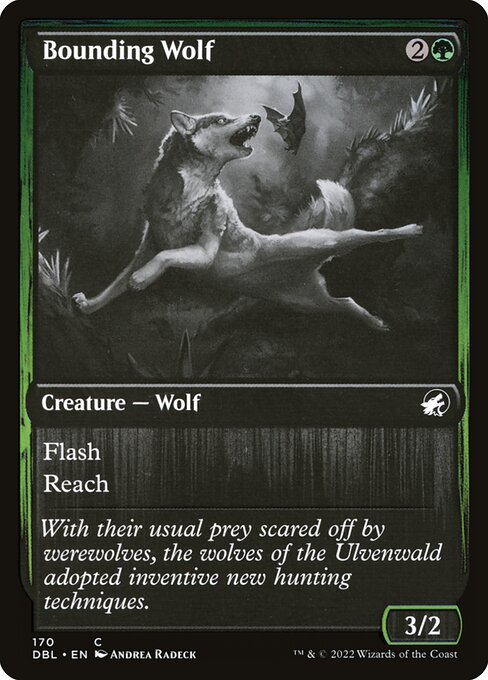 Bounding WolfCreature — Wolf
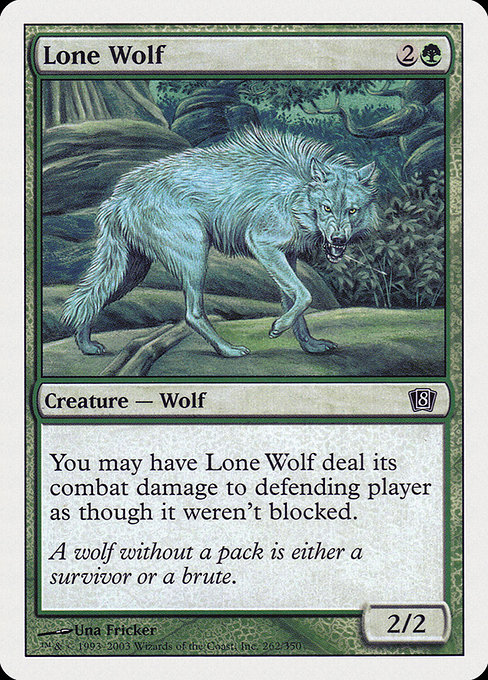 Lone WolfCreature — Wolf