
Umori, the Collector

 Legendary Creature — OozePower and toughness4/5
Card text
Companion — Each nonland card in your starting deck shares a card type. (If this card is your chosen companion, you may put it into your hand from outside the game for  as a sorcery.)
As Umori enters, choose a card type.
Spells you cast of the chosen type cost  less to cast.
Showing Ikoria: Lair of Behemoths#231
Price
0.30 $
Foil 0.32 $
26 printings · up to 0.44 $
Daily estimate from Scryfall, not a shop quote.
Umori, the Collector rulings
Wizards of the Coast has issued functional errata for the Companion mechanic. Instead of casting companions from outside the game: Once per game, any time you could cast a sorcery (during your main phase when the stack is empty), you can pay
to put your companion from your sideboard into your hand. This is a special action, not an activated ability. It happens immediately and can’t be responded to. It can’t be countered or stopped by cards like Phyrexian Revoker. For more information please see https://magic.wizards.com/en/articles/archive/news/june-1-2020-banned-and-restricted-announcementOnce you put your companion into your hand, it behaves like any other card you’ve brought into the game. For example, if it’s countered or destroyed, it’s put into your graveyard, remaining in the game.
Paying
to put your companion into your hand is a special action. It doesn't use the stack and players can't respond to it. Once you take this action, you may cast that card if it's legal to do so before any other player can take actions.If you reveal a companion outside the game, for as long as it remains there, you may pay
any time you could cast a sorcery (that is, you have priority during your main phase and the stack is empty). Once you do, you put it into your hand and behaves like any other card you've brought into the game. For example, if it's discarded, countered, or destroyed, it's put into your graveyard, remaining in the game. This is a change from previous rules.Land cards in your deck may have any number of additional types that may be shared with other cards or not.
Effects that reduce the generic mana cost of a spell (such as that of Umori) can't reduce that spell's colored mana requirements.
Your companion begins the game outside the game. In tournament play, this means your sideboard. In casual play, it's simply a card you own that's not in your starting deck.
Before shuffling your deck to become your library, you may reveal one card from outside the game to be your companion if your starting deck meets the requirements of the companion ability. You can't reveal more than one. It remains revealed outside the game as the game begins.
The requirements of the companion ability apply only to your starting deck. They do not apply to your sideboard.
If more than one player wishes to reveal a companion, the starting player does so first, and players proceed in turn order. Once a player has chosen not to reveal a companion, that player can't change their mind.
If you reveal a companion outside the game, for as long as it remains there, you may pay
any time you could cast a sorcery (that is, you have priority during your main phase and the stack is empty). Once you do, you put it into your hand and behaves like any other card you've brought into the game. For example, if it's discard, countered, or destroyed, it's put into your graveyard, remaining in the game. This is a change from previous rules.Paying
to put your companion into your hand is a special action. It doesn't use the stack and players can't respond to it. Once you take this action, you may cast that card if it's legal to do so before any other player can take actions.The companion's other abilities apply only if the creature is on the battlefield. They have no effect while the companion is outside the game.
The companion ability has no effect if the card is in your starting deck and creates no restriction on putting a card with a companion ability into your starting deck. For example, Zirda may be in your starting deck even if your other permanent cards don't all have activated abilities.
You may have one companion in the Commander variant. Your deck, including your commander, must meet its companion requirement. Your companion is not one of your one hundred cards.
Artifact, creature, enchantment, instant, planeswalker, and sorcery are card types. Supertypes (such as legendary) and subtypes (such as Ooze) are not.
To satisfy Umori's companion requirement, there must be one card type that each nonland card in your starting deck has. For example, if every nonland card is an artifact creature, enchantment creature, or creature, it is satisfied; but if you have an artifact creature, an artifact, and a creature, it is not satisfied.
Umori, the Collector keyword rules
Companion Rule 702.139
Companion is a keyword ability that functions outside the game. It’s written as “Companion—[Condition].” Before the game begins, you may reveal one card you own from outside the game with a companion ability whose condition is fulfilled by your starting deck. (See rule .) Once during the game, any time you have priority and the stack is empty, but only during a main phase of your turn, you may pay {3} and put that card into your hand. This is a special action that doesn’t use the stack (see rule ). This is a change from previous rules.
If a companion ability refers to your starting deck, it refers to your deck after you’ve set aside any sideboard cards. In a Commander game, this is also before you’ve set aside your commander.
Once you take the special action and put the card with companion into your hand, it remains in the game until the game ends.
Umori, the Collector format legality
Constructed
- StandardNot legal
- PioneerLegal
- ModernLegal
- Future StandardNot legal
Eternal
- LegacyLegal
- VintageLegal
- PauperNot legal
- PremodernNot legal
- Old SchoolNot legal
- Penny DreadfulLegal
Commander
- CommanderLegal
- OathbreakerLegal
- Pauper CommanderNot legal
- Duel CommanderLegal
- PreDHNot legal
Arena & online
- HistoricLegal
- TimelessLegal
- AlchemyNot legal
- GladiatorLegal
- BrawlLegal
- Standard BrawlNot legal
- Competitive BrawlLegal
Other
- TLRNot legal
All printings of Umori, the Collector 26
Cards similar to Umori, the Collector
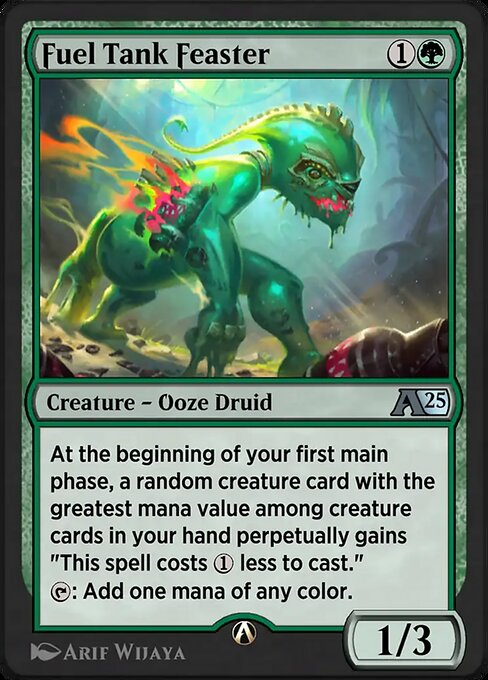 Fuel Tank Feaster
 Creature — Ooze Druid
 Putrid PalsCreature — Human Ooze Mutant
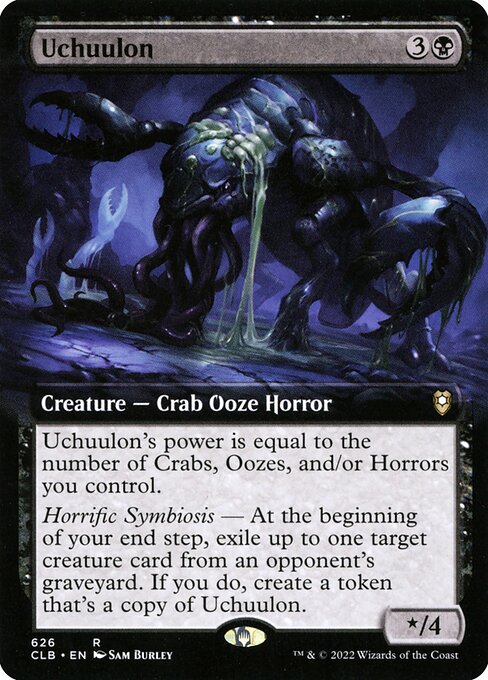 Uchuulon
 Creature — Crab Ooze Horror
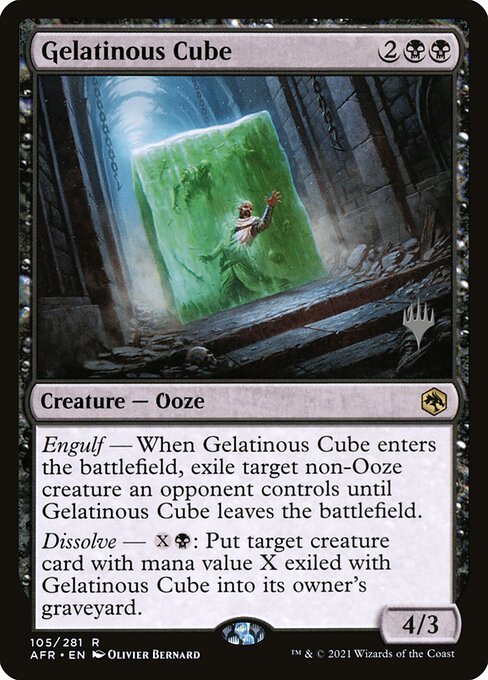 Gelatinous CubeCreature — Ooze
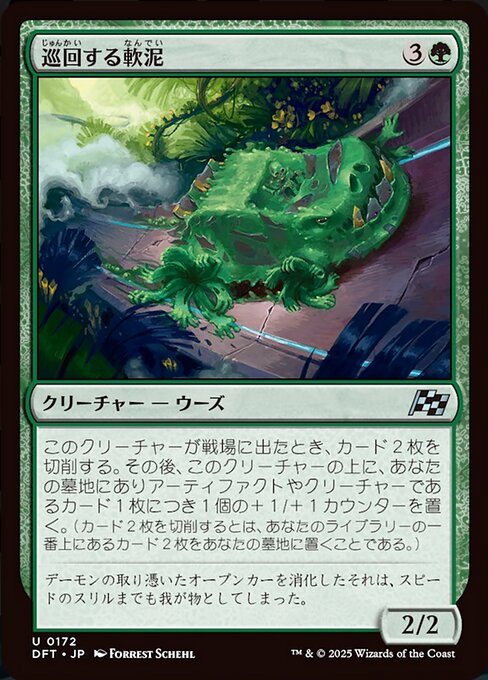 Ooze PatrolCreature — Ooze
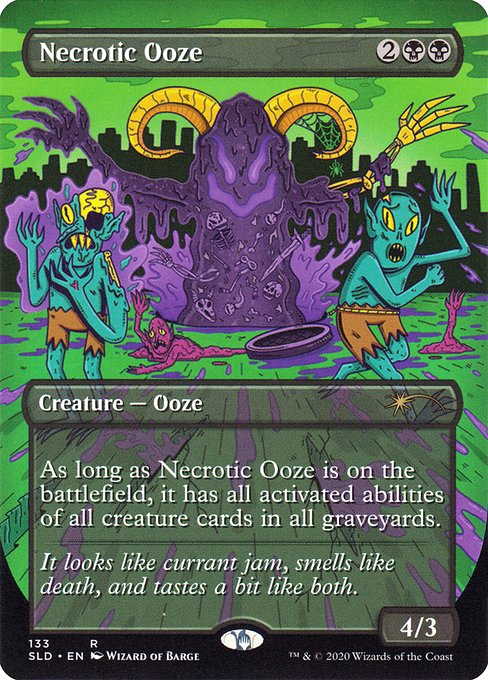 Necrotic OozeCreature — Ooze
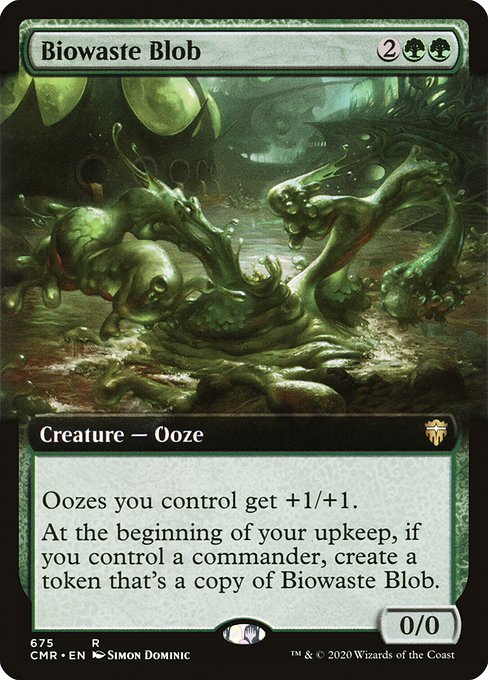 Biowaste BlobCreature — Ooze
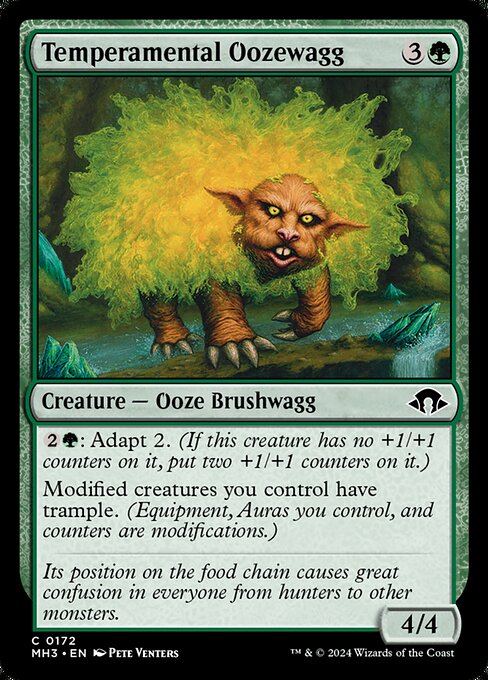 Temperamental OozewaggCreature — Ooze Brushwagg
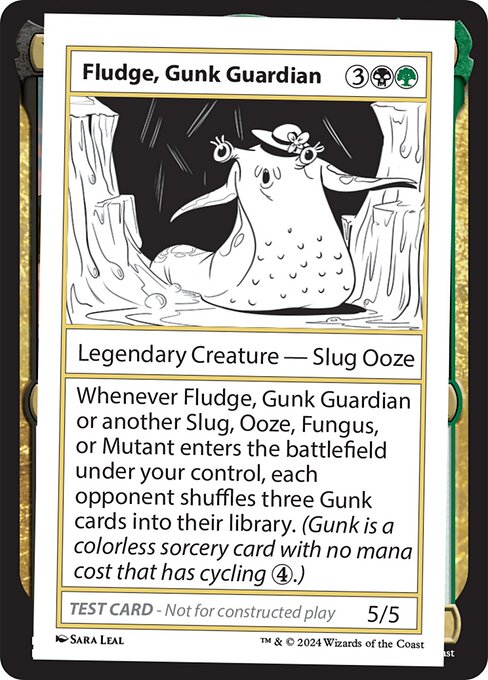 Fludge, Gunk GuardianLegendary Creature — Slug Ooze
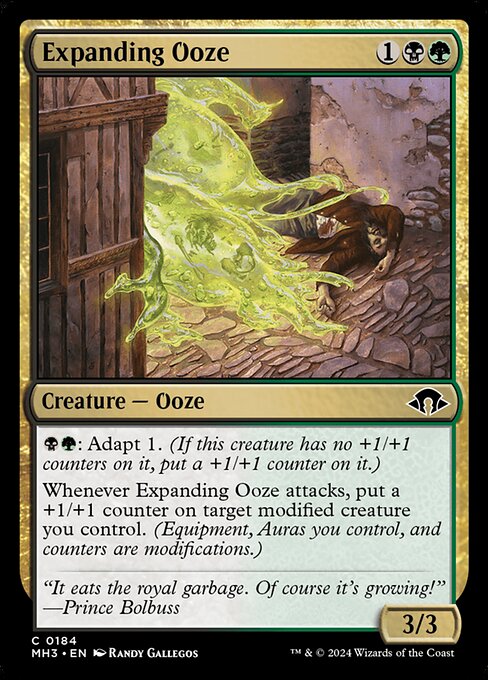 Expanding OozeCreature — Ooze
Show 20 more similar cards
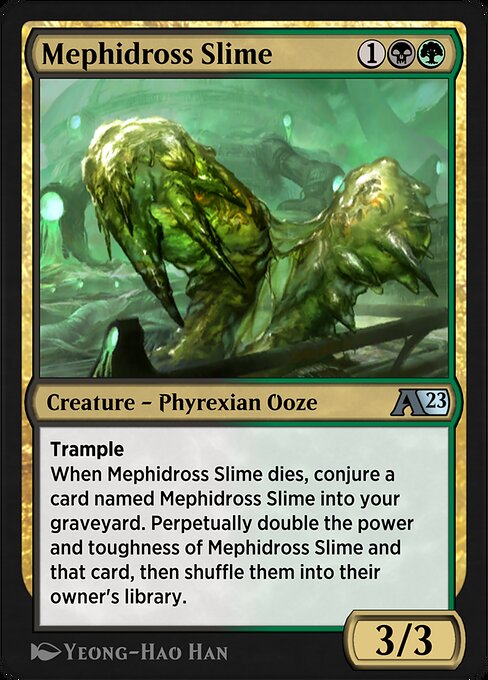 Mephidross SlimeCreature — Phyrexian Ooze
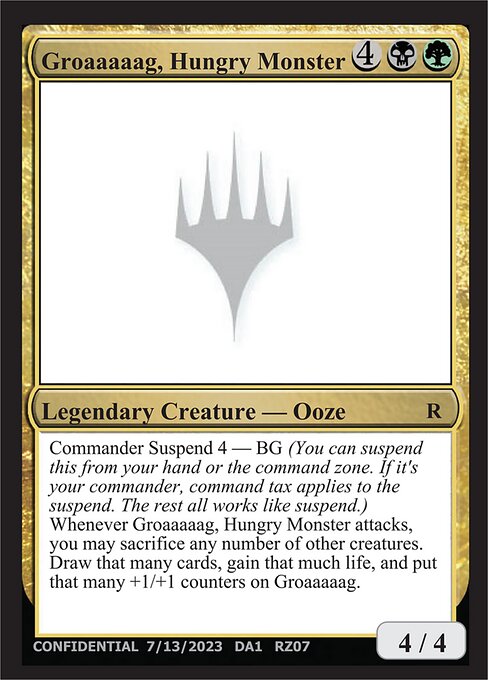 Groaaaaag, Hungry Monster
 Legendary Creature — Ooze
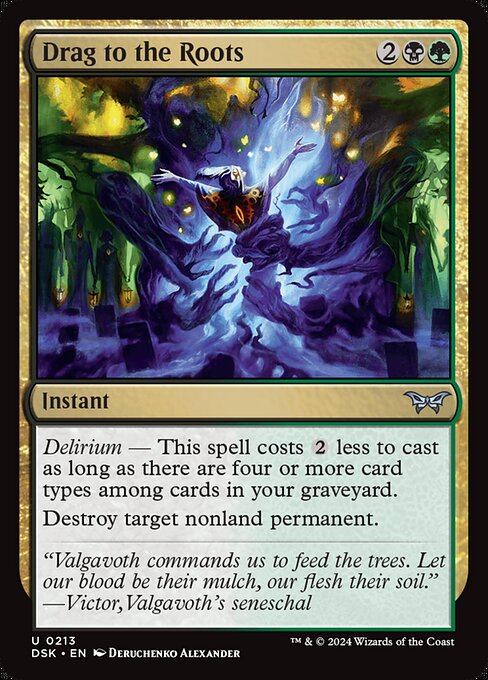 Drag to the RootsInstant
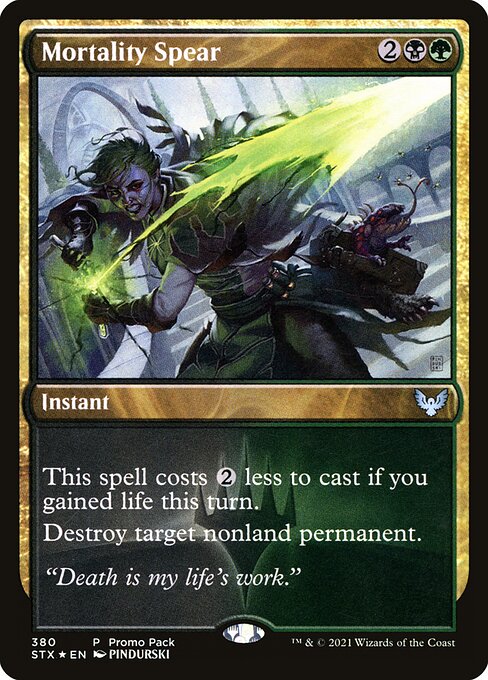 Mortality SpearInstant
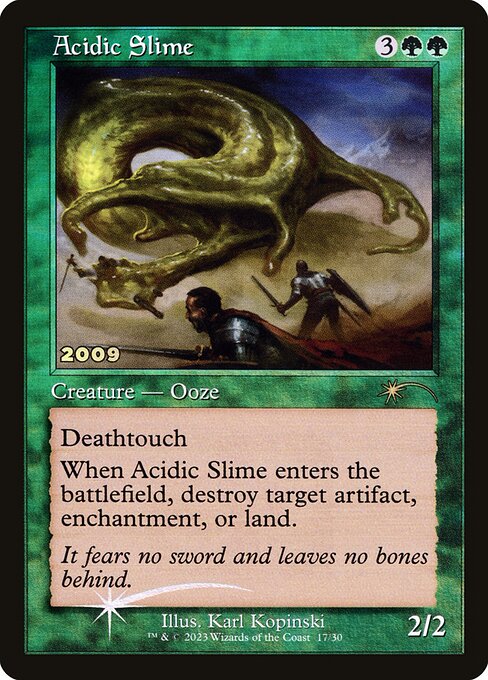 Acidic SlimeCreature — Ooze
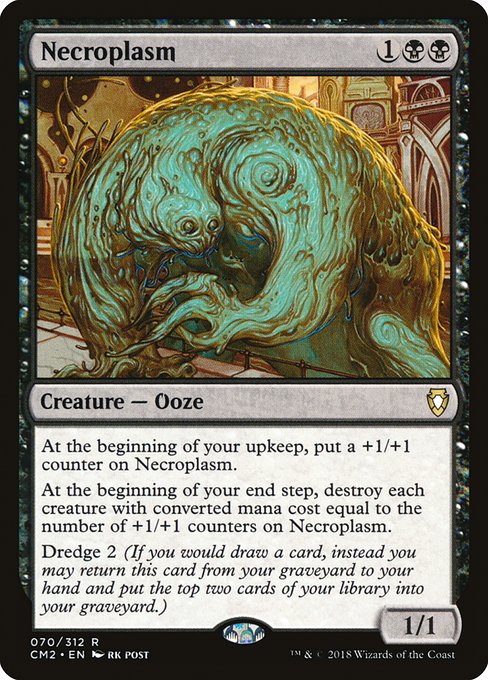 NecroplasmCreature — Ooze
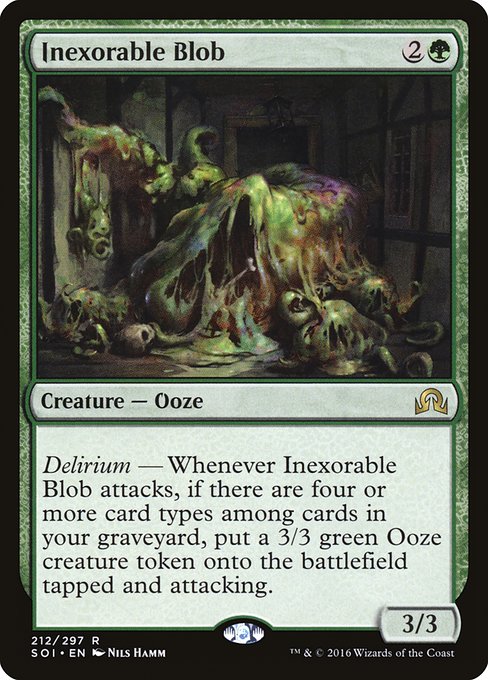 Inexorable BlobCreature — Ooze
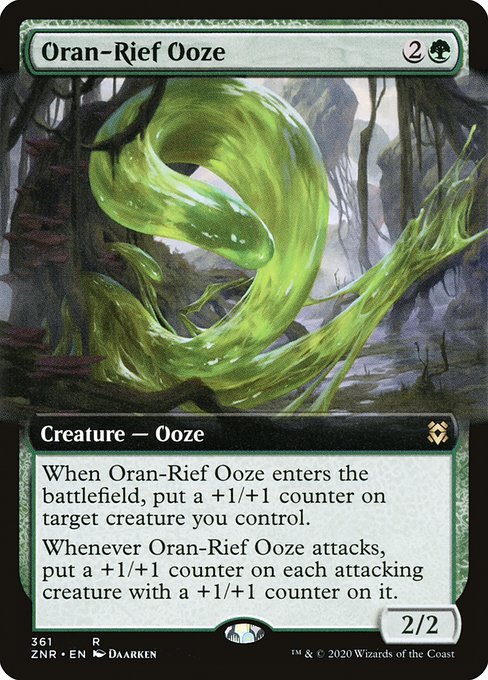 Oran-Rief OozeCreature — Ooze
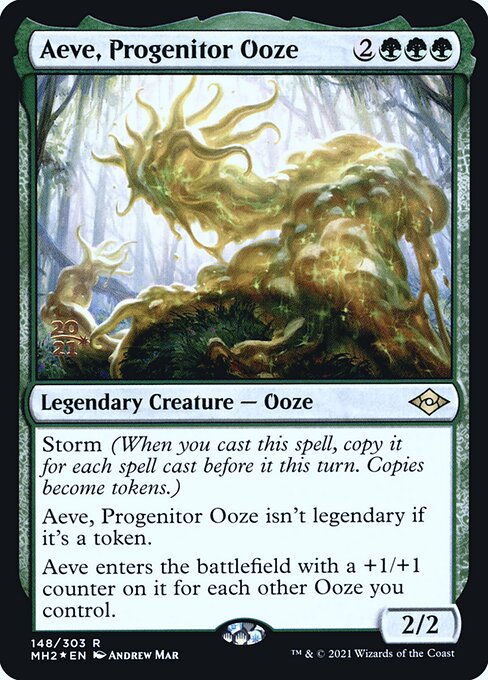 Aeve, Progenitor OozeLegendary Creature — Ooze
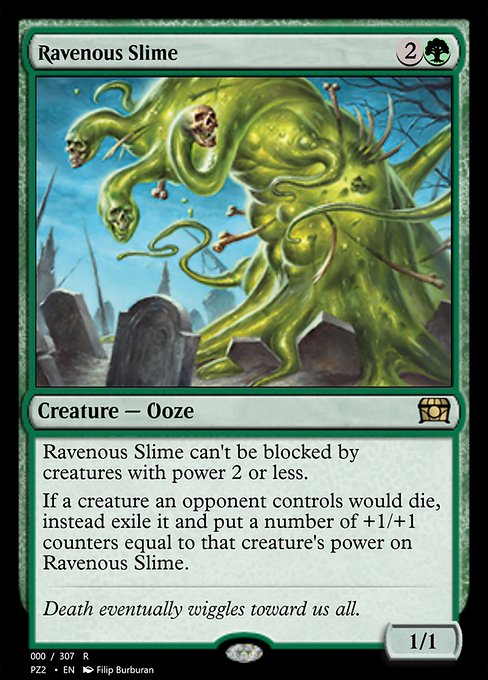 Ravenous SlimeCreature — Ooze
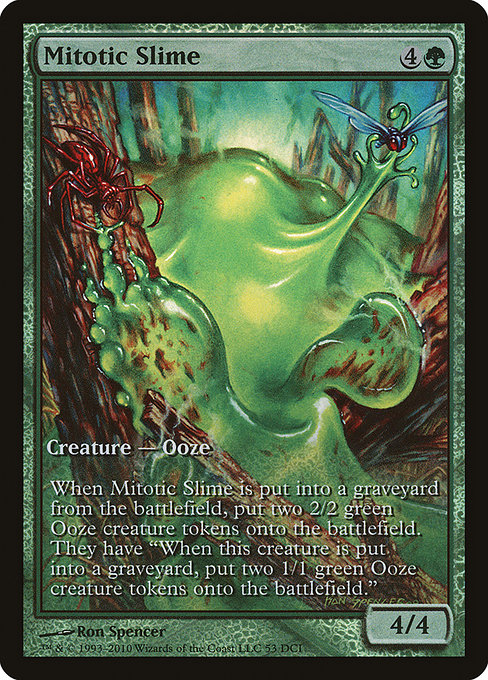 Mitotic SlimeCreature — Ooze
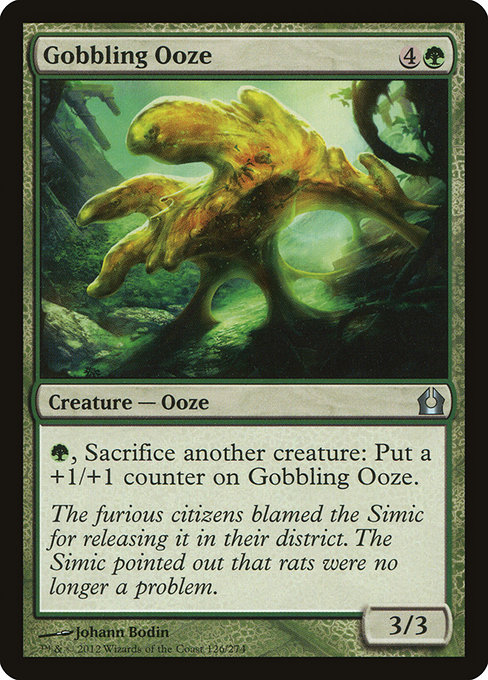 Gobbling OozeCreature — Ooze
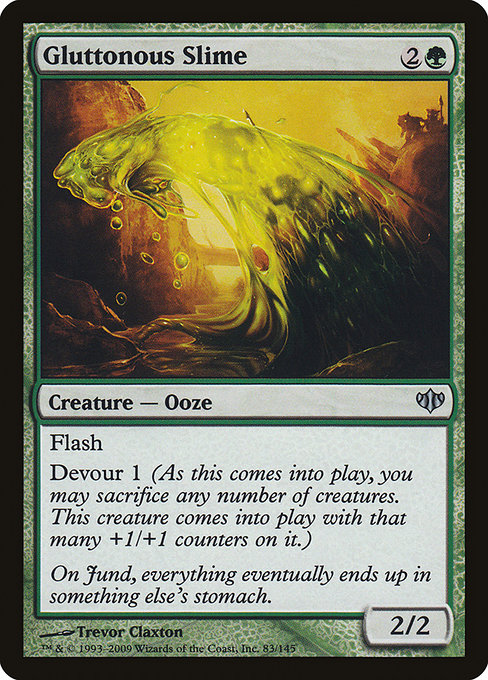 Gluttonous SlimeCreature — Ooze
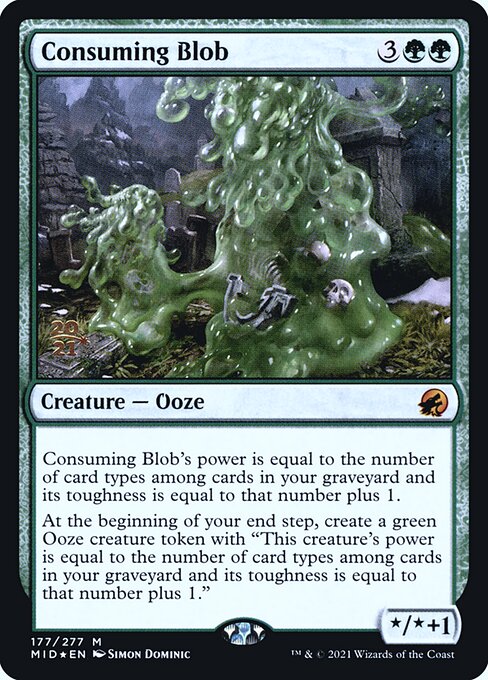 Consuming BlobCreature — Ooze
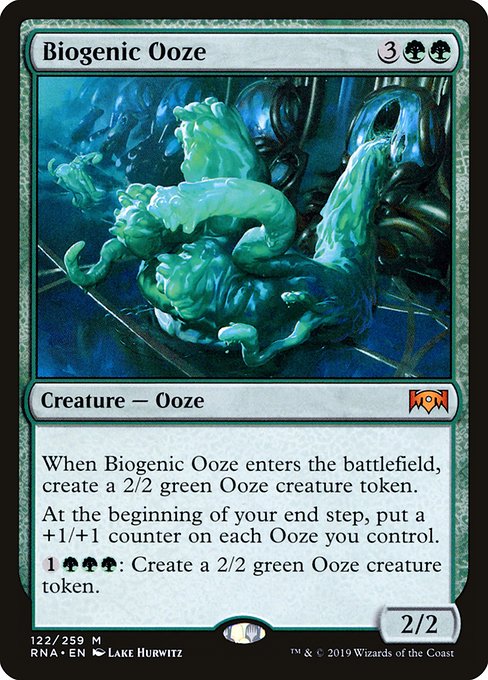 Biogenic OozeCreature — Ooze
 Predator OozeCreature — Ooze
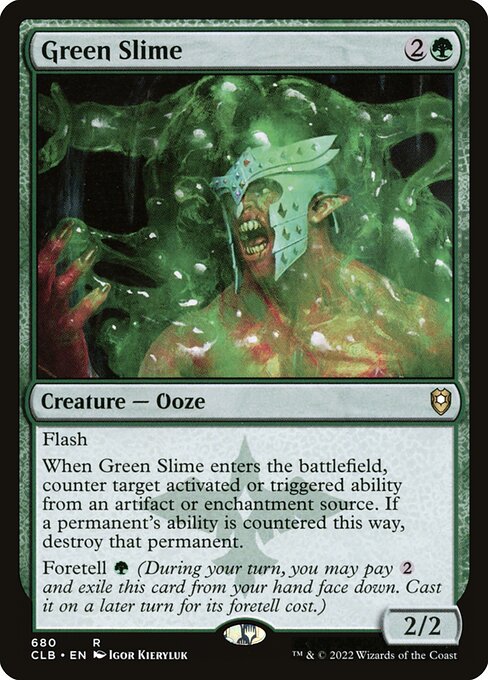 Green SlimeCreature — Ooze
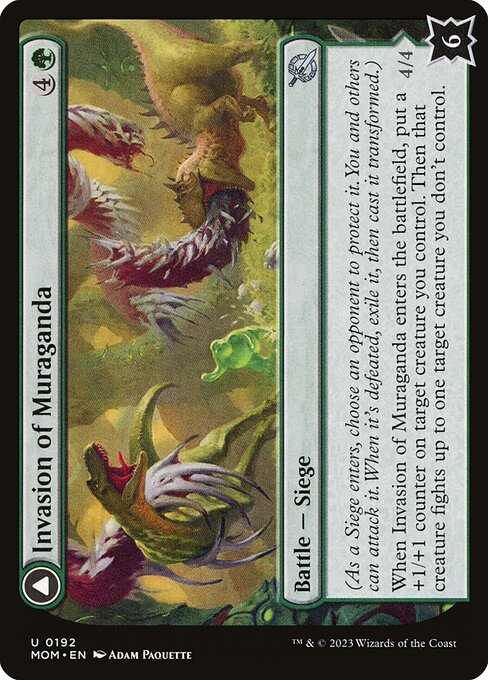 Invasion of Muraganda // Primordial PlasmBattle — Siege // Creature — Ooze
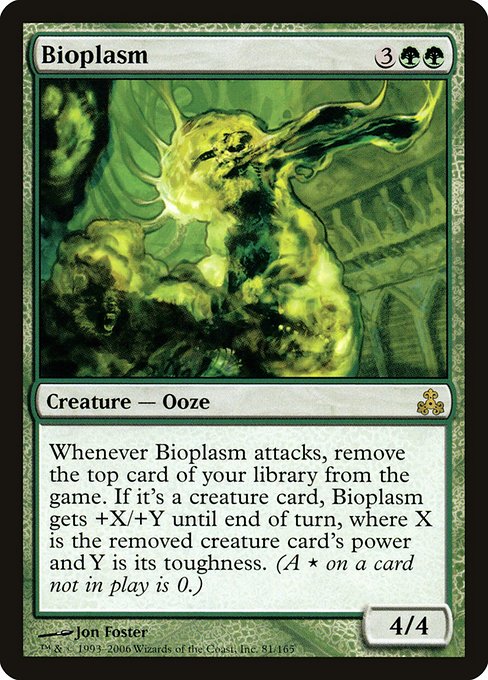 BioplasmCreature — Ooze
 OozeaviteCreature — Ooze