
Emrakul, the Promised End
 Legendary Creature — EldraziPower and toughness13/13
Card text
This spell costs  less to cast for each card type among cards in your graveyard.
When you cast this spell, you gain control of target opponent during that player's next turn. After that turn, that player takes an extra turn.
Flying, trample, protection from instants
An enigma as vexing as life itself.
Showing Eldritch Moon#6
Price
30.04 $
Foil 34.07 $
17 printings · up to 43.70 $
Daily estimate from Scryfall, not a shop quote.
Emrakul, the Promised End rulings
The card types that could appear in your graveyard are artifact, battle, creature, enchantment, instant, kindred, land, planeswalker, and sorcery. Supertypes (such as legendary and basic) and subtypes (such as Human and Equipment) are not counted. The maximum discount that Emrakul’s own ability can provide is
 .
.Protection from instants means that Emrakul can’t be the target of instant spells or activated or triggered abilities from instant cards, and damage that would be dealt to it by instant spells or cards is prevented. Instant spells may still affect it in other ways; for example, it would still receive the bonus from Rally the Peasants.
Protection abilities only apply while the object with the ability is on the battlefield. Notably, Emrakul may be the target of a spell that targets it while on the stack, such as Syncopate.
An ability that triggers when a player casts a spell resolves before the spell that caused it to trigger. It resolves even if that spell is countered or otherwise leaves the stack without resolving.
The player you’re controlling is still the active player during that turn.
You only control the player. You don’t control any of that player’s permanents, spells, or abilities.
While controlling another player, you also continue to make your own choices and decisions.
While controlling another player, you make all choices and decisions that player is allowed to make or is told to make during that turn. This includes choices about what spells to cast or what abilities to activate, as well as any decisions called for by triggered abilities or for any other reason.
You can’t make the affected player concede. That player may choose to concede at any time, even while you’re controlling that player.
You can’t make any illegal decisions or illegal choices—you can’t do anything that player couldn’t do. You can’t make choices or decisions for that player that aren’t called for by the game rules or by any cards, permanents, spells, abilities, and so on. If an effect causes another player to make decisions that the affected player would normally make (such as Master Warcraft does), that effect takes precedence. In other words, if the affected player wouldn’t make a decision, you wouldn’t make that decision on that player’s behalf.
You also can’t make any choices or decisions for the player that would be called for by the tournament rules (such as whether to take an intentional draw or whether to call a judge).
While controlling another player, you can see all cards in the game that player can see. This includes cards in that player’s hand, face-down cards that player controls, and any cards in that player’s library the player may look at.
Controlling a player doesn’t allow you to look at that player’s sideboard. If an effect instructs that player to choose a card from outside the game, you can’t have that player choose any card.
You can use only the affected player’s resources (cards, mana, and so on) to pay costs for that player; you can’t use your own. Similarly, you can use the affected player’s resources only to pay that player’s costs; you can’t spend them on your costs.
Multiple player-controlling effects that affect the same player overwrite each other. The last one to be created is the one that works. If multiple players have cast Emrakul and targeted the same player, each ability’s effect will create an extra turn.
In a Two-Headed Giant game, gaining control of a player causes you to gain control of each player on that team.
If the targeted player skips their next turn, you’ll control the next turn the affected player actually takes, and the extra turn the player takes will be after that turn.
If the targeted player loses the game while you control their turn during a multiplayer game, the extra turn never begins.
Emrakul, the Promised End keyword rules
Flying Rule 702.9
Flying is an evasion ability.
A creature with flying can’t be blocked except by creatures with flying and/or reach. A creature with flying can block a creature with or without flying. (See rule , “Declare Blockers Step,” and rule , “Reach.”)
Multiple instances of flying on the same creature are redundant.
Protection Rule 702.16
Protection is a static ability, written “Protection from [quality].” This quality is usually a color (as in “protection from black”) but can be any characteristic value or information. If the quality happens to be a card name, it is treated as such only if the protection ability specifies that the quality is a name. If the quality is a card type, subtype, or supertype, the ability applies to sources that are permanents with that card type, subtype, or supertype and to any sources not on the battlefield that are of that card type, subtype, or supertype. This is an exception to rule .
A permanent or player with protection can’t be targeted by spells with the stated quality and can’t be targeted by abilities from a source with the stated quality.
A permanent or player with protection can’t be enchanted by Auras that have the stated quality. Such Auras attached to the permanent or player with protection will be put into their owners’ graveyards as a state-based action. (See rule , “State-Based Actions.”)
A permanent with protection can’t be equipped by Equipment that have the stated quality or fortified by Fortifications that have the stated quality. Such Equipment or Fortifications become unattached from that permanent as a state-based action, but remain on the battlefield. (See rule , “State-Based Actions.”)
Any damage that would be dealt by sources that have the stated quality to a permanent or player with protection is prevented.
Attacking creatures with protection can’t be blocked by creatures that have the stated quality.
“Protection from [quality A] and from [quality B]” is shorthand for “protection from [quality A]” and “protection from [quality B]”; it behaves as two separate protection abilities.
“Protection from each [characteristic]” is shorthand for “protection from [quality A],” “protection from [quality B],” and so on for each possible quality the listed characteristic could have; it behaves as multiple separate protection abilities.
“Protection from each [set of characteristics, qualities, or players]” is shorthand for “protection from [A],” “protection from [B],” and so on for each characteristic, quality, or player in the set. It behaves as multiple separate protection abilities.
“Protection from everything” is a variant of the protection ability. A permanent or player with protection from everything has protection from each object regardless of that object’s characteristic values. Such a permanent or player can’t be targeted by spells or abilities and can’t be enchanted by Auras. Such a permanent can’t be equipped by Equipment, fortified by Fortifications, or blocked by creatures. All damage that would be dealt to such a permanent or player is prevented.
“Protection from [a player]” is a variant of the protection ability. A permanent or player with protection from a specific player has protection from each object that player controls and protection from each object that player owns not controlled by another player, regardless of that object’s characteristic values. Such a permanent or player can’t be targeted by spells or abilities the specified player controls and can’t be enchanted by Auras that player controls. Such a permanent can’t be equipped by Equipment that player controls, fortified by Fortifications that player controls, or blocked by creatures that player controls. All damage that would be dealt to such a permanent or player by sources controlled by the specified player or owned by that player but not controlled by another player is prevented.
Multiple instances of protection from the same quality on the same permanent or player are redundant.
Some Auras both give the enchanted creature protection from a quality and say “this effect doesn’t remove” either that specific Aura or all Auras. This means that the specified Auras aren’t put into their owners’ graveyards as a state-based action. If the creature has other instances of protection from the same quality, those instances affect Auras as normal.
One Aura (Benevolent Blessing) gives the enchanted creature protection from a quality and says the effect doesn’t remove certain permanents that are “already attached to” that creature. This means that, when the protection effect starts to apply, any objects with the stated quality that are already attached to that creature (including the Aura giving that creature protection) will not be put into their owners’ graveyards as a state-based action. Other permanents with the stated quality can’t become attached to the creature. If the creature has other instances of protection from the same quality, those instances affect attached permanents as normal.
Trample Rule 702.19
Trample is a static ability that modifies the rules for assigning an attacking creature’s combat damage. The ability has no effect when a creature with trample is blocking or is dealing noncombat damage. (See rule , “Combat Damage Step.”)
The controller of an attacking creature with trample first assigns damage to the creature(s) blocking it. Once all those blocking creatures are assigned lethal damage, any excess damage is assigned as its controller chooses among those blocking creatures and the player, planeswalker, or battle the creature is attacking. When checking for assigned lethal damage, take into account damage already marked on the creature and damage from other creatures that’s being assigned during the same combat damage step, but not any abilities or effects that might change the amount of damage that’s actually dealt. The attacking creature’s controller need not assign lethal damage to all those blocking creatures but in that case can’t assign any damage to the player or planeswalker it’s attacking.
Trample over planeswalkers is a variant of trample that modifies the rules for assigning combat damage to planeswalkers. The controller of a creature with trample over planeswalkers assigns that creature’s combat damage as described in rule , with one exception. If that creature is attacking a planeswalker, after lethal damage is assigned to all blocking creatures and damage at least equal to the loyalty of the planeswalker the creature is attacking is assigned to that planeswalker, further excess damage may be assigned as the attacking creature’s controller chooses among those blocking creatures, that planeswalker, and that planeswalker’s controller. When checking for assigned damage equal to a planeswalker’s loyalty, take into account damage from other creatures that’s being assigned during the same combat damage step, but not any abilities or effects that might change the amount of damage that’s actually dealt.
If an attacking creature with trample or trample over planeswalkers is blocked, but there are no creatures blocking it when damage is assigned, its damage is assigned to the defending player and/or planeswalker as though all blocking creatures have been assigned lethal damage.
If a creature with trample over planeswalkers is attacking a planeswalker and that planeswalker is removed from combat, the creature’s damage may be assigned to the defending player once all blocking creatures have been dealt lethal damage or, if there are no blocking creatures when damage is assigned, all its damage is assigned to the defending player. This is an exception to rule , and it does not cause the creature to be attacking that player.
If a creature without trample over planeswalkers is attacking a planeswalker, none of its combat damage can be assigned to the defending player, even if that planeswalker has been removed from combat or the damage the attacking creature could assign is greater than the planeswalker’s loyalty.
Multiple instances of trample on the same creature are redundant. Multiple instances of trample over planeswalkers on the same creature are redundant.
Emrakul, the Promised End format legality
Constructed
- StandardNot legal
- PioneerLegal
- ModernLegal
- Future StandardNot legal
Eternal
- LegacyLegal
- VintageLegal
- PauperNot legal
- PremodernNot legal
- Old SchoolNot legal
- Penny DreadfulNot legal
Commander
- CommanderLegal
- OathbreakerLegal
- Pauper CommanderNot legal
- Duel CommanderLegal
- PreDHNot legal
Arena & online
- HistoricLegal
- TimelessLegal
- AlchemyNot legal
- GladiatorLegal
- BrawlLegal
- Standard BrawlNot legal
- Competitive BrawlLegal
Other
- TLRNot legal
All printings of Emrakul, the Promised End 17
Cards similar to Emrakul, the Promised End
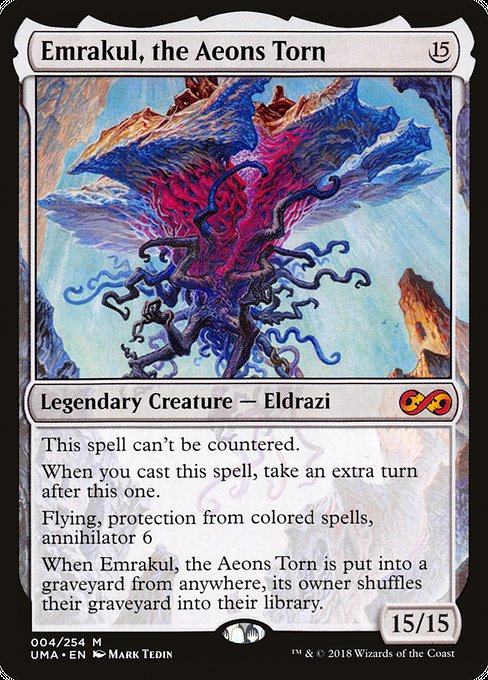 Emrakul, the Aeons Torn
 Legendary Creature — Eldrazi
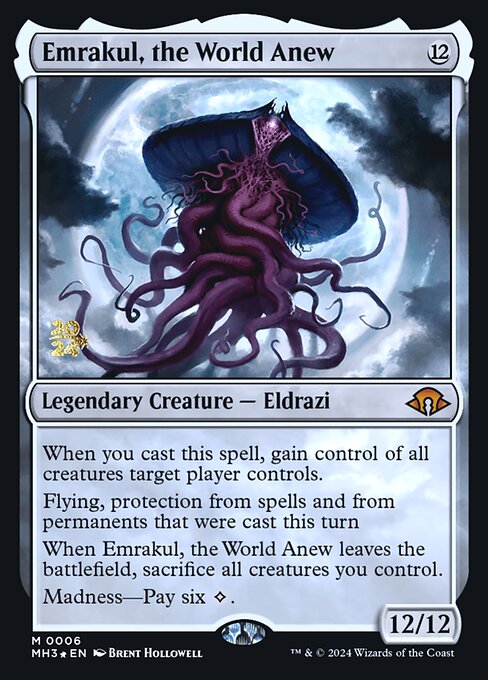 Emrakul, the World Anew
 Legendary Creature — Eldrazi
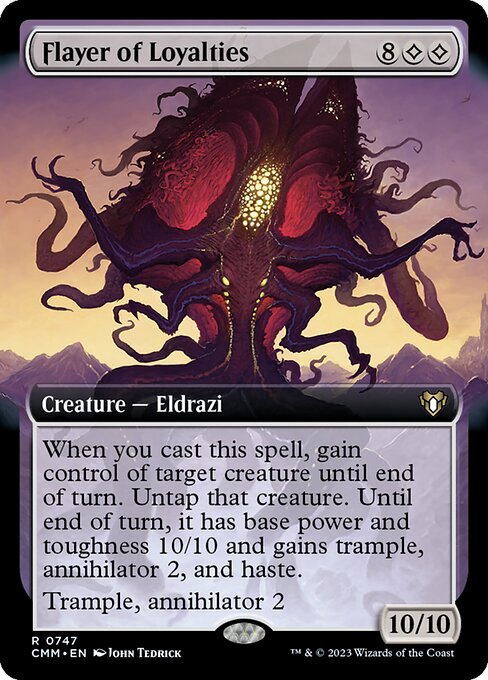 Flayer of Loyalties
 Creature — Eldrazi
 Emrakul, the Exigent Doom
 Legendary Creature — Eldrazi
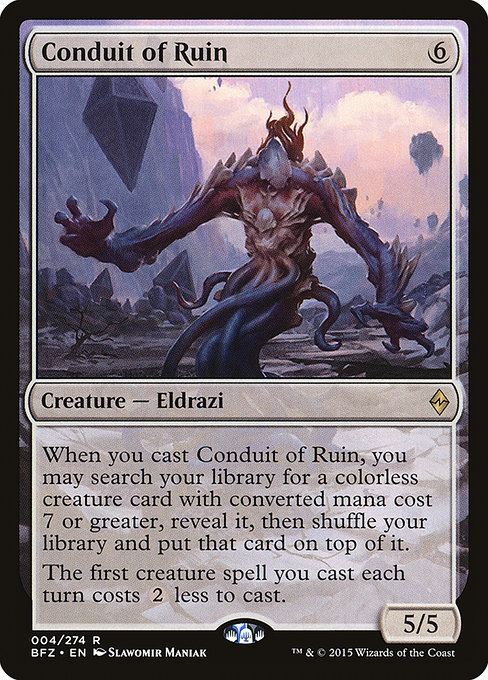 Conduit of Ruin
 Creature — Eldrazi
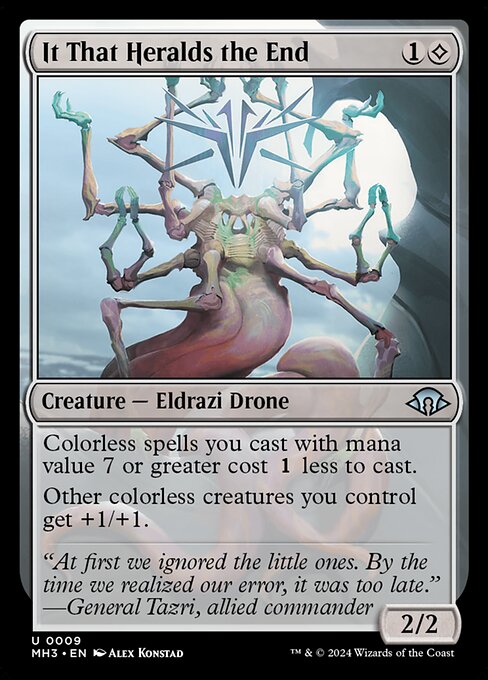 It That Heralds the EndCreature — Eldrazi Drone
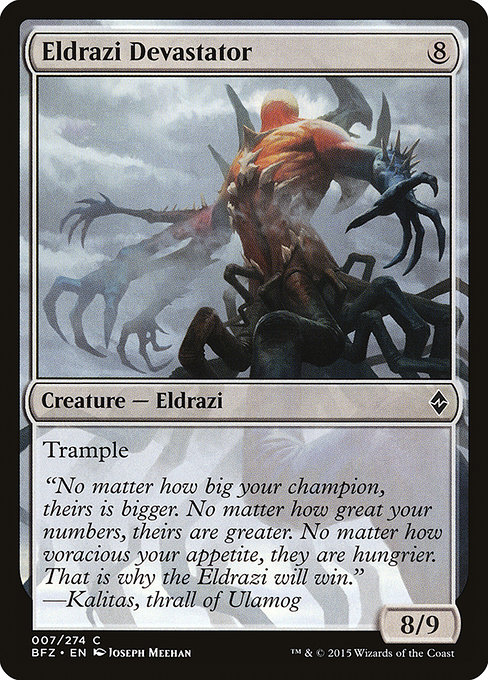 Eldrazi DevastatorCreature — Eldrazi
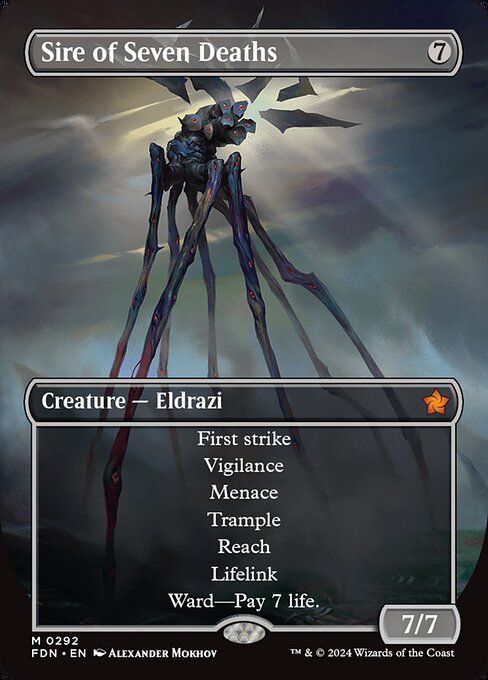 Sire of Seven Deaths
 Creature — Eldrazi
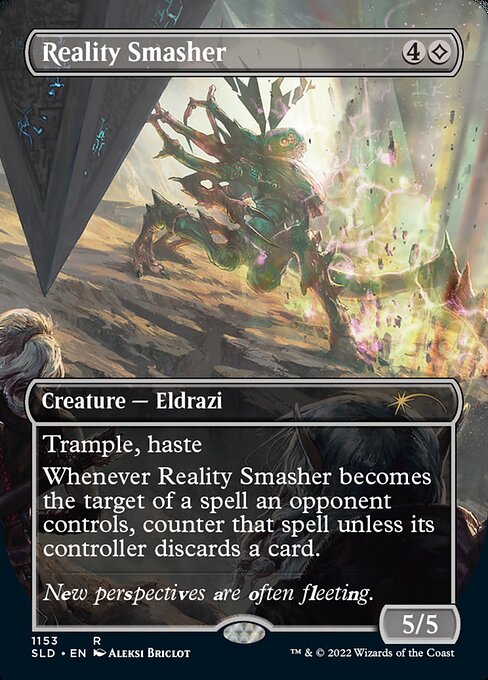 Reality Smasher
 Creature — Eldrazi
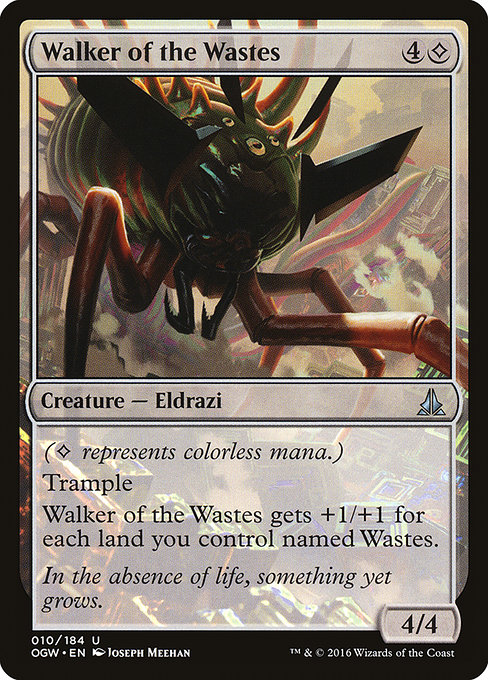 Walker of the WastesCreature — Eldrazi
Show 20 more similar cards
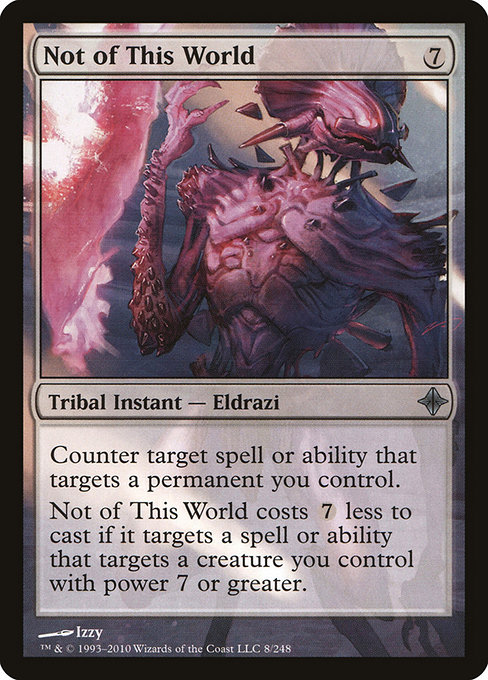 Not of This WorldKindred Instant — Eldrazi
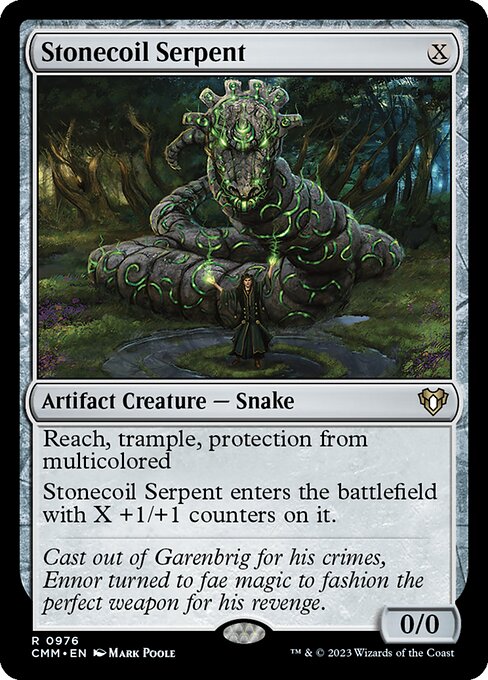 Stonecoil Serpent
 Artifact Creature — Snake
 Aetherflux Car
 Artifact — Vehicle
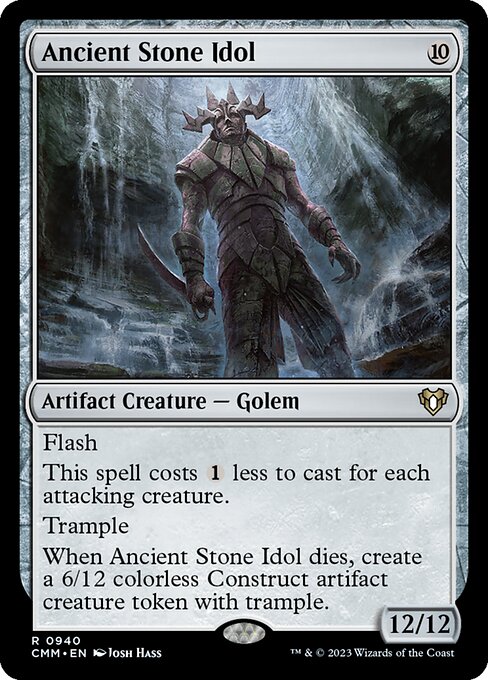 Ancient Stone IdolArtifact Creature — Golem
 Panther RobotArtifact Creature — Cat Robot
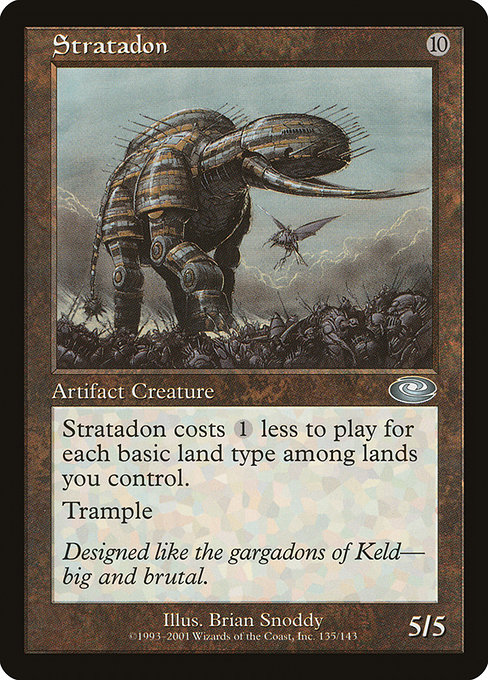 StratadonArtifact Creature — Beast
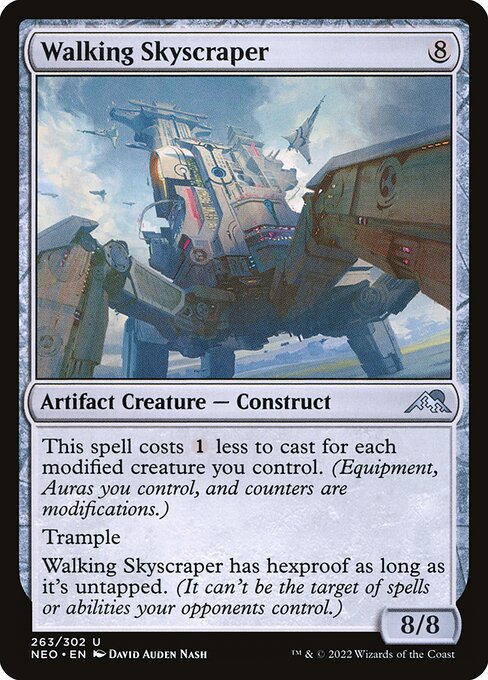 Walking SkyscraperArtifact Creature — Construct
 GingerbehemothArtifact Creature — Food Golem
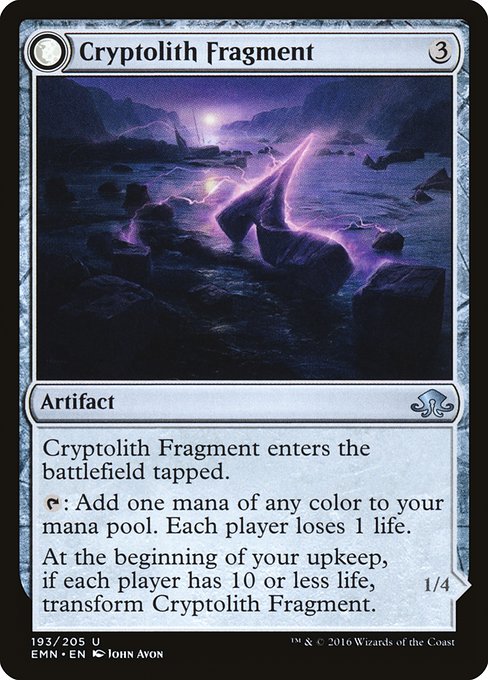 Cryptolith Fragment // Aurora of EmrakulArtifact // Creature — Eldrazi Reflection
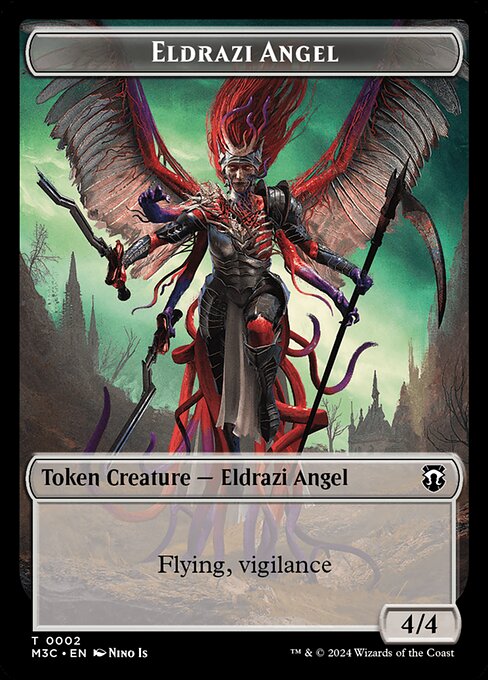 Eldrazi AngelToken Creature — Eldrazi Angel
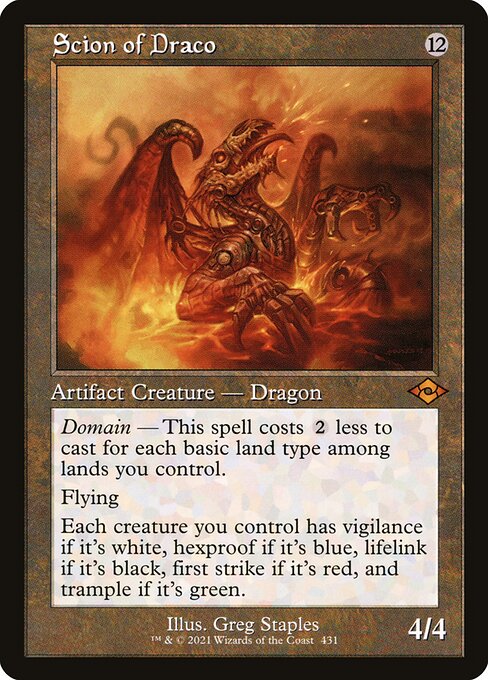 Scion of DracoArtifact Creature — Dragon
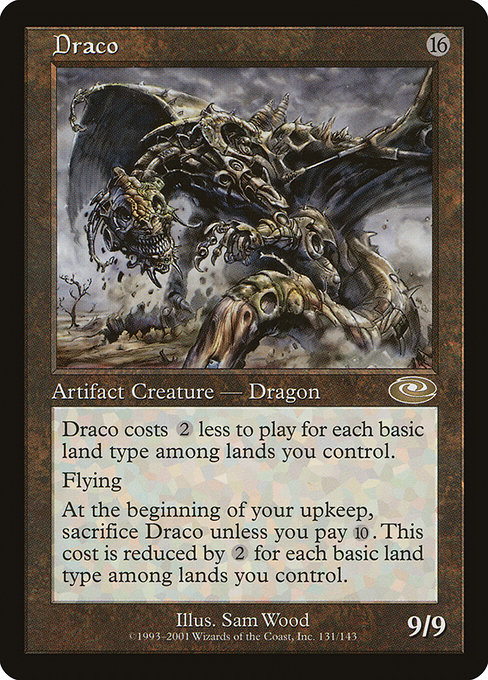 Draco
Draco Artifact Creature — Dragon
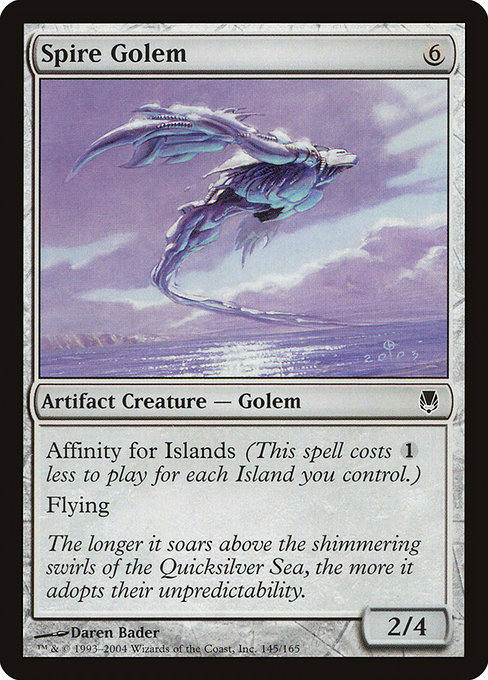 Spire GolemArtifact Creature — Golem
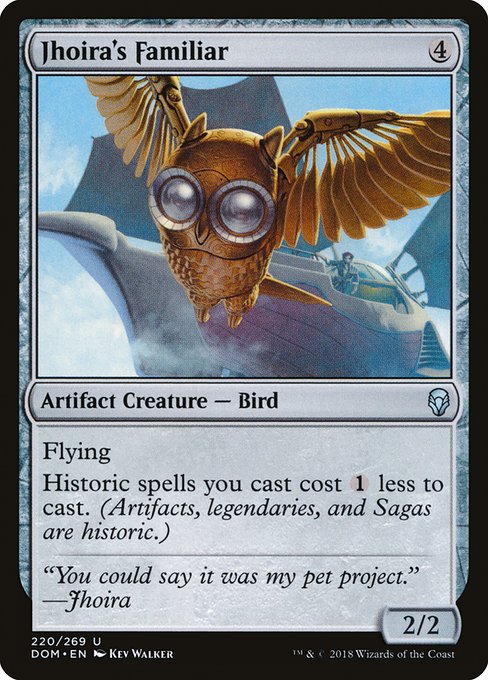 Jhoira's FamiliarArtifact Creature — Bird
 The Faction DragonLegendary Creature — Dragon
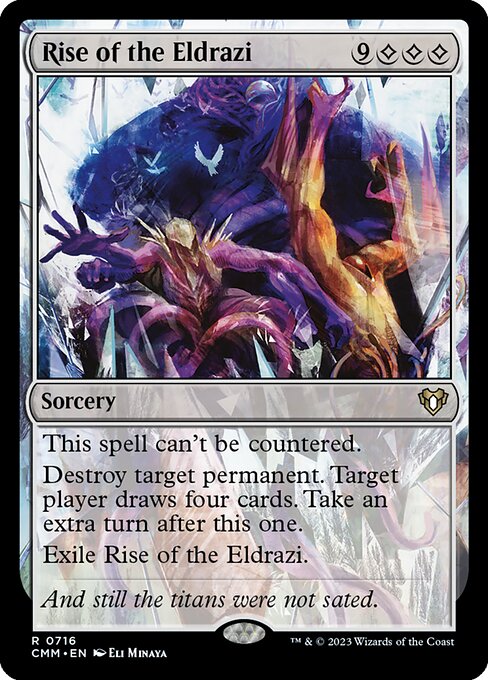 Rise of the EldraziSorcery
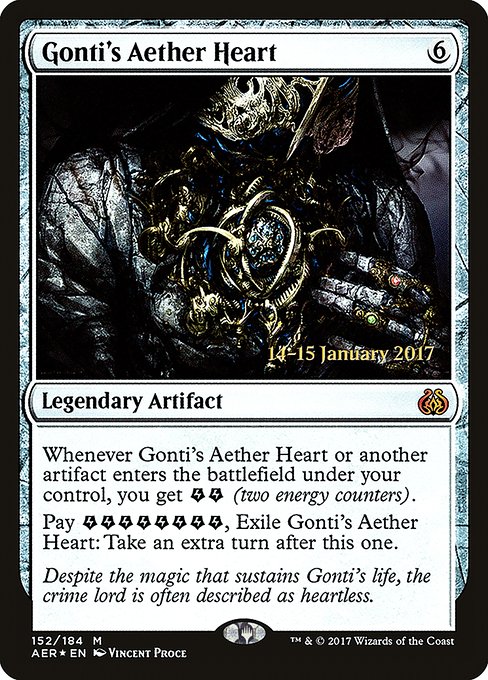 Gonti's Aether HeartLegendary Artifact
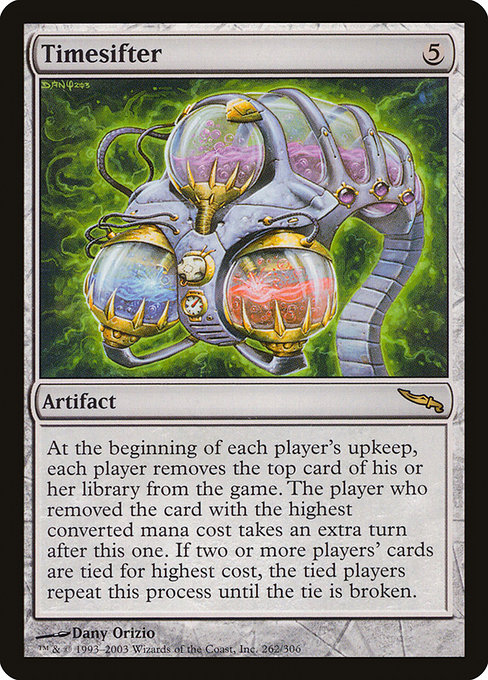 Timesifter
 Artifact
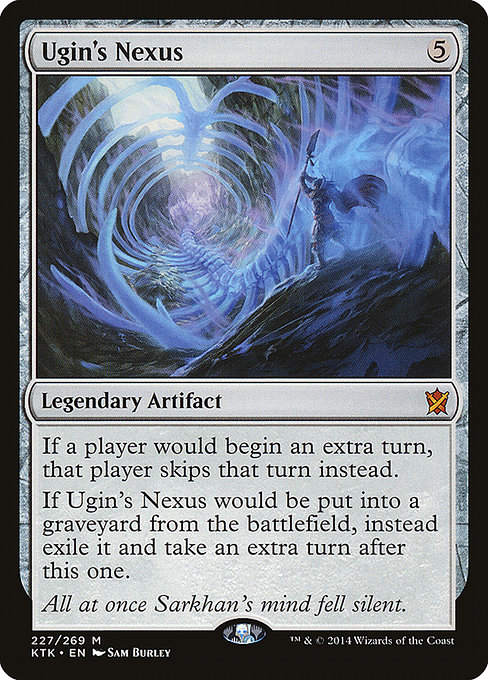 Ugin's NexusLegendary Artifact
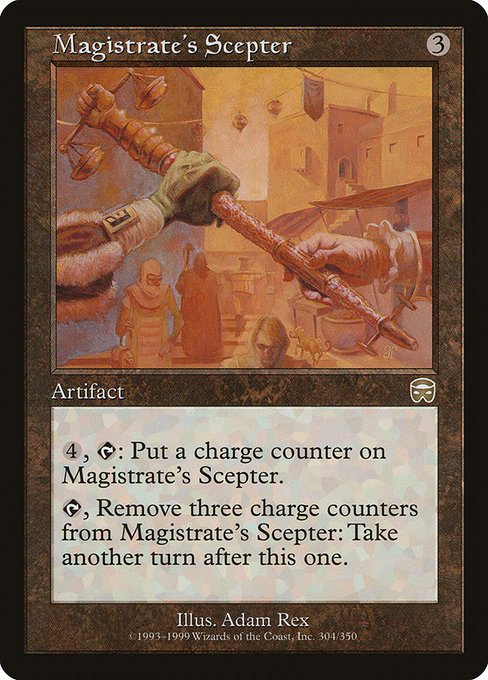 Magistrate's Scepter
 Artifact