
Akroma, Vision of Ixidor

 Legendary Creature — AngelPower and toughness6/6
Card text
Flying, first strike, vigilance, trample
At the beginning of each combat, until end of turn, each other creature you control gets +1/+1 if it has flying, +1/+1 if it has first strike, and so on for double strike, deathtouch, haste, hexproof, indestructible, lifelink, menace, protection, reach, trample, vigilance, and partner.
Partner
Showing The List#CMR-2
Price
No price yet for this printing.
20 printings · up to 9.65 $
Daily estimate from Scryfall, not a shop quote.
Akroma, Vision of Ixidor rulings
A creature with more than one of the listed keyword gets +1/+1 for each of those keywords it has.
A creature with more than one instances of one of the listed keywords gets just +1/+1 for that keyword. Similarly, if a creature has multiple variants of the same keyword (e.g. protection from black and from red), it gets just +1/+1 for that keyword.
Which creatures are affected and the size of their individual bonuses is determined only as Akroma's triggered ability resolves. Gaining or losing keywords after that time won't cause a creature to grow or shrink.
Akroma's ability refers only to creatures with partner or "partner with" abilities, not creatures with any other partner variant (such as choose a Background or friends forever).
If your Commander deck has two commanders, you can only include cards whose own color identities are also found in your commanders' combined color identities. If Falthis and Kediss are your commanders, your deck may contain cards with black and/or red in their color identity, but not cards with green, white, or blue.
Both commanders start in the command zone, and the remaining 98 cards (or 58 cards in a Commander Draft game) of your deck are shuffled to become your library.
To have two commanders, both must have the partner ability as the game begins. Losing the ability during the game doesn't cause either to cease to be your commander.
Once the game begins, your two commanders are tracked separately. If you cast one, you won't have to pay an additional
 the first time you cast the other. A player loses the game after having been dealt 21 damage from any one of them, not from both of them combined.
If something refers to your commander while you have two commanders, it refers to one of them of your choice. If you are instructed to perform an action on your commander (e.g. put it from the command zone into your hand due to Command Beacon), you choose one of your commanders at the time the effect happens.
An effect that checks whether you control your commander is satisfied if you control one or both of your two commanders.
You can choose two commanders with partner that are the same color or colors. In Commander Draft, you can even choose two of the same commander with partner if you drafted them. If you do this, make sure you keep the number of times you've cast each from the command zone clear for "commander tax" purposes.
Akroma, Vision of Ixidor keyword rules
Flying Rule 702.9
Flying is an evasion ability.
A creature with flying can’t be blocked except by creatures with flying and/or reach. A creature with flying can block a creature with or without flying. (See rule , “Declare Blockers Step,” and rule , “Reach.”)
Multiple instances of flying on the same creature are redundant.
Vigilance Rule 702.20
Vigilance is a static ability that modifies the rules for the declare attackers step.
Attacking doesn’t cause creatures with vigilance to tap. (See rule , “Declare Attackers Step.”)
Multiple instances of vigilance on the same creature are redundant.
First strike Rule 702.7
First strike is a static ability that modifies the rules for the combat damage step. (See rule , “Combat Damage Step.”)
If at least one attacking or blocking creature has first strike or double strike (see rule ) as the combat damage step begins, the only creatures that assign combat damage in that step are those with first strike or double strike. After that step, instead of proceeding to the end of combat step, the phase gets a second combat damage step. The only creatures that assign combat damage in that step are the remaining attackers and blockers that had neither first strike nor double strike as the first combat damage step began, as well as the remaining attackers and blockers that currently have double strike. After that step, the phase proceeds to the end of combat step.
Giving first strike to a creature without it after combat damage has already been dealt in the first combat damage step won’t preclude that creature from assigning combat damage in the second combat damage step. Removing first strike from a creature after it has already dealt combat damage in the first combat damage step won’t allow it to also assign combat damage in the second combat damage step (unless the creature has double strike).
Multiple instances of first strike on the same creature are redundant.
Partner Rule 702.124
Partner abilities are keyword abilities that modify the rules for deck construction in the Commander variant (see rule ), and they function before the game begins. Each partner ability allows you to designate two legendary cards as your commander rather than one. Each partner ability has its own requirements for those two commanders. The partner abilities are: partner, partner with [name], friends forever, choose a Background, and Doctor’s companion.
Your deck must contain exactly 100 cards, including its two commanders. Both commanders begin the game in the command zone.
A rule or effect that refers to your commander’s color identity refers to the combined color identities of your two commanders. See rule .
Except for determining the color identity of your commander, the two commanders function independently. When casting a commander with partner, ignore how many times your other commander has been cast (see rule ). When determining whether a player has been dealt 21 or more combat damage by the same commander, consider damage from each of your two commanders separately (see rule ).
If an effect refers to your commander while you have two commanders, it refers to either one. If an effect causes you to perform an action on your commander and it could affect both, you choose which it refers to at the time the effect is applied.
Different partner abilities are distinct from one another and cannot be combined. For example, you cannot designate two cards as your commander if one of them has “partner” and the other has “partner with [name].”
If a legendary card has more than one partner ability, you may choose which one to use when designating your commander, but you can’t use both. Notably, no partner ability or combination of partner abilities can ever let a player have more than two commanders.
“Partner” means “You may designate two legendary creature cards as your commander rather than one if each of them has partner.”
“Partner with [name]” represents two abilities. It means “You may designate two legendary creature cards as your commander rather than one if each has a ‘partner with [name]’ ability with the other’s name” and “When this permanent enters, target player may search their library for a card named [name], reveal it, put it into their hand, then shuffle.”
“Friends forever” means “You may designate two legendary creature cards as your commander rather than one if each of them has friends forever.”
“Choose a Background” means “You may designate two cards as your commander rather than one if one of them is this card and the other is a legendary Background enchantment card.” You can’t designate two cards as your commander if one has a “choose a Background” ability and the other is not a legendary Background enchantment card, and legendary Background enchantment cards can’t be your commander unless you have also designated a commander with “choose a Background.”
“Doctor’s companion” means “You may designate two legendary creature cards as your commander rather than one if one of them is this card and the other is a legendary Time Lord Doctor creature card that has no other creature types.”
If an effect refers to a partner ability by name, it means only that partner ability and not any others. If an effect refers to the partner ability or cards with partner and doesn’t mention a specific variant of the partner ability by name, it is referring only to partner, partner with [name], or cards with either of those abilities, and does not refer to any other partner variant.
Trample Rule 702.19
Trample is a static ability that modifies the rules for assigning an attacking creature’s combat damage. The ability has no effect when a creature with trample is blocking or is dealing noncombat damage. (See rule , “Combat Damage Step.”)
The controller of an attacking creature with trample first assigns damage to the creature(s) blocking it. Once all those blocking creatures are assigned lethal damage, any excess damage is assigned as its controller chooses among those blocking creatures and the player, planeswalker, or battle the creature is attacking. When checking for assigned lethal damage, take into account damage already marked on the creature and damage from other creatures that’s being assigned during the same combat damage step, but not any abilities or effects that might change the amount of damage that’s actually dealt. The attacking creature’s controller need not assign lethal damage to all those blocking creatures but in that case can’t assign any damage to the player or planeswalker it’s attacking.
Trample over planeswalkers is a variant of trample that modifies the rules for assigning combat damage to planeswalkers. The controller of a creature with trample over planeswalkers assigns that creature’s combat damage as described in rule , with one exception. If that creature is attacking a planeswalker, after lethal damage is assigned to all blocking creatures and damage at least equal to the loyalty of the planeswalker the creature is attacking is assigned to that planeswalker, further excess damage may be assigned as the attacking creature’s controller chooses among those blocking creatures, that planeswalker, and that planeswalker’s controller. When checking for assigned damage equal to a planeswalker’s loyalty, take into account damage from other creatures that’s being assigned during the same combat damage step, but not any abilities or effects that might change the amount of damage that’s actually dealt.
If an attacking creature with trample or trample over planeswalkers is blocked, but there are no creatures blocking it when damage is assigned, its damage is assigned to the defending player and/or planeswalker as though all blocking creatures have been assigned lethal damage.
If a creature with trample over planeswalkers is attacking a planeswalker and that planeswalker is removed from combat, the creature’s damage may be assigned to the defending player once all blocking creatures have been dealt lethal damage or, if there are no blocking creatures when damage is assigned, all its damage is assigned to the defending player. This is an exception to rule , and it does not cause the creature to be attacking that player.
If a creature without trample over planeswalkers is attacking a planeswalker, none of its combat damage can be assigned to the defending player, even if that planeswalker has been removed from combat or the damage the attacking creature could assign is greater than the planeswalker’s loyalty.
Multiple instances of trample on the same creature are redundant. Multiple instances of trample over planeswalkers on the same creature are redundant.
Akroma, Vision of Ixidor format legality
Constructed
- StandardNot legal
- PioneerNot legal
- ModernNot legal
- Future StandardNot legal
Eternal
- LegacyLegal
- VintageLegal
- PauperNot legal
- PremodernNot legal
- Old SchoolNot legal
- Penny DreadfulNot legal
Commander
- CommanderLegal
- OathbreakerLegal
- Pauper CommanderNot legal
- Duel CommanderLegal
- PreDHNot legal
Arena & online
- HistoricNot legal
- TimelessNot legal
- AlchemyNot legal
- GladiatorNot legal
- BrawlNot legal
- Standard BrawlNot legal
- Competitive BrawlNot legal
Other
- TLRNot legal
All printings of Akroma, Vision of Ixidor 20
Cards similar to Akroma, Vision of Ixidor
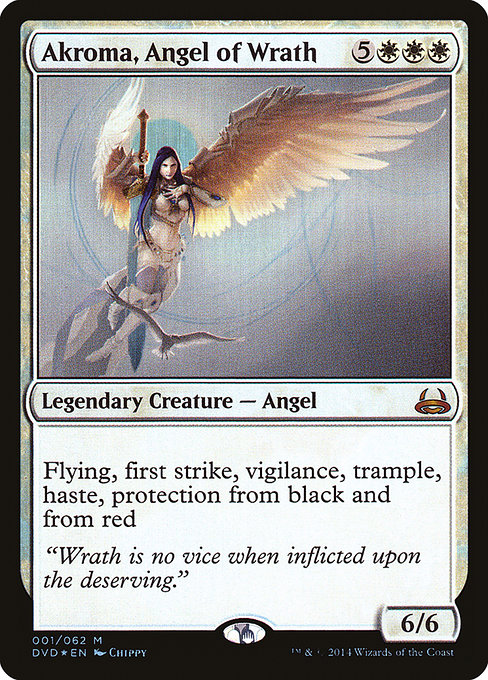 Akroma, Angel of WrathLegendary Creature — Angel
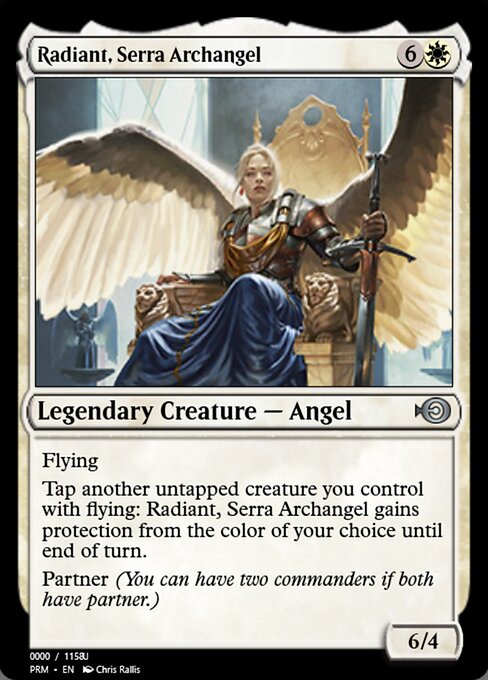 Radiant, Serra Archangel
 Legendary Creature — Angel
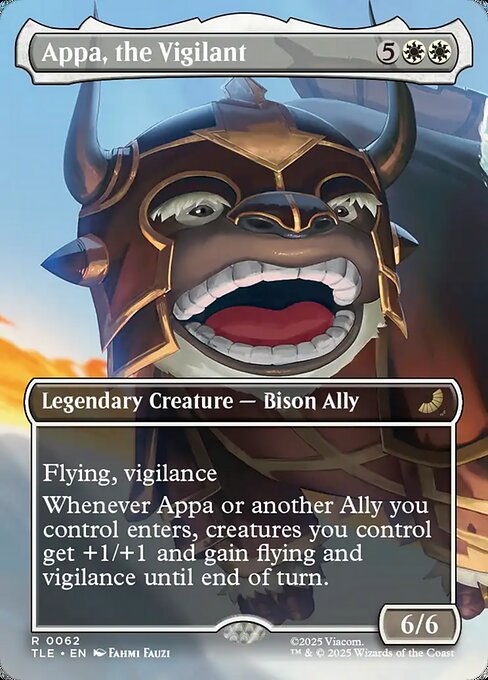 Appa, the VigilantLegendary Creature — Bison Ally
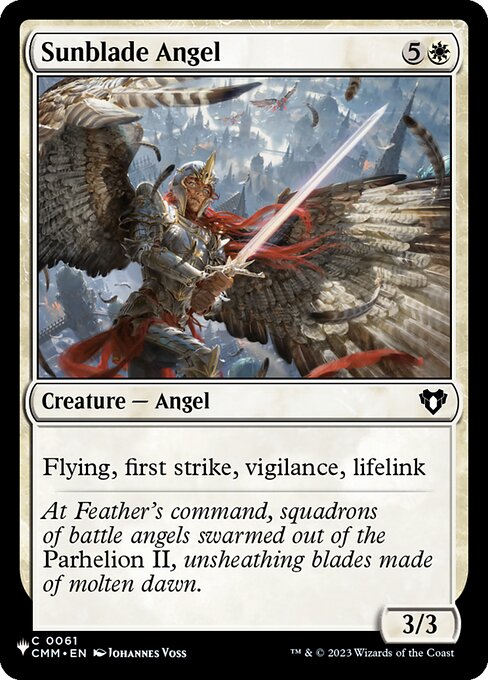 Sunblade AngelCreature — Angel
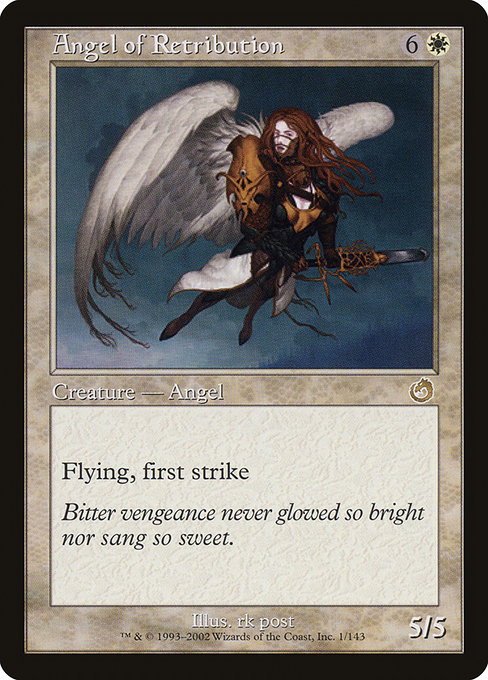 Angel of RetributionCreature — Angel
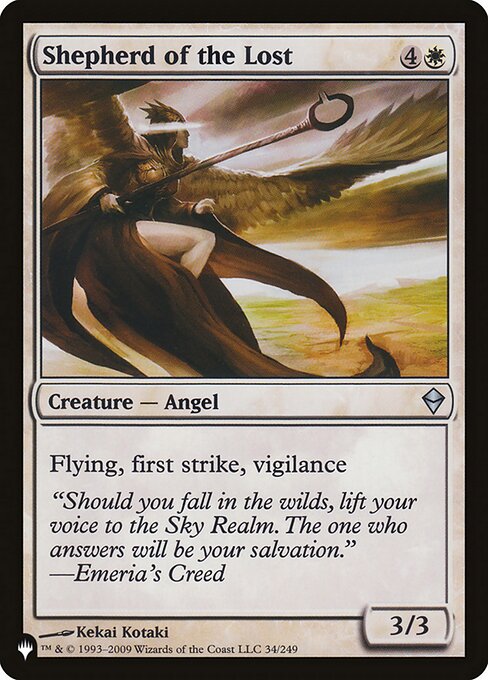 Shepherd of the Lost
 Creature — Angel
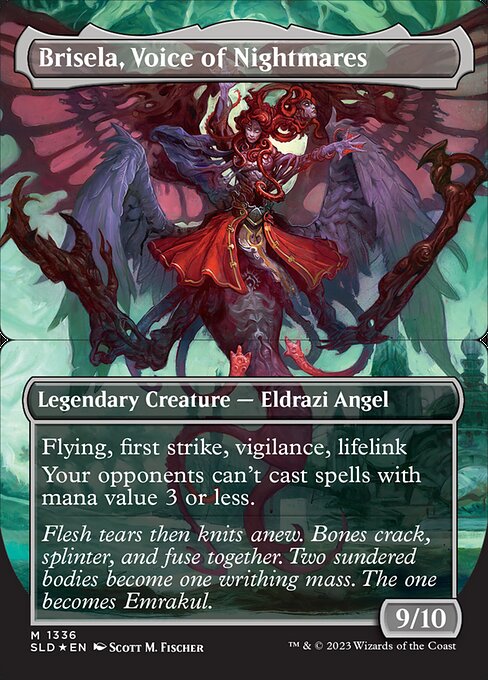 Brisela, Voice of NightmaresLegendary Creature — Eldrazi Angel
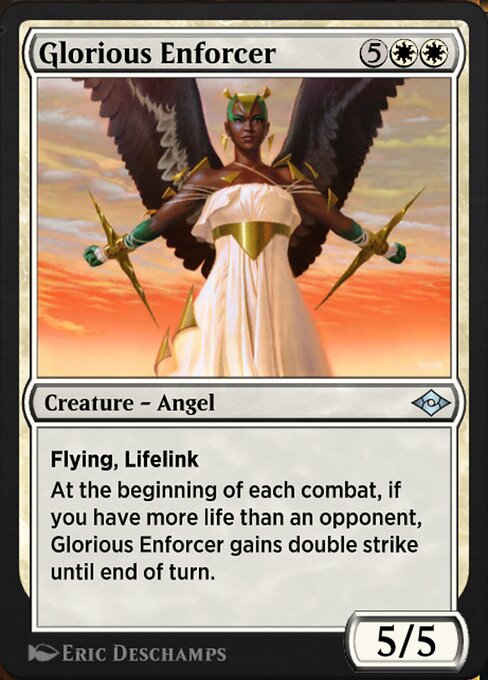 Glorious EnforcerCreature — Angel
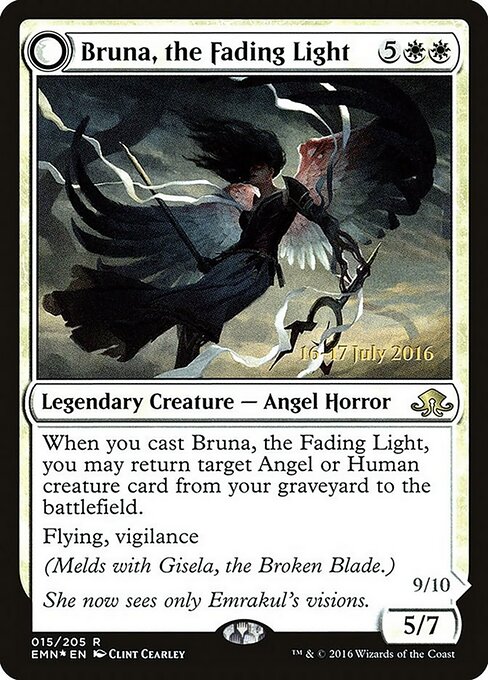 Bruna, the Fading LightLegendary Creature — Angel Horror
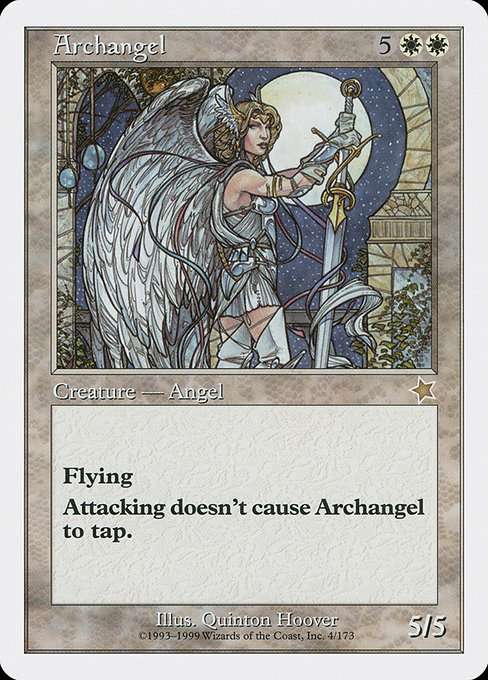 ArchangelCreature — Angel
Show 20 more similar cards
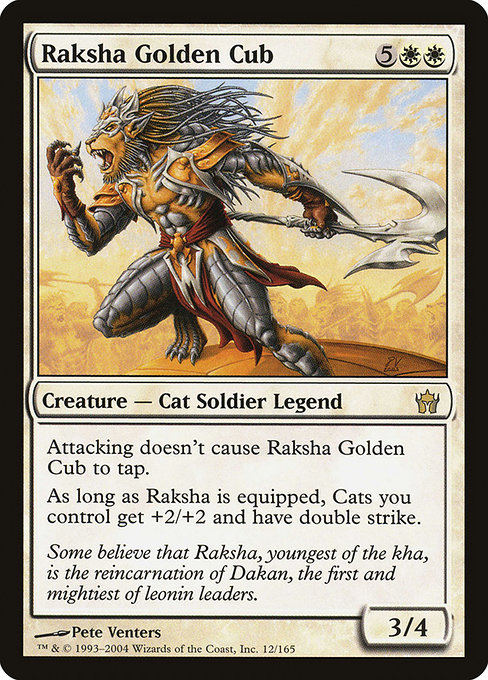 Raksha Golden CubLegendary Creature — Cat Soldier
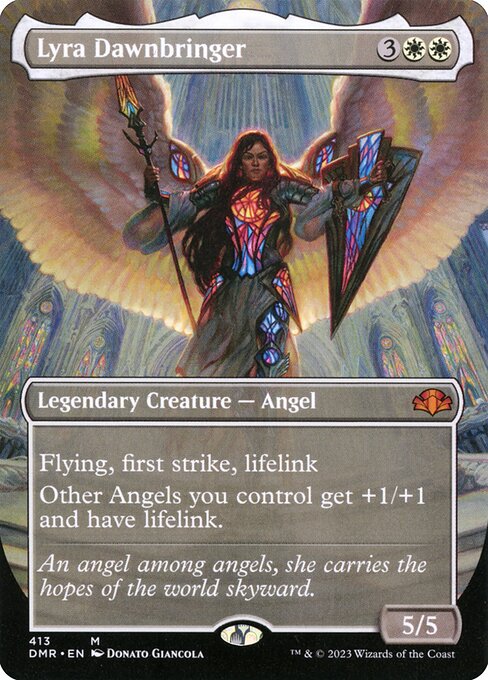 Lyra Dawnbringer
 Legendary Creature — Angel
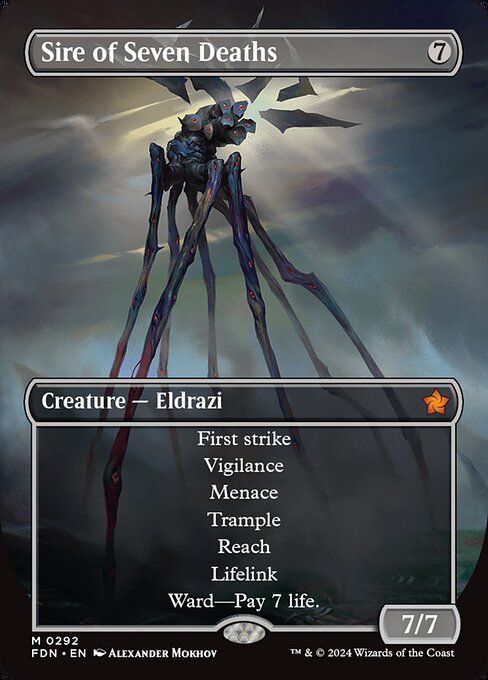 Sire of Seven Deaths
 Creature — Eldrazi
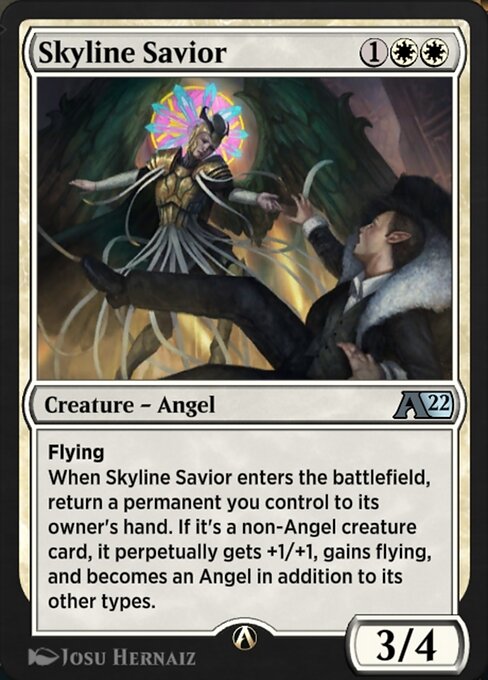 Skyline Savior
 Creature — Angel
 Super StateLegendary Enchantment — Aura
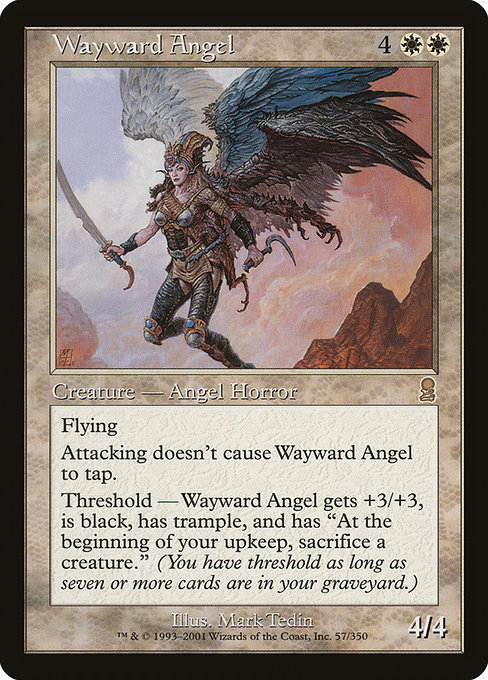 Wayward AngelCreature — Angel Horror
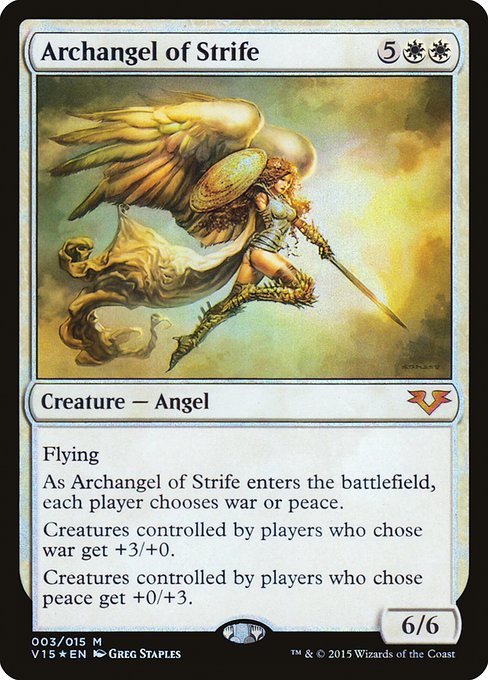 Archangel of StrifeCreature — Angel
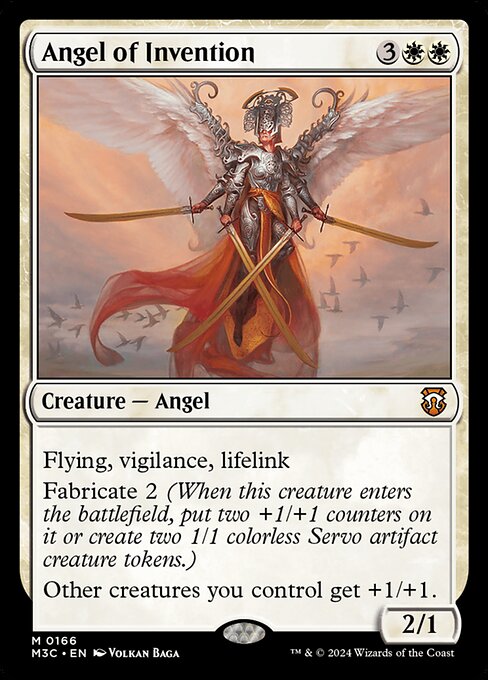 Angel of InventionCreature — Angel
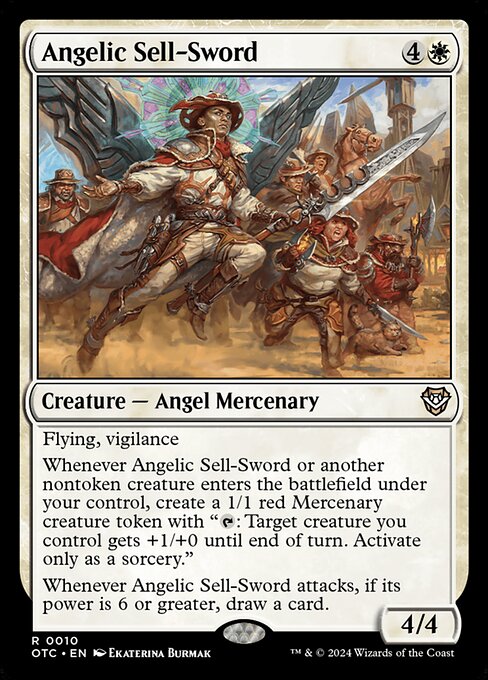 Angelic Sell-SwordCreature — Angel Mercenary
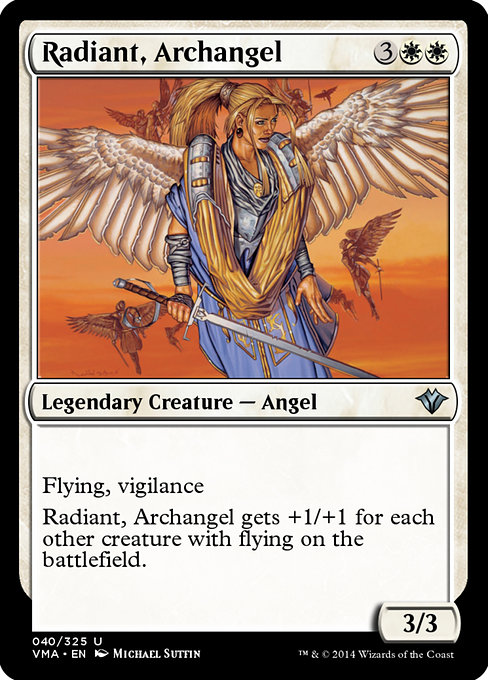 Radiant, ArchangelLegendary Creature — Angel
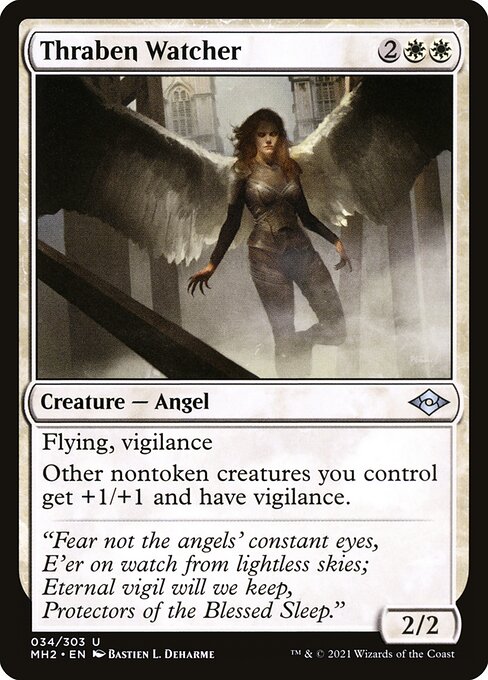 Thraben WatcherCreature — Angel
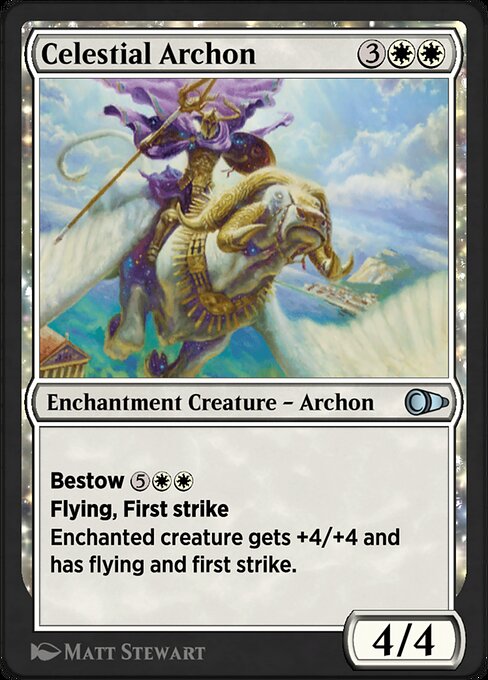 Celestial ArchonEnchantment Creature — Archon
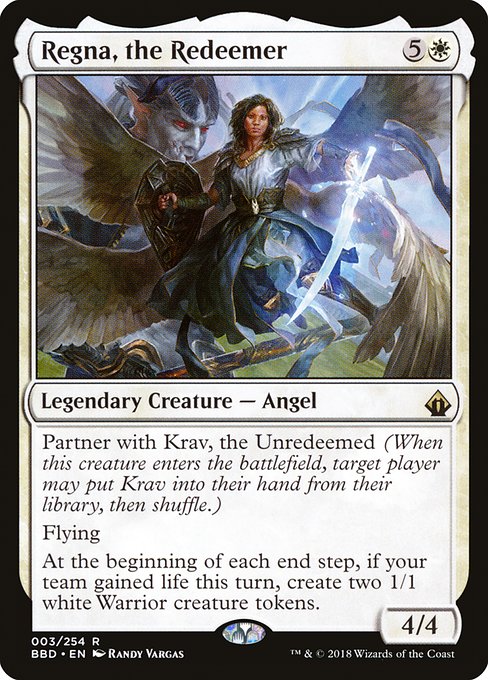 Regna, the RedeemerLegendary Creature — Angel
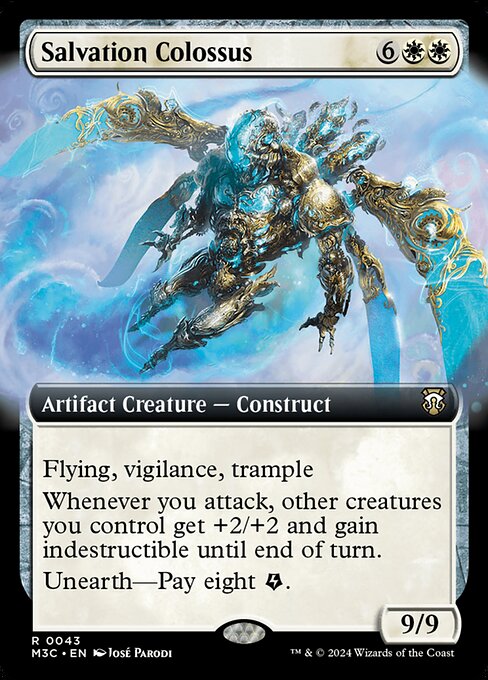 Salvation ColossusArtifact Creature — Construct
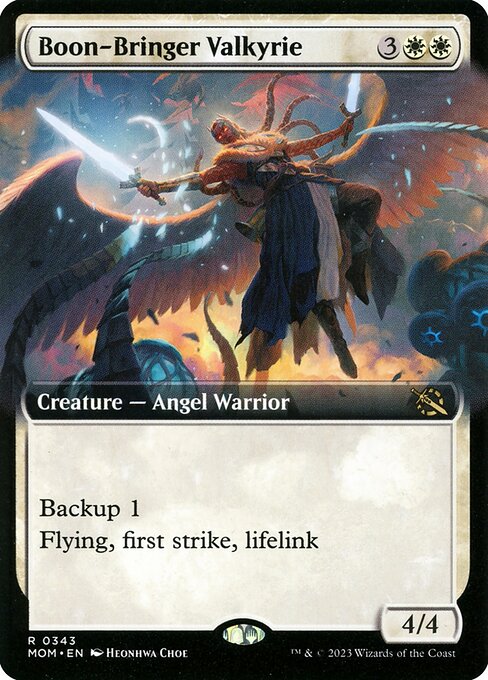 Boon-Bringer ValkyrieCreature — Angel Warrior
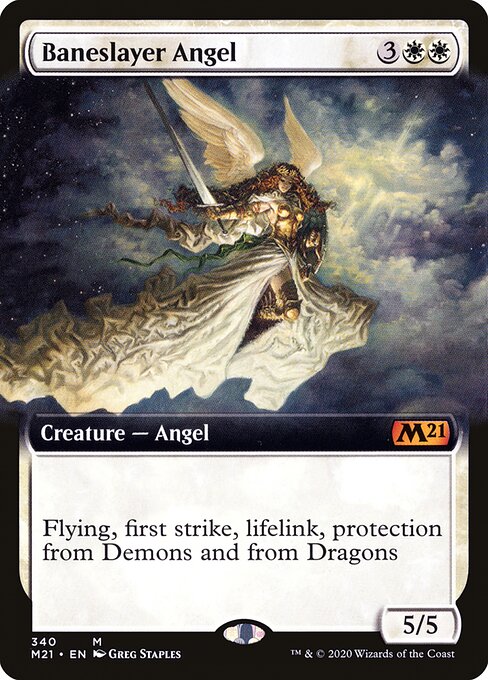 Baneslayer AngelCreature — Angel
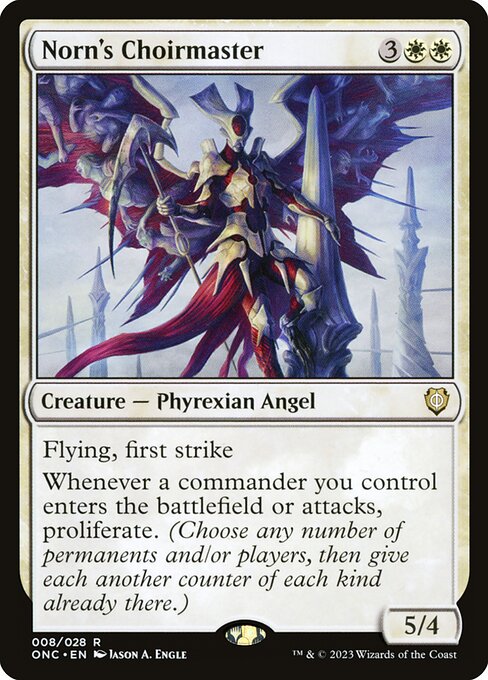 Norn's ChoirmasterCreature — Phyrexian Angel
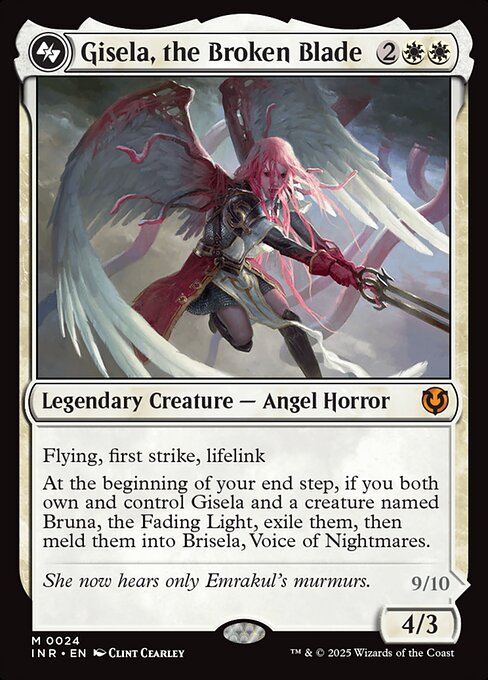 Gisela, the Broken BladeLegendary Creature — Angel Horror
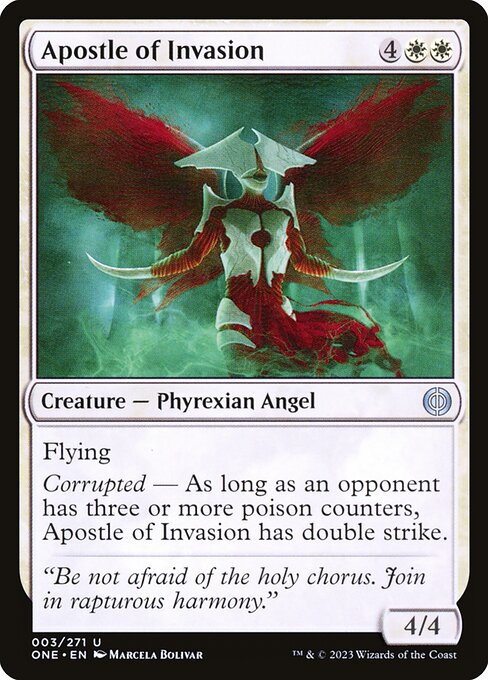 Apostle of InvasionCreature — Phyrexian Angel
 Sigarda's VanguardCreature — Angel